
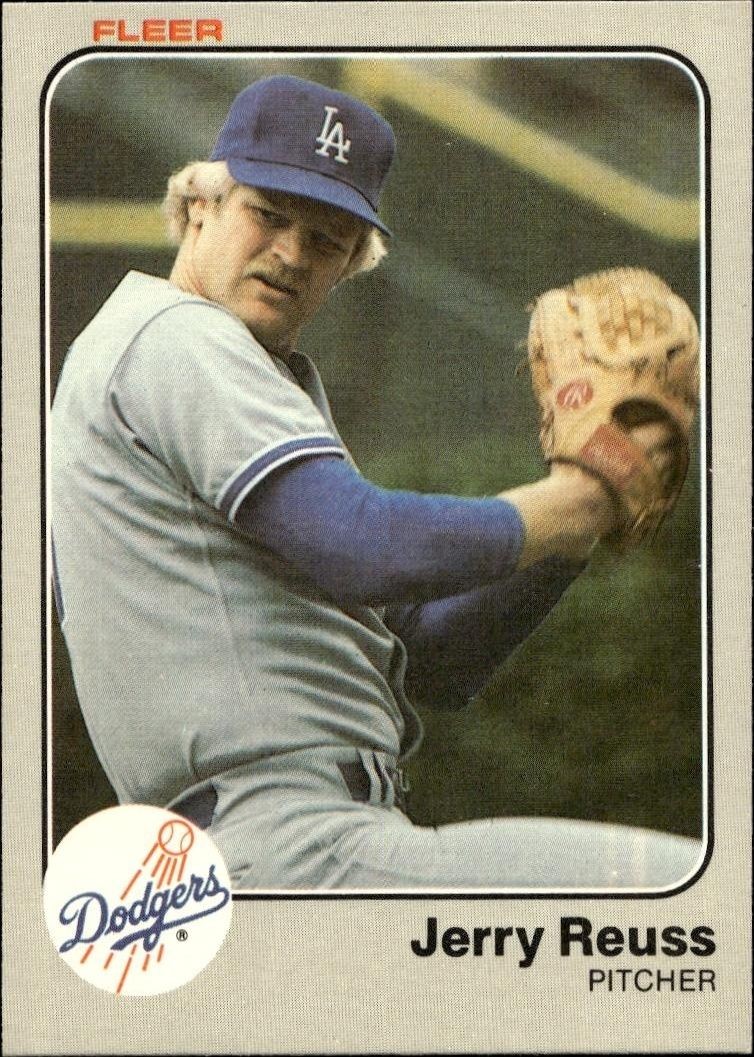


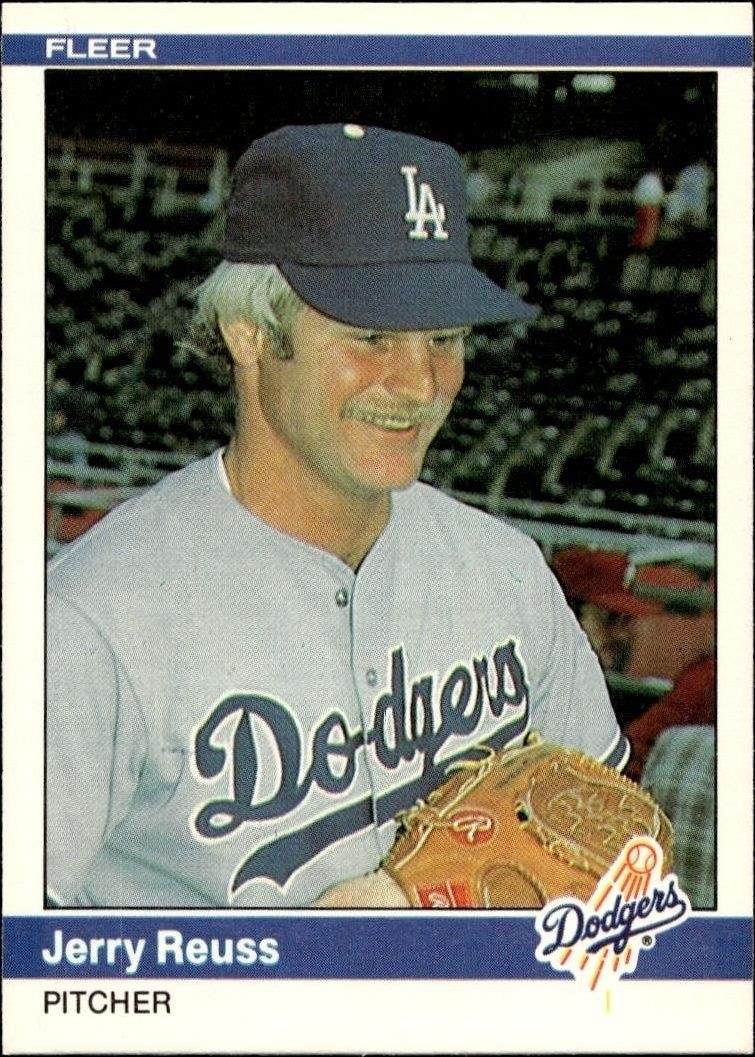
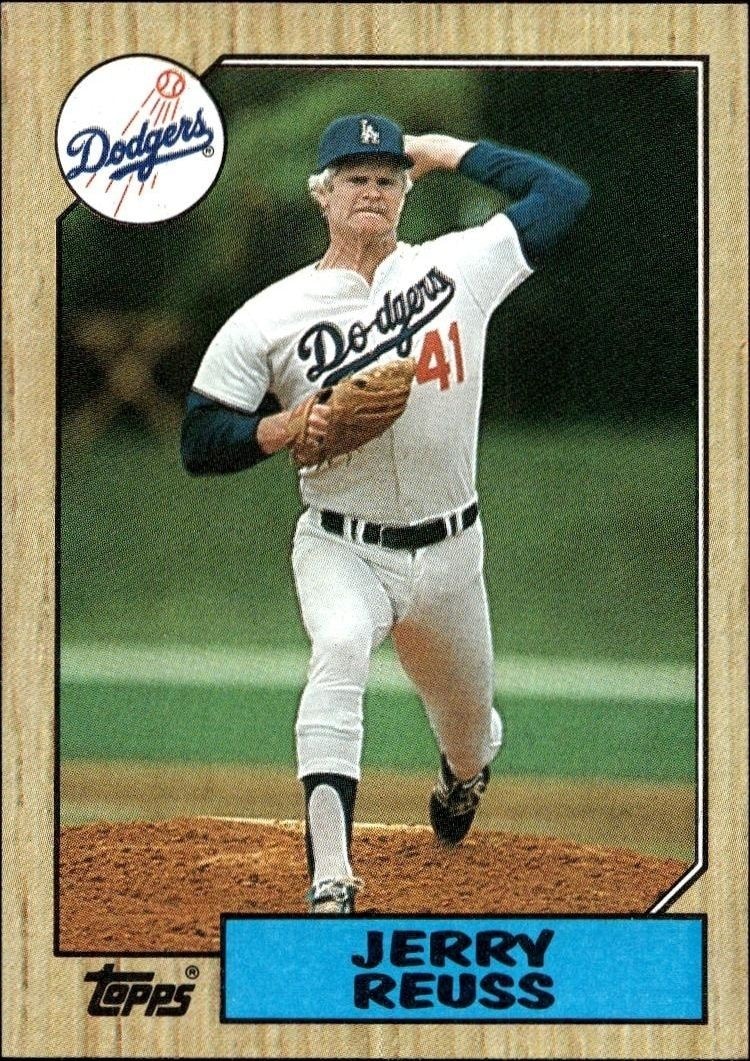

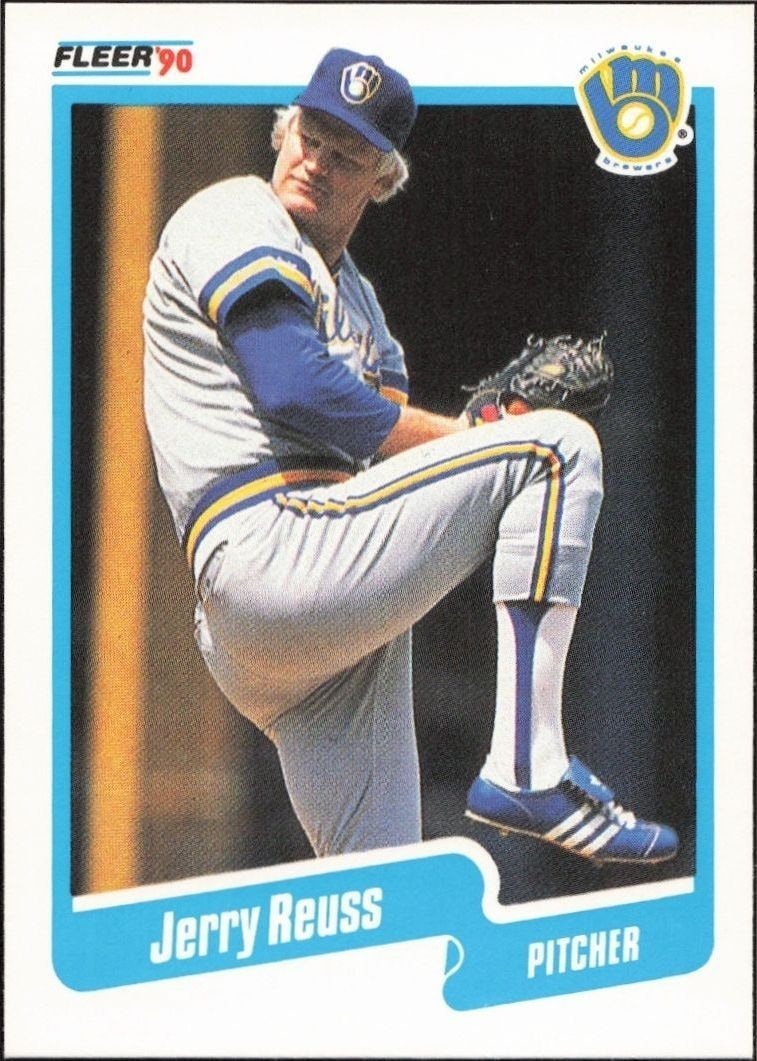

Acquire the 1989 Topps Jerry Reuss #357 baseball card, featuring the Chicago White Sox pitcher. A staple of 1980s vintage collecting.
1989 • Topps
Major League Baseball • Chicago White Sox
Excellent
357
New
Shipping Calculated at Checkout
Arrives in 5-7 daysEstimated delivery October 23, 2026 - October 25, 2026
Seller returns October 19, 2026.30-day Returns| Condition | Value | Source | Trend | Price Details |
|---|---|---|---|---|
$0.99As of 9/21/2026 | Guide Estimate | |||
$30.00As of 9/21/2026 | Guide Estimate | |||
$14.00As of 9/21/2026 | Guide Estimate | |||
$22.72As of 9/21/2026 | Guide Estimate | |||
$14.00As of 9/21/2026 | Guide Estimate | |||
Raw / Ungraded
PriceCharting Price Guide · Guide Estimate evidence · captured Sep 21, 2026
History is building. At least two days of matching observations are needed to show a trend.
Each point is the last stored observation that day for this printing, condition, grader, autograph status and source. Gaps mean no observation; guide estimates and asking prices are not completed sales.The 1989 Topps Jerry Reuss #357 card captures a specific moment in Chicago White Sox history. Released by Topps, this sports card is a recognized component of the 1989 set, widely distributed and sought after by enthusiasts of the era. Jerry Reuss appears on the card representing the White Sox, offering collectors a tangible connection to the team's roster during that season. Vintage baseball cards from the late 1980s hold a distinct place in collecting culture. For those focused on Chicago White Sox history, the Jerry Reuss #357 card provides a visual record of the player's tenure with the organization. Whether you are assembling a full set of 1989 Topps issues or curating a collection based on specific teams, this card represents a standard reference point in the hobby. The platform connects buyers with sellers offering graded and raw versions, ensuring that collectors at every level can find the item they need. Focus on the card's role in the broader 1989 Topps set and its significance to White Sox fandom when evaluating your acquisition. Collecting vintage sports cards is about preserving history and building a personal narrative through imagery and data. The 1989 Topps Jerry Reuss #357 card serves as a durable artifact of that tradition. As you build your collection, consider how this card fits into your larger goals for the 1989 set or your interest in the Chicago White Sox. The enduring appeal of Topps releases from this period continues to drive demand, making cards like #357 relevant in today's market.
11 hours ago
We'll pre-fill the product details from this catalog entry, so your listing lands on this exact page. Just add photos of your copy, pick its condition, and set your price.
The catalog profile below summarizes the card identity, featured subject, and notable collectible traits.
The subject, team, league, and sport context tied to this card.
Production details and format-specific attributes.
Material
Card Stock
Language
English
Compare prices, grades, photos, and shipping from approved sellers.
New
Excellent
See how many public collections currently include this card.
0 collectors have this card
This 1989 Topps Jerry Reuss card represents a standard base card from a widely distributed set, positioning it at the entry level of the market. While Reuss was a significant MLB pitcher, this specific issue lacks the scarcity or premium attributes that typically drive value beyond nominal levels. It serves primarily as an affordable acquisition for collectors focusing on team completion or specific year sets rather than as a standalone investment piece.
As a standard base card with no noted special attributes, this item does not benefit from serial numbering, short-print designations, or parallel variations that restrict supply. The manufacturing process for this type of card typically involves high print runs, resulting in abundant availability in both raw and graded conditions. Consequently, the scarcity mechanics are minimal, relying solely on the general condition of the card to influence its collectible status.
The outlook for this card is stable but limited, as rookie-card premiums and set prestige do not apply to a mid-career base issue from a mass-produced brand. Collector demand is likely driven by nostalgia for the late-1980s era or specific team collections rather than speculative growth. Investors should view this as a low-risk, low-reward component for completing a broader portfolio rather than a standalone asset with appreciating potential.