











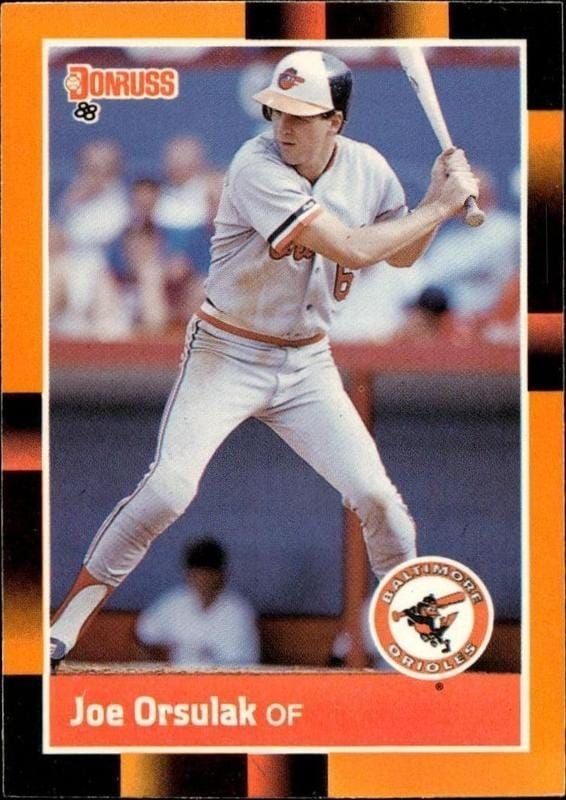


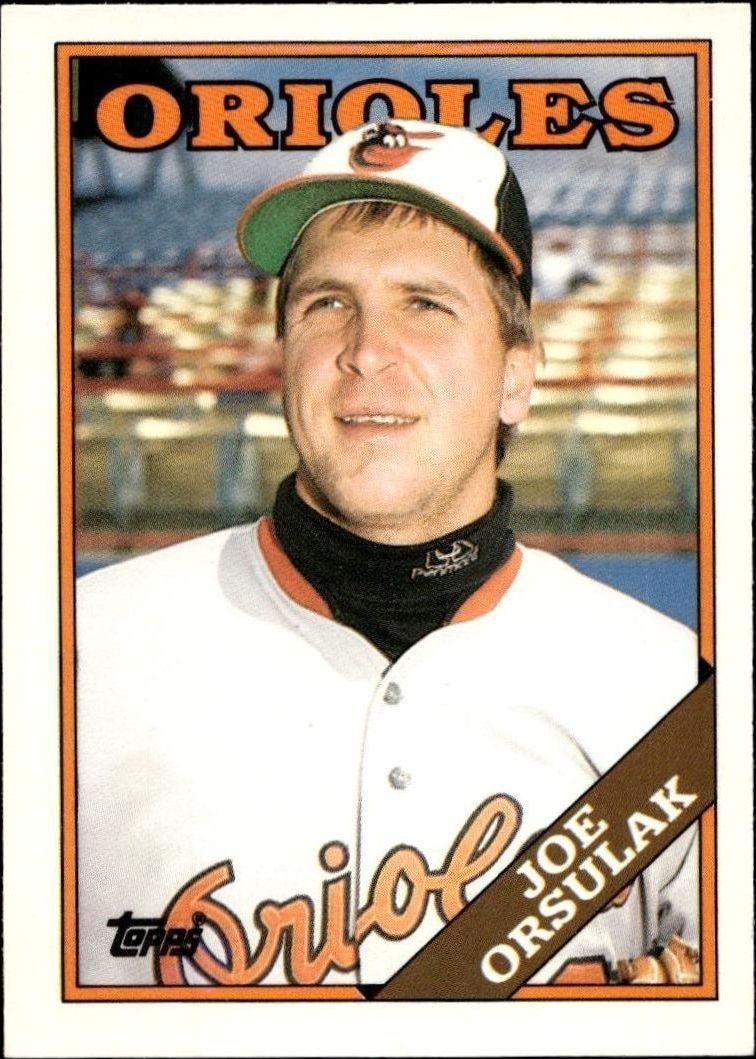
The 1989 Topps Joe Orsulak #727 baseball card captures the Baltimore Orioles outfielder during the late 1980s MLB era, offering collectors a tangible connection to vintage baseball history.
1989 • Topps
Major League Baseball • Baltimore Orioles
Near Mint
727
New
Shipping Calculated at Checkout
Arrives in 5-7 daysEstimated delivery October 23, 2026 - October 25, 2026
Seller returns October 19, 2026.30-day Returns| Condition | Value | Source | Trend | Price Details |
|---|---|---|---|---|
$1.34As of 9/28/2026 | Guide Estimate | |||
$31.00As of 9/28/2026 | Guide Estimate | |||
$34.00As of 9/28/2026 | Guide Estimate | |||
Raw / Ungraded
PriceCharting Price Guide · Guide Estimate evidence · captured Sep 28, 2026
History is building. At least two days of matching observations are needed to show a trend.
Each point is the last stored observation that day for this printing, condition, grader, autograph status and source. Gaps mean no observation; guide estimates and asking prices are not completed sales.As card number 727 in the base set, it features Joe Orsulak during his tenure with the Baltimore Orioles, providing a specific snapshot of the roster for that season. Collectors often seek this card to complete their 1989 Topps base set collections, ensuring a full representation of the league's players from that year. The late 1980s era of baseball trading cards holds significant nostalgic value for hobbyists who grew up following the game during that time. This card serves as a tangible link to the sport's history, allowing fans to preserve a piece of the era's visual culture. Whether you are a dedicated set builder looking for the final piece of your 1989 Topps collection or a vintage sports memorabilia investor interested in Orioles history, this card offers a straightforward and recognizable collectible item. For those new to vintage card collecting, understanding the context of the 1989 Topps release is essential. Joe Orsulak's presence on this card highlights the depth of the Orioles' roster during the period, appealing to team-specific collectors as well as general baseball fans. The card's durability and standard dimensions make it a staple in any album or binder. By focusing on the catalog identity and historical context, collectors can make informed decisions about adding this piece to their portfolio. The card remains a popular choice for those interested in the visual and historical aspects of 1980s baseball, bridging the gap between past eras and modern collecting practices.
17 hours ago
We'll pre-fill the product details from this catalog entry, so your listing lands on this exact page. Just add photos of your copy, pick its condition, and set your price.
The catalog profile below summarizes the card identity, featured subject, and notable collectible traits.
The subject, team, league, and sport context tied to this card.
Production details and format-specific attributes.
Material
Card Stock
Language
English
Compare prices, grades, photos, and shipping from approved sellers.
New
Near Mint
See how many public collections currently include this card.
0 collectors have this card
This 1989 Topps base card of Joe Orsulak represents an entry-level tier within the Baltimore Orioles roster cards of that era, trading at a modest premium relative to ungraded raw examples of similar vintage. Its value is anchored by its status as a standard issue from a major brand, offering accessibility for collectors focusing on the 1980s MLB landscape without the complexity of parallel variations. The current market position reflects a stable, low-cost acquisition point for those building thematic sets of Orioles players from the late eighties.
As a standard base card from the 1989 Topps set, this item carries no serial numbering, short-print designations, or parallel finishes that would artificially constrain supply. Its scarcity is driven entirely by natural attrition over three decades, meaning the available population is determined by how many copies have survived in collectible condition rather than intentional production limits. This places it in the highest volume category of the set, distinguishing it from the more elusive inserts and parallels that define the brand's rarity hierarchy.
The card lacks the rookie-card premium or special parallel attributes that typically drive significant appreciation in modern collecting markets. Demand is primarily fueled by nostalgia for the 1989 season and the need for completionists assembling base sets of the Topps brand. While it offers a low-risk entry point for casual collectors, its long-term value growth is likely to remain linear and modest, lacking the speculative drivers associated with higher-tier variations or iconic rookie issues.
