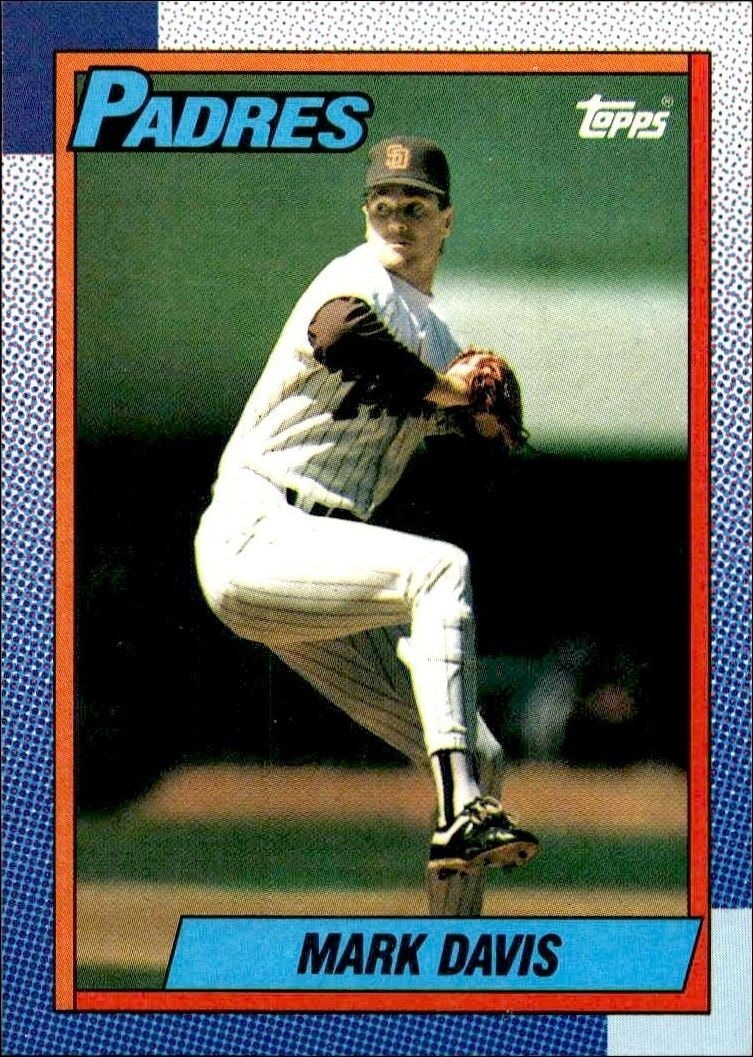





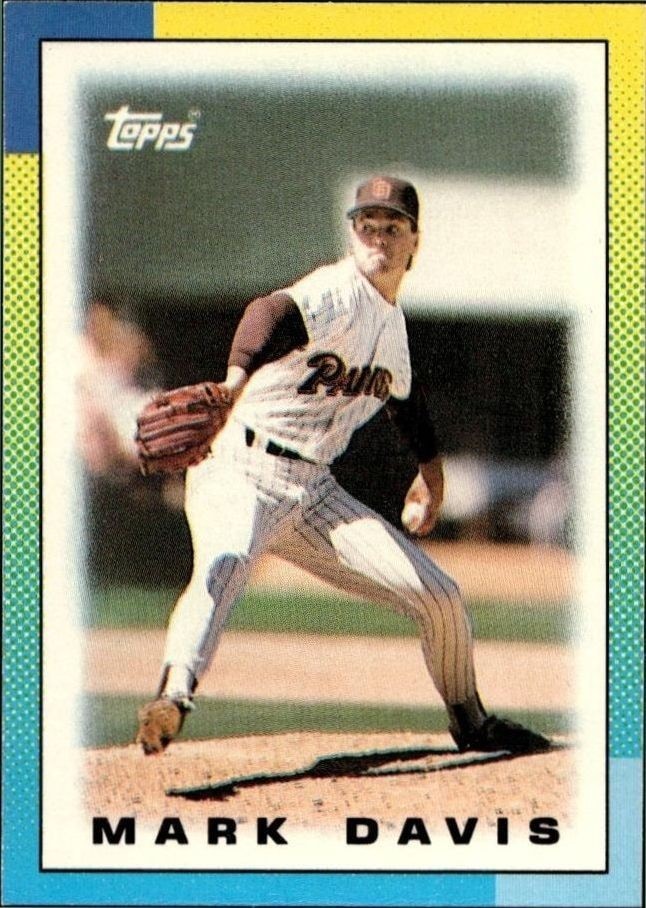


The 1989 Topps Mark Davis #59 baseball card features the San Diego Padres pitcher in a vintage trading card format.
1989 • Topps
Major League Baseball • San Diego Padres
Excellent
59
New
Shipping Calculated at Checkout
This seller is away until 10/19/2026 — orders are still accepted and ship after they return.30-day Returns| Condition | Value | Source | Trend | Price Details |
|---|---|---|---|---|
$1.27 | Guide Estimate | |||
$9.32 | Guide Estimate | |||
$19.83 | Guide Estimate | |||
$34.00 | Guide Estimate | |||
$45.00 | Guide Estimate | |||
$21.00 | Guide Estimate | |||
$34.88 | Guide Estimate | |||
$21.00 | Guide Estimate | |||
Raw / Ungraded
PriceCharting Price Guide · Guide Estimate evidence · captured Oct 16, 2026
History is building. At least two days of matching observations are needed to show a trend.
Each point is the last stored observation that day for this printing, condition, grader, autograph status and source. Gaps mean no observation; guide estimates and asking prices are not completed sales.The 1989 Topps Mark Davis #59 baseball card represents a specific era in sports memorabilia collecting, capturing the San Diego Padres player during a defined period of his career. As a standard issue from the Topps brand, this card is part of one of the most widely recognized and distributed sets in baseball history. Collectors often seek out this card number to complete base set collections or to branch out into specific player subsets. Mark Davis, featured on card number 59, is presented in the classic Topps design template of the late 1980s. The card serves as a tangible link to the history of the San Diego Padres and Major League Baseball during the 1989 season. For hobbyists, acquiring this card is often about building a comprehensive archive of a player's career trajectory or focusing on the aesthetic and nostalgic value of vintage sports cards. Whether you are a long-time fan of the San Diego Padres or a generalist collector interested in baseball history, the 1989 Topps Mark Davis #59 card offers a solid addition to any inventory. The card's status as a mass-produced item from a major manufacturer ensures its availability, yet finding copies in superior condition can be a rewarding challenge for dedicated enthusiasts. From raw cards to professionally slabbed examples, the market offers options for different collecting styles and budget levels. By focusing on the catalog identity of the 1989 Topps Mark Davis #59 card, collectors can appreciate its place in the broader narrative of baseball trading cards without being constrained by the specifics of any single listing.
21 hours ago
We'll pre-fill the product details from this catalog entry, so your listing lands on this exact page. Just add photos of your copy, pick its condition, and set your price.
The catalog profile below summarizes the card identity, featured subject, and notable collectible traits.
The subject, team, league, and sport context tied to this card.
Production details and format-specific attributes.
Material
Card Stock
Language
English
Compare prices, grades, photos, and shipping from approved sellers.
New
Excellent
See how many public collections currently include this card.
0 collectors have this card
This 1989 Topps Mark Davis card represents an entry-level asset within the broader baseball market, trading at a modest premium typical for vintage base cards from this era. While it lacks the speculative volatility of rookie issues or autographs, it holds steady value as a tangible piece of San Diego Padres history. The current low listing count suggests a thin market, meaning price stability is more a function of scarcity of supply than intense buyer competition.
As a standard base card from the 1989 Topps set, this item carries no special scarcity mechanics such as serial numbering, short-print status, or parallel variants. Its supply is determined entirely by the original mass production run, making it one of the most accessible tier of collectibles in the hobby. Without unique attributes to constrain availability, its rarity is purely qualitative, relying on the condition of surviving copies rather than intentional limited distribution.
Investment potential is limited by the card's position as a non-rookie, base-set item from a high-print-run year. Collector demand is driven primarily by nostalgia and team affiliation rather than performance milestones or graded population trends. Long-term value appreciation is unlikely to outpace inflation or comparable vintage assets, making it suitable for portfolio diversification rather than aggressive growth.