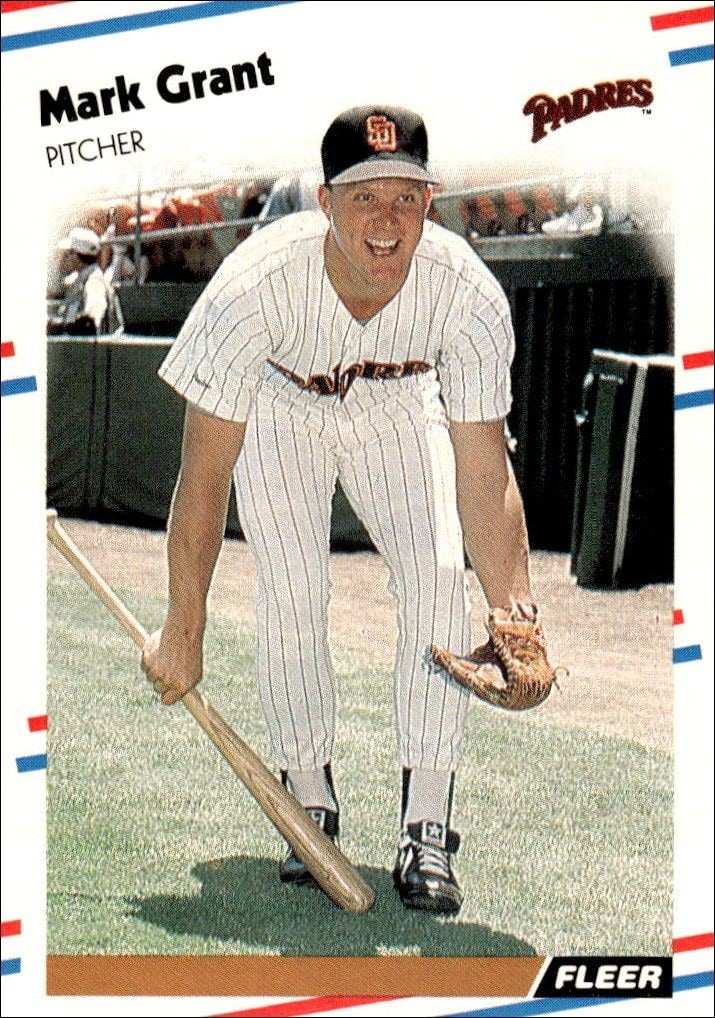





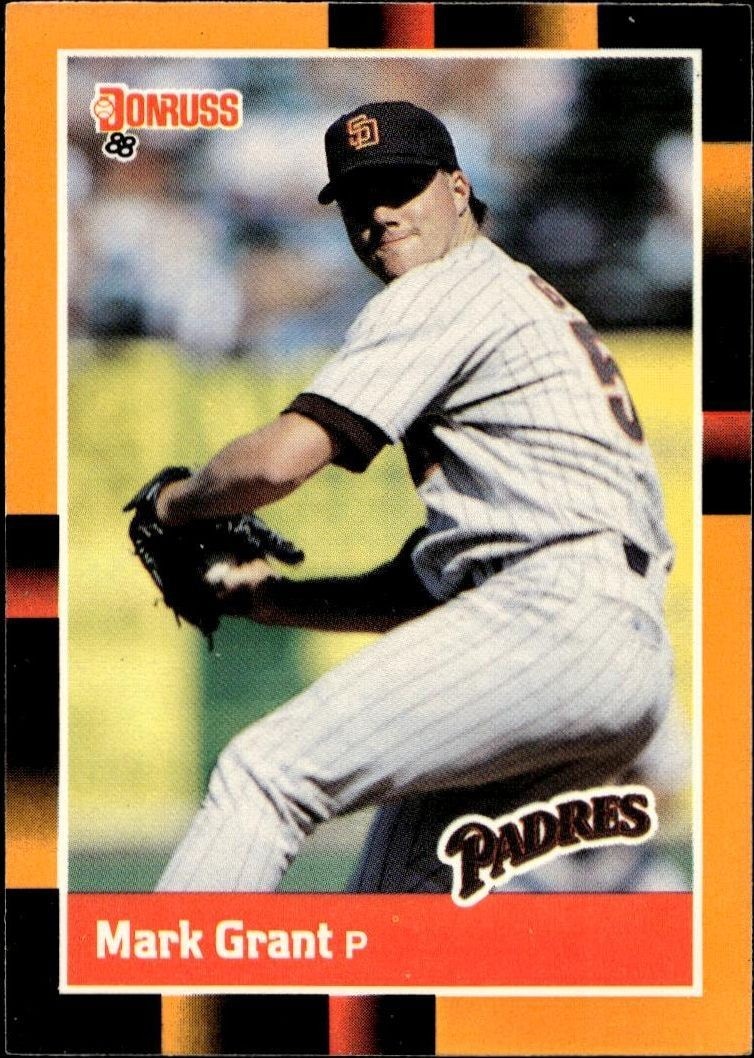
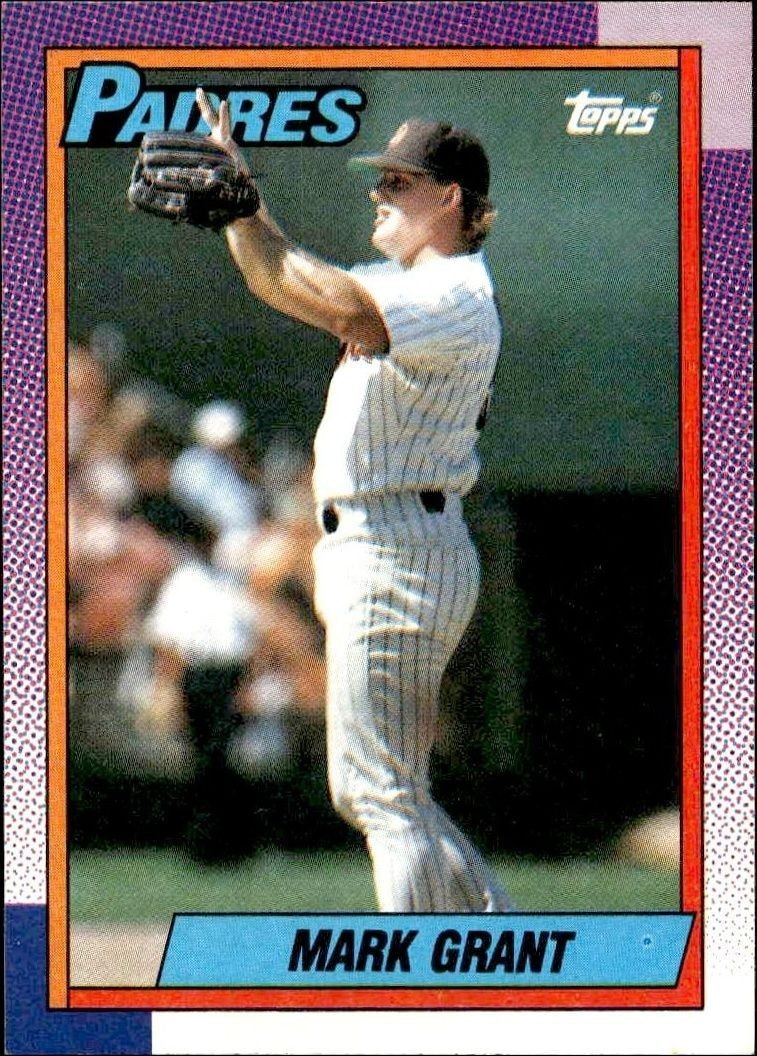

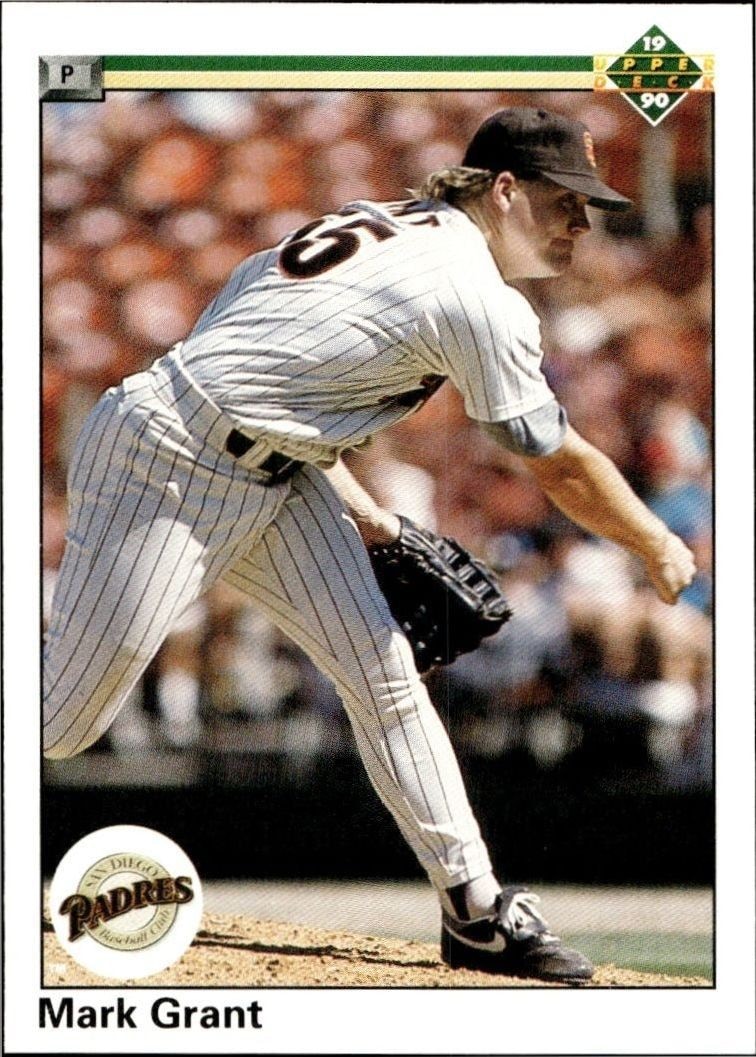
The 1989 Topps Mark Grant #178 card captures the San Diego Padres infielder during a defining era of MLB baseball, offering collectors a tangible link to the late 1980s diamond action.
1989 • Topps
Major League Baseball • San Diego Padres
Excellent
178
New
Shipping Calculated at Checkout
This seller is away until 10/19/2026 — orders are still accepted and ship after they return.30-day Returns| Condition | Value | Source | Trend | Price Details |
|---|---|---|---|---|
$1.31As of 9/27/2026 | Guide Estimate | |||
$9.41As of 9/27/2026 | Guide Estimate | |||
$20.02As of 9/27/2026 | Guide Estimate | |||
$30.00As of 9/27/2026 | Guide Estimate | |||
$39.00As of 9/27/2026 | Guide Estimate | |||
$18.00As of 9/27/2026 | Guide Estimate | |||
$30.12As of 9/27/2026 | Guide Estimate | |||
$18.00As of 9/27/2026 | Guide Estimate | |||
Raw / Ungraded
PriceCharting Price Guide · Guide Estimate evidence · captured Sep 28, 2026
History is building. At least two days of matching observations are needed to show a trend.
Each point is the last stored observation that day for this printing, condition, grader, autograph status and source. Gaps mean no observation; guide estimates and asking prices are not completed sales.The 1989 Topps Mark Grant #178 card stands as a distinct artifact from one of the most recognizable eras in sports card collecting. Released by Topps during a period when the brand dominated the baseball hobby, this product features Grant during his tenure with the San Diego Padres. For collectors focused on team history, this card number provides a direct connection to the roster composition of the late 1980s, making it a valuable component for those tracking the franchise's lineage through the decades. Topps cards from this period are celebrated for their straightforward design and historical documentation. As a standard insert in the base set, card #178 serves as a foundational piece for enthusiasts assembling complete year collections. The appeal lies in its authenticity as a primary market product that defined the hobby for millions of fans during the pre-digital age of trading cards. Collecting vintage baseball cards offers more than just nostalgia; it provides a structured way to engage with sports history. The 1989 Topps Mark Grant #178 card allows owners to preserve a specific moment in MLB history, representing the players who contributed to the league's growth during a transformative time. Whether used to complete a personal archive or to highlight a specific team's era, this card remains a staple in any serious collection. The enduring popularity of 1980s Topps products ensures that this product continues to hold relevance in the modern market, bridging the gap between classic design aesthetics and contemporary collecting standards.
1 day ago
We'll pre-fill the product details from this catalog entry, so your listing lands on this exact page. Just add photos of your copy, pick its condition, and set your price.
The catalog profile below summarizes the card identity, featured subject, and notable collectible traits.
The subject, team, league, and sport context tied to this card.
Production details and format-specific attributes.
Material
Card Stock
Language
English
Compare prices, grades, photos, and shipping from approved sellers.
New
Excellent
See how many public collections currently include this card.
0 collectors have this card
This 1989 Topps Mark Grant card represents an entry-level tier within the broader baseball card market, reflecting its status as a standard base card from a high-volume production era. As a non-premium insert or parallel, it lacks the scarcity drivers that typically command significant premiums, resulting in a value proposition that is accessible to casual collectors. The card's pricing aligns with the general market for common players from this specific vintage, where condition sensitivity plays a larger role than absolute rarity.
The card possesses no special scarcity attributes, such as serial numbering, short-print status, or parallel coloring, meaning it exists as a standard base issue within the 1989 Topps set. This lack of distinct scarcity mechanics implies that supply is effectively unlimited relative to collector demand, as these cards were produced in vast quantities for mass distribution. Consequently, the item does not benefit from the limited supply dynamics that elevate the value of more exclusive variations.
Given the absence of rookie card status or premium parallel designation, this item offers minimal upside as a standalone investment vehicle. Demand is likely driven primarily by nostalgia for the 1989 Topps set or specific team completists rather than broader market speculation. Collectors seeking to acquire this specific card should view it as a low-cost acquisition for set completion rather than an asset with significant appreciation potential.