



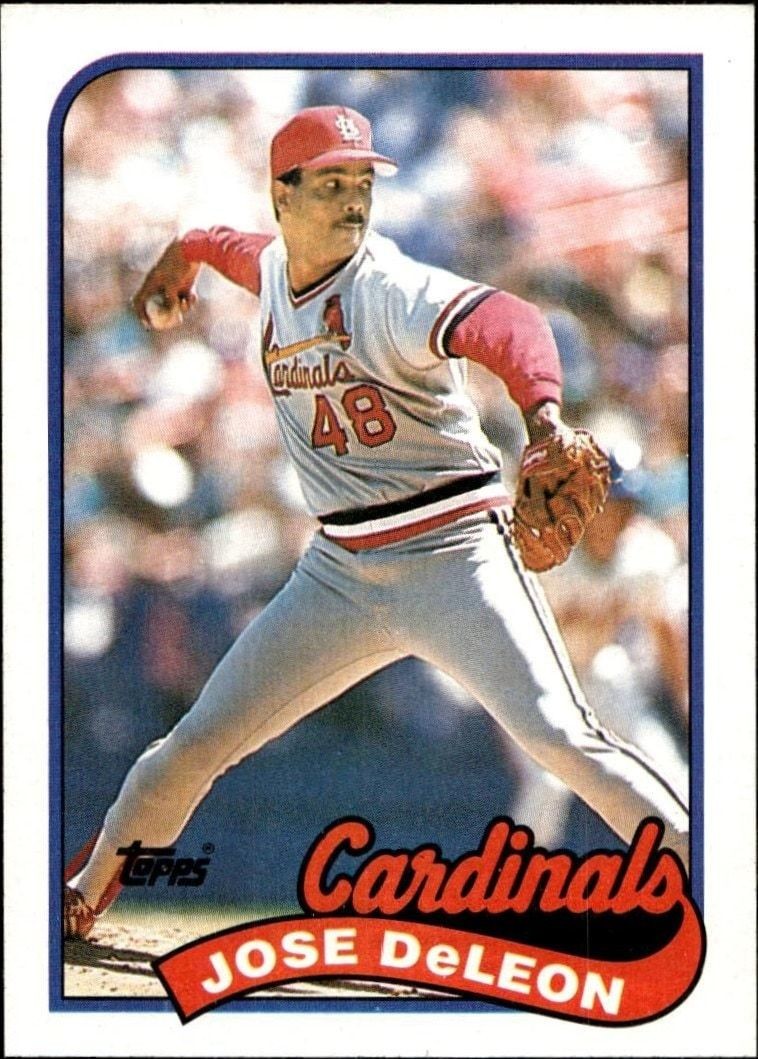


The 1989 Topps Nick Leyva #74 baseball card is a staple of vintage sports card collecting, featuring the Philadelphia Phillies player in this classic release.
1989 • Topps
Major League Baseball • Philadelphia Phillies
Excellent
74
New
Shipping Calculated at Checkout
Arrives in 5-7 daysEstimated delivery October 23, 2026 - October 25, 2026
Seller returns October 19, 2026.30-day Returns| Condition | Value | Source | Trend | Price Details |
|---|---|---|---|---|
$1.40 | Guide Estimate | 0% | ||
$1.15As of 9/21/2026 | Completed Sales | |||
$24.00 | Guide Estimate | 0% | ||
$11.00 | Guide Estimate | 0% | ||
$18.26 | Guide Estimate | 0% | ||
$11.00 | Guide Estimate | 0% | ||
Raw / Ungraded
PriceCharting Price Guide · Guide Estimate evidence · captured Oct 16, 2026
The 1989 Topps Nick Leyva #74 baseball card represents a distinct era in sports memorabilia, capturing the visual style and design language characteristic of late-80s trading cards. For collectors focused on vintage baseball, this card serves as a tangible connection to the Philadelphia Phillies roster during that specific season. The product itself is defined by its straightforward catalog identity: a standard base card from one of the most recognizable brands in the industry. Collecting cards from this period often appeals to those who appreciate the nostalgia of the sport's history. Nick Leyva’s presence in this lineup offers a focal point for those tracking players associated with the Philadelphia Phillies during this time. Whether you are a long-time hobbyist or new to the world of sports card collecting, the 1989 Topps Nick Leyva #74 card provides a clear entry point into this niche. It allows collectors to engage with the physical artifacts of baseball history without the complexity of high-end autographs or memorabilia. The card’s value lies in its role as a component of a larger whole, helping enthusiasts complete their sets and preserve a piece of sports heritage. By focusing on the specific details of the 1989 Topps Nick Leyva #74 release, collectors can make informed decisions about their acquisitions. This card remains a relevant item for those interested in the Philadelphia Phillies' history and the broader landscape of 1989 baseball card production. It stands as a testament to the enduring appeal of physical sports cards as collectible items.
19 hours ago
We'll pre-fill the product details from this catalog entry, so your listing lands on this exact page. Just add photos of your copy, pick its condition, and set your price.
The catalog profile below summarizes the card identity, featured subject, and notable collectible traits.
The subject, team, league, and sport context tied to this card.
Production details and format-specific attributes.
Material
Card Stock
Language
English
Compare prices, grades, photos, and shipping from approved sellers.
New
Excellent
See how many public collections currently include this card.
0 collectors have this card
This 1989 Topps Nick Leyva card represents a baseline entry point within his career portfolio, reflecting the standard production values of a veteran role player from that era. It trades at a modest tier relative to more iconic or rookie issues, serving primarily as a supplemental addition for players completing team sets rather than holding significant standalone value. The current market positioning indicates steady, low-volume liquidity typical of non-premium vintage baseball cards.
As a standard base card from the 1989 Topps set, this issue lacks any special scarcity mechanics such as serial numbering, short printing, or parallel variations. The supply is determined entirely by the original mass-production run, meaning the available inventory is not constrained by limited edition factors or unique attributes. This unvarnished base status ensures that availability remains relatively high compared to sought-after inserts or autographed parallels.
While this card does not carry a rookie-card premium or special insert designation, it remains relevant for collectors targeting specific team sets or vintage 1989 completists. Demand is driven by nostalgia for the Philadelphia Phillies era and the functional need to complete a base set rather than speculative growth. Investors should view this as a stable, low-risk component for set-building rather than a high-growth asset.