



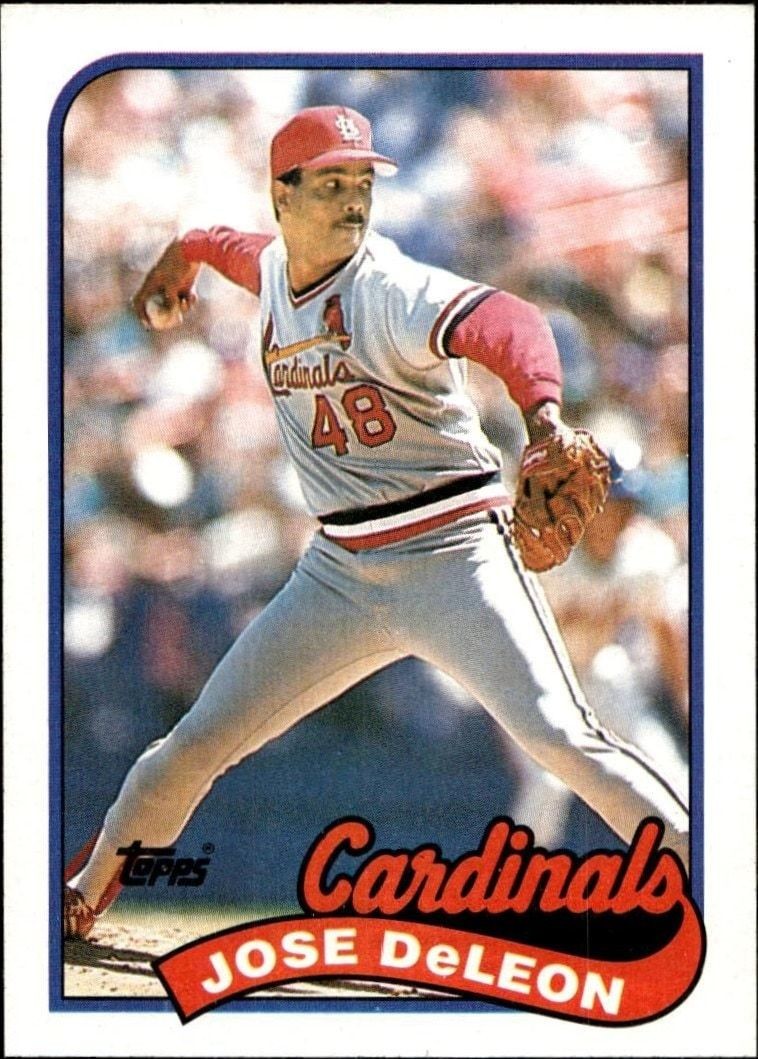

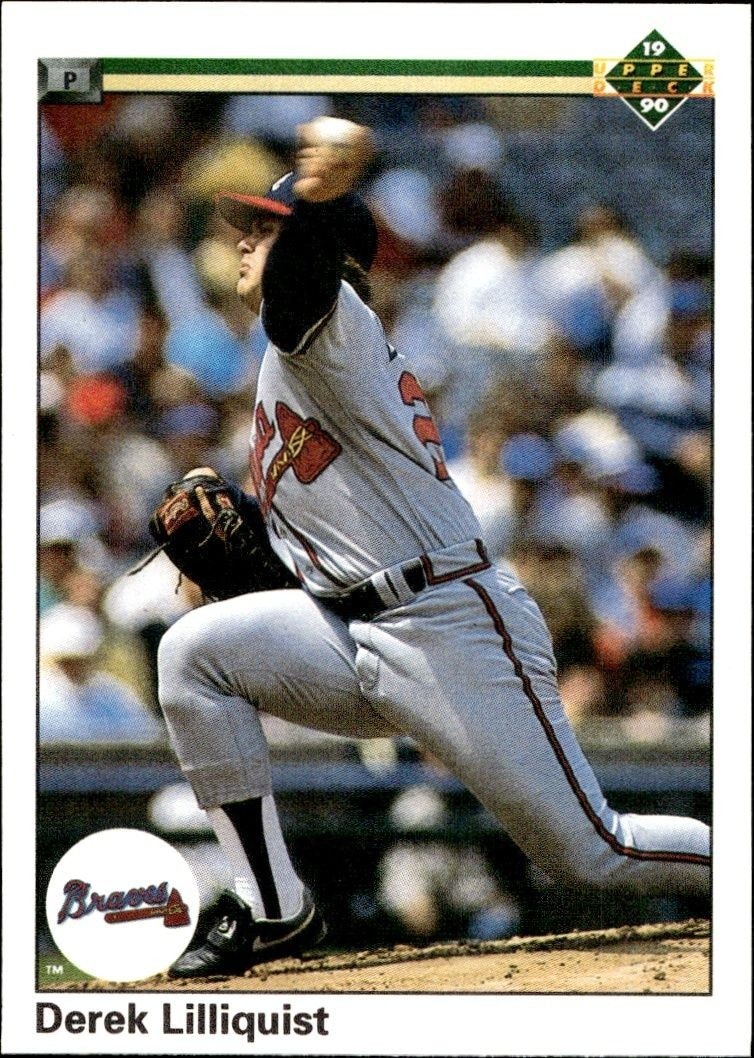
The 1989 Topps Paul Runge #38 baseball card features Atlanta Braves prospect Paul Runge. This catalog entry represents the standard release from the historic 1989 Topps series.
1989 • Topps
Major League Baseball • Atlanta Braves
Excellent
38
New
Shipping Calculated at Checkout
Arrives in 5-7 daysEstimated delivery October 29, 2026 - October 31, 2026
30-day Returns| Condition | Value | Source | Trend | Price Details |
|---|---|---|---|---|
$1.42 | Guide Estimate | -1.4% | ||
$29.99 | Guide Estimate | 0% | ||
$33.00 | Guide Estimate | 0% | ||
$47.00 | Guide Estimate | 0% | ||
$14.00 | Guide Estimate | -36.4% | ||
$36.00 | Guide Estimate | 0% | ||
$22.00 | Guide Estimate | 0% | ||
Raw / Ungraded
PriceCharting Price Guide · Guide Estimate evidence · captured Oct 24, 2026
The 1989 Topps Paul Runge #38 baseball card captures a moment in Atlanta Braves history, featuring the pitcher who made his MLB debut during that season. Issued by Topps, the leading manufacturer of sports trading cards, this release is part of the broader 1989 Topps set, which remains a cornerstone for vintage baseball collectors. The card identifies Runge as a member of the Braves organization, providing a tangible connection to the team's roster during a specific era of Major League Baseball. For collectors focusing on the 1989 Topps base set, this card serves as a key identifier for players who appeared in the majors that year. Paul Runge's inclusion in this series highlights the depth of the Braves' minor league system at the time, offering insight into the talent pipeline that supported the team. Whether you are building a collection of Atlanta Braves cards, focusing on pitchers from the late 1980s, or exploring the complete 1989 Topps chronology, this catalog entry ensures you have the correct product identity. The card represents a piece of sports history, documenting the career path of a player who contributed to the league during a pivotal time. Understanding the context of the 1989 Topps set enhances the appreciation of individual cards like #38. The set's layout and typography are instantly recognizable to hobbyists, creating a nostalgic appeal that transcends generations of collectors. By focusing on the factual details of the release, collectors can accurately sort and catalog their holdings, ensuring that every card, including this Paul Runge entry, is properly identified within their collections. ## Sources - 1989 Topps Baseball Card Set Overview —.topps.com/1989-topps-baseball
3 days ago
We'll pre-fill the product details from this catalog entry, so your listing lands on this exact page. Just add photos of your copy, pick its condition, and set your price.
The catalog profile below summarizes the card identity, featured subject, and notable collectible traits.
The subject, team, league, and sport context tied to this card.
Production details and format-specific attributes.
Material
Card Stock
Language
English
Compare prices, grades, photos, and shipping from approved sellers.
New
Excellent
See how many public collections currently include this card.
0 collectors have this card
This 1989 Topps Paul Runge card represents an entry-level tier within the Braves' historical roster, trading at a modest value relative to franchise icons or rookie sensations. Its pricing reflects the standard baseline for non-star position players from this era, where demand is driven by niche team collectors rather than broad market speculation. The card commands a stable but low premium, suitable for completing base set requirements rather than serving as a primary investment vehicle.
As a standard base card without any noted special attributes, this item carries no serial numbering, short-print status, or parallel variations to artificially constrain supply. It exists as a mass-produced component of the 1989 Topps product, meaning its scarcity is determined solely by natural attrition over time rather than intentional manufacturing limits. Collectors seeking this specific SKU are accessing the most common version of the card, which inherently limits any potential rarity-driven value increase.
The lack of rookie designation or unique parallels suggests limited upside potential, as the card does not benefit from the premium mechanics typically associated with player milestones or set exclusivity. Demand appears anchored to specific Braves memorabilia collectors rather than the broader baseball card market, resulting in a stable but flat growth trajectory. Investors should view this as a low-risk acquisition for set completion rather than a high-growth asset.