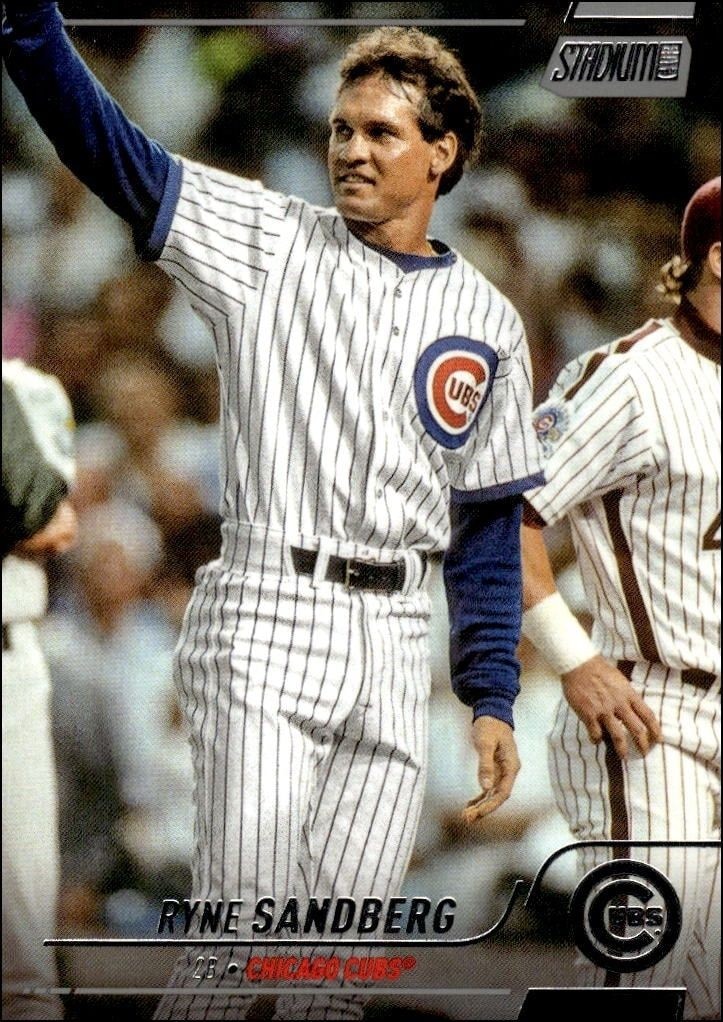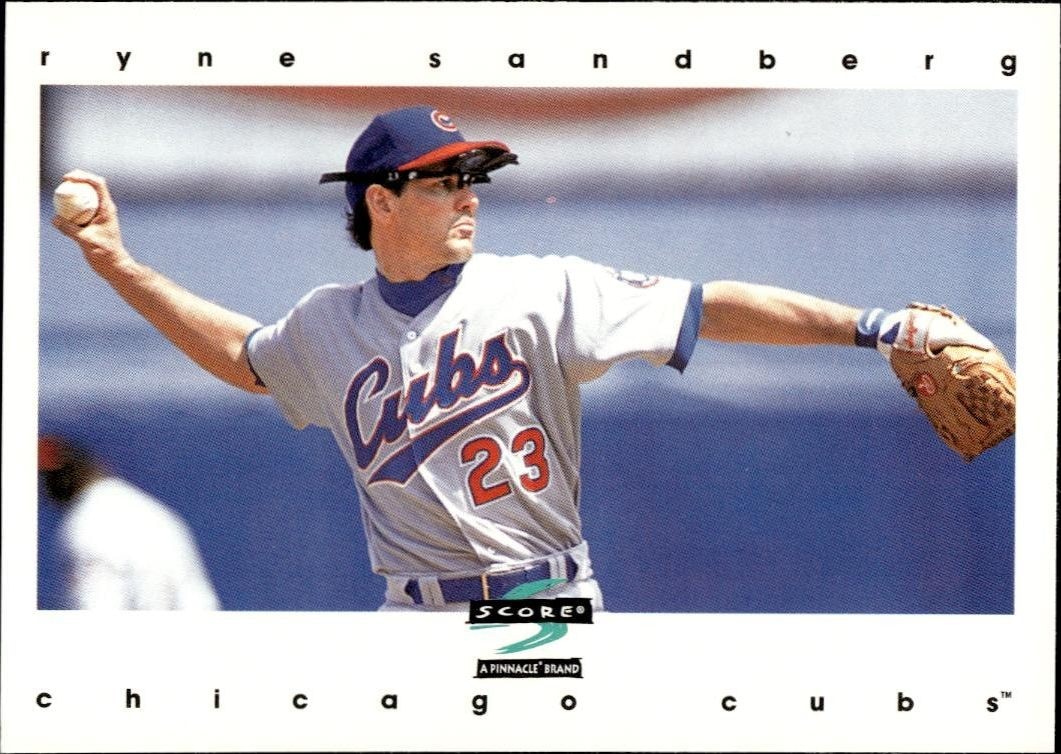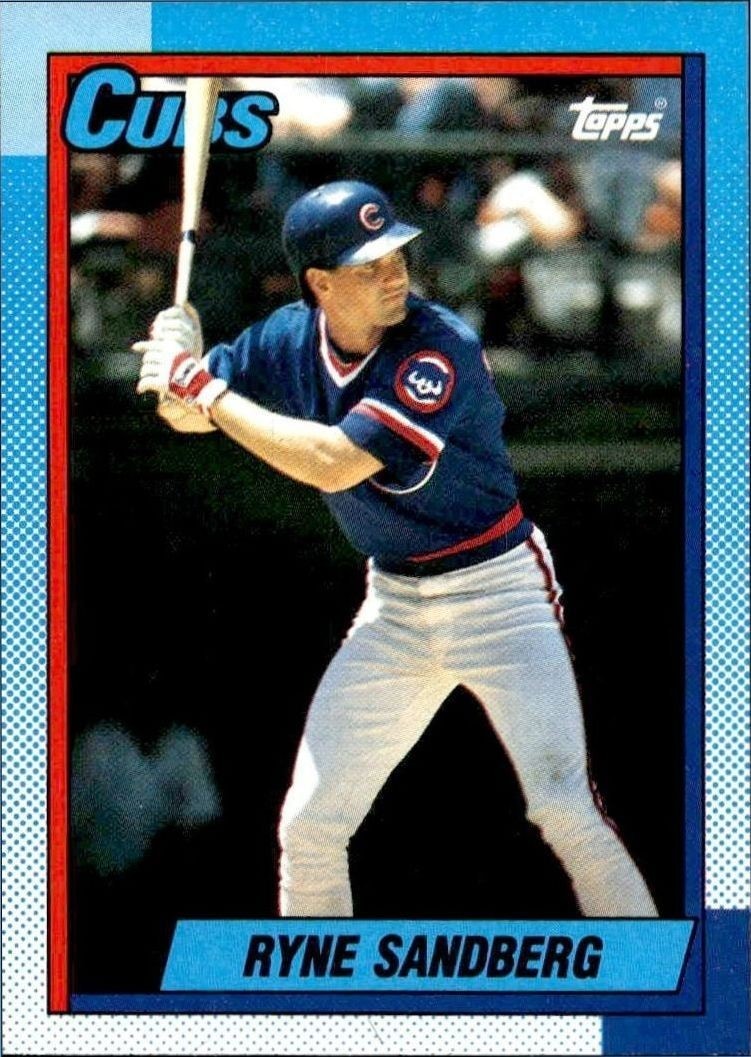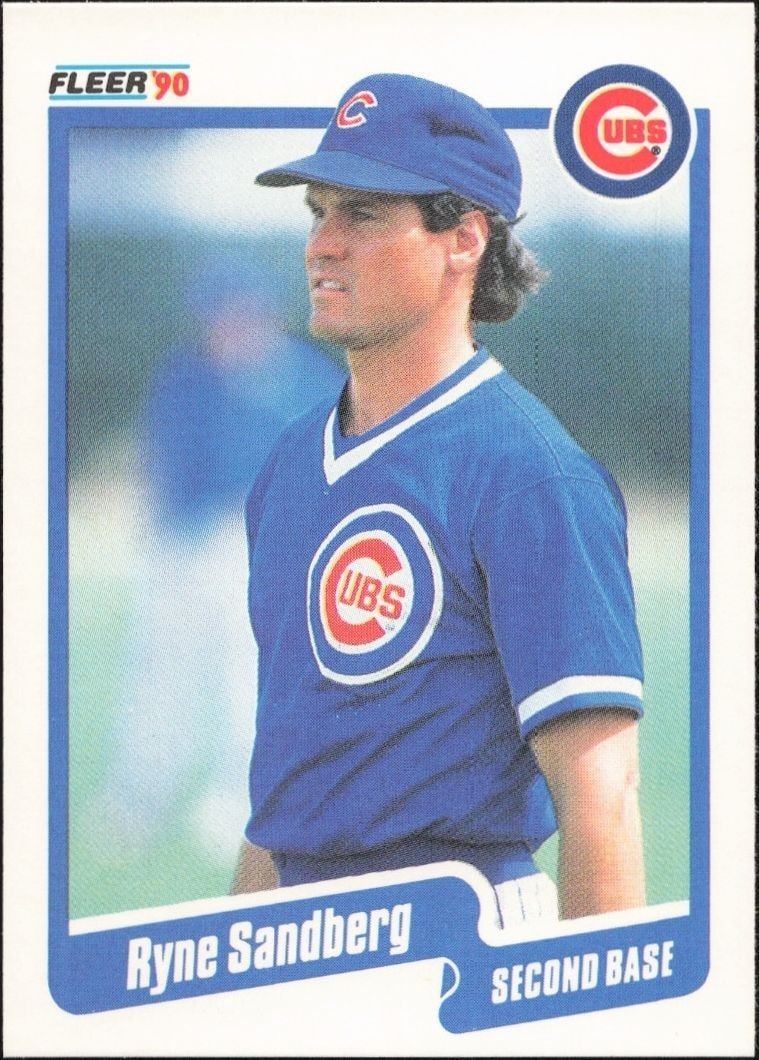


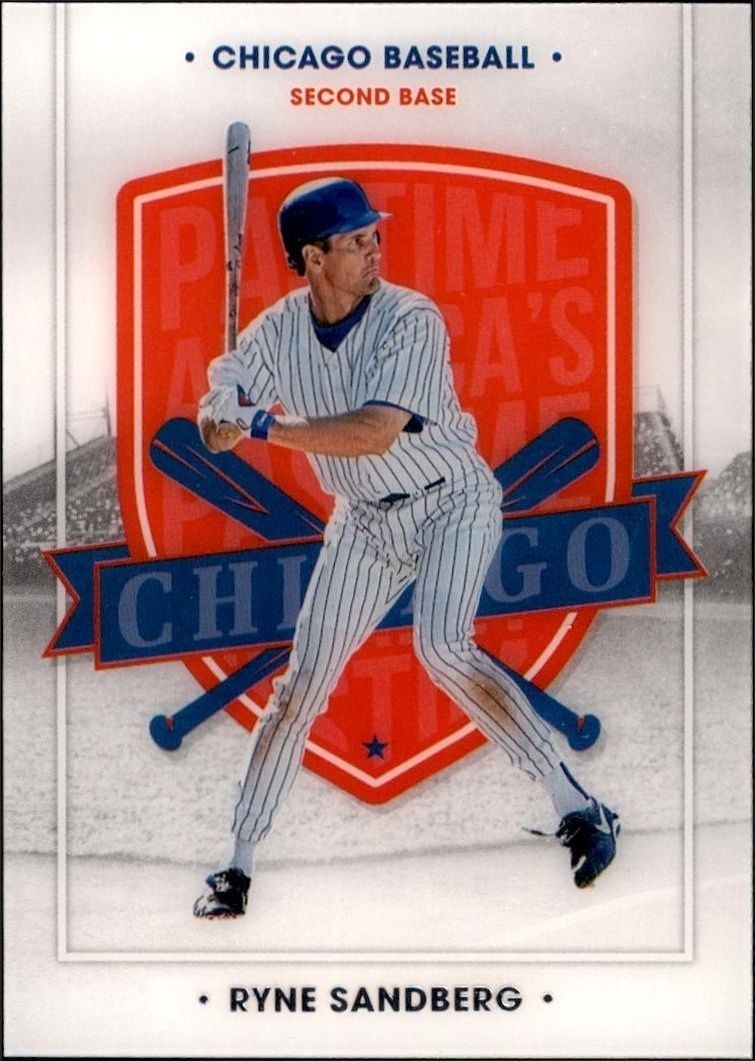
The 1989 Topps Ryne Sandberg #360 is a staple of late-80s baseball card collecting, featuring the Chicago Cubs infielder in the iconic Topps design.
1989 • Topps
Major League Baseball • Chicago Cubs
Excellent
360
New
Shipping Calculated at Checkout
This seller is away until 10/19/2026 — orders are still accepted and ship after they return.30-day Returns| Condition | Value | Source | Trend | Price Details |
|---|---|---|---|---|
$1.35 | Guide Estimate | -6.9% | ||
$1.25 | Completed Sales | +10.6% | ||
$7.16 | Guide Estimate | -1% | ||
$7.25 | Guide Estimate | -30.4% | ||
$21.99 | Guide Estimate | +7.3% | ||
$37.54 | Guide Estimate | -3.8% | ||
$92.00 | Guide Estimate | +1.1% | ||
$42.00 | Guide Estimate | 0% | ||
$70.54 | Guide Estimate | +0.8% | ||
$50.00 | Guide Estimate | 0% | ||
Raw / Ungraded
PriceCharting Price Guide · Guide Estimate evidence · captured Oct 18, 2026
The 1989 Topps Ryne Sandberg #360 captures the essence of late-1980s baseball card design, where the Chicago Cubs infielder was a central figure in the sport's visual landscape. This card number is part of the main set, offering collectors a straightforward entry point into vintage Topps products from that era. The design relies on the classic layout style that defined Topps releases during this period, allowing the subject to take center stage without the complex parallels or insert subsets that characterize later years. For collectors focusing on the Chicago Cubs or Ryne Sandberg specifically, this card serves as a foundational piece of the team's history. It represents a time when baseball card collecting was experiencing significant growth, and Topps maintained its dominance in the market. The #360 slot places it within the standard numbering sequence, making it easy for enthusiasts to track down when completing a full base set. Whether you are looking to fill gaps in a 1989 Topps base set or build a focused collection of Cubs legends, this card provides a tangible connection to that specific season. The product appeals to those who appreciate the straightforward aesthetics of the era, where the focus was on the player and the team rather than elaborate foil treatments or holographic finishes. As with all vintage cards, the appeal lies in its historical context and its role in the broader narrative of baseball card collecting history.
20 hours ago
We'll pre-fill the product details from this catalog entry, so your listing lands on this exact page. Just add photos of your copy, pick its condition, and set your price.
The catalog profile below summarizes the card identity, featured subject, and notable collectible traits.
The subject, team, league, and sport context tied to this card.
Production details and format-specific attributes.
Material
Card Stock
Language
English
Compare prices, grades, photos, and shipping from approved sellers.
New
Excellent
See how many public collections currently include this card.
0 collectors have this card
This 1989 Topps base card represents a foundational entry for Ryne Sandberg, reflecting his status as a Cubs icon despite its ungraded condition. While it sits in an accessible price tier compared to his high-end parallels or rookie issues, it still commands respect among collectors seeking authentic pieces of his prime era. The single active listing suggests a tight market for this specific SKU, potentially allowing for modest value retention among dedicated team collectors.
As a standard base card from a mass-produced major brand set, this item lacks the scarcity mechanisms of serial numbering, short prints, or parallel finishes. Its supply is effectively infinite relative to specialized subsets, meaning it does not benefit from the supply constraints that drive premiums in other categories. Consequently, its value is derived entirely from player significance and set completeness rather than inherent rarity mechanics.
Investment potential is primarily driven by the enduring popularity of the Chicago Cubs franchise and Sandberg's Hall of Fame-caliber legacy, rather than speculative growth in this specific base format. Collectors typically acquire such cards for set completion or as affordable entry points into his collection, ensuring steady but slow demand. Long-term value stability relies on the broader appreciation of 1980s baseball nostalgia rather than unique card attributes.