


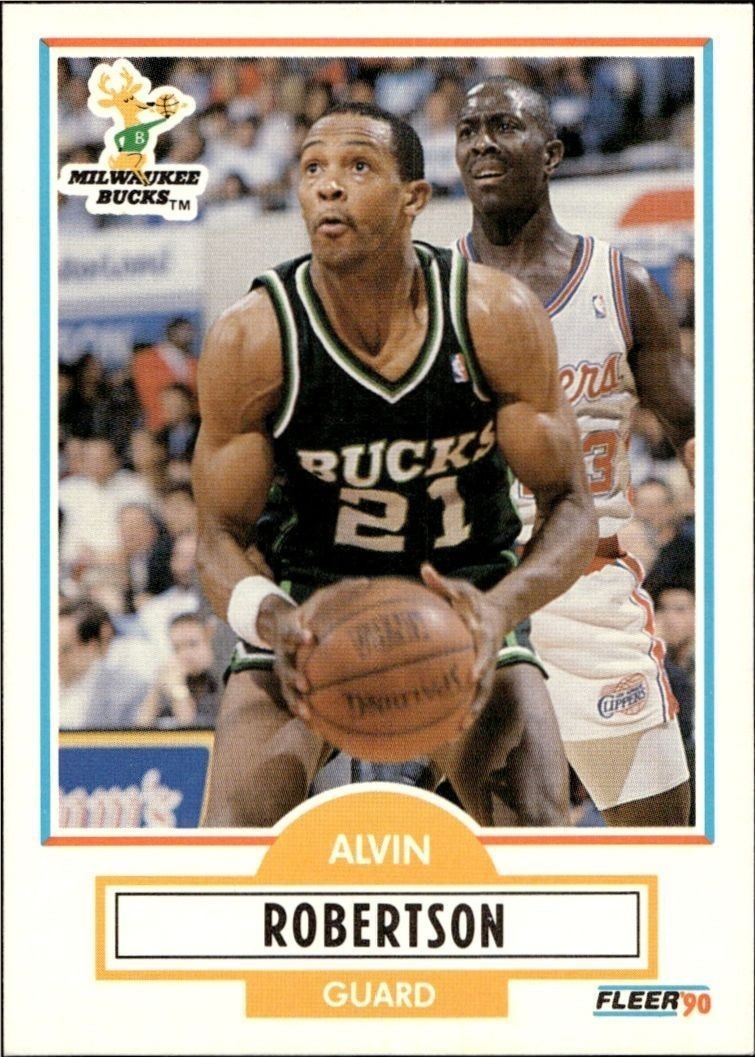
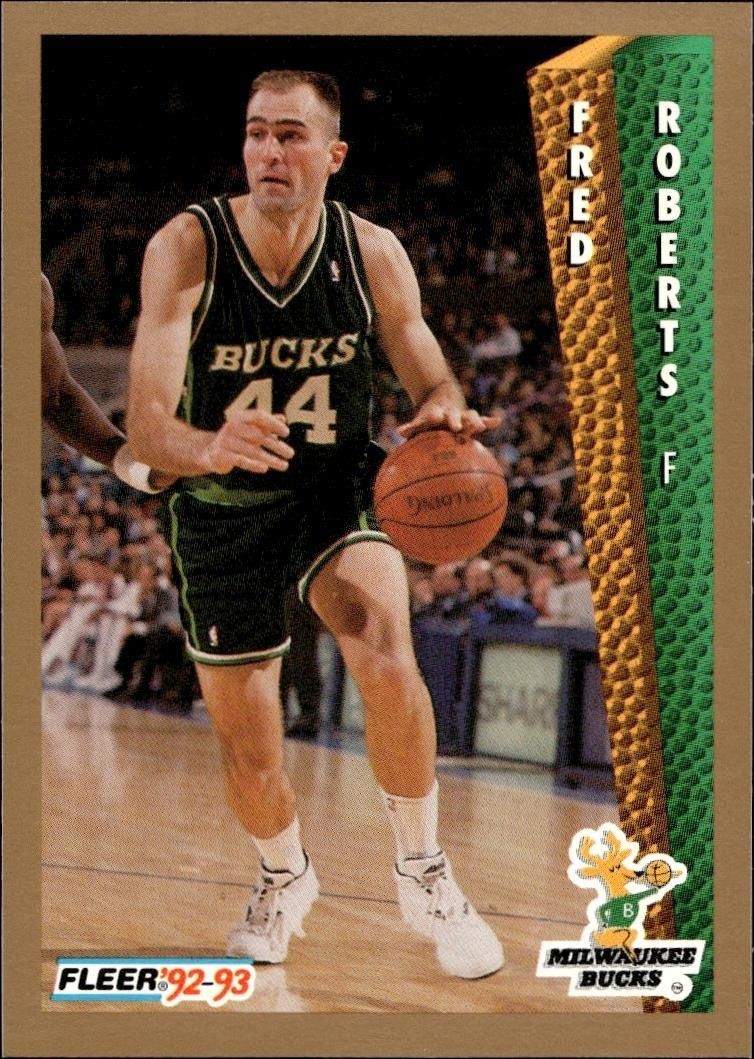


The 1990-91 Fleer Fred Roberts #108 card captures the Milwaukee Bucks guard during his tenure in the NBA, offering a tangible piece of early 1990s basketball history.
1990-91 • Fleer
National Basketball Association • Milwaukee Bucks
Near Mint
108
New
Shipping Calculated at Checkout
Arrives in 6-8 daysEstimated delivery October 23, 2026 - October 25, 2026
Seller returns October 19, 2026.30-day Returns| Condition | Value | Source | Trend | Price Details |
|---|---|---|---|---|
$1.01 | Guide Estimate | -1% | ||
$7.74 | Guide Estimate | -0.9% | ||
$9.00 | Guide Estimate | 0% | ||
$91.00 | Guide Estimate | +51.7% | ||
$42.00 | Guide Estimate | +50% | ||
$69.95 | Guide Estimate | +52.1% | ||
$42.00 | Guide Estimate | +50% | ||
Raw / Ungraded
PriceCharting Price Guide · Guide Estimate evidence · captured Oct 14, 2026
The 1990-91 Fleer Fred Roberts #108 card serves as a distinct artifact from a pivotal era in basketball trading card history. Released during a time when Fleer was re-establishing its presence in the market after the 1986-87 season, this card represents the brand's return to producing high-quality NBA product. Fred Roberts, depicted on card number 108, was a key forward for the Milwaukee Bucks during this period. His inclusion in the base set allows collectors to trace the rosters and player movements of the NBA in the late 80s and early 90s. The card itself is a standard sports trading card, manufactured by Fleer, and is part of the broader category of basketball collectibles that document the league's expansion and style of play. Collecting this card often appeals to fans of the Milwaukee Bucks or those focused on completing base sets from the Fleer brand. The 1990-91 release is notable for being one of the first major sets produced by Fleer in the modern era, setting the stage for the brand's future dominance in the hobby. As a catalog item, it stands as a reliable component for builders looking to round out their collection of vintage NBA cards. Whether you are a dedicated fan of Fred Roberts or a historian of basketball card manufacturing, this card provides a direct link to the sport's visual culture of the time. By focusing on the identity and history of the card, collectors can appreciate the value of preserving these pieces of sports history. The card remains a relevant item for those interested in the evolution of basketball memorabilia and the specific contributions of players who defined the game during the early 1990s.
1 day ago
We'll pre-fill the product details from this catalog entry, so your listing lands on this exact page. Just add photos of your copy, pick its condition, and set your price.
The catalog profile below summarizes the card identity, featured subject, and notable collectible traits.
The subject, team, league, and sport context tied to this card.
Production details and format-specific attributes.
Material
Card Stock
Language
English
Compare prices, grades, photos, and shipping from approved sellers.
New
Near Mint
See how many public collections currently include this card.
0 collectors have this card
This card occupies the lowest tier of market value, reflecting its status as a common base card from the 1990-91 Fleer set without any special attributes. While Fred Roberts holds significance as a notable player for the Milwaukee Bucks during this era, the lack of grading or parallel status keeps its price firmly in the entry-level range. It trades significantly below any premium parallels or rookie variations that might exist within the same product line.
The item is identified as a standard base card with no special attributes such as serial numbering, short printing, or parallel finishes. This designation implies an unlimited or very high print run relative to the specialized subsets in the set, resulting in abundant supply on the secondary market. The absence of unique scarcity mechanics means the card does not command a rarity premium beyond its condition and player demand.
As a non-rookie, common base card, this item lacks the primary demand drivers typically associated with significant long-term appreciation. Collector interest is likely limited to those completing base set requirements rather than seeking standalone investment value. The outlook remains stable but modest, driven by the low barrier to entry rather than scarcity or elite player status.