



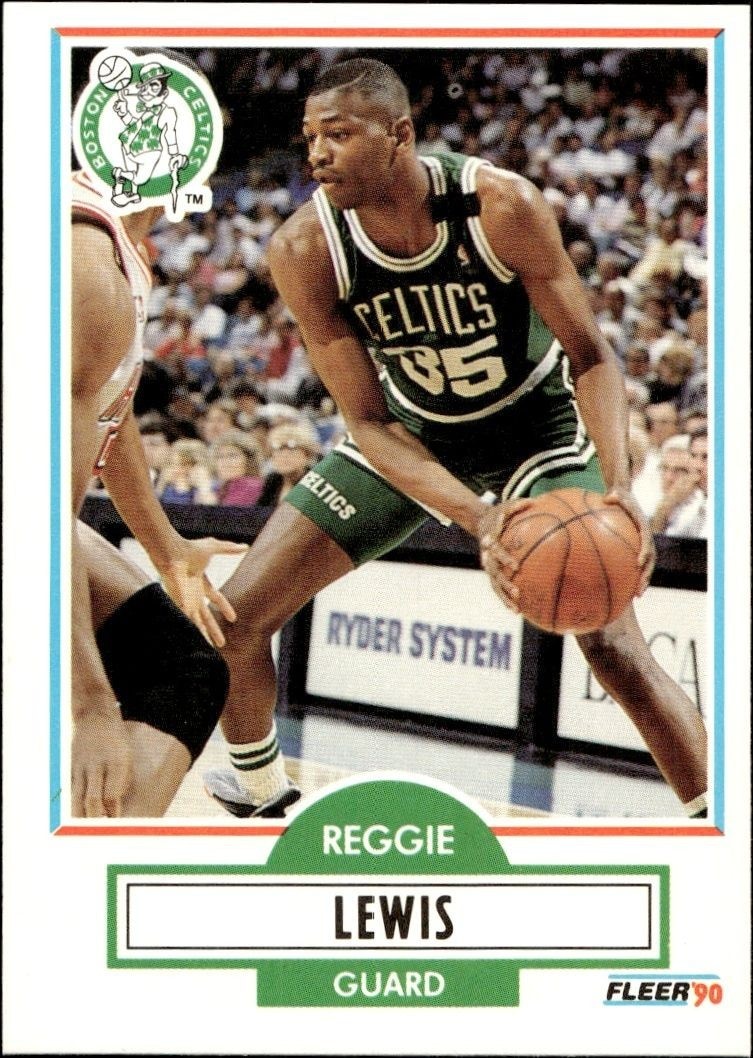


The 1990-91 Fleer John Battle #1 basketball card is the inaugural issue from Fleer's first foray into NBA trading cards, featuring the Atlanta Hawks guard.
1990-91 • Fleer
National Basketball Association • Atlanta Hawks
Excellent
1
New
Shipping Calculated at Checkout
Arrives in 5-7 daysEstimated delivery October 23, 2026 - October 25, 2026
Seller returns October 19, 2026.30-day Returns| Condition | Value | Source | Trend | Price Details |
|---|---|---|---|---|
$1.79 | Guide Estimate | +40.9% | ||
$2.00 | Guide Estimate | 0% | ||
$2.84 | Guide Estimate | +6% | ||
$5.50 | Guide Estimate | 0% | ||
$38.00 | Guide Estimate | 0% | ||
$17.00 | Guide Estimate | 0% | ||
$29.00 | Guide Estimate | 0% | ||
$17.00 | Guide Estimate | 0% | ||
Raw / Ungraded
PriceCharting Price Guide · Guide Estimate evidence · captured Oct 8, 2026
The 1990-91 Fleer John Battle #1 basketball card marks a pivotal moment in sports card history as the first entry in Fleer's inaugural NBA set. Released in 1990, this release signaled Fleer's entry into the professional basketball market, ending Topps' long-standing exclusive license for NBA cards. For collectors, this card is significant not just for its number, but for its place in the brand's legacy within the hobby. John Battle, a guard for the Atlanta Hawks, is featured on this card. While Battle was a solid contributor in the NBA during the early 1990s, this card is often sought after by set builders looking to complete the base Fleer set. As the opening card of the set, John Battle #1 holds a specific appeal for those who appreciate the historical context of NBA card production during this era. Collecting this card allows enthusiasts to engage with a foundational product from one of the hobby's most respected manufacturers. Whether you are a dedicated Atlanta Hawks fan, a Fleer set builder, or a collector of 1990s basketball memorabilia, this card represents a tangible piece of that specific time in sports card development. It serves as a gateway to understanding the evolution of NBA card design and the competitive landscape that followed Fleer's debut. For those focused on long-term collecting strategies, products from this era continue to hold a steady place in the market for vintage sports cards.
17 hours ago
We'll pre-fill the product details from this catalog entry, so your listing lands on this exact page. Just add photos of your copy, pick its condition, and set your price.
The catalog profile below summarizes the card identity, featured subject, and notable collectible traits.
The subject, team, league, and sport context tied to this card.
Production details and format-specific attributes.
Material
Card Stock
Language
English
Compare prices, grades, photos, and shipping from approved sellers.
New
Excellent
See how many public collections currently include this card.
0 collectors have this card
This 1990-91 Fleer card of John Battle sits at a modest entry point within the broader NBA hobby market, reflecting his role as a rotational player rather than a franchise cornerstone. The current pricing indicates a stable but low-tier valuation compared to star-level counterparts from the same era. With limited active listings, the card trades in a niche segment where casual collectors target affordable vintage pieces.
As a standard base card within the Fleer set, this item lacks special parallel treatments, serial numbering, or short-print designations that typically constrain supply. The absence of unique scarcity mechanics means it shares its supply pool with thousands of identical base cards produced during the 1990-91 print run. Consequently, it relies on general set completion demand rather than exclusive scarcity to drive its value.
Investment potential is driven by the nostalgic appeal of early 1990s basketball rather than significant appreciation mechanics. While rookie-card premiums are absent for Battle, the card serves as an accessible entry point for collectors building out Atlanta Hawks or Fleer base sets. Long-term value stability depends on the sustained interest in vintage NBA cards, though it lacks the explosive growth drivers seen in high-tier parallels or graded examples.
