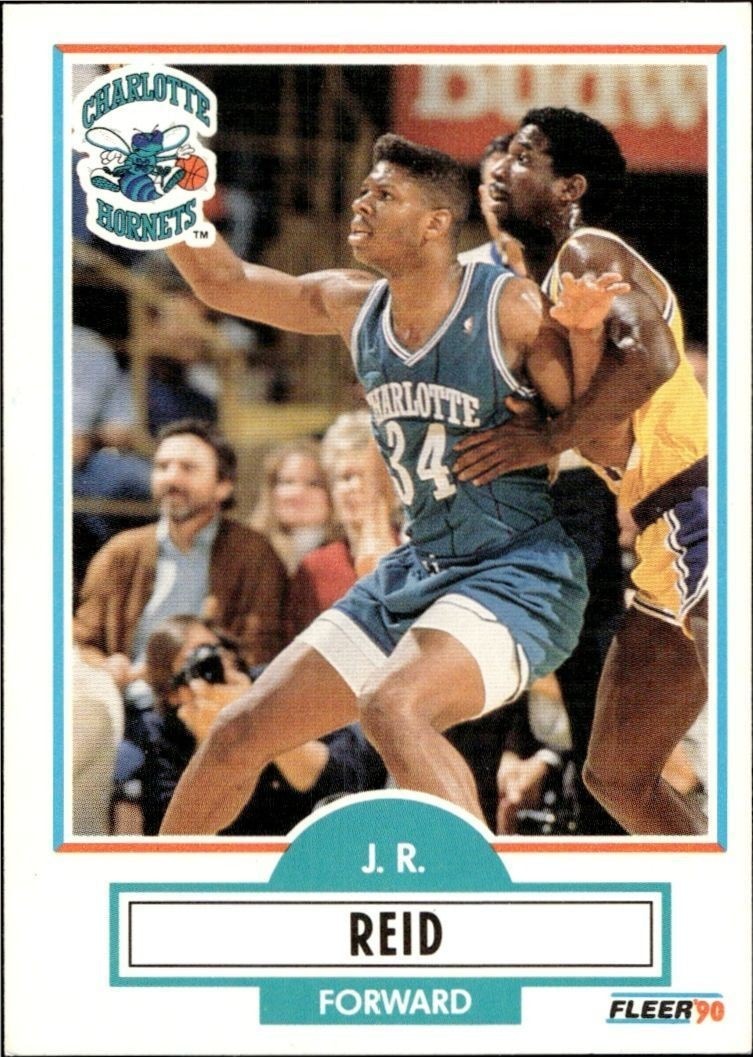



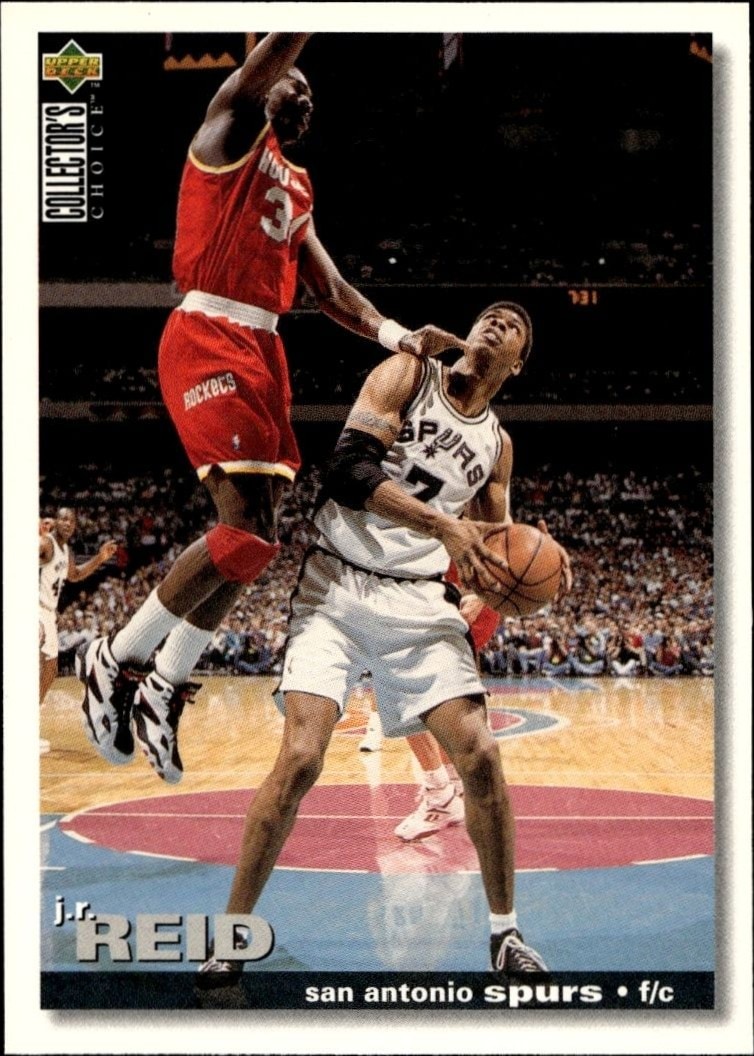

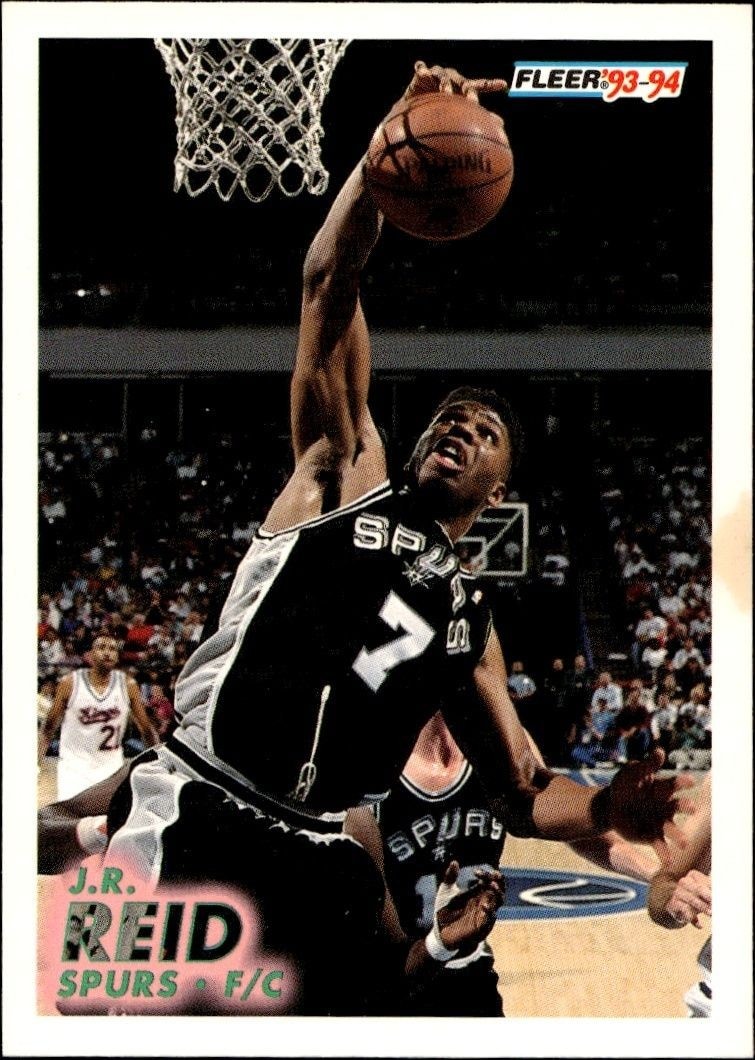
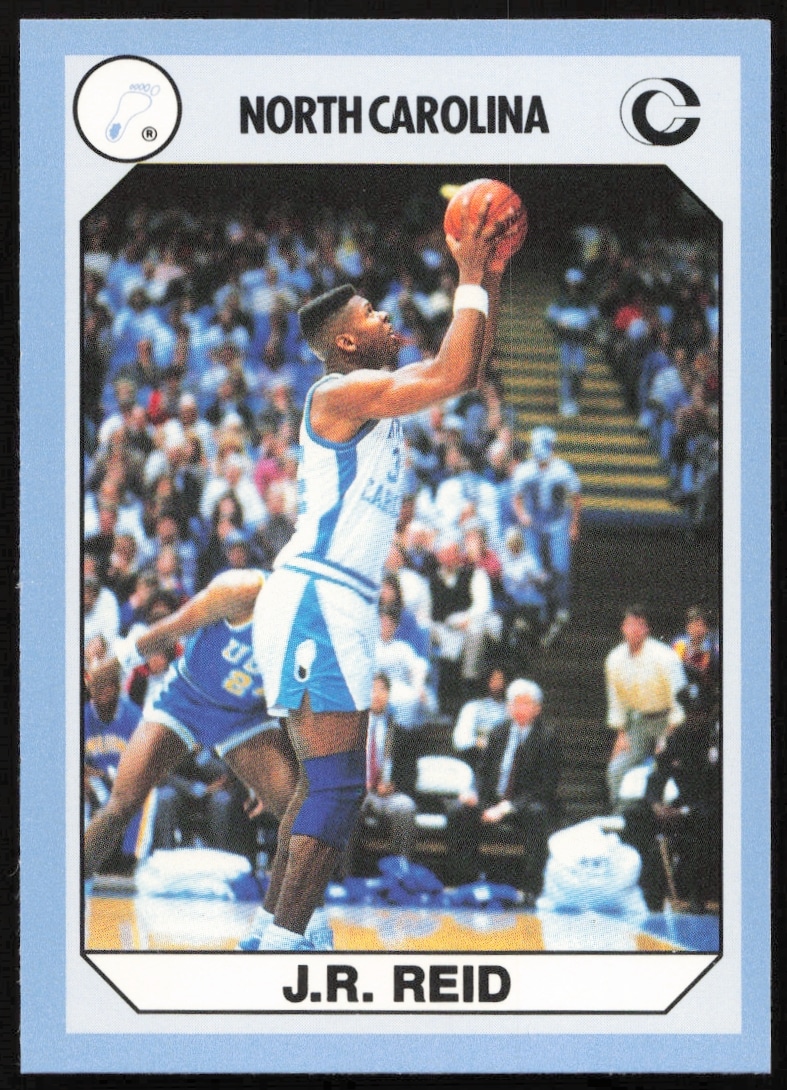
Explore the 1990-91 Skybox Jr. Reid #32 basketball card, featuring the Charlotte Hornets guard from Skybox's landmark 1990s release.
1990-91 • Skybox
National Basketball Association • Charlotte Hornets
Near Mint
32
New
Shipping Calculated at Checkout
Arrives in 5-7 daysEstimated delivery October 23, 2026 - October 25, 2026
Seller returns October 19, 2026.30-day Returns| Condition | Value | Source | Trend | Price Details |
|---|---|---|---|---|
$1.25 | Asking Prices | 0% | ||
$3.00 | Guide Estimate | 0% | ||
$6.05 | Guide Estimate | 0% | ||
$21.99 | Guide Estimate | 0% | ||
$38.99 | Guide Estimate | 0% | ||
$81.00 | Guide Estimate | +5.2% | ||
$37.00 | Guide Estimate | +2.8% | ||
$62.28 | Guide Estimate | +4.8% | ||
$37.00 | Guide Estimate | +2.8% | ||
Raw / Ungraded
eBay Active Listings · Asking Prices evidence · captured Oct 6, 2026
Within this catalog, the Jr. Reid #32 card represents a specific entry from that foundational year, offering collectors a tangible connection to the NBA's landscape during this pivotal era. For enthusiasts of Charlotte Hornets history, this card documents Jr. Reid's tenure with the franchise, serving as a primary reference point for those tracking player rosters from the team's early years. Skybox's approach to card design during this period emphasized bold imagery and a distinct aesthetic that set it apart from competitors. The #32 card features Jr. Reid, providing a clear identification point for collectors navigating the 1990-91 Skybox base set. As part of the broader NBA catalog, this product appeals to those who appreciate the evolution of trading card production and the specific players who contributed to the league's growth in the late 1980s and early 1990s. Collecting cards from the 1990-91 Skybox series often involves building a complete set or focusing on specific teams and players. The Jr. Reid #32 card fits into this context as a standard base card, making it accessible for collectors looking to fill gaps in their Hornet's collections or expand their portfolio of 1990s basketball memorabilia. Whether you are a longtime fan of the era or a newcomer to vintage sports cards, this release offers a window into the design trends and player rosters that defined professional basketball at the time. By focusing on the catalog identity and historical context, collectors can make informed decisions about adding this card to their collection. The enduring appeal of Skybox cards lies in their recognizable design and the nostalgia they evoke for fans of the sport, making entries like #32 relevant to both set builders and individual player collectors.
22 hours ago
We'll pre-fill the product details from this catalog entry, so your listing lands on this exact page. Just add photos of your copy, pick its condition, and set your price.
The catalog profile below summarizes the card identity, featured subject, and notable collectible traits.
The subject, team, league, and sport context tied to this card.
Production details and format-specific attributes.
Material
Card Stock
Language
English
Compare prices, grades, photos, and shipping from approved sellers.
New
Near Mint
See how many public collections currently include this card.
0 collectors have this card
This 1990-91 Skybox card of Jr. Reid sits in the lower tier of the broader set, reflecting its status as a non-premium entry for a player who was not a primary star. The current pricing indicates a baseline market value with minimal condition premiums, as no specific grading or special attribute markers are present to elevate its worth. It trades at a modest level relative to the team's more prominent figures from that inaugural season.
The card lacks any scarcity-enhancing attributes such as serial numbering, short-print status, or parallel variations, placing it firmly in the base product category. This absence of limited edition mechanics means the supply is determined solely by standard print runs, which were relatively high for mass-market basketball cards of this era. Consequently, the card does not benefit from the supply constraints that typically drive higher valuations in the secondary market.
As a non-rookie card for a player who did not achieve long-term stardom, the investment potential is limited by a lack of sustained collector demand. The card's value is likely to remain stable but stagnant, driven primarily by niche team collectors rather than broad market interest. Without rookie status or special parallels, it serves better as a complement to a complete set than as a standalone growth asset.