





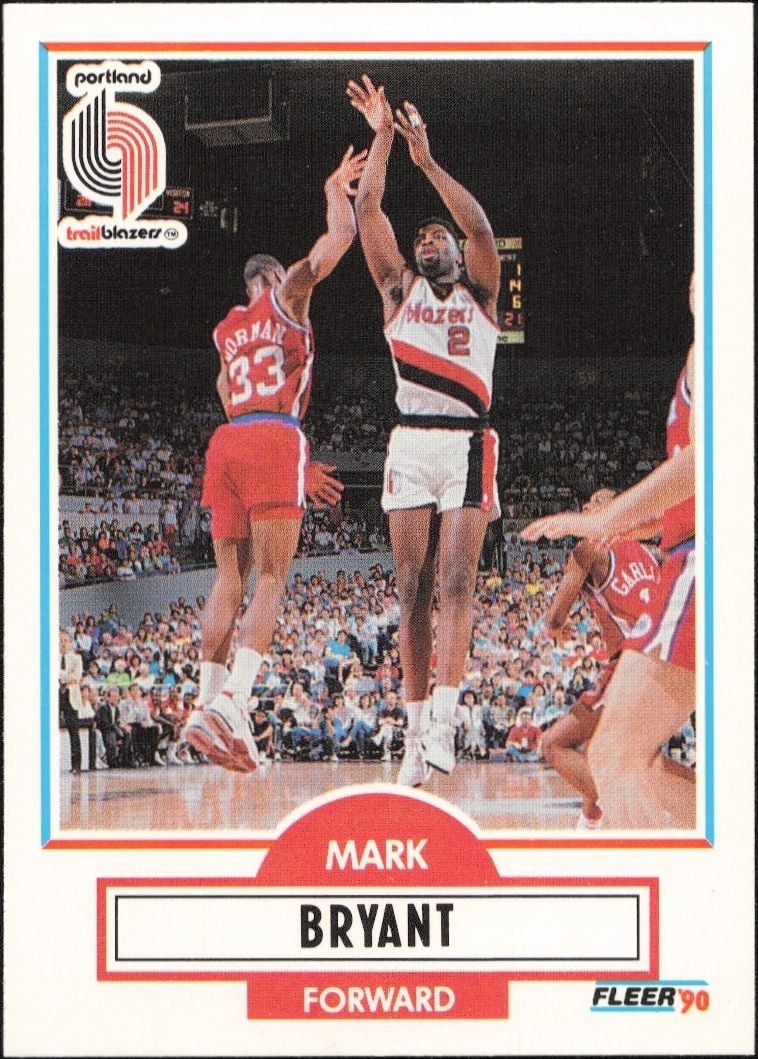

The 1990-91 SkyBox Mark Bryant #231 basketball trading card features the Portland Trail Blazers player in a classic vintage design.
1990-91 • Skybox
National Basketball Association • Portland Trail Blazers
Excellent
231
New
Shipping Calculated at Checkout
Arrives in 4-6 daysEstimated delivery October 23, 2026 - October 25, 2026
Seller returns October 19, 2026.30-day Returns| Condition | Value | Source | Trend | Price Details |
|---|---|---|---|---|
$1.13As of 9/27/2026 | Guide Estimate | |||
Raw / Ungraded
PriceCharting Price Guide · Guide Estimate evidence · captured Sep 27, 2026
History is building. At least two days of matching observations are needed to show a trend.
Each point is the last stored observation that day for this printing, condition, grader, autograph status and source. Gaps mean no observation; guide estimates and asking prices are not completed sales.The 1990-91 SkyBox Mark Bryant #231 basketball trading card represents a specific era of NBA collectibles where graphic design began to evolve rapidly. For collectors focused on the Portland Trail Blazers, Mark Bryant holds a distinct place in the team's roster history during this period, making this card a relevant addition for those tracking player rosters from that time. SkyBox cards from the 1990-91 season are known for their bold aesthetic choices and high-contrast imagery. The #231 designation places it within the broader set structure, offering a tangible connection to the players who wore the Blazers uniform during the early 90s. While the card does not feature an autograph or memorabilia swatch, its value lies in its historical context and its role as a foundational piece for vintage basketball collections. Collectors often seek out SkyBox releases for their nostalgic appeal and the way they capture the style of the decade. This card serves as a reference point for understanding the market for Portland Trail Blazers items from the 1990-91 season. Whether you are building a team-specific collection or focusing on the SkyBox brand, this card offers a direct link to the past. It is a solid choice for investors and hobbyists alike who appreciate the depth of vintage sports card history. The card's design reflects the era's transition in how athletes were portrayed, moving away from traditional poses toward more dynamic compositions. As such, it remains a recognizable item for anyone familiar with the SkyBox line of the early 90s.
1 day ago
We'll pre-fill the product details from this catalog entry, so your listing lands on this exact page. Just add photos of your copy, pick its condition, and set your price.
The catalog profile below summarizes the card identity, featured subject, and notable collectible traits.
The subject, team, league, and sport context tied to this card.
Production details and format-specific attributes.
Material
Card Stock
Language
English
Compare prices, grades, photos, and shipping from approved sellers.
New
Excellent
See how many public collections currently include this card.
0 collectors have this card
This base card represents the entry-level tier for Mark Bryant memorabilia, reflecting his status as a role player rather than a franchise cornerstone within the Portland Trail Blazers history. The pricing indicates a stable but modest valuation typical for non-premium issues from the early 1990s era, where market demand is driven primarily by nostalgia rather than elite performance metrics. Condition sensitivity is likely minimal given the low price point, making it accessible for bulk acquisitions.
As a standard base card without noted parallels, serial numbering, or short-print designations, this item suffers from an unrestricted supply chain typical of mass-produced hobby products from the Skybox brand. The lack of unique scarcity mechanics means that availability is determined solely by the volume of identical cards remaining in circulation rather than intentional production limits. Consequently, there is no inherent supply constraint to drive scarcity-based value appreciation.
The 1990-91 Skybox set holds historical significance as part of the pre-Basketball Cards boom era, yet this specific base iteration lacks the rookie-card premium or high-end parallel features that typically attract serious investors. Demand is likely restricted to casual collectors or those completing base set fills, limiting long-term appreciation potential compared to parallel versions or higher-tier inserts. It serves best as a cost-effective component for set building rather than a standalone appreciating asset.
