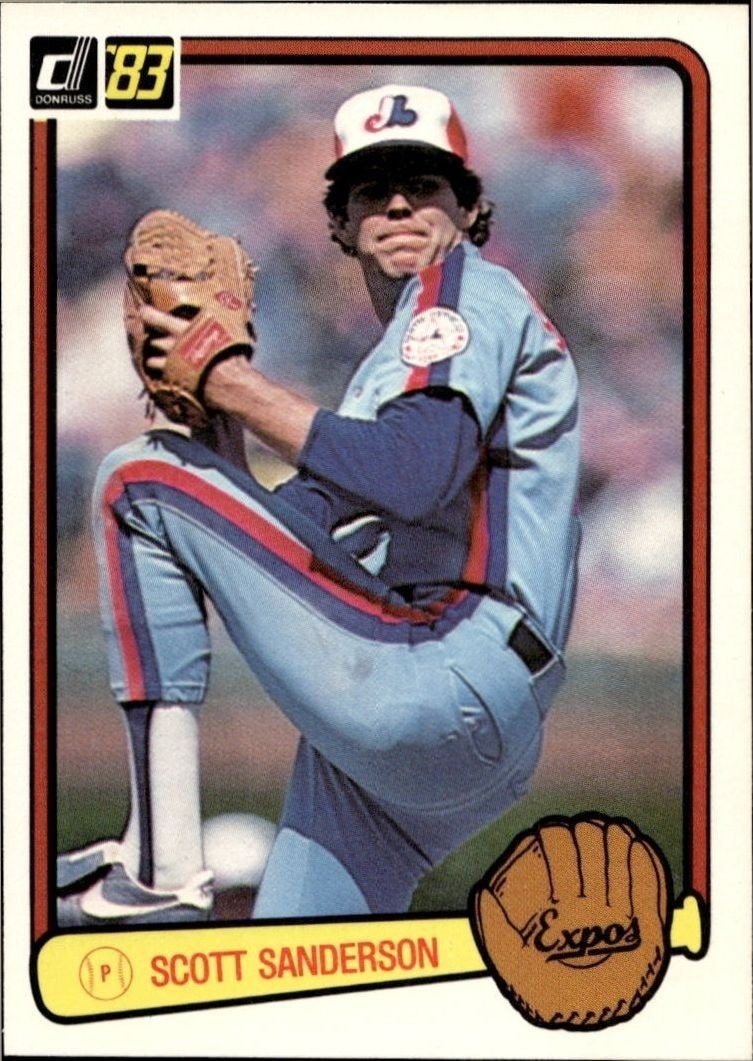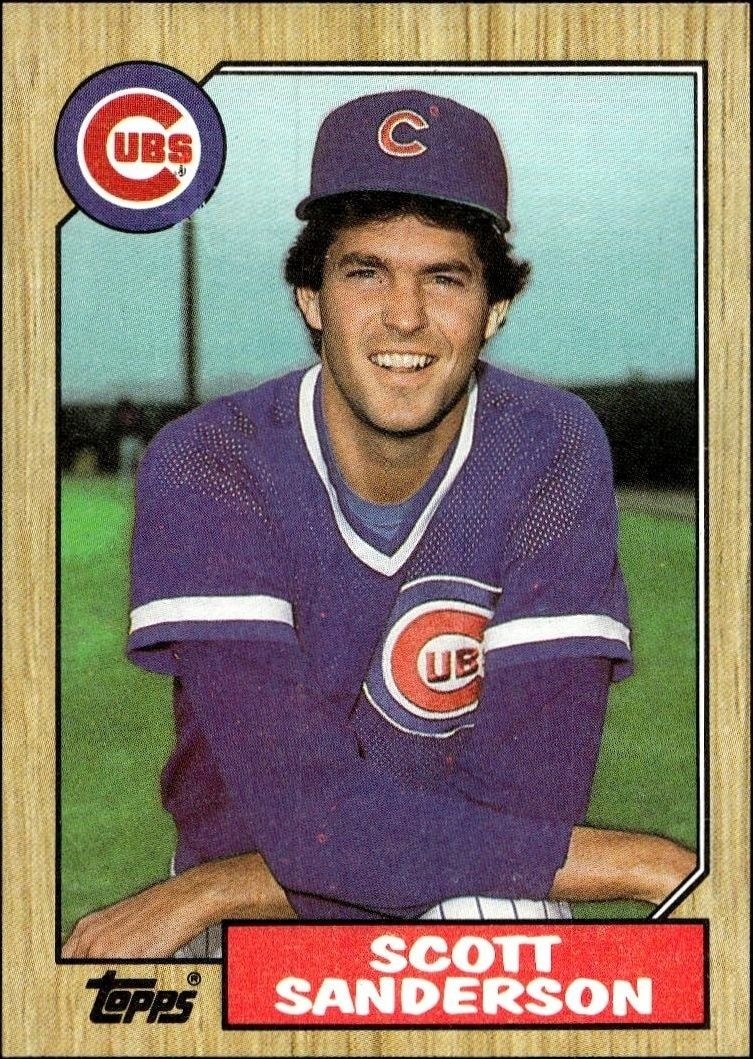
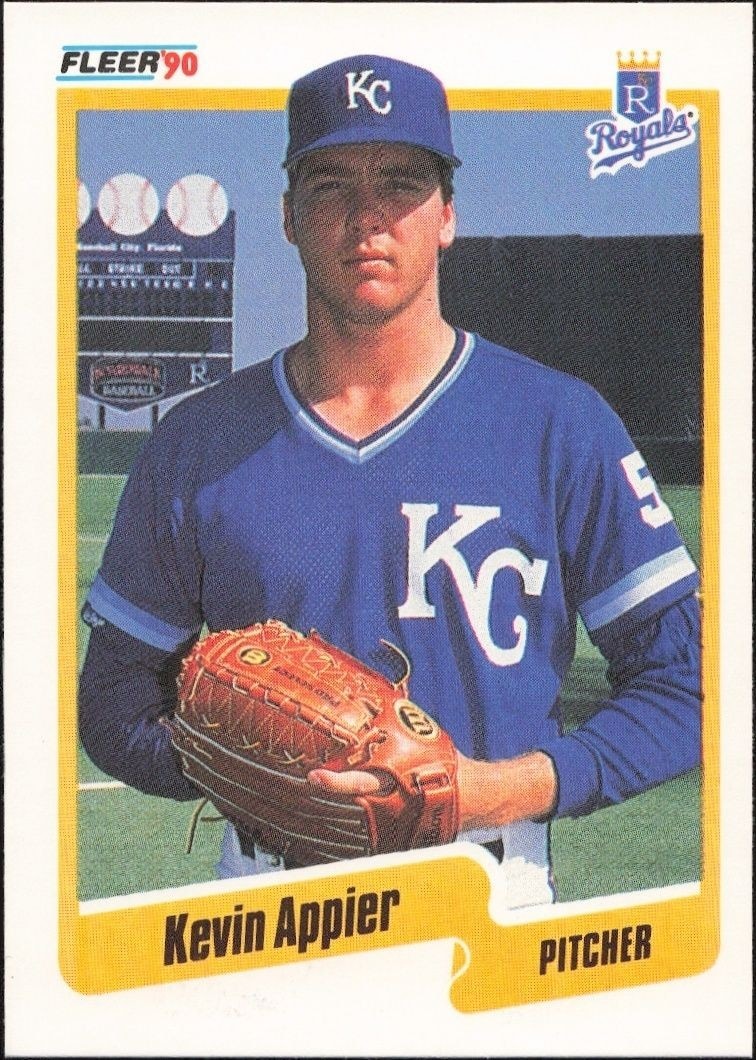

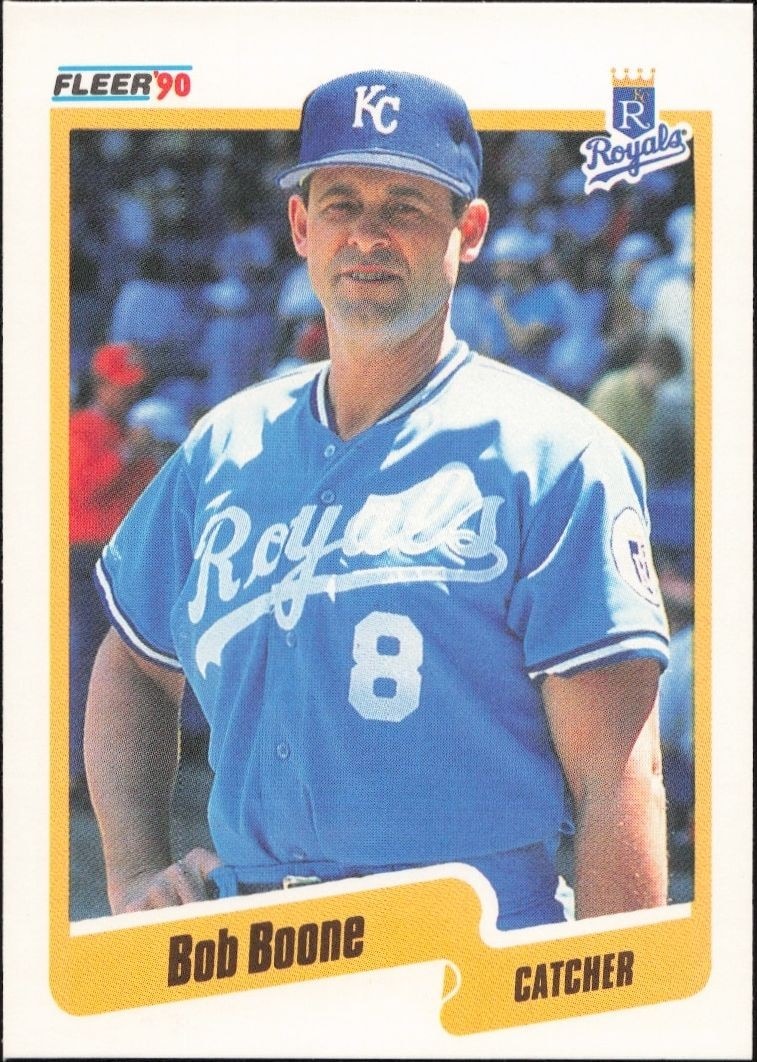
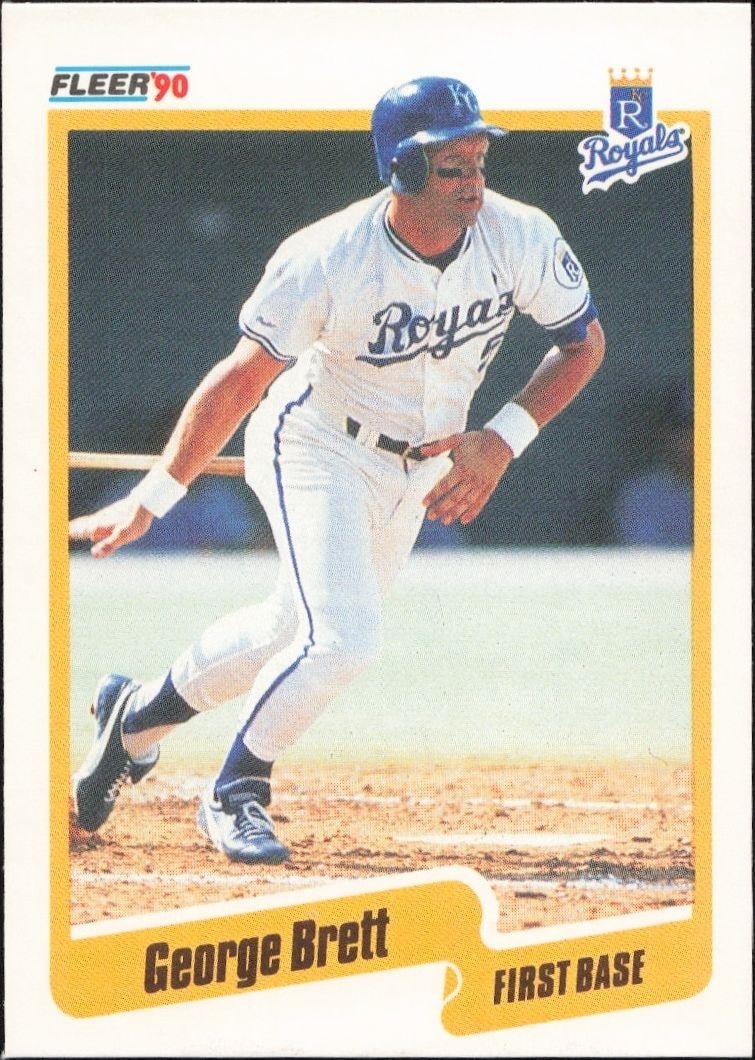
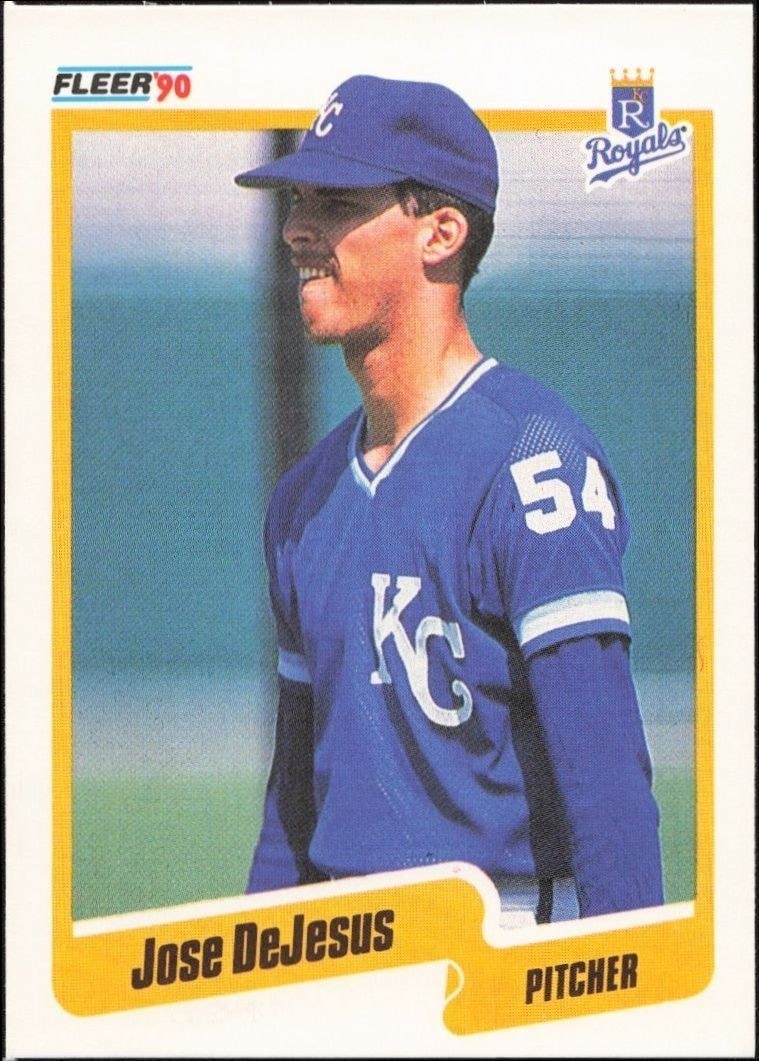


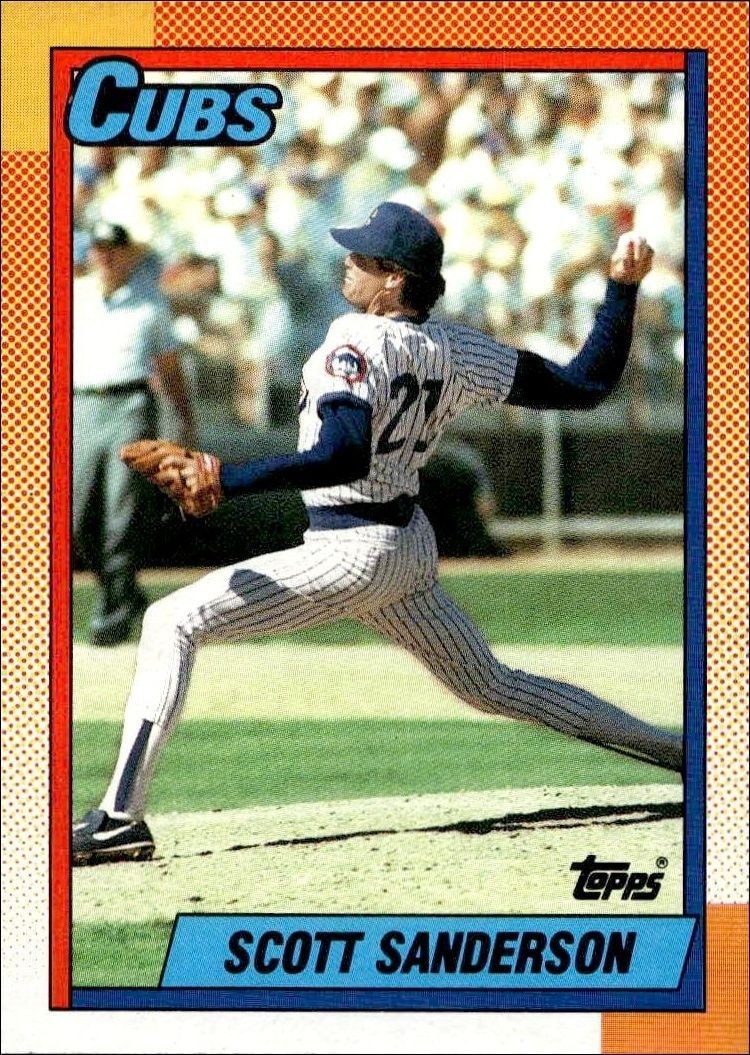


The 1990 Fleer Scott Sanderson #41 baseball card captures the Chicago Cubs pitcher during the classic Fleer era. This card is a staple for vintage baseball collectors.
1990 • Fleer
Major League Baseball • Chicago Cubs
Near Mint
41
New
Shipping Calculated at Checkout
Arrives in 5-7 daysEstimated delivery October 23, 2026 - October 25, 2026
Seller returns October 19, 2026.30-day Returns| Condition | Value | Source | Trend | Price Details |
|---|---|---|---|---|
$0.10 | Guide Estimate | 0% | ||
Raw / Ungraded
PriceCharting Price Guide · Guide Estimate evidence · captured Oct 7, 2026
The 1990 Fleer Scott Sanderson #41 baseball card stands as a definitive artifact from one of the most recognizable eras in trading card history. Released by Fleer, this card features Scott Sanderson in his Chicago Cubs uniform, marking a specific point in the team's roster during the early 1990s. For collectors focused on vintage baseball, this card represents the distinct aesthetic and production style that defined Fleer's output during that period. Scott Sanderson, a right-handed pitcher, wore the number 41 on this card, which is part of the base set numbered 41. The 1990 Fleer set is widely regarded by enthusiasts for its clean design and straightforward presentation of players. This card allows collectors to own a piece of Cubs history from a time when Sanderson was an active contributor to the rotation. The card's simplicity and directness are characteristic of the brand's approach at the time, focusing on the player and their team affiliation without excessive graphical embellishment. Collecting vintage sports cards often involves seeking out specific years and brands that define the hobby's evolution. The 1990 Fleer release is a popular target for those building comprehensive collections of Cubs players or 1990s baseball memorabilia. Owning the Scott Sanderson #41 card provides a tangible connection to the sport's past, allowing enthusiasts to appreciate the design trends and player rosters of the early nineties. This card serves as a foundational piece for anyone interested in the history of the Chicago Cubs or the Fleer brand's impact on the baseball card market. Whether you are completing a team set or adding to a personal collection of vintage pitchers, this card offers a reliable and historically significant addition to your inventory.
11 hours ago
We'll pre-fill the product details from this catalog entry, so your listing lands on this exact page. Just add photos of your copy, pick its condition, and set your price.
The catalog profile below summarizes the card identity, featured subject, and notable collectible traits.
The subject, team, league, and sport context tied to this card.
Production details and format-specific attributes.
Material
Card Stock
Language
English
Compare prices, grades, photos, and shipping from approved sellers.
New
Near Mint
See how many public collections currently include this card.
0 collectors have this card
This 1990 Fleer card sits at a modest entry point within Scott Sanderson's collectible portfolio, reflecting its status as a standard base card from a mass-produced era. The current pricing indicates a stable but low-tier valuation, typical for players who were not primary franchise faces during that specific season. It offers an accessible alternative to higher-grade or parallel versions of the same player, appealing to budget-conscious set builders rather than speculative investors seeking significant appreciation.
The item lacks any scarcity-enhancing attributes such as serial numbering, short-print designation, or unique one-of-one status, placing it firmly in the general population category. As a standard base card from a high-volume production run, its supply is effectively uncapped relative to collector demand. This lack of exclusive features means the card does not benefit from the supply constraints that typically drive premiums in vintage baseball markets.
As a non-rookie card from a mainstream 1990s set, the investment potential is limited by the abundant availability of identical copies in the secondary market. Collector demand is likely driven primarily by nostalgia for the Chicago Cubs or specific set completion needs rather than intrinsic scarcity or career milestones. Without parallel variations or rookie status to differentiate it, the card is best suited for personal collection enhancement rather than as a standalone financial asset.