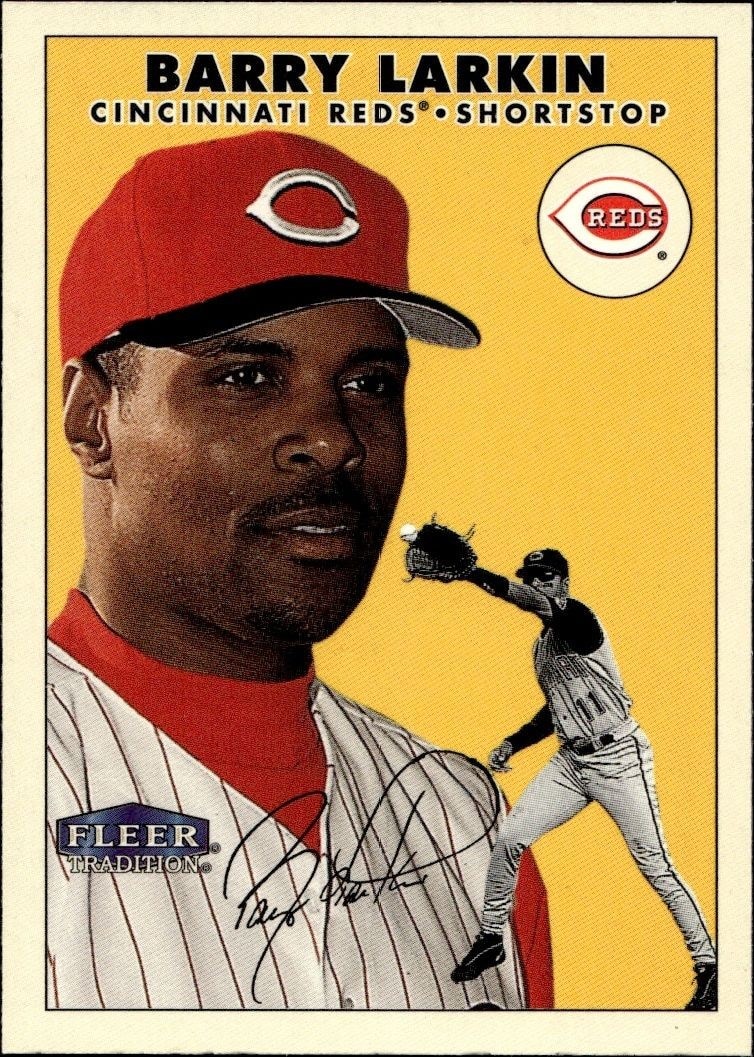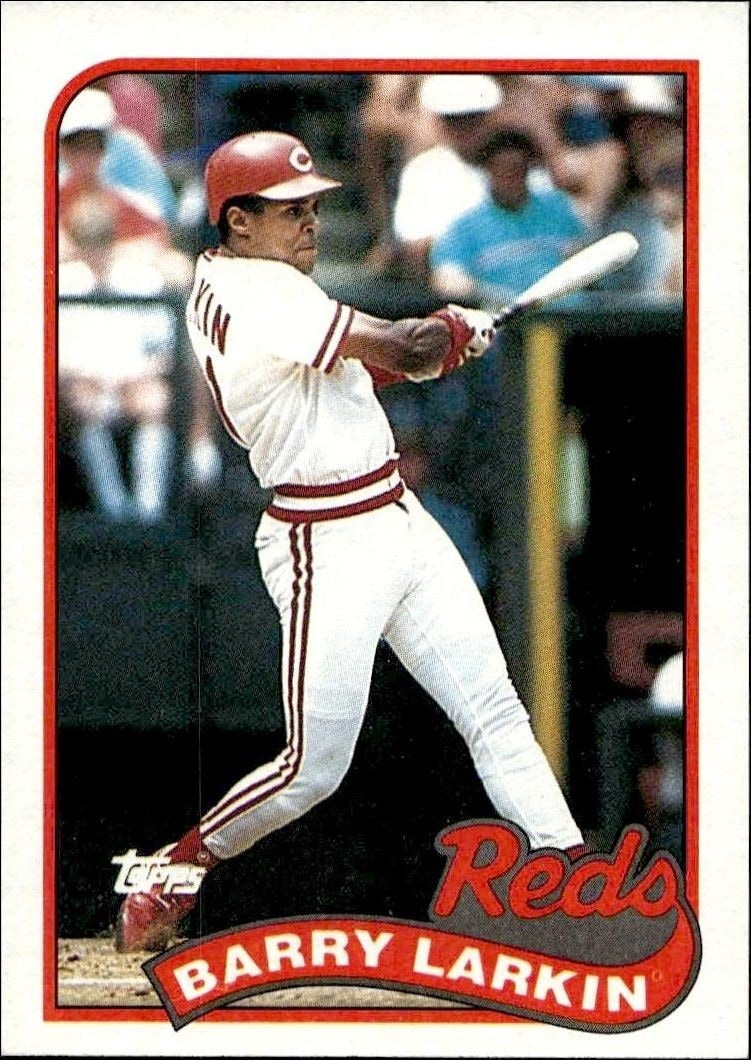
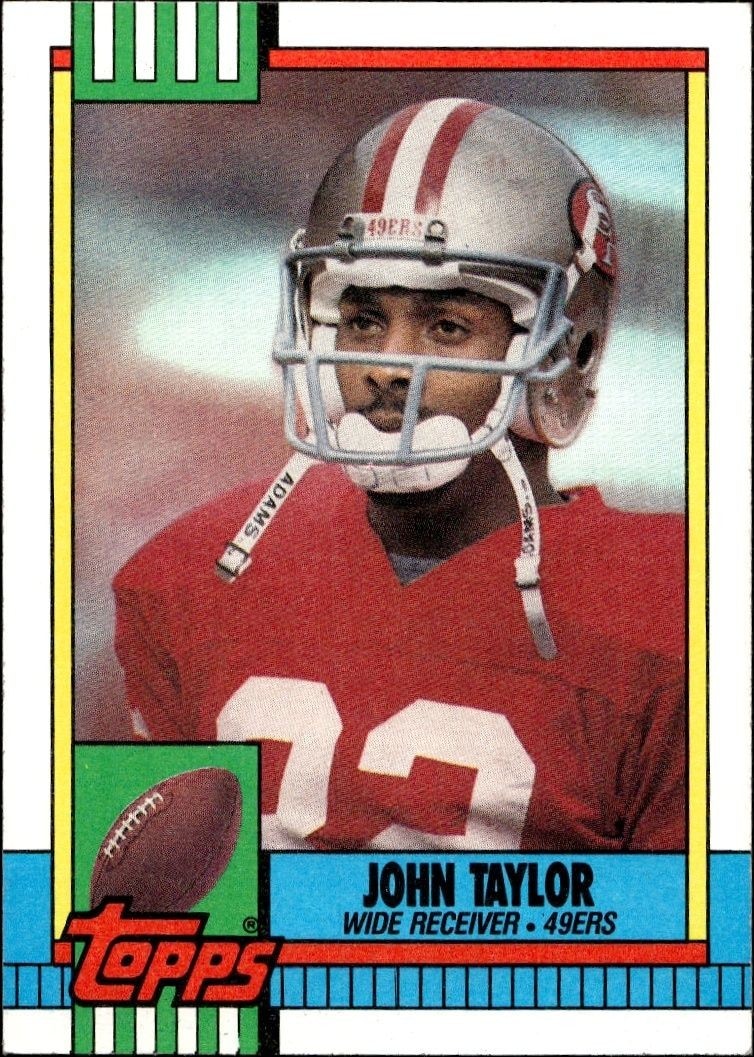




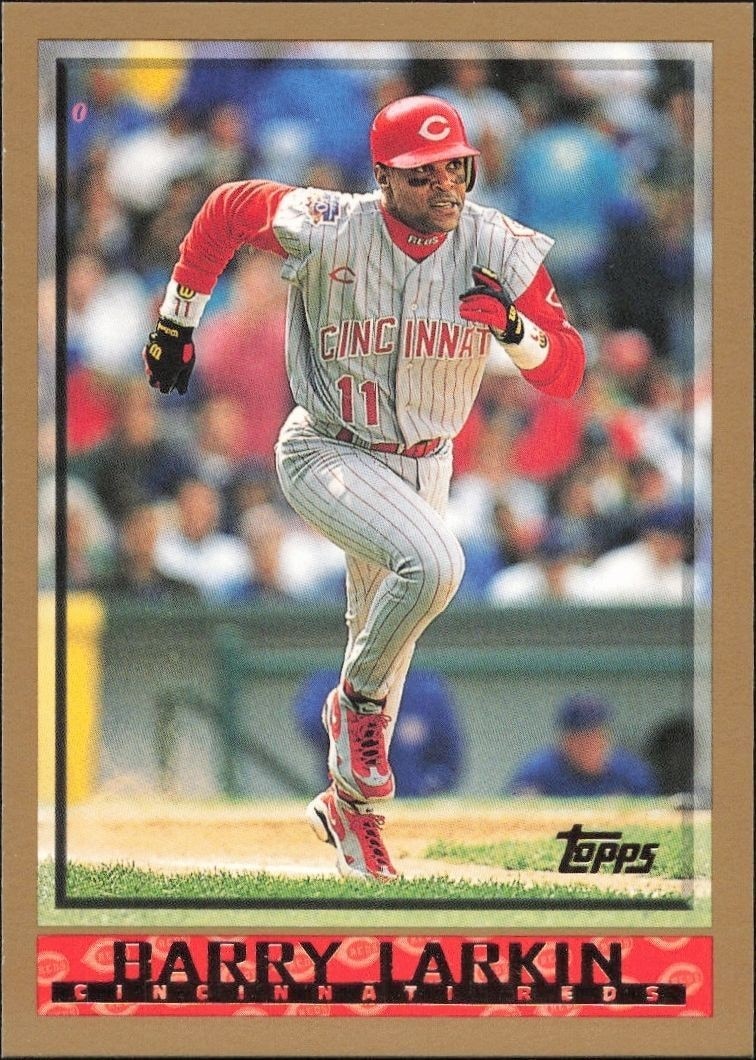
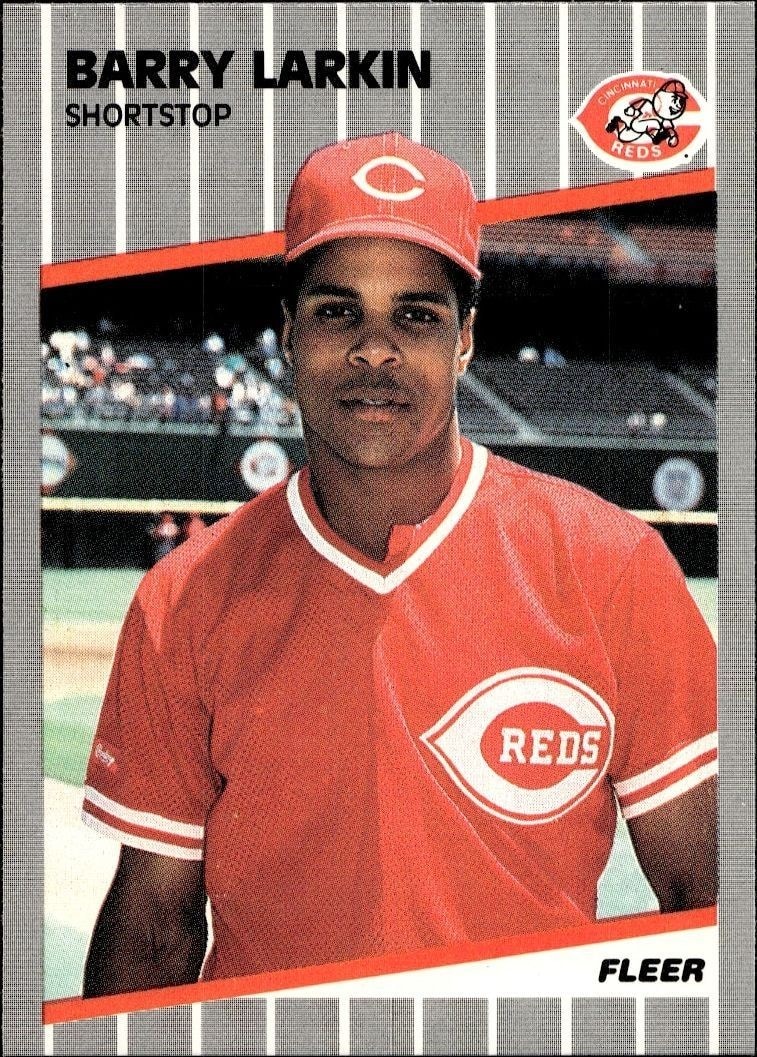


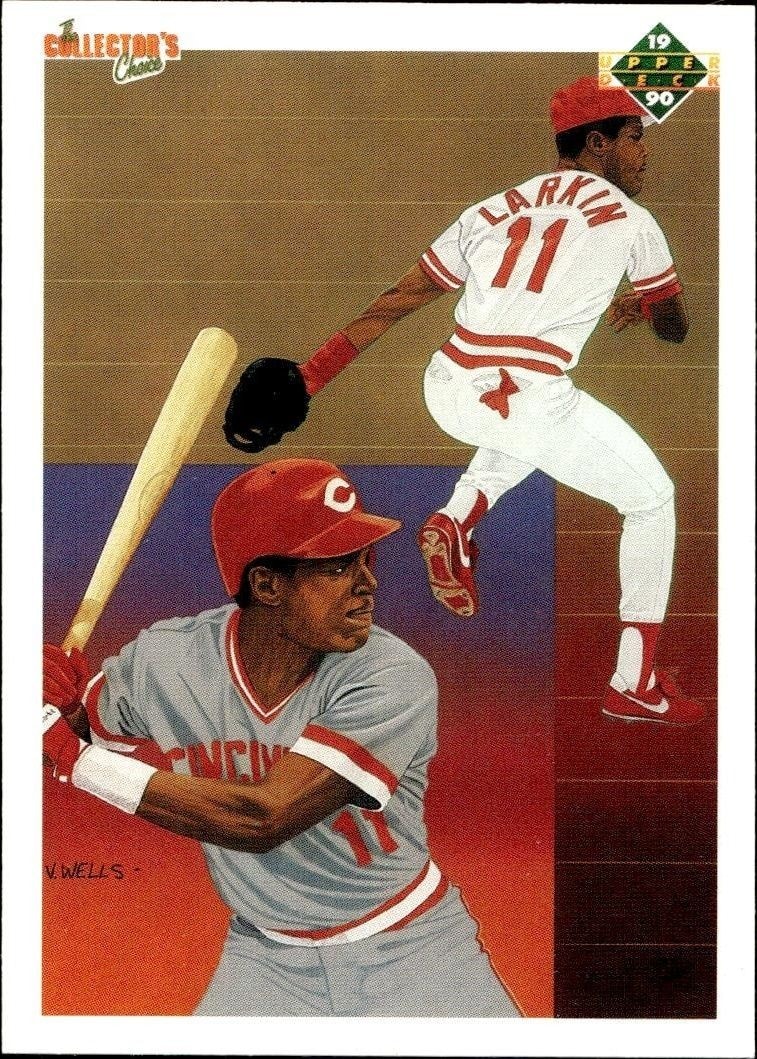

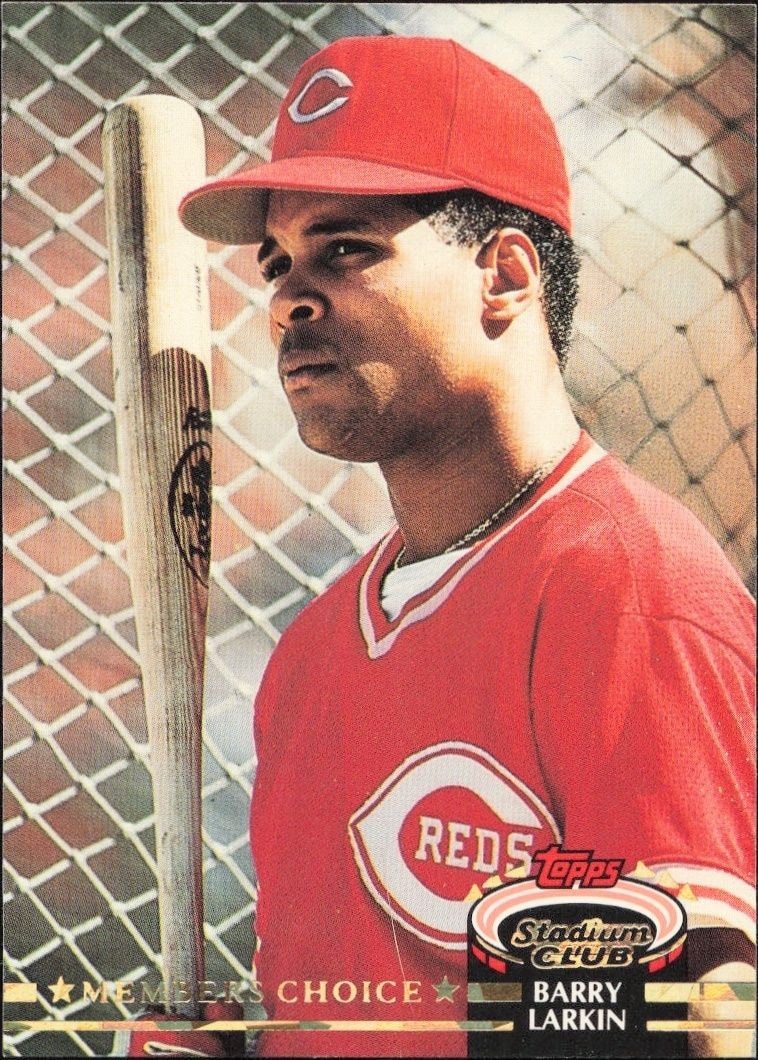
The 1990 Topps Barry Larkin #10 sports card features the Cincinnati Reds shortstop in this classic MLB trading card release.
1990 • Topps
Major League Baseball • Cincinnati Reds
Excellent
10
New
Shipping Calculated at Checkout
Arrives in 4-6 daysEstimated delivery October 25, 2026 - October 27, 2026
30-day Returns| Condition | Value | Source | Trend | Price Details |
|---|---|---|---|---|
$1.46 | Guide Estimate | -18.4% | ||
$0.17As of 9/25/2026 | Completed Sales | |||
$8.00 | Guide Estimate | 0% | ||
$14.99 | Guide Estimate | 0% | ||
$18.00 | Guide Estimate | 0% | ||
$62.00 | Guide Estimate | -3.1% | ||
$29.00 | Guide Estimate | -3.3% | ||
$47.98 | Guide Estimate | -2.6% | ||
$29.00 | Guide Estimate | -3.3% | ||
Raw / Ungraded
PriceCharting Price Guide · Guide Estimate evidence · captured Oct 18, 2026
The 1990 Topps Barry Larkin #10 sports card is a definitive piece of Major League Baseball memorabilia from the early 1990s. This card number places Barry Larkin within the base checklist of the 1990 Topps set, making it a standard yet essential component for collectors tracking the Cincinnati Reds' roster during that era. As a key figure for the Reds, Larkin's presence on this card captures a significant period in franchise history. The 1990 Topps brand is widely recognized for its consistent design and comprehensive coverage of the MLB season. Cards from this release serve as a tangible record of player affiliations and team dynamics from that specific year. This 1990 Topps baseball card is card number 10 in the set's checklist. This product represents a direct connection to the visual style and printing standards of 1990s sports card manufacturing. Collectors of Cincinnati Reds memorabilia often prioritize cards featuring key roster members from the team's competitive years. Barry Larkin's association with the franchise makes this 1990 Topps #10 card a relevant item for those building sets based on team history or player significance. The card's identity is rooted in its catalog details: the year 1990, the Topps brand, and the specific card number 10. These elements combine to create a distinct artifact for those interested in the evolution of baseball trading cards. Collectors use this card to build year-based collections of 1990 Topps releases. The 1990 Topps release features Barry Larkin of the Cincinnati Reds.
15 hours ago
We'll pre-fill the product details from this catalog entry, so your listing lands on this exact page. Just add photos of your copy, pick its condition, and set your price.
The catalog profile below summarizes the card identity, featured subject, and notable collectible traits.
The subject, team, league, and sport context tied to this card.
Production details and format-specific attributes.
Material
Card Stock
Language
English
Compare prices, grades, photos, and shipping from approved sellers.
New
Excellent
See how many public collections currently include this card.
0 collectors have this card
As a 1990 Topps base card, this item sits at the entry-level tier of Barry Larkin’s collectible market, reflecting its status as a widely produced standard issue rather than a premium parallel or insert. While Larkin’s career significance commands respect among collectors, this specific ungraded base version trades at a modest price point due to its high availability and lack of condition premiums. It serves as an accessible acquisition point for casual fans rather than a high-end investment piece for serious investors.
The card possesses no special scarcity attributes such as serial numbering, short-print designations, or unique one-of-one variations, meaning it represents the standard base set production. Without limited edition mechanics or parallel treatments to constrain supply, the population of this card remains high relative to special variants. This standard classification results in a uniform supply chain where individual copies are largely interchangeable based on centering and corner wear.
Being a standard base card from a pre-Rookie year (Larkin debuted in 1986), this item lacks the rookie-card premium that typically drives long-term value appreciation in baseball collectibles. The absence of special parallels or set-defining status limits its appeal to niche segments, resulting in stable but low-growth demand. Investors should view this as a foundational piece for a casual collection rather than a vehicle for significant capital appreciation.