
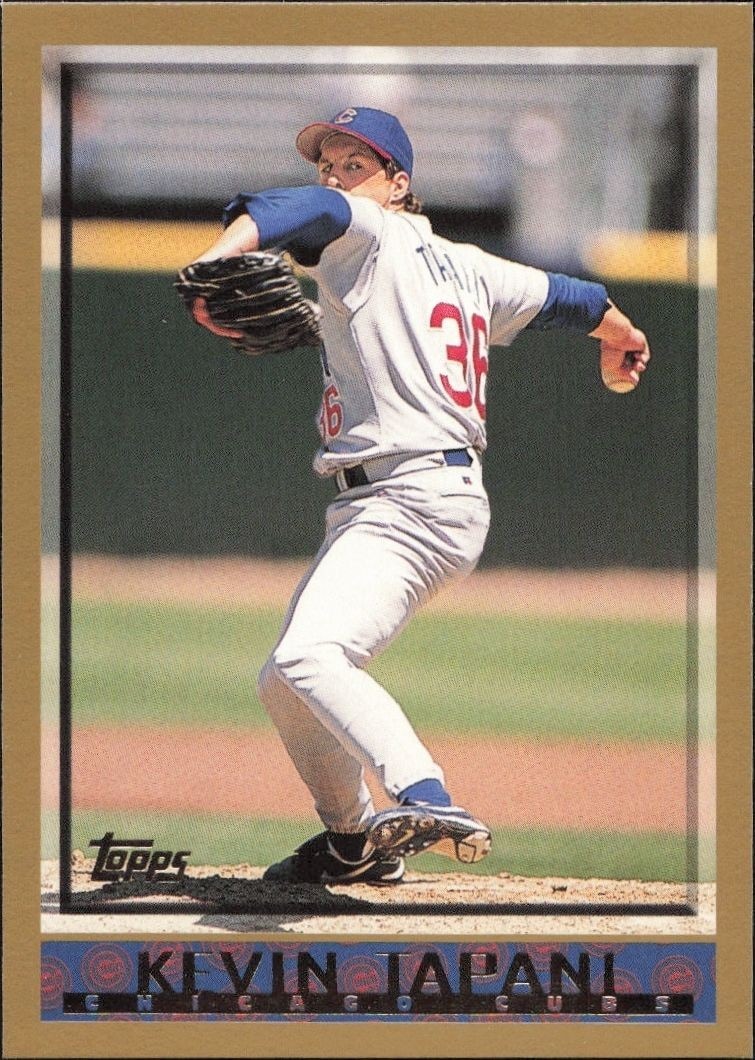

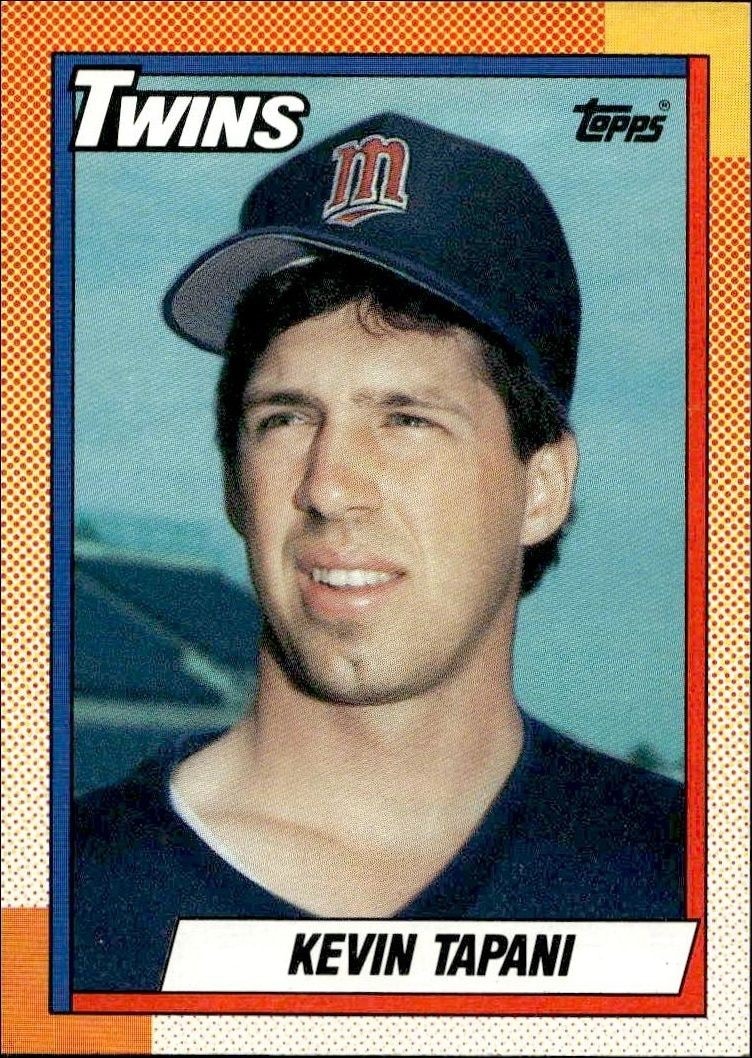
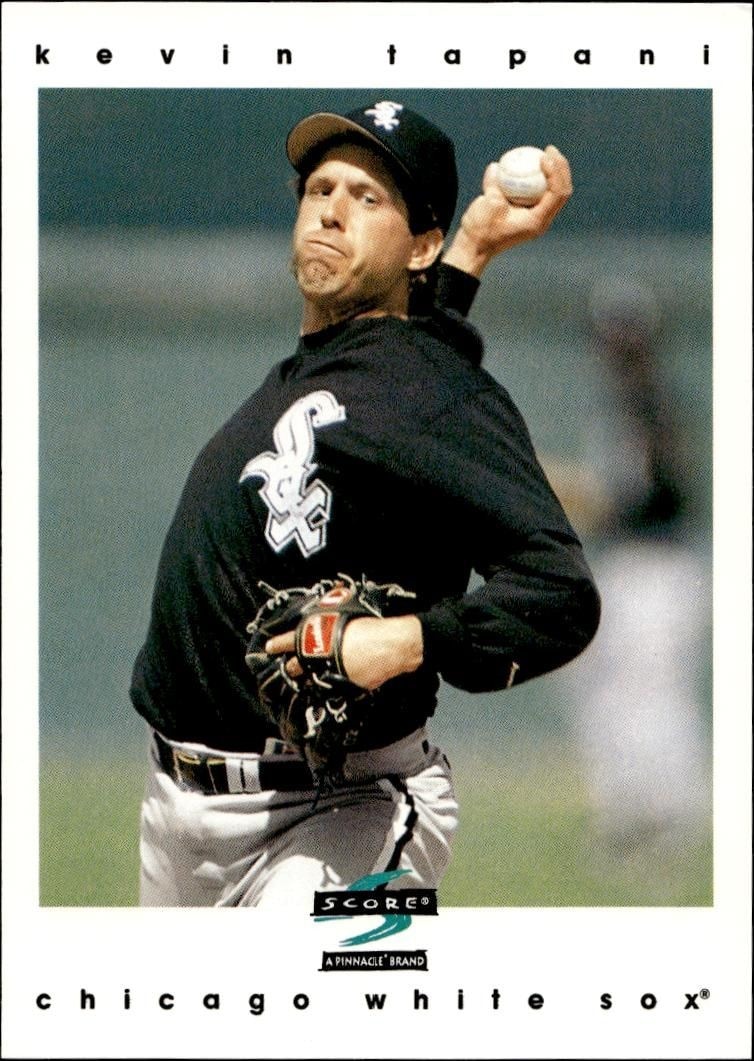
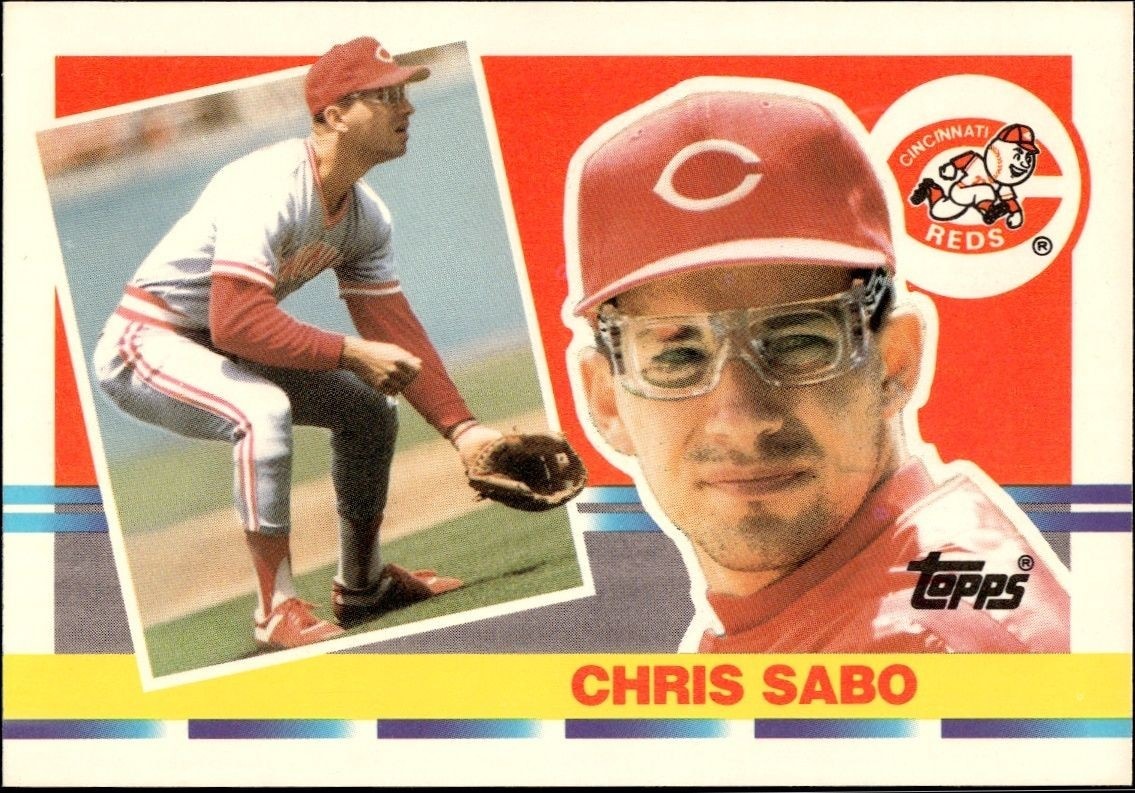
Discover the 1990 Topps Big Kevin Tapani #225 oversized baseball card, a large-format collectible featuring the Minnesota Twins pitcher.
1990 • Topps • Big
Major League Baseball • Minnesota Twins
Near Mint
225
New
Shipping Calculated at Checkout
Arrives in 5-7 daysEstimated delivery October 23, 2026 - October 25, 2026
Seller returns October 19, 2026.30-day Returns| Condition | Value | Source | Trend | Price Details |
|---|---|---|---|---|
$1.37 | Guide Estimate | 0% | ||
$53.00 | Guide Estimate | 0% | ||
$24.00 | Guide Estimate | 0% | ||
$40.73 | Guide Estimate | +0.1% | ||
$24.00 | Guide Estimate | 0% | ||
Raw / Ungraded
PriceCharting Price Guide · Guide Estimate evidence · captured Oct 18, 2026
The 1990 Topps Big Kevin Tapani #225 oversized baseball card offers a distinct large-format presentation of the Minnesota Twins pitcher. Released as part of the Topps Big series, this product expands the visual space beyond standard trading card dimensions, allowing collectors to engage with the subject in a more substantial format. The oversized design serves as a key identifier for this card number within the broader 1990 Topps release, distinguishing it from the base set through its physical scale. Kevin Tapani's inclusion in this oversized release highlights his role with the Minnesota Twins during the 1990 season. The card provides a dedicated look at the player, utilizing the larger canvas to present his image with greater prominence than the standard checklist. This makes it a notable entry for those who appreciate alternative designs and larger-scale memorabilia from the early 1990s baseball card era. For investors and set builders alike, the 1990 Topps Big Kevin Tapani #225 represents a specific niche within the hobby. The oversized nature of the card appeals to those who value the tactile and visual impact of larger formats. Whether you are completing a Topps Big subset or building a collection focused on Minnesota Twins history, this oversized card stands out as a distinct variant. Its large size makes it an attractive addition to any display, offering a different perspective on a well-known player from a significant year in baseball history. The product remains a sought-after piece for enthusiasts of oversized releases and vintage baseball collecting.
1 day ago
We'll pre-fill the product details from this catalog entry, so your listing lands on this exact page. Just add photos of your copy, pick its condition, and set your price.
The catalog profile below summarizes the card identity, featured subject, and notable collectible traits.
The core identity of the card within the set.
The subject, team, league, and sport context tied to this card.
Production details and format-specific attributes.
Card size
Oversized
Material
Card Stock
Language
English
Compare prices, grades, photos, and shipping from approved sellers.
New
Near Mint
See how many public collections currently include this card.
0 collectors have this card
This 1990 Topps Big Kevin Tapani card trades within the accessible entry-level tier for Minnesota Twins alumni from the early 1990s era. While it lacks the scarcity drivers that push peers into higher price brackets, its current valuation reflects steady baseline demand for standard issue cards of this vintage. The listing availability suggests a liquid but low-pressure market where prices remain stable rather than speculative.
As a standard base card without noted parallels, short prints, or serial numbering, this item represents the highest volume tier of production within the 1990 Topps Big set. The absence of special scarcity mechanics means supply is effectively unlimited relative to collector demand, preventing any premium based on rarity alone. Collectors seeking this specific player are likely targeting commonality rather than exclusivity.
The card’s position as a non-rookie, base-set entry limits its potential for significant appreciation, as it does not capture the rookie-card premium or limited-edition scarcity that drives market growth. Demand is primarily driven by general nostalgia for the 1990s Twins and Tapani’s role during that period, rather than career accolades or grading trends. It serves better as a bulk-fill or portfolio staple for broad set completion rather than a standalone investment asset.