




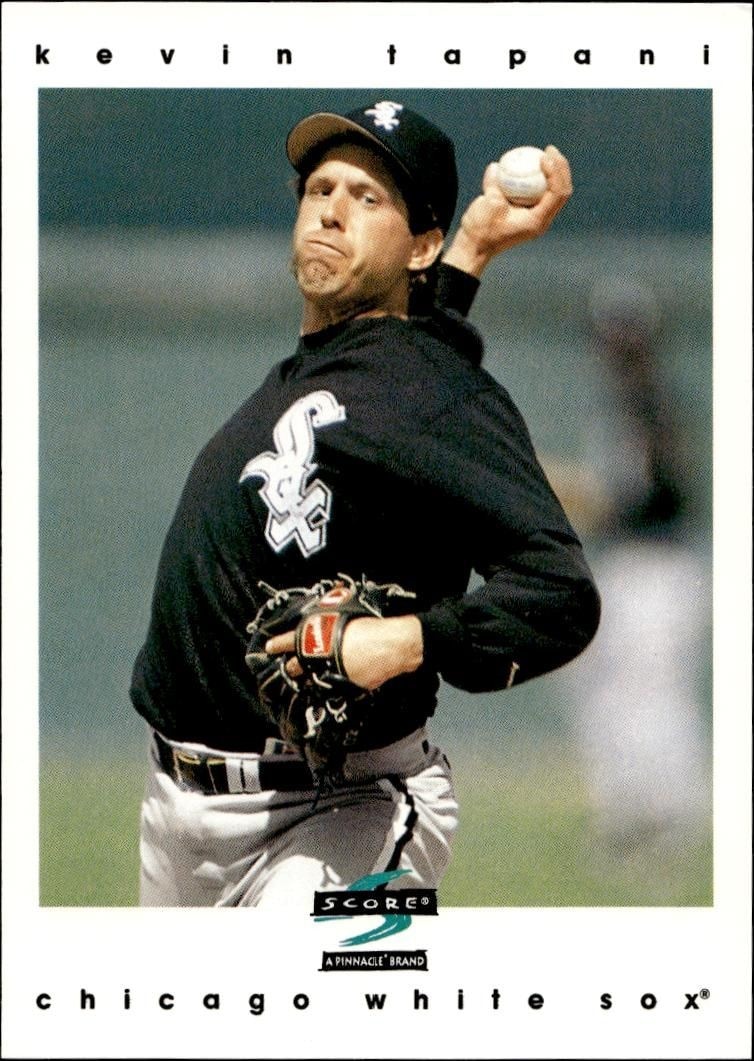
Identify and acquire the 1992 Upper Deck Low Number Kevin Tapani card, cataloged as #624 in this historic baseball trading card set.
1992 • Upper Deck • Low Number
Major League Baseball • Minnesota Twins
Near Mint
624
New
Shipping Calculated at Checkout
Arrives in 4-6 daysEstimated delivery November 2, 2026 - November 4, 2026
30-day Returns| Condition | Value | Source | Trend | Price Details |
|---|---|---|---|---|
$1.00As of 10/2/2026 | Guide Estimate | |||
Raw / Ungraded
PriceCharting Price Guide · Guide Estimate evidence · captured Oct 2, 2026
History is building. At least two days of matching observations are needed to show a trend.
Each point is the last stored observation that day for this printing, condition, grader, autograph status and source. Gaps mean no observation; guide estimates and asking prices are not completed sales.The 1992 Upper Deck Low Number release occupies a distinct space in vintage baseball card collecting, offering a unique alternative to the standard base set. This entry, identified as card #624, features Kevin Tapani, bringing attention to a player from the Minnesota Twins roster during a significant era for the franchise. Collectors often seek out Low Number issues for their compact design and the way they highlight different aspects of the player's profile compared to the main set. Kevin Tapani's appearance in this catalog position allows enthusiasts to focus on the specific design elements and layout choices that define the 1992 Upper Deck Low Number brand. For those building collections around the 1992 season, this card serves as a key identifier for completing the Low Number subset. The product represents a tangible connection to the early 1990s baseball landscape, where Upper Deck introduced innovative production techniques that changed how trading cards were perceived. Collectors interested in the Minnesota Twins or Kevin Tapani’s career often look for this catalog number to diversify their holdings. The Low Number series provides a different visual experience, often featuring alternate photography or design treatments that appeal to variety hunters. Understanding the nuances of the 1992 Upper Deck Low Number set helps collectors appreciate the value of individual cards like #624. Whether you are focusing on team history, player performance, or the evolution of card design, this product offers a focused entry point into the broader world of 1992 Upper Deck collecting.
10/20/26
We'll pre-fill the product details from this catalog entry, so your listing lands on this exact page. Just add photos of your copy, pick its condition, and set your price.
The catalog profile below summarizes the card identity, featured subject, and notable collectible traits.
The core identity of the card within the set.
The subject, team, league, and sport context tied to this card.
Production details and format-specific attributes.
Material
Card Stock
Language
English
Compare prices, grades, photos, and shipping from approved sellers.
New
Near Mint
See how many public collections currently include this card.
0 collectors have this card
This 1992 Upper Deck Kevin Tapani card trades at a very accessible price point, reflecting Tapani's status as a solid contributor for the Minnesota Twins rather than a primary franchise cornerstone. While it lacks the speculative volatility of elite stars, it remains a staple for collectors focusing on the 1990s Twins era or specific team sets. The current market positioning suggests it is valued primarily for completion purposes rather than individual player speculation.
The card is identified as a standard base issue within the 'Low Number' series designation, meaning it does not carry the scarcity mechanics of serial numbered parallels or short prints. As a non-parallel base card, its supply is determined by the original print run for the main set, making it widely available in the secondary market. Without special attributes like low serial numbers or unique variations, it represents the most common tier of this specific product release.
Given its status as a standard base card from a 1992 release, the investment outlook is stable but modest, driven largely by nostalgia and team-specific collection needs. Demand is likely sustained by collectors assembling full team sets or focusing on the early 1990s MLB landscape, particularly the Twins' competitive window. It serves as a low-risk addition for portfolio diversification but lacks the high-growth mechanics associated with rookie cards or rare parallels.
