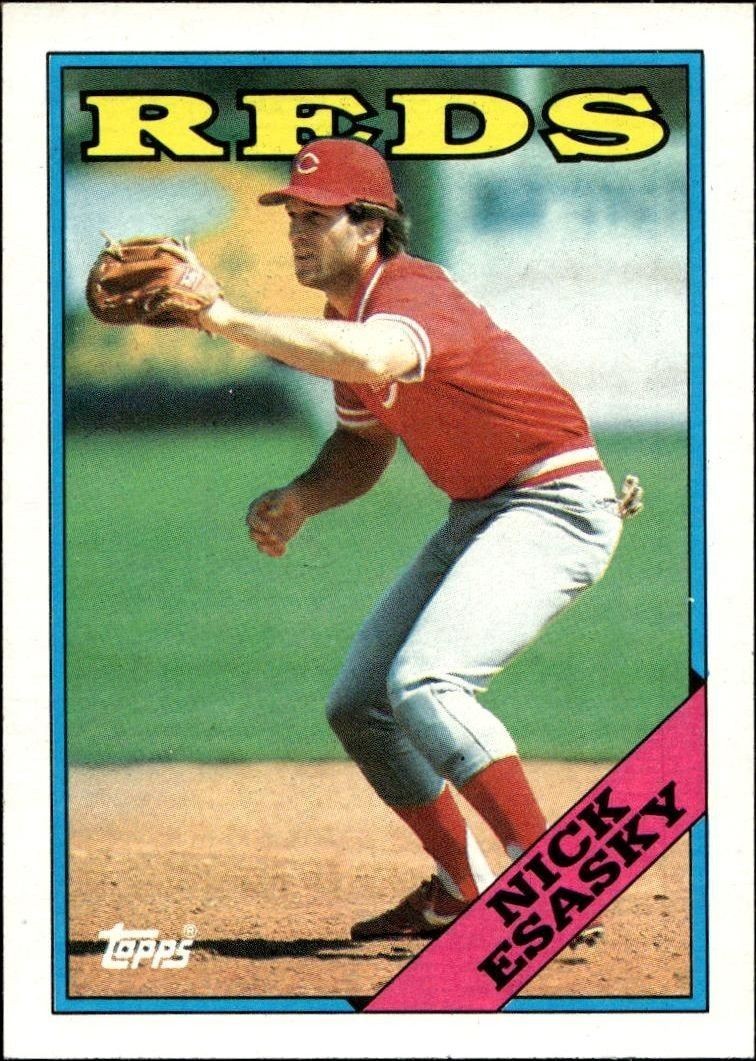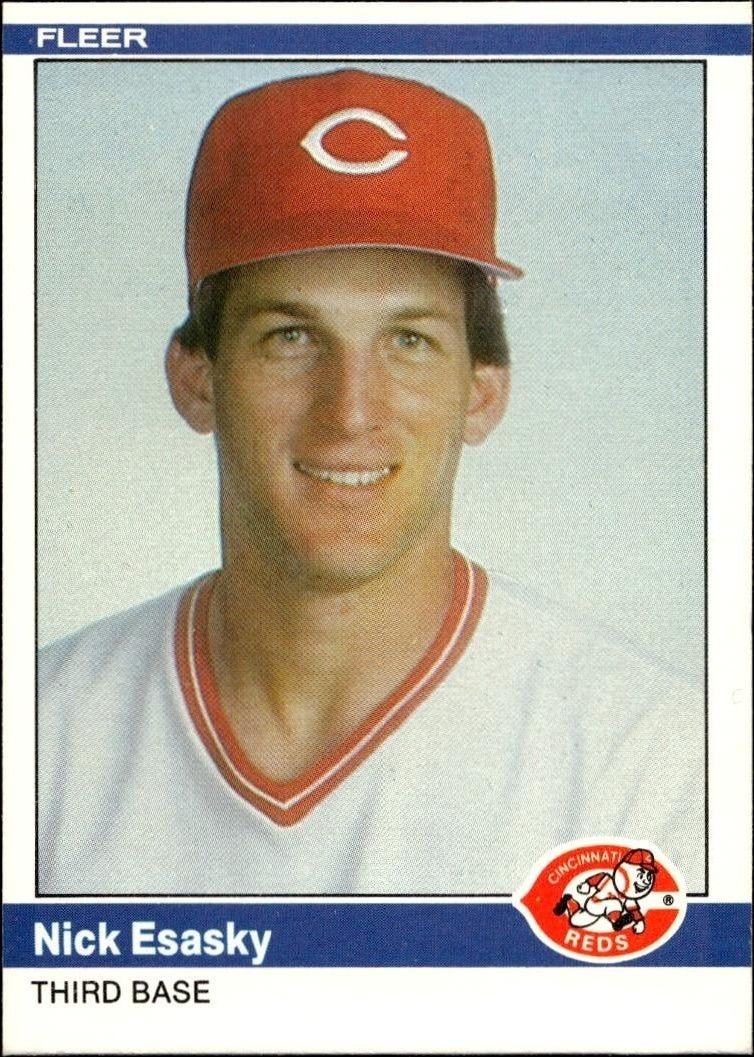



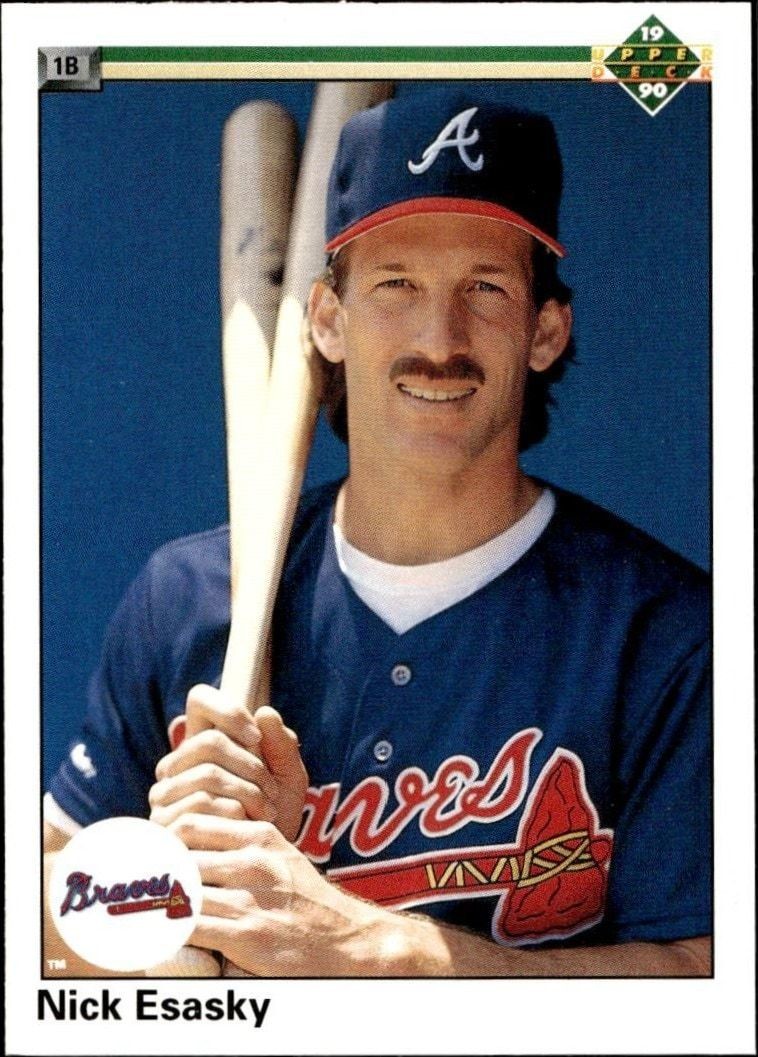


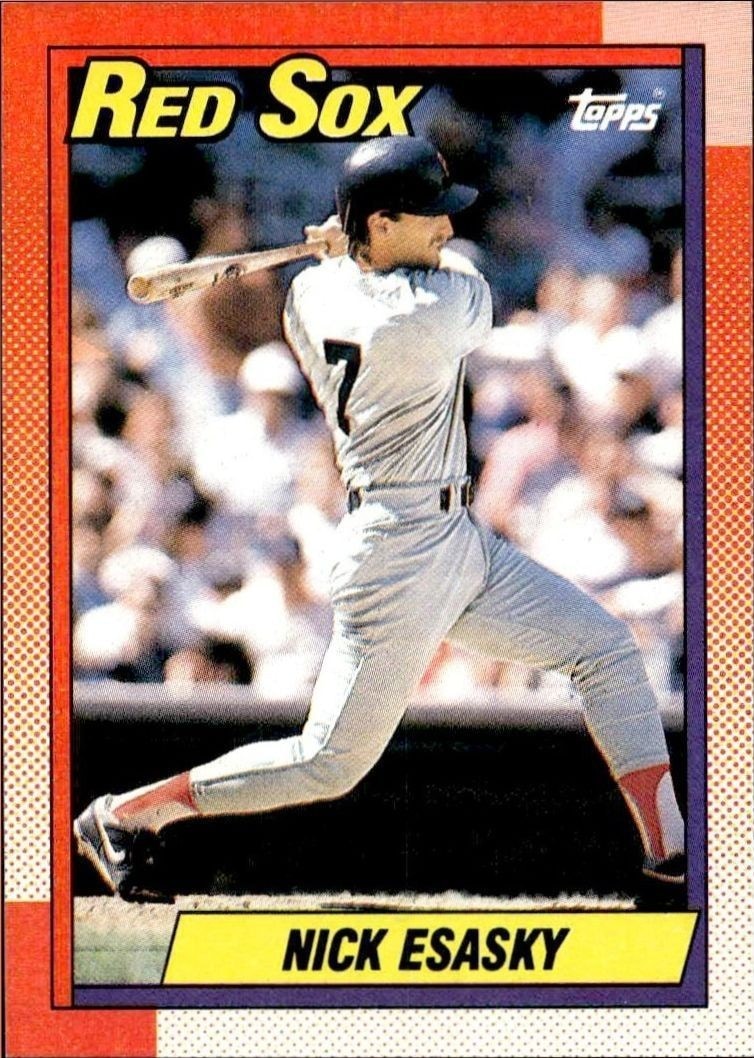


Explore the 1990 Topps Traded Nick Esasky #30T baseball card, featuring the Atlanta Braves infielder in this vintage sports trading card release.
1990 • Topps • Traded
Major League Baseball • Atlanta Braves
Excellent
30T
New
Shipping Calculated at Checkout
30-day Returns| Condition | Value | Source | Trend | Price Details |
|---|---|---|---|---|
$1.49 | Guide Estimate | +17.3% | ||
Raw / Ungraded
PriceCharting Price Guide · Guide Estimate evidence · captured Oct 23, 2026
The 1990 Topps Traded series offers collectors a distinct window into the mid-season roster changes that defined the era. Nick Esasky appears on card #30T, representing his tenure with the Atlanta Braves during this season. This numbered card is part of the broader 1990 Topps Baseball universe, recognized for its straightforward design and comprehensive coverage of MLB players. For those building collections around the 1990 Topps brand, this traded insert serves as a vital component. The Traded series was released to update the base set with player movements, trades, and promotions that occurred after the initial print run. Card #30T captures Esasky in his Braves uniform, providing a tangible link to the team's lineup during that year. Collectors often seek out specific card numbers to complete the full Traded subset, making this a targeted addition for set builders. Whether you are focused on Atlanta Braves memorabilia or the broader history of 1990s baseball cards, this product offers a piece of that legacy. The card's identity is rooted in its catalog number and brand affiliation, standing as a recognizable item for enthusiasts of the period. When considering this release, focus on its place within the 1990 Topps ecosystem. The Traded series is highly regarded for capturing the dynamic nature of MLB rosters. Each card, including #30T, represents a snapshot of a player's career at a specific moment. For investors and hobbyists alike, understanding the context of the 1990 Topps Traded set helps in appreciating the historical significance of these vintage cards.
6 days ago
We'll pre-fill the product details from this catalog entry, so your listing lands on this exact page. Just add photos of your copy, pick its condition, and set your price.
The catalog profile below summarizes the card identity, featured subject, and notable collectible traits.
The core identity of the card within the set.
The subject, team, league, and sport context tied to this card.
Production details and format-specific attributes.
Material
Card Stock
Language
English
Compare prices, grades, photos, and shipping from approved sellers.
New
Excellent
See how many public collections currently include this card.
0 collectors have this card
This 1990 Topps Traded card of Nick Esasky represents a budget-tier entry point within the Braves' vintage inventory, reflecting his status as a role player rather than a franchise cornerstone. The current pricing suggests it trades near the floor for its specific set and year, offering minimal condition premium compared to key rookies or stars from the same era. Its value is driven primarily by nostalgia for the early 90s Braves roster rather than individual star power.
As a standard base card from the Topps Traded set, this item lacks the supply constraints of short prints, parallels, or serial-numbered variants. The scarcity is defined solely by the general distribution of the 1990 Traded issue, meaning supply is relatively abundant compared to special insert cards. This lack of unique attributes places it in the most common tier of collectibles from this release.
Given the absence of rookie designation or special parallel status, this card offers limited upside for serious investment portfolios focused on appreciation. Demand is likely sustained only by specialized collectors of Atlanta Braves history or those building complete base set runs. It serves better as a fill-in piece for a broader collection rather than a standalone asset with growth potential.