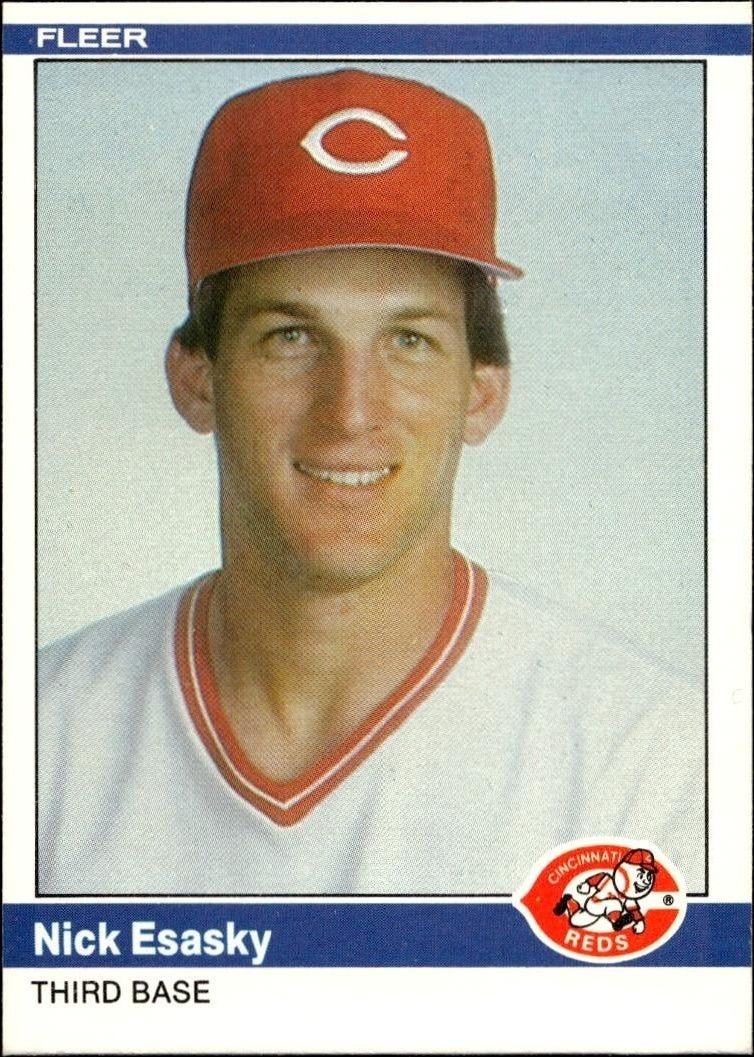






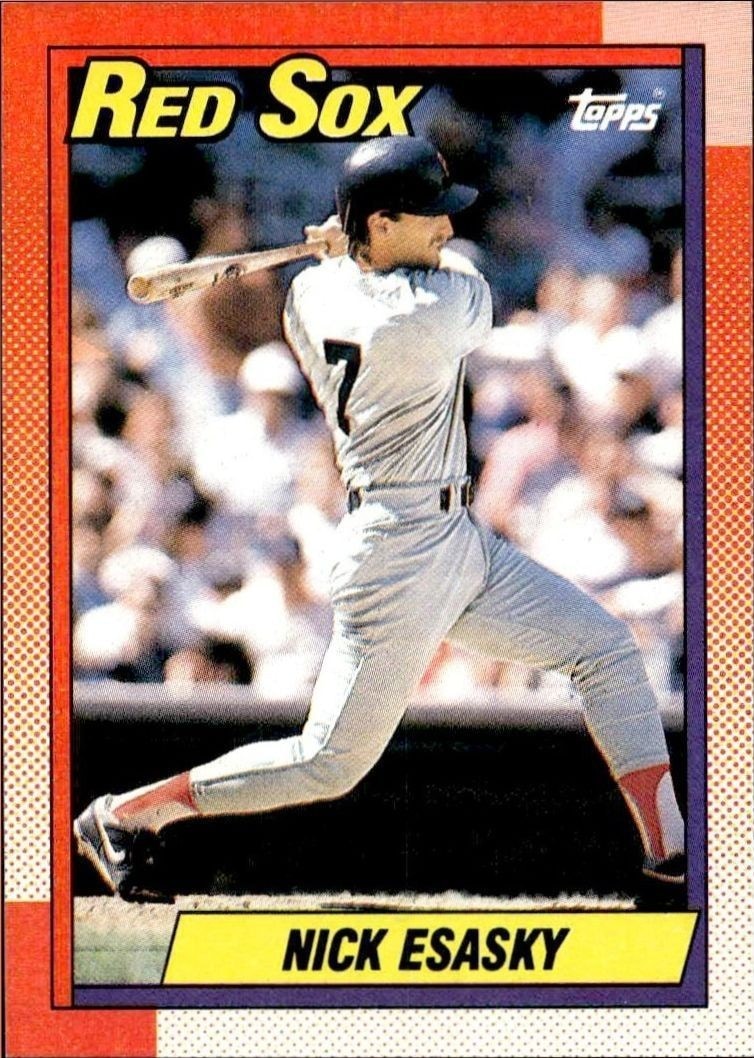


This 1990 Topps Minis product features Boston Red Sox player Nick Esasky on card number 5, offering a compact collectible for vintage baseball enthusiasts.
1990 • Topps • Mini League Leaders
Major League Baseball • Boston Red Sox
Excellent
5
New
Shipping Calculated at Checkout
Arrives in 5-7 daysEstimated delivery October 23, 2026 - October 25, 2026
Seller returns October 19, 2026.30-day Returns| Condition | Value | Source | Trend | Price Details |
|---|---|---|---|---|
$0.25 | Guide Estimate | |||
Raw / Ungraded
PriceCharting Price Guide · Guide Estimate evidence · captured Oct 16, 2026
History is building. At least two days of matching observations are needed to show a trend.
Each point is the last stored observation that day for this printing, condition, grader, autograph status and source. Gaps mean no observation; guide estimates and asking prices are not completed sales.The 1990 Topps Minis release presents a distinctive format within the broader landscape of sports trading cards, characterized by its reduced dimensions compared to standard issues. This card, numbered 5, features Nick Esasky, capturing the visual identity of the Boston Red Sox during the 1990 season. Collectors often seek out Minis products for their unique tactile experience and nostalgic appeal, as they represent a creative departure from the conventional card design of the era. Nick Esasky’s presence on this card connects enthusiasts to a specific moment in franchise history. The card serves as a tangible link to the Boston Red Sox roster from that year, offering a focused glimpse into the team's composition. For investors and hobbyists alike, items from the 1990 Topps Minis series provide a distinct avenue for diversification within a baseball collection. The reduced footprint allows for creative organization and display options that differ from traditional large-format cards. Whether you are building a comprehensive collection of Esasky’s appearances or focusing on the broader 1990 Topps ecosystem, this card represents a valued component. The enduring popularity of Minis products ensures that this release remains a relevant and interesting piece for those who value the diversity of the hobby.
7 hours ago
We'll pre-fill the product details from this catalog entry, so your listing lands on this exact page. Just add photos of your copy, pick its condition, and set your price.
The catalog profile below summarizes the card identity, featured subject, and notable collectible traits.
The core identity of the card within the set.
The subject, team, league, and sport context tied to this card.
Production details and format-specific attributes.
Card size
Mini
Material
Card Stock
Language
English
Compare prices, grades, photos, and shipping from approved sellers.
New
Excellent
See how many public collections currently include this card.
0 collectors have this card
This 1990 Topps Minis card of Nick Esasky represents a baseline entry point within the broader Boston Red Sox collecting market, trading significantly below the value tiers of star players or rare parallels. As a non-premium base card from a mass-produced mini set, it commands minimal premiums relative to the player's MLB tenure, reflecting its status as a common collectible rather than a high-value asset. The current market positioning indicates a low barrier to entry for casual collectors seeking team-specific inventory without the premium associated with graded or special parallel issues.
The card lacks any special scarcity attributes such as serial numbering, short-print status, or one-of-one designations, classifying it as a standard base item within the Topps Minis series. This absence of limited edition markers means the supply is effectively unlimited relative to collector demand, as it was produced in high volumes alongside other base cards in the 1990 set. Consequently, the card does not carry the supply constraints that typically drive rarity premiums, making it functionally identical in scarcity to other common base cards from the same production run.
As a non-rookie card from a vintage set, this item lacks the rookie-card premium mechanics that often drive long-term appreciation in baseball card investments. The collector demand is likely driven by nostalgia for the 1990 era and specific Red Sox team needs rather than speculative growth, resulting in a stable but low-growth investment profile. Investors should view this as a hobby staple for completing base sets rather than a vehicle for capital appreciation, given the absence of unique parallel features or graded exclusivity.