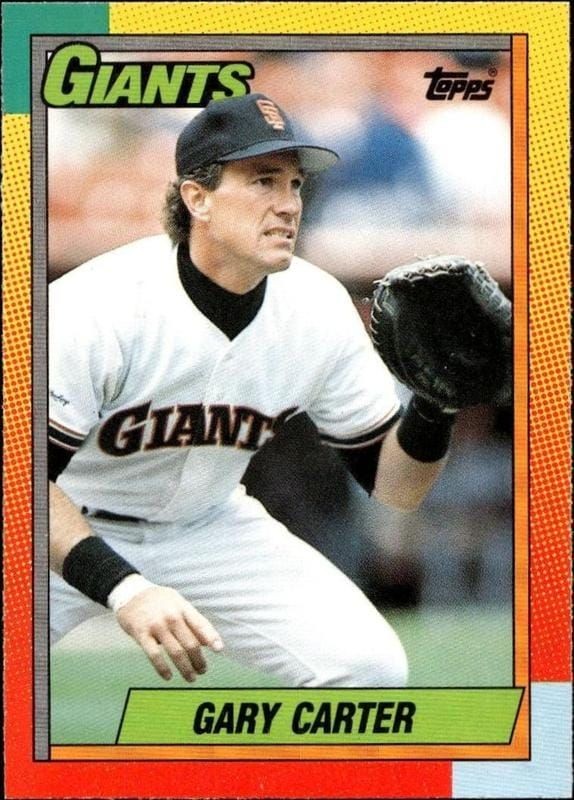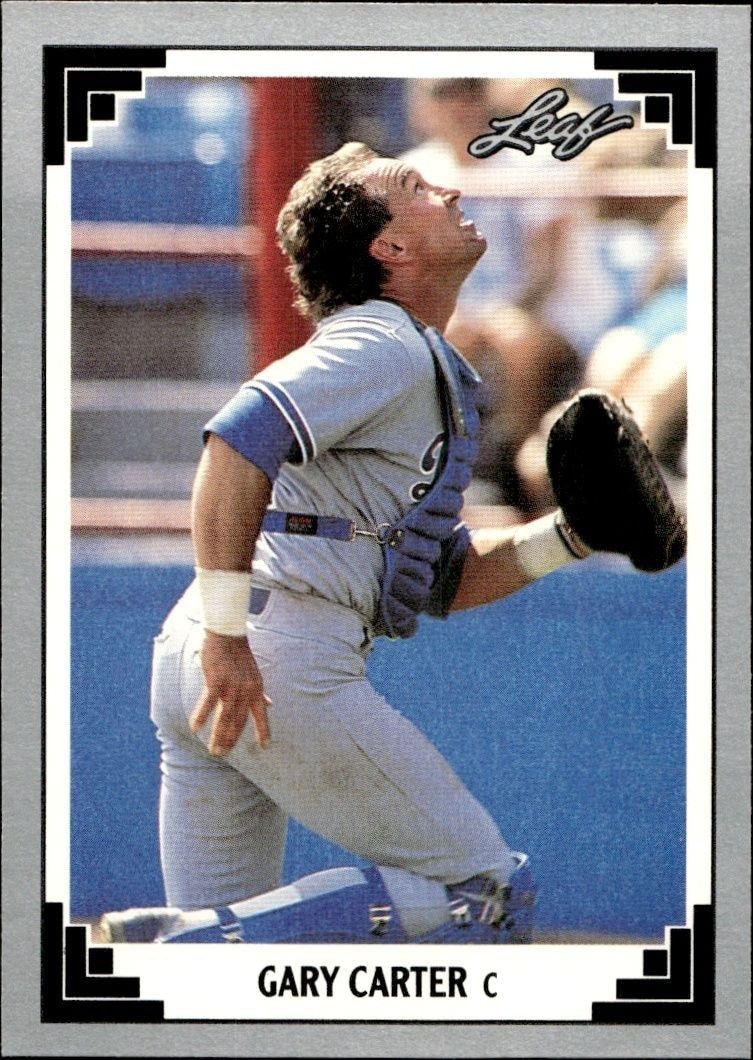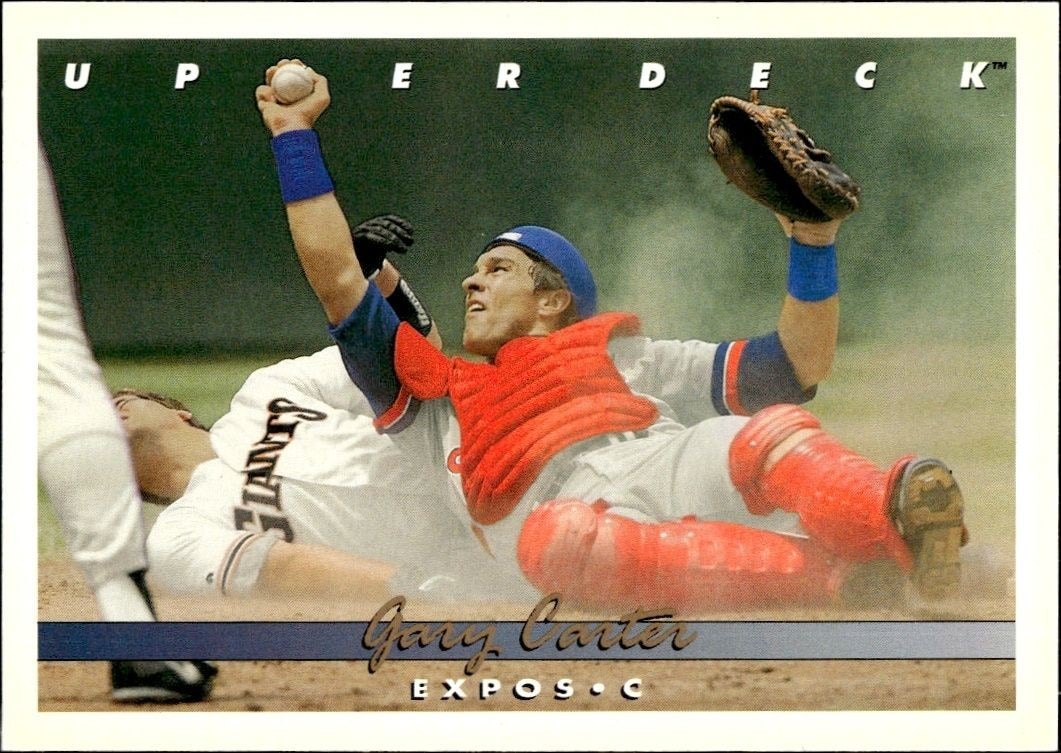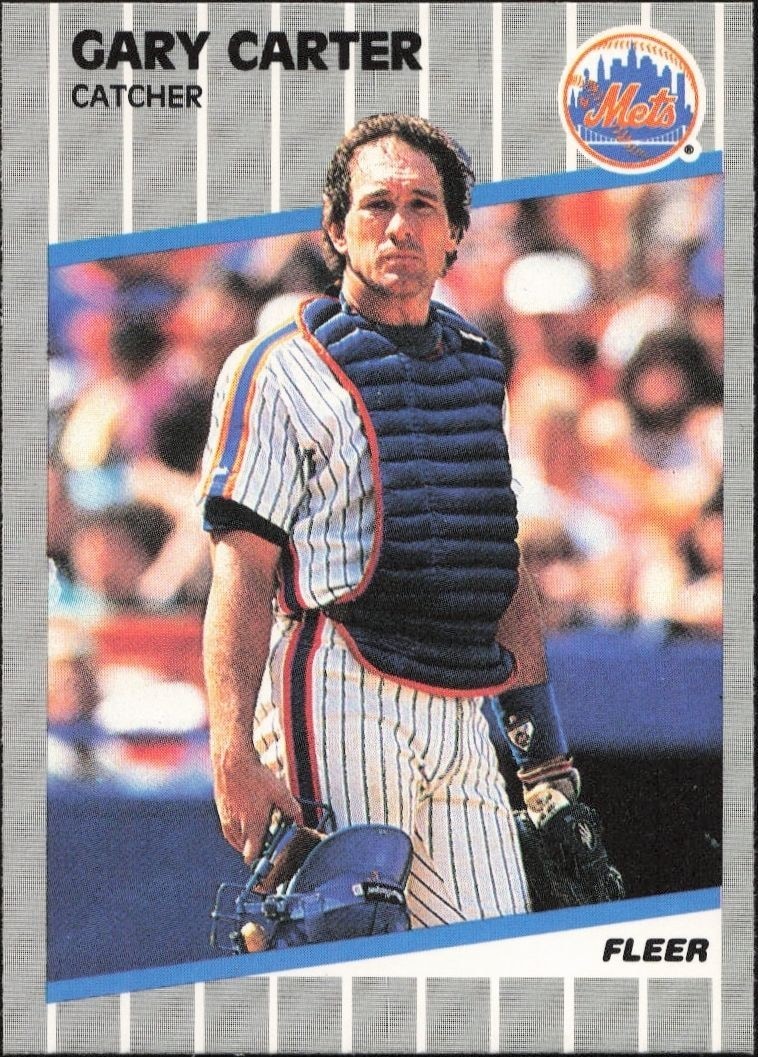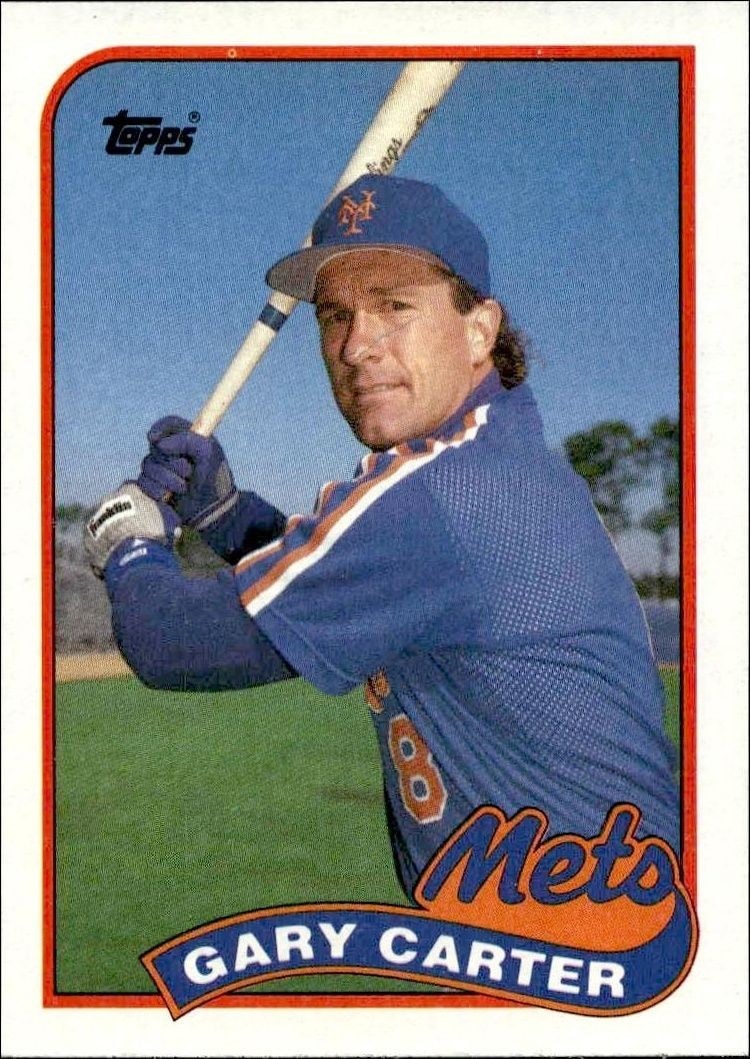





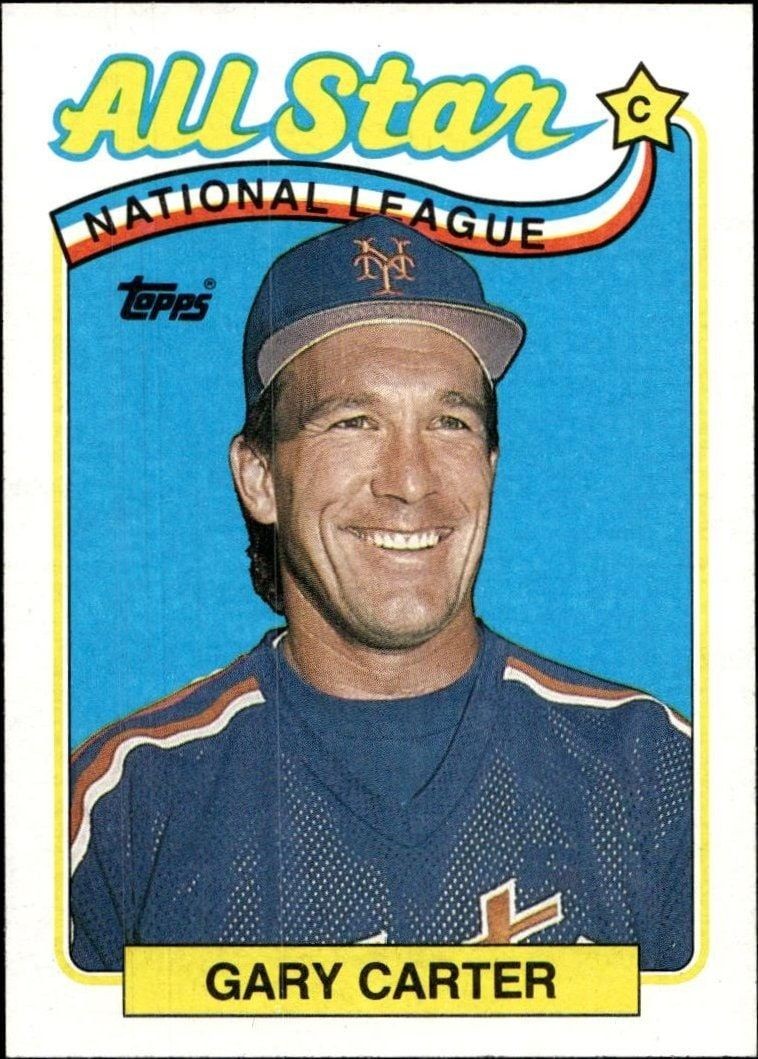
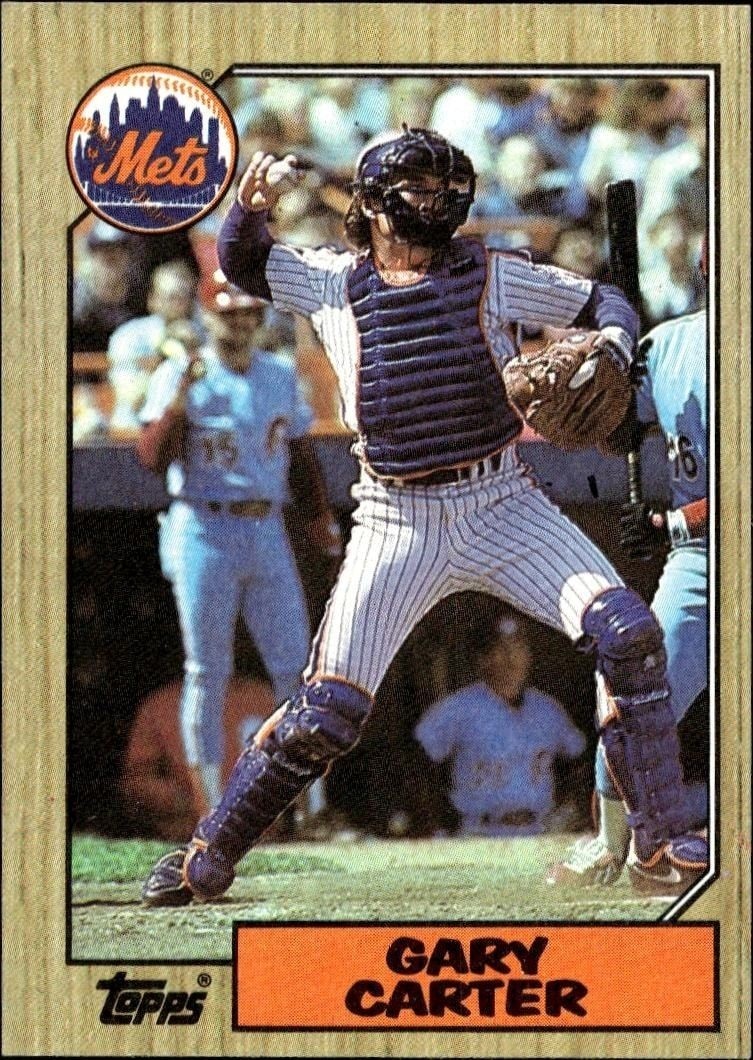
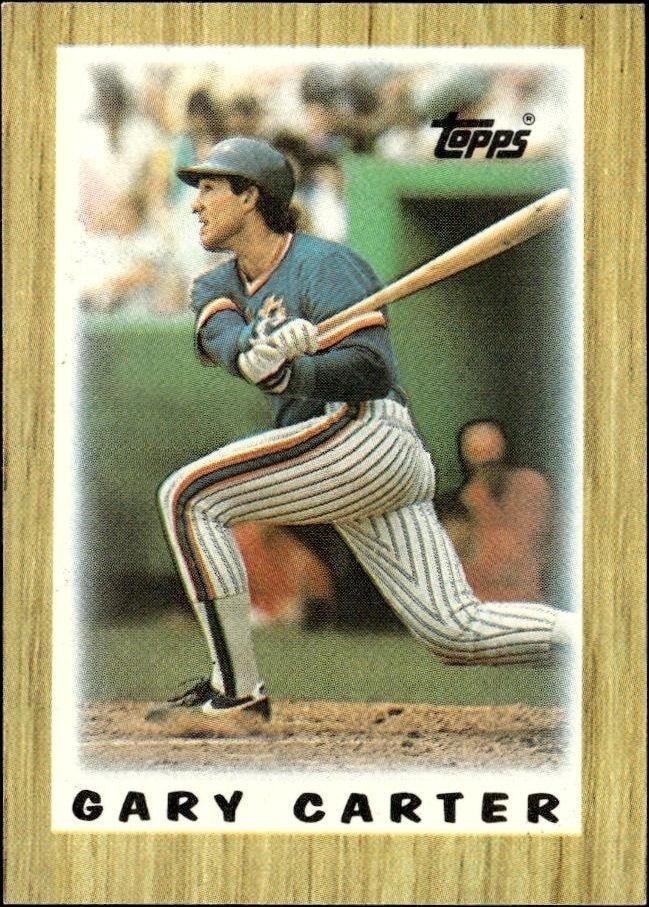
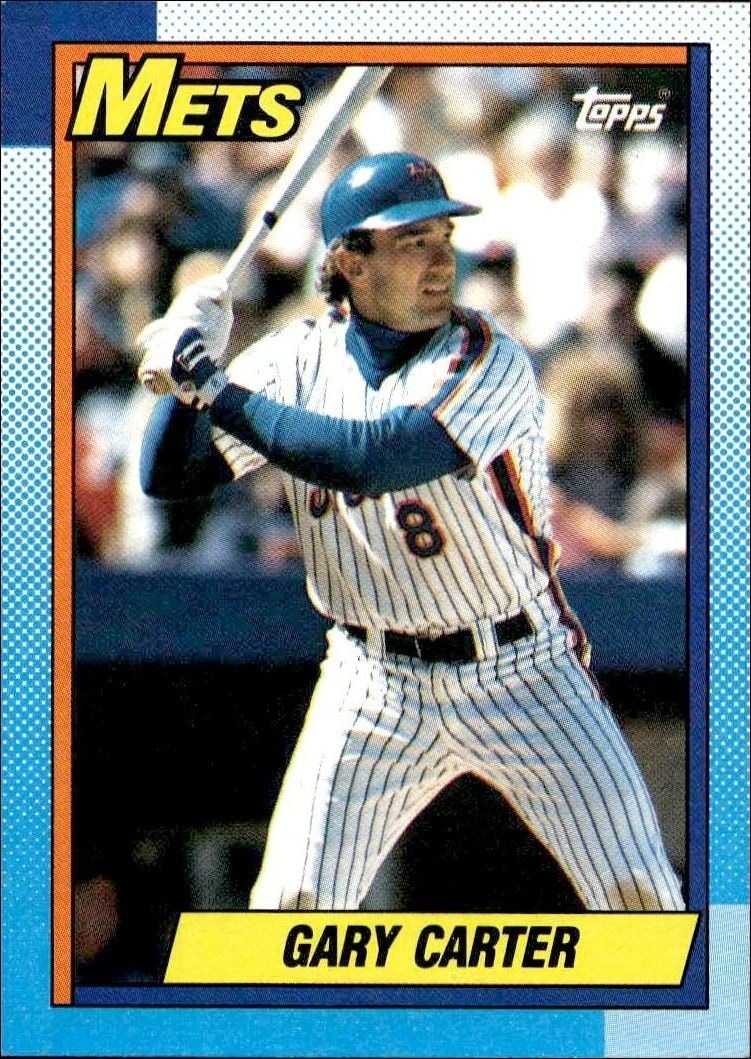

Gary Carter
1982 • Topps
#730
$199.99
This 1990 Upper Deck High Number Gary Carter card, numbered 774, is a notable release from the first major modern baseball card set, featuring the San Francisco Giants legend.
1990 • Upper Deck • High Number
Major League Baseball • San Francisco Giants
Near Mint
774
New
Shipping Calculated at Checkout
Arrives in 4-6 daysEstimated delivery October 24, 2026 - October 26, 2026
30-day Returns| Condition | Value | Source | Trend | Price Details |
|---|---|---|---|---|
$1.40 | Guide Estimate | +12% | ||
$5.03 | Guide Estimate | 0% | ||
$19.10 | Guide Estimate | +0.6% | ||
$20.00 | Guide Estimate | 0% | ||
$26.00 | Guide Estimate | 0% | ||
$12.00 | Guide Estimate | 0% | ||
$19.99 | Guide Estimate | -0.1% | ||
$12.00 | Guide Estimate | 0% | ||
Raw / Ungraded
PriceCharting Price Guide · Guide Estimate evidence · captured Oct 14, 2026
The 1990 Upper Deck High Number series represents a pivotal moment in sports card collecting, marking the first time major manufacturers entered the baseball market with a unified set design. This Gary Carter card, identified by the number 774, is part of that historic release which established a new standard for modern trading cards. As a member of the San Francisco Giants, Carter remains one of the most recognizable figures in baseball history, making cards featuring his likeness highly sought after by enthusiasts. Collectors often target this card because it bridges the gap between the vintage era and the modern boom. The 1990 Upper Deck release is particularly significant for its consistent border design and photography, which set the tone for the industry for decades to come. For those building a collection of Giants memorabilia or focusing on Carter’s career, this card serves as an essential component. The High Number designation indicates its position within the larger set, appealing to completists who aim to assemble the full range of cards from this inaugural year. Whether you are looking to complete a set of 1990 Upper Deck cards or simply want to add a piece of baseball history to your portfolio, this card offers a tangible connection to the sport's past. The enduring appeal of the 1990 set ensures that cards like #774 remain relevant in the current market, valued for their historical context and the player's legacy. By focusing on the identity of the card and its place in the 1990 release, collectors can appreciate the product beyond just its physical attributes.
12 hours ago
We'll pre-fill the product details from this catalog entry, so your listing lands on this exact page. Just add photos of your copy, pick its condition, and set your price.
The catalog profile below summarizes the card identity, featured subject, and notable collectible traits.
The core identity of the card within the set.
The subject, team, league, and sport context tied to this card.
Production details and format-specific attributes.
Material
Card Stock
Language
English
Compare prices, grades, photos, and shipping from approved sellers.
New
Near Mint
See how many public collections currently include this card.
0 collectors have this card
This 1990 Upper Deck High Number card of Gary Carter sits within a specific niche of post-retirement or late-career memorabilia, leveraging his established Hall of Fame stature rather than rookie hype. As a standard base card from a high-numbered set, it typically trades at a modest premium compared to common base issues but lacks the significant price tier elevation seen in parallel or short-print variants. The active listing suggests a stable, albeit low-volume, market presence for collectors seeking affordable Carter pieces from this specific brand and year.
The card is identified as part of the 'High Number' set, which implies a sequential numbering or high-value serial position within the base set, potentially creating a subtle scarcity appeal for set-builders. Without noted parallels, short-print indicators, or serial numbering constraints, the supply is effectively determined by the original print run of this specific set. Consequently, it relies on its status as a complete set component rather than inherent rarity mechanics to drive desirability.
Investment potential is primarily driven by the enduring collector demand for Gary Carter memorabilia, supported by his legendary career significance. The card’s value proposition lies in its affordability and accessibility as a standard issue, making it a practical addition for portfolio diversification rather than a high-growth asset. Long-term stability is likely, though significant appreciation would require broader market trends in vintage baseball cards rather than card-specific scarcity drivers.