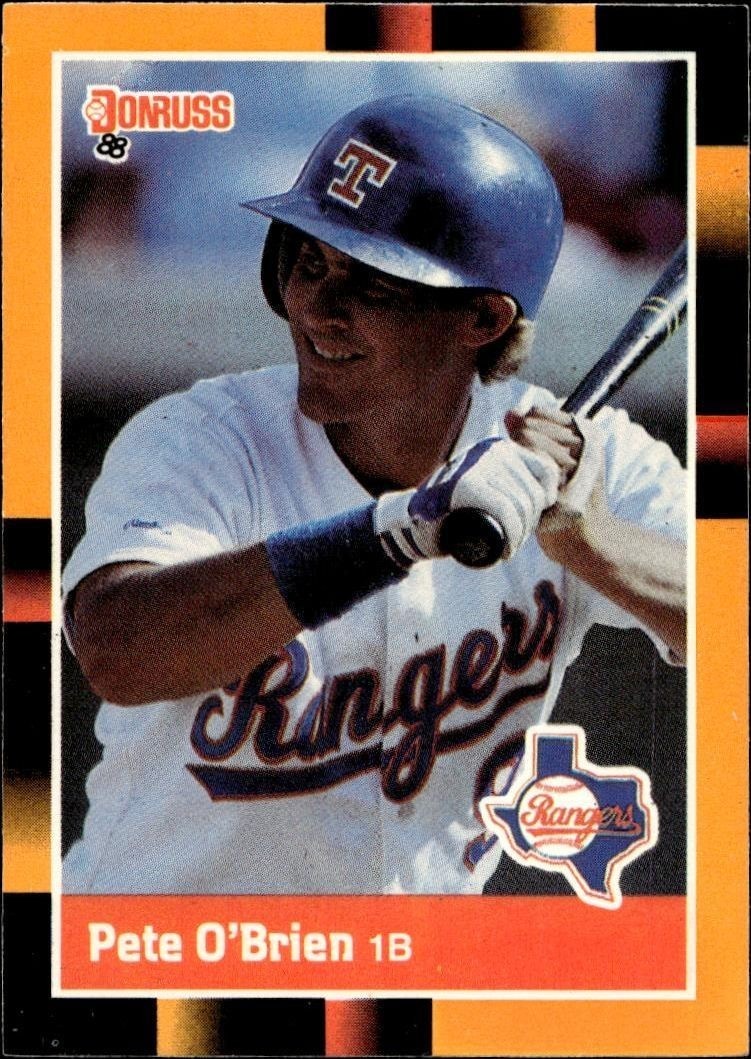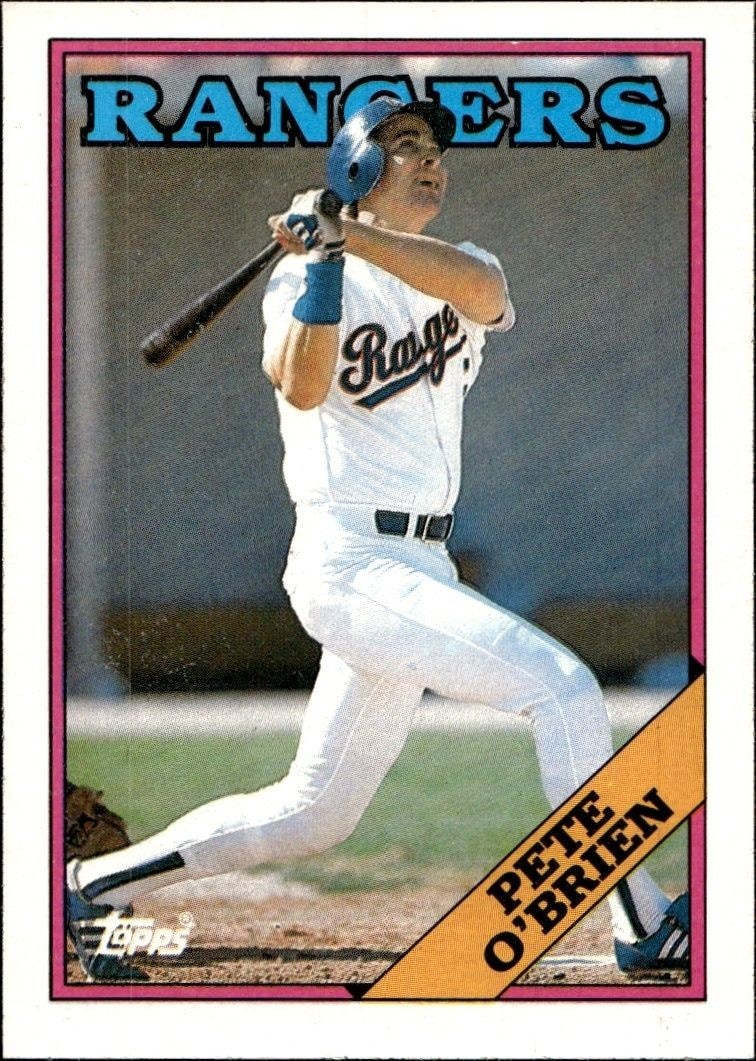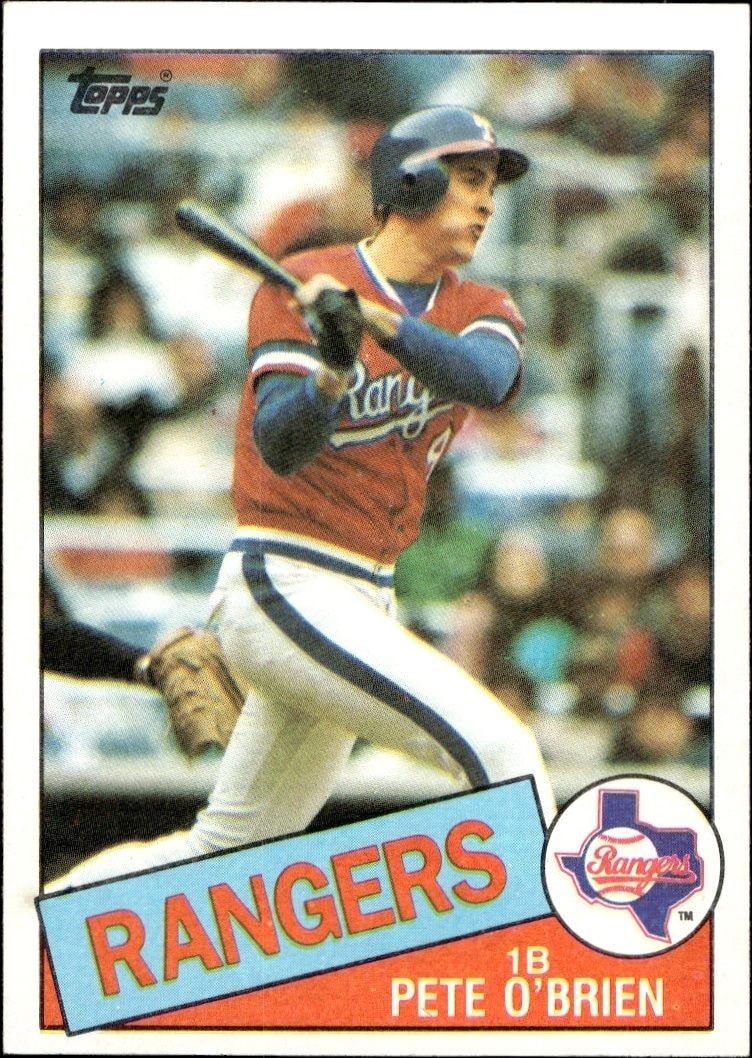





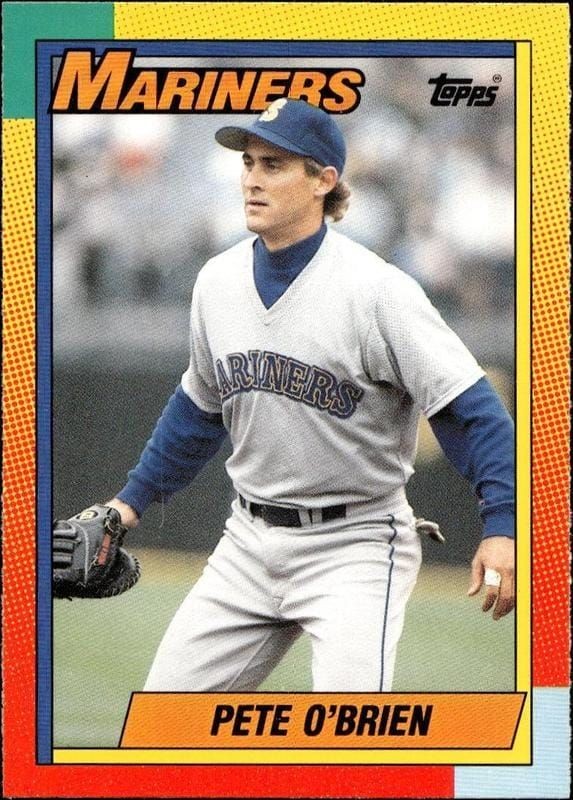
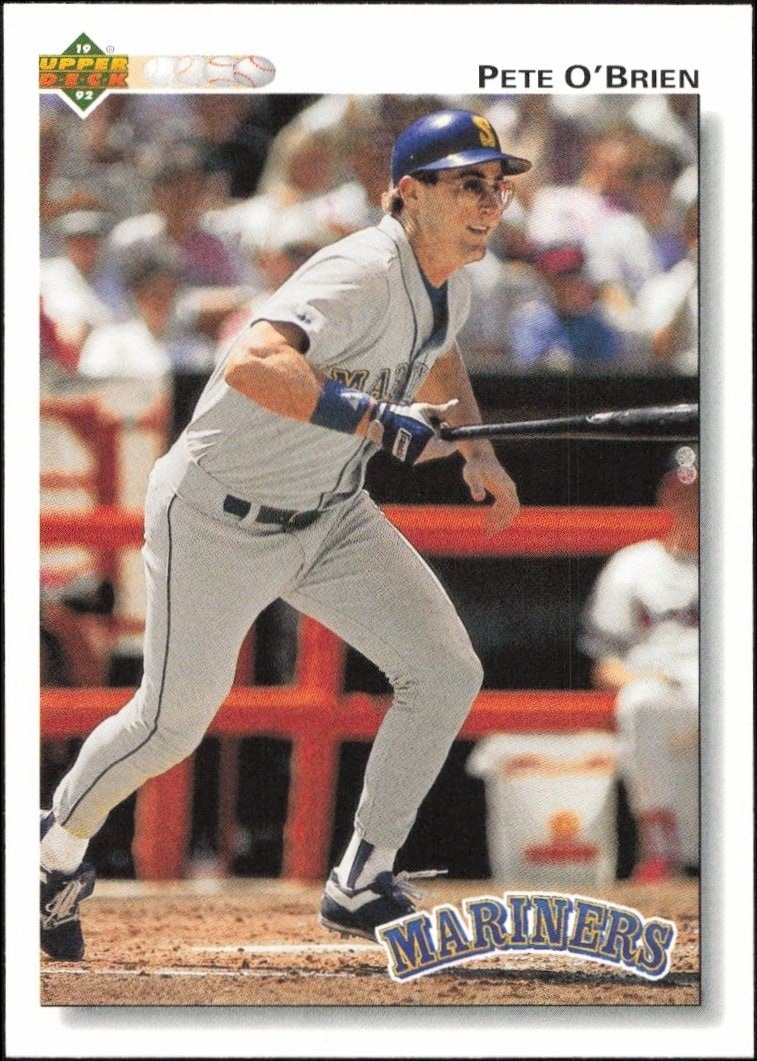


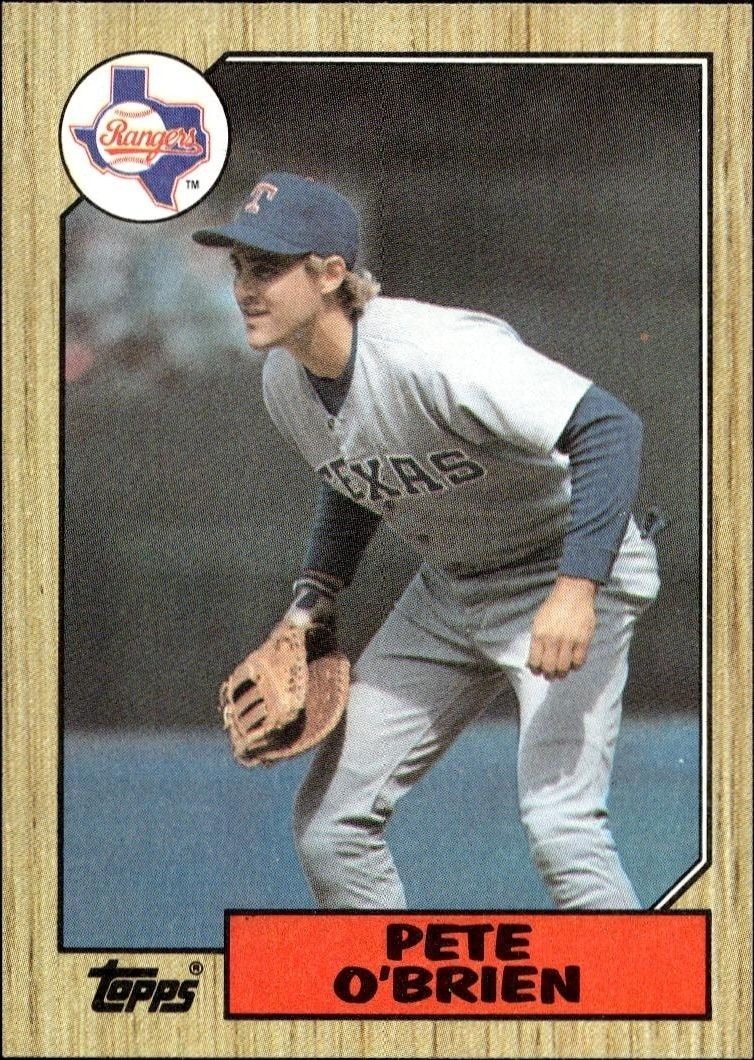

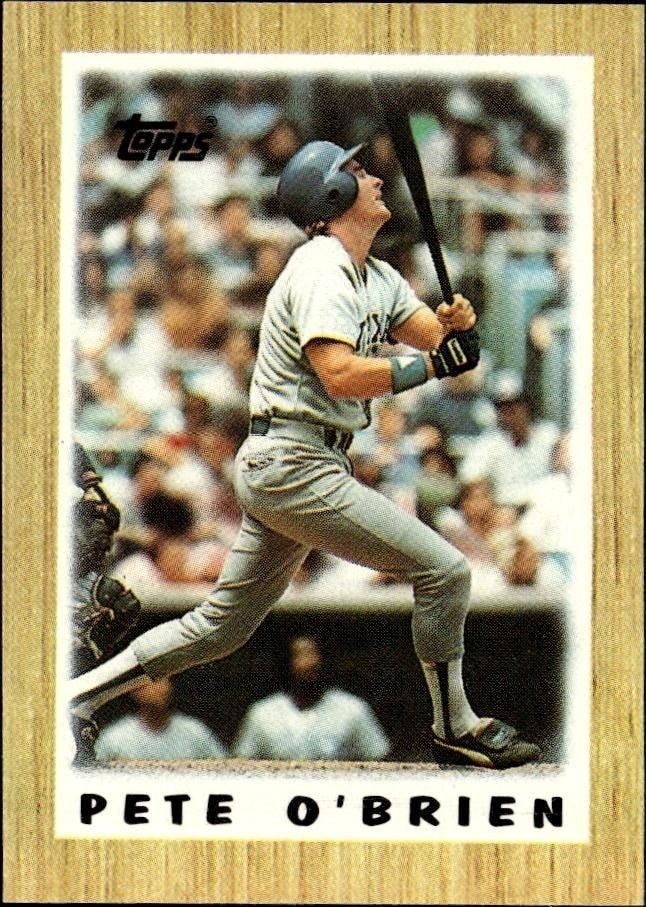

Explore the 1990 Upper Deck Pete O'Brien #719 baseball card, featuring the Seattle Mariners infielder from the landmark inaugural set of the Upper Deck brand.
1990 • Upper Deck • High Number
Major League Baseball • Seattle Mariners
Near Mint
719
New
Shipping Calculated at Checkout
This seller is away until 10/19/2026 — orders are still accepted and ship after they return.30-day Returns| Condition | Value | Source | Trend | Price Details |
|---|---|---|---|---|
$1.48 | Guide Estimate | |||
Raw / Ungraded
PriceCharting Price Guide · Guide Estimate evidence · captured Oct 11, 2026
History is building. At least two days of matching observations are needed to show a trend.
Each point is the last stored observation that day for this printing, condition, grader, autograph status and source. Gaps mean no observation; guide estimates and asking prices are not completed sales.The 1990 Upper Deck High Number series marked a pivotal shift in sports collectibles with its high-quality production values and glossy finish. Card #719 features Pete O'Brien during his tenure with the Seattle Mariners, capturing the team's identity during the early 1990s expansion era. As part of the inaugural Upper Deck release, this card represents a significant chapter in modern baseball card history, appealing to those who value the evolution of the hobby and the brands that defined it. Pete O'Brien served as a utility infielder for the Mariners, providing versatility on the diamond. The #719 card is a straightforward representation of the player within the base set, making it an accessible entry point for those building collections of early 1990s baseball memorabilia. Collectors often seek out 1990 Upper Deck cards for their historical significance as the first release from this major manufacturer. The set's enduring popularity ensures that individual cards like Pete O'Brien's #719 remain relevant in the secondary market. Whether you are completing a team set, focusing on Mariners history, or exploring the roots of modern card design, this product offers a tangible connection to a transformative year in sports collecting. The catalog identity remains constant, ensuring that every copy meets the high standards associated with the Upper Deck brand's debut.
1 day ago
We'll pre-fill the product details from this catalog entry, so your listing lands on this exact page. Just add photos of your copy, pick its condition, and set your price.
The catalog profile below summarizes the card identity, featured subject, and notable collectible traits.
The core identity of the card within the set.
The subject, team, league, and sport context tied to this card.
Production details and format-specific attributes.
Material
Card Stock
Language
English
Compare prices, grades, photos, and shipping from approved sellers.
New
Near Mint
See how many public collections currently include this card.
0 collectors have this card
This 1990 Upper Deck High Number Pete O'Brien card represents a value-tier entry within the broader Upper Deck baseball market, reflecting its status as a non-star player from a specific subset of that year's release. The current pricing suggests it trades at a modest level compared to star counterparts, serving more as a completionist item than a premium collectible. Its market position is defined by accessibility rather than scarcity or high-end condition premiums.
As a base card with no noted special attributes such as serial numbering, short printing, or parallel variations, this item shares the general supply constraints of the standard High Number set. The lack of distinct scarcity mechanics means its availability is driven entirely by the original print run of the base set, without additional supply constraints from limited editions or unique identifiers.
Investment potential is limited by the card's classification as a non-rookie, non-star issue from a standard parallel set, which typically sees lower collector demand over time. While the High Number series holds niche interest for completists, the absence of rookie status or unique scarcity attributes reduces its upside potential in the secondary market. It remains a stable, low-risk acquisition for set builders rather than a growth-oriented asset.