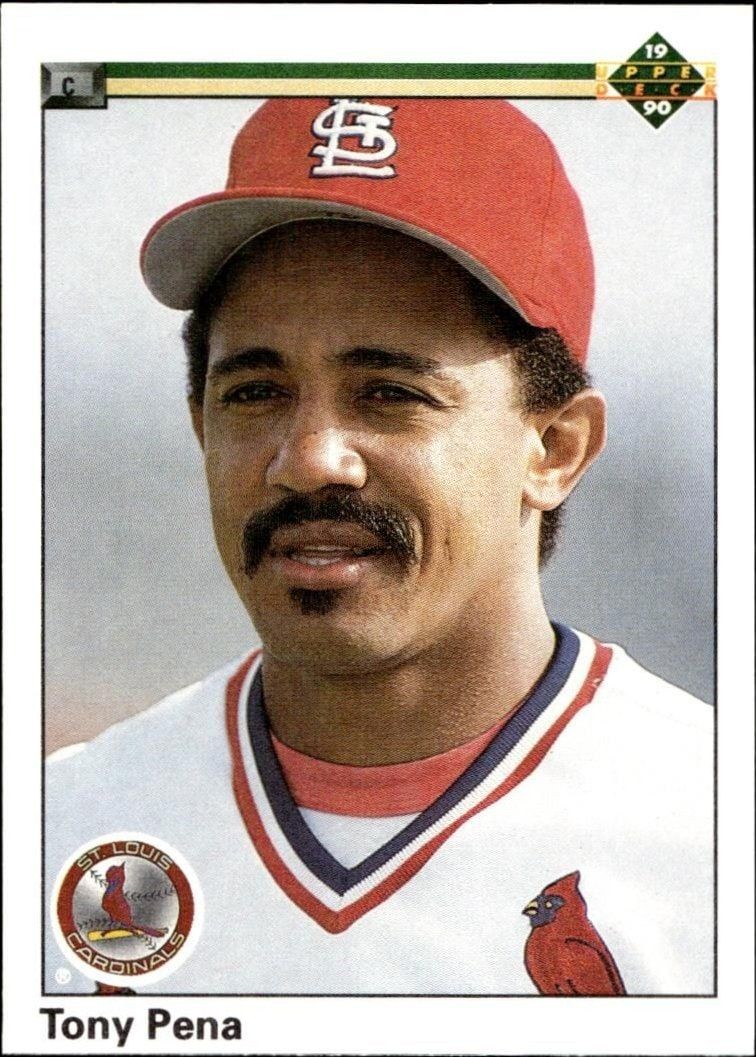

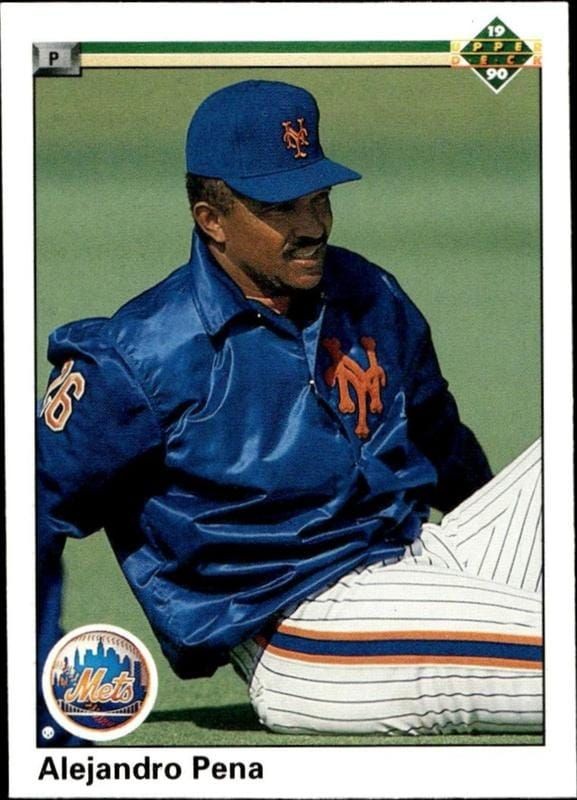


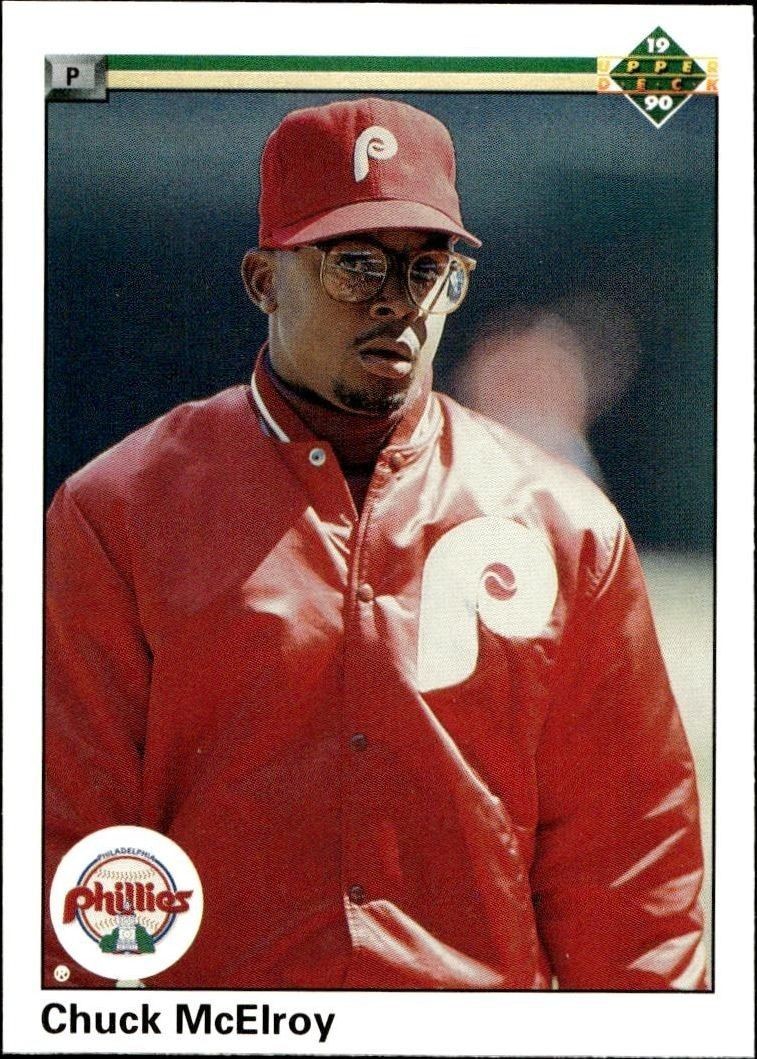

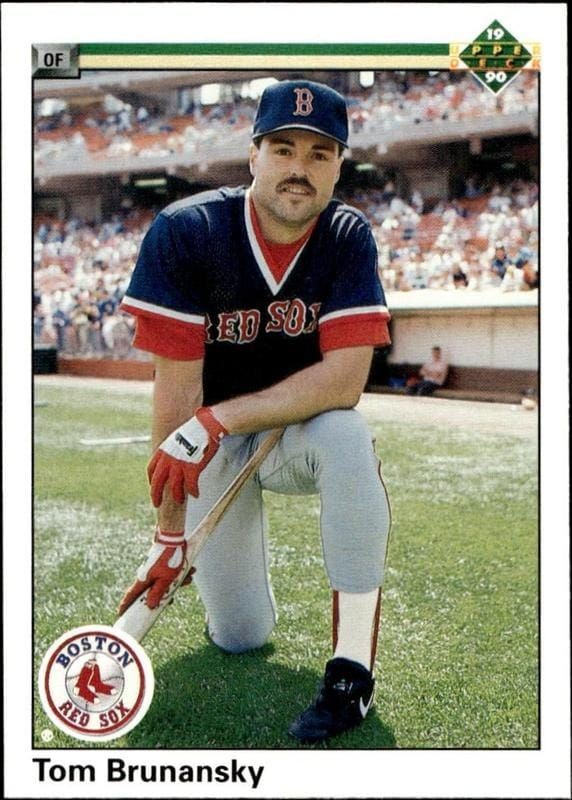





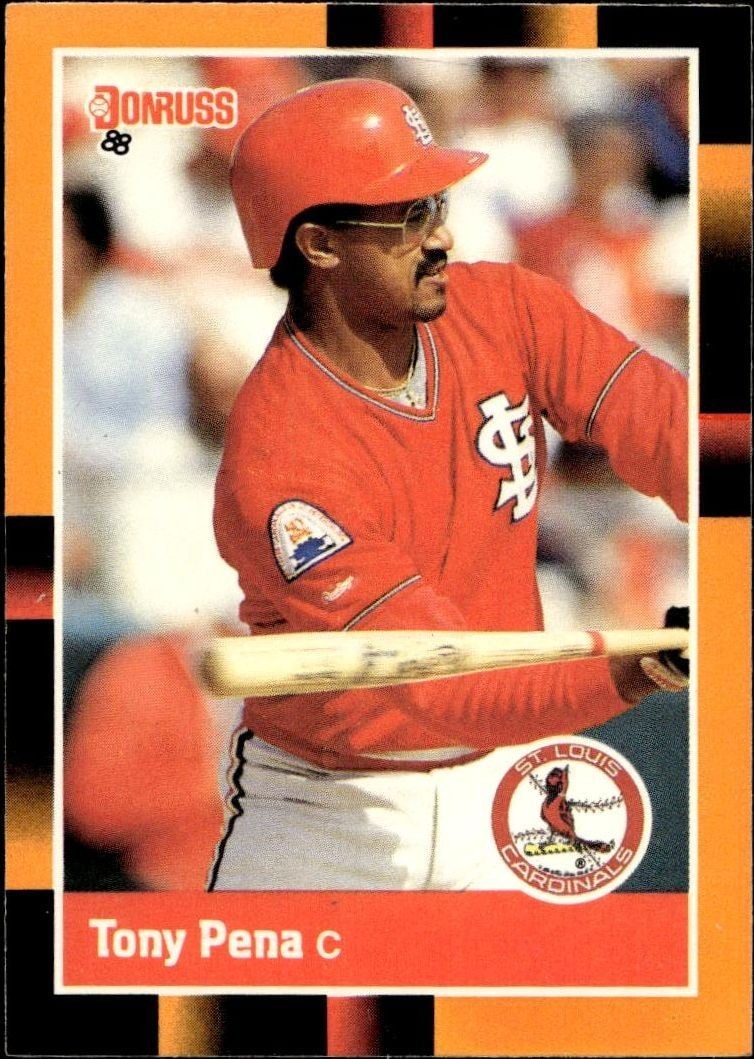
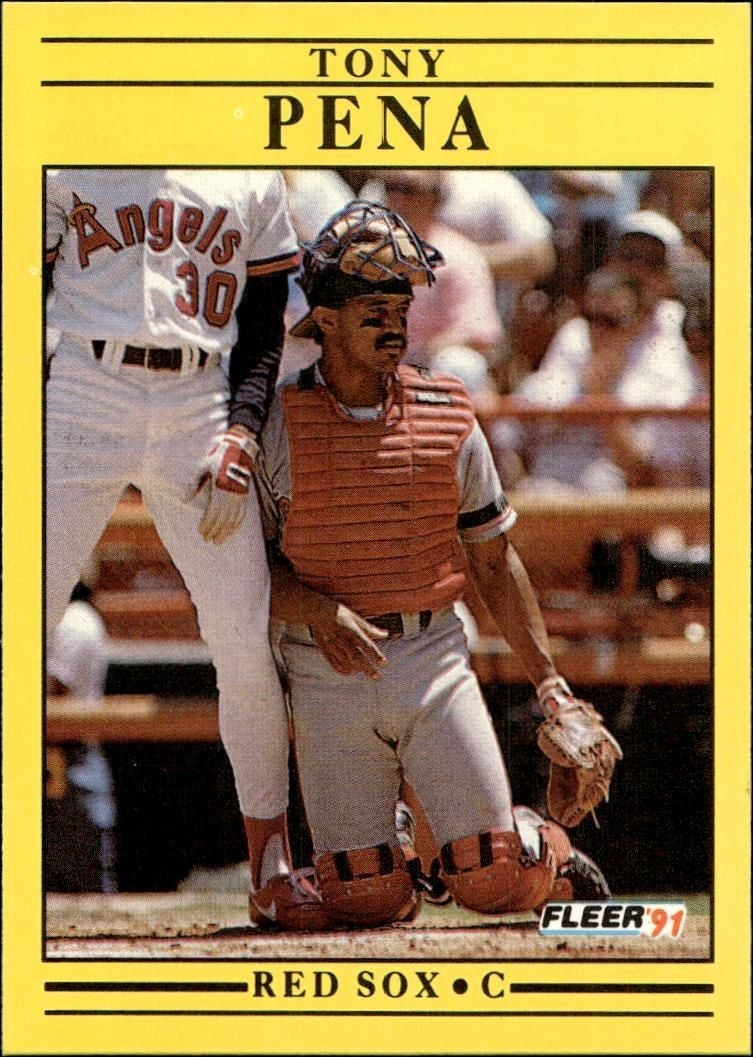
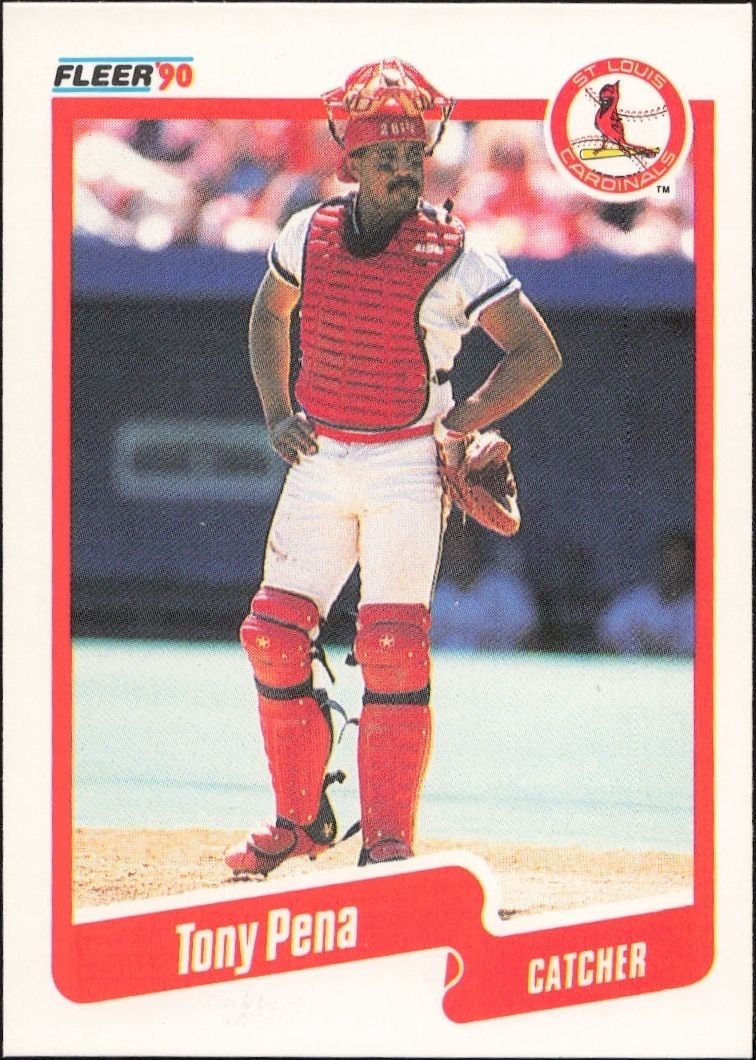
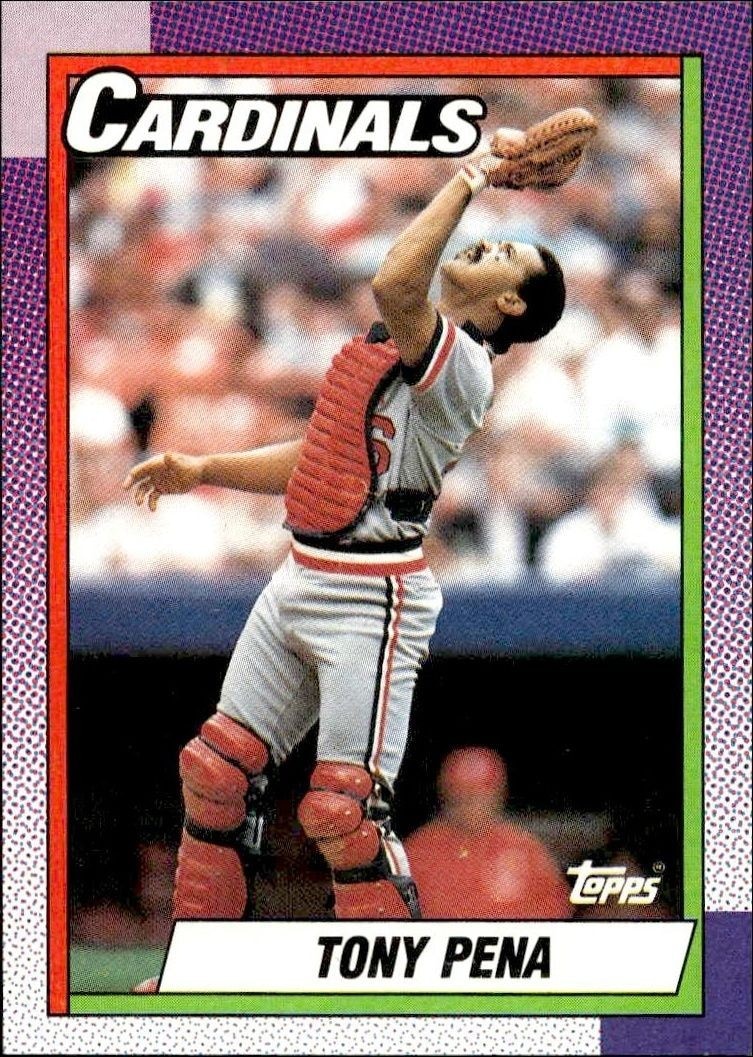

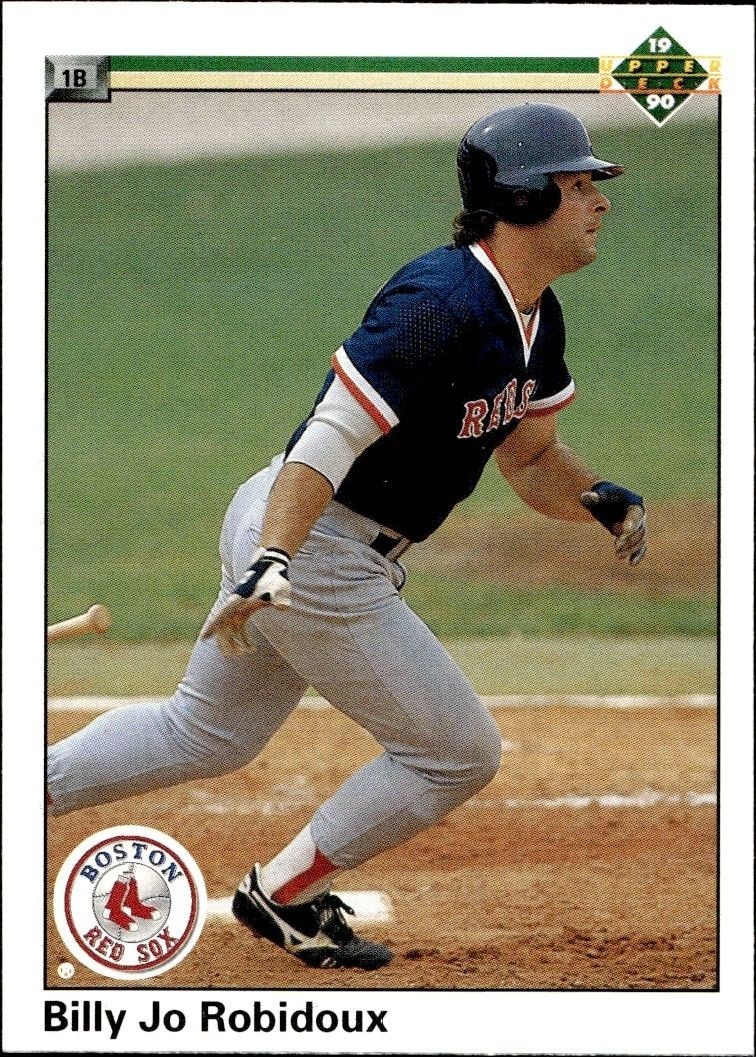
Discover the 1990 Upper Deck High Number Tony Pena #748 baseball card, a key piece for vintage collectors seeking Boston Red Sox history.
1990 • Upper Deck • High Number
Major League Baseball • Boston Red Sox
Excellent
748
New
Shipping Calculated at Checkout
This seller is away until 10/19/2026 — orders are still accepted and ship after they return.30-day Returns| Condition | Value | Source | Trend | Price Details |
|---|---|---|---|---|
$1.40 | Guide Estimate | |||
Raw / Ungraded
PriceCharting Price Guide · Guide Estimate evidence · captured Oct 11, 2026
History is building. At least two days of matching observations are needed to show a trend.
Each point is the last stored observation that day for this printing, condition, grader, autograph status and source. Gaps mean no observation; guide estimates and asking prices are not completed sales.The 1990 Upper Deck High Number series expanded the standard 792-card base set, offering deeper coverage of the Major League Baseball landscape. Card #748 features Tony Pena, a seasoned catcher who spent the 1990 season with the Boston Red Sox. This release is part of Upper Deck's inaugural year, a pivotal moment that introduced a sleek, modern design aesthetic to the trading card market, moving away from the textured borders of previous decades. Collectors targeting this card number are often focused on completing high-number subsets or building comprehensive rosters of 1990 MLB players. Tony Pena’s tenure with the Red Sox provides historical context for fans of the franchise, making this card a relevant addition for those tracking team history. The High Number designation indicates its position later in the set, appealing to specialists who value the breadth of the original release., we provide access to diverse selections of vintage baseball cards, ensuring that enthusiasts can find the pieces needed to finish their sets. Whether you are investing in the early 90s era or specifically hunting for Upper Deck High Number cards, our catalog supports serious collectors in their pursuit of authentic memorabilia. Focus on the historical significance of the subject and the brand's legacy when evaluating this card. ## Sources - Upper Deck Company. "1990 Upper Deck Baseball Set Overview." Upper Deck Archives. - Beckett Media. "1990 Upper Deck Baseball Card Price Guide." Beckett.com. - Baseball-Reference. "Tony Pena 1990 Batting Game Log." Baseball-Reference.com.
1 day ago
We'll pre-fill the product details from this catalog entry, so your listing lands on this exact page. Just add photos of your copy, pick its condition, and set your price.
The catalog profile below summarizes the card identity, featured subject, and notable collectible traits.
The core identity of the card within the set.
The subject, team, league, and sport context tied to this card.
Production details and format-specific attributes.
Material
Card Stock
Language
English
Compare prices, grades, photos, and shipping from approved sellers.
New
Excellent
See how many public collections currently include this card.
0 collectors have this card
This card represents a baseline entry point for Tony Pena collectors, reflecting his role as a utility player rather than a franchise cornerstone. It trades at the lower end of the market spectrum, lacking the premium associated with rookie issues or high-grade specimens. The value is driven primarily by general set completion demand rather than individual player significance.
As a standard base card from the 1990 Upper Deck High Number set, this item carries no serial numbering, short-print status, or parallel variations to constrain supply. Its availability is determined solely by the total production volume of the base set, which was high during this era. Consequently, it does not possess the scarcity mechanics that typically drive long-term value appreciation in vintage baseball cards.
This card is best suited for collectors focusing on set completion or specific team memorabilia for the 1990 Boston Red Sox. It lacks the rookie-card premium or unique attribute drivers necessary for significant capital growth. Investors should view this as a low-risk, low-reward acquisition for filling gaps in a broader collection rather than a standalone investment asset.