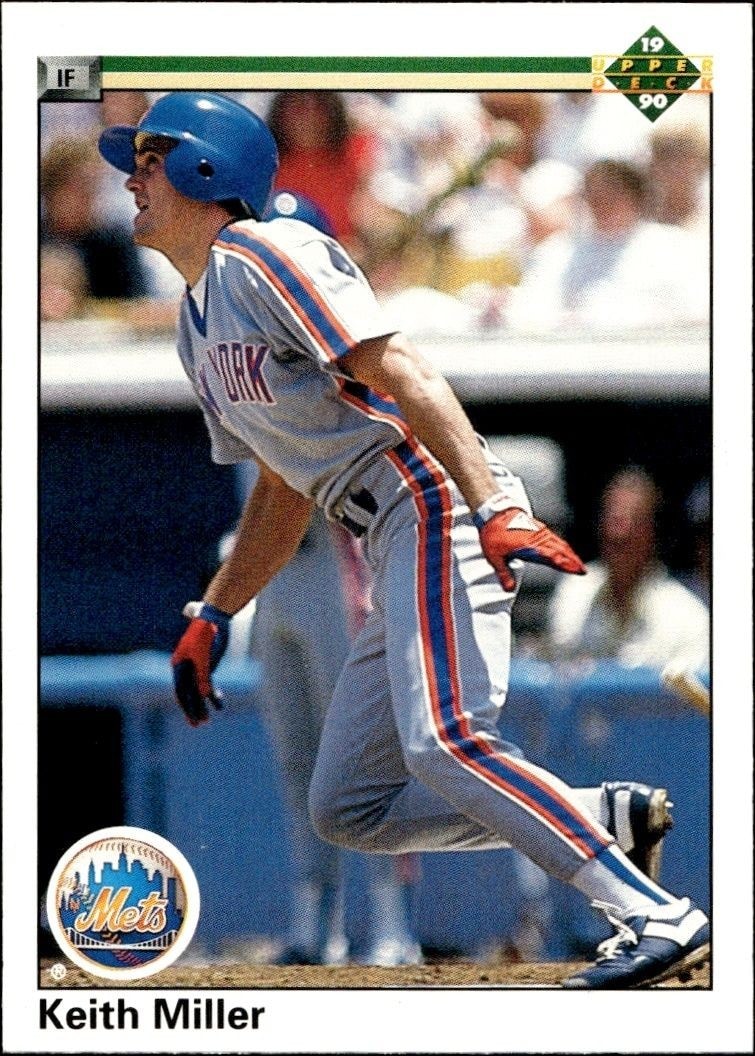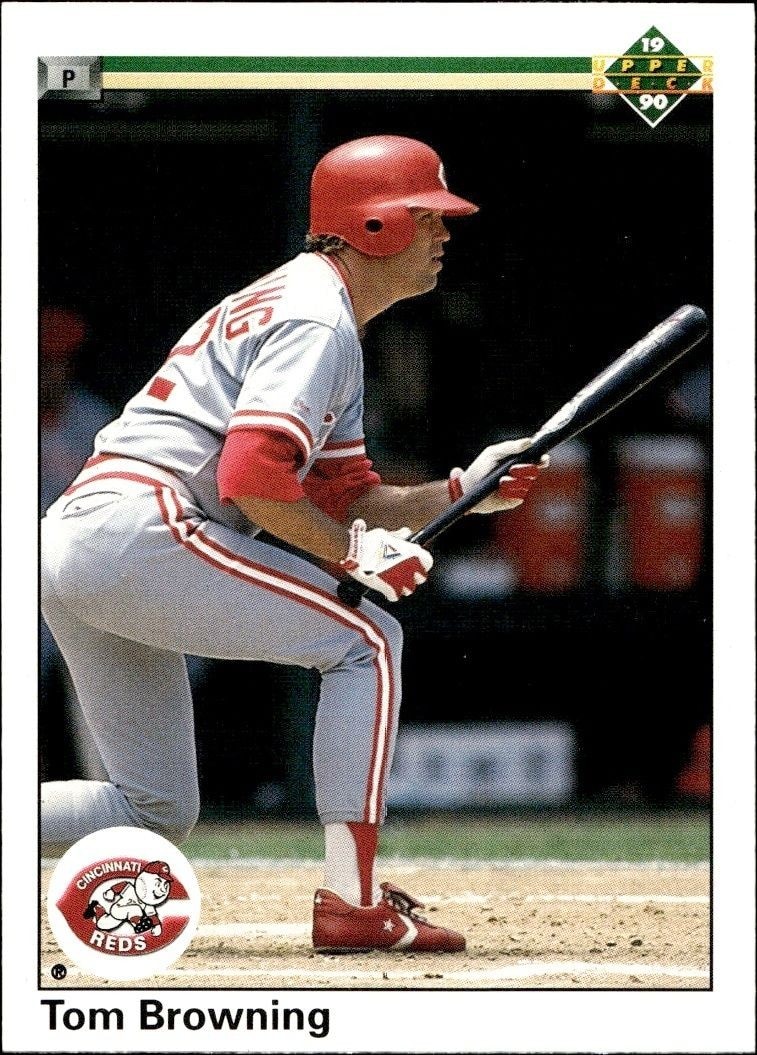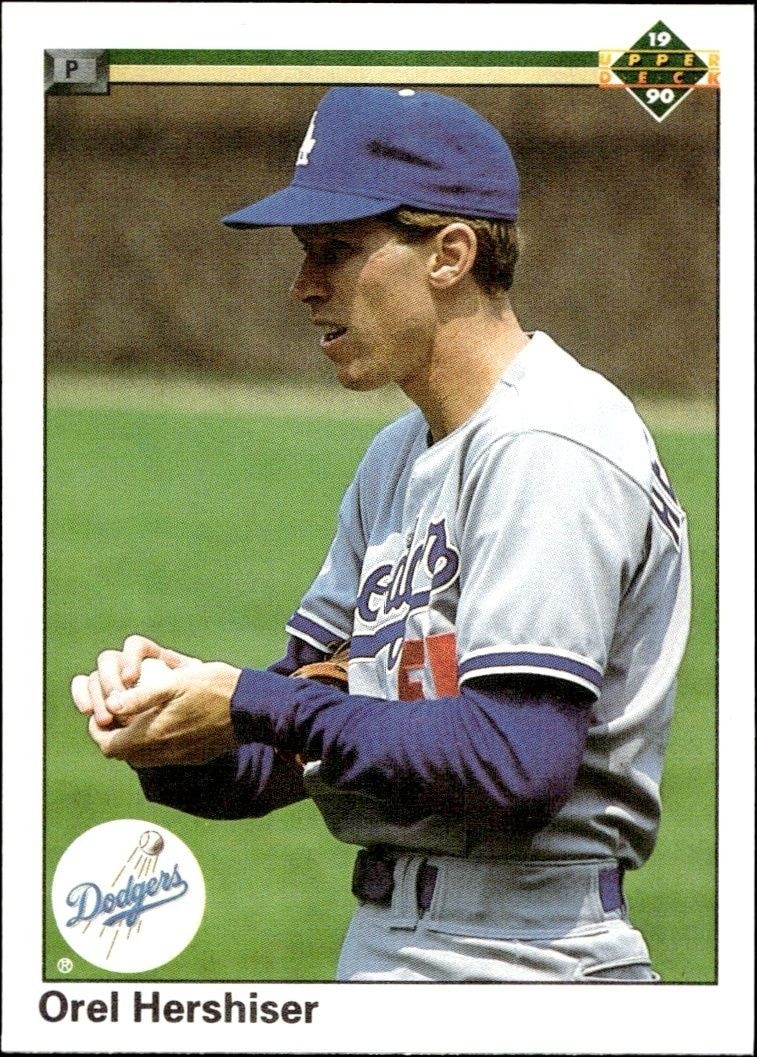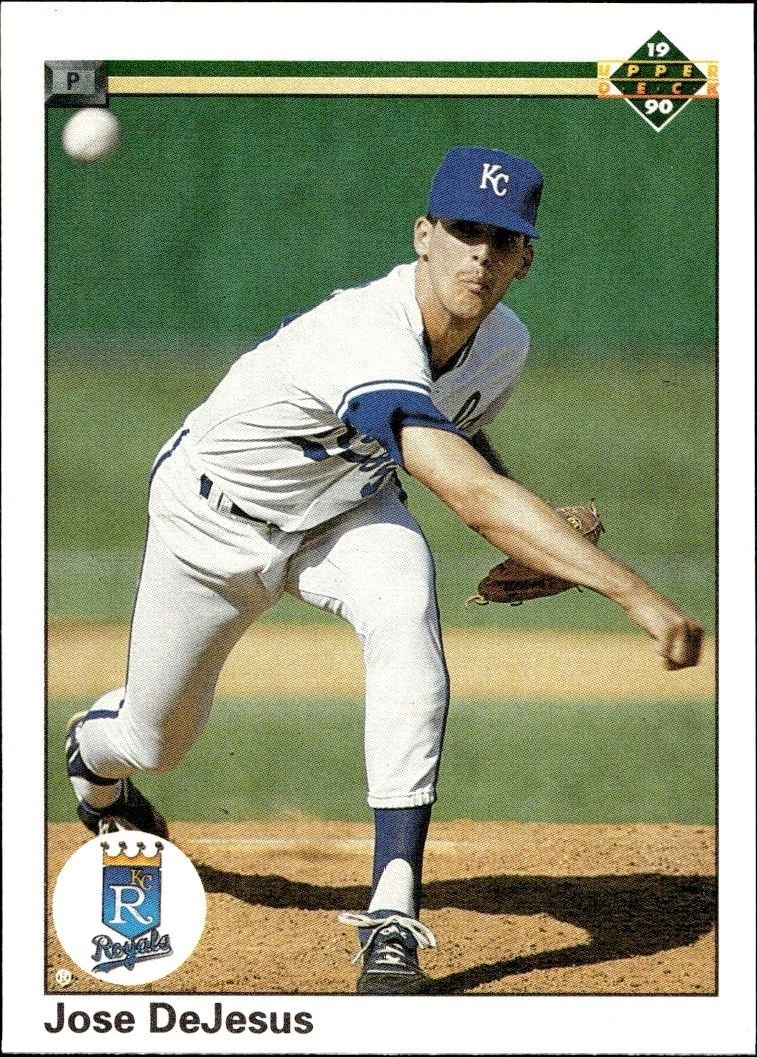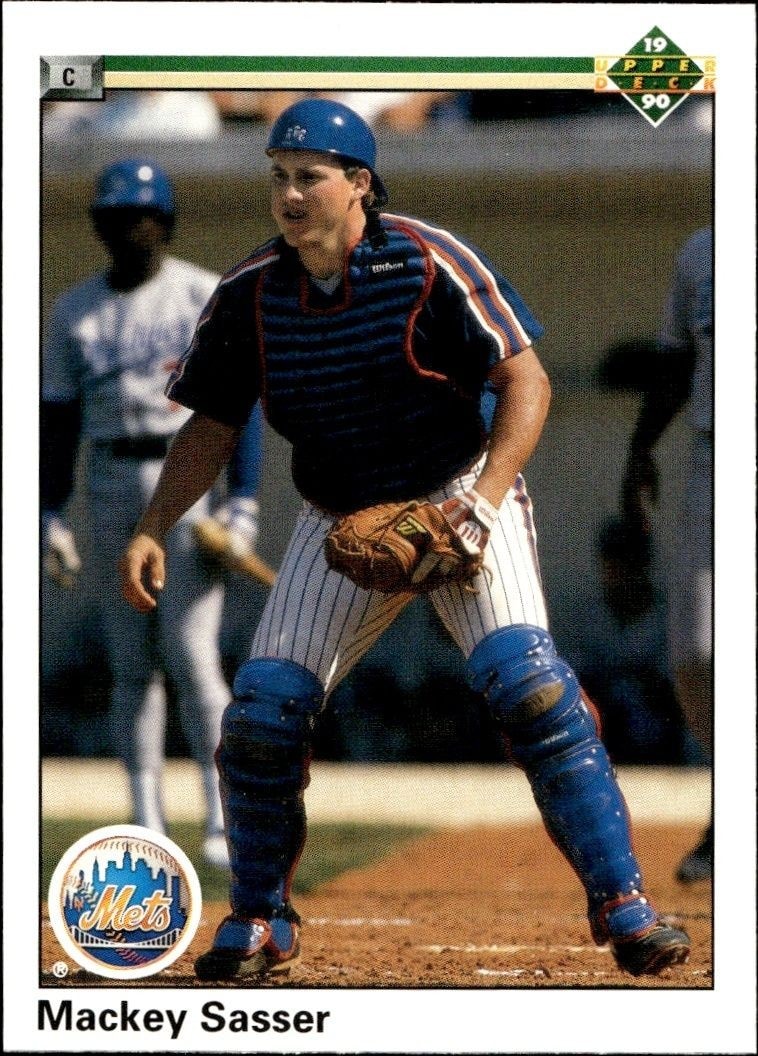
1990 • Upper Deck • Low Number
Major League Baseball • Seattle Mariners
Near Mint
210
New
Shipping Calculated at Checkout
Arrives in 4-6 daysEstimated delivery October 24, 2026 - October 26, 2026
30-day Returns| Condition | Value | Source | Trend | Price Details |
|---|---|---|---|---|
$1.15As of 9/29/2026 | Guide Estimate | |||
Raw / Ungraded
PriceCharting Price Guide · Guide Estimate evidence · captured Sep 29, 2026
History is building. At least two days of matching observations are needed to show a trend.
Each point is the last stored observation that day for this printing, condition, grader, autograph status and source. Gaps mean no observation; guide estimates and asking prices are not completed sales.We'll pre-fill the product details from this catalog entry, so your listing lands on this exact page. Just add photos of your copy, pick its condition, and set your price.
The catalog profile below summarizes the card identity, featured subject, and notable collectible traits.
The core identity of the card within the set.
The subject, team, league, and sport context tied to this card.
Production details and format-specific attributes.
Material
Card Stock
Language
English
Compare prices, grades, photos, and shipping from approved sellers.
New
Near Mint
See how many public collections currently include this card.
0 collectors have this card
As a 1990 Upper Deck card, this item represents a nostalgic entry point into early-90s baseball collecting, a period often viewed through a lens of vintage charm rather than modern scarcity. While Jerry Reed was not a marquee superstar, the card holds a modest niche value driven by its specific team affiliation with the Seattle Mariners and its status as a product from a foundational year for the franchise. The lack of special attributes suggests it trades at a baseline price tier relative to his other issues, appealing primarily to team-focused completists rather than high-end investors.
The card is identified within the 'Low Number' series, which typically implies a sequential numbering mechanic that can create a perception of exclusivity even on standard base cards. Without noted parallel variations, short-print status, or serial numbering limits beyond the series designation, the supply is likely robust and comparable to the main set distribution. This absence of distinct scarcity markers means the card does not benefit from the supply constraints that drive premiums in more specialized subsets.
Investment potential is largely tied to the broader vintage baseball market and the specific interest in early Mariners history rather than individual player performance metrics. As a non-rookie, non-premium card from a mass-produced era, it serves best as a fill-in for team sets or a low-cost acquisition for collectors building a 1990 Upper Deck base collection. Demand remains stable but limited, driven by nostalgia and set completion needs rather than speculative growth or rarity-driven appreciation.