



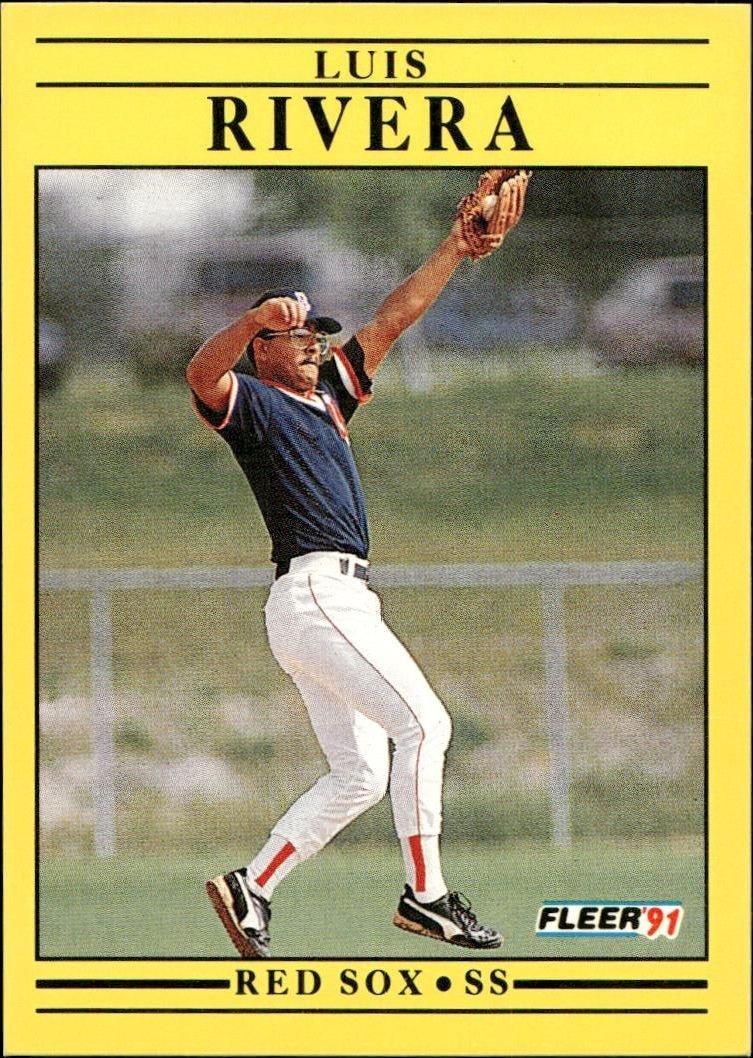


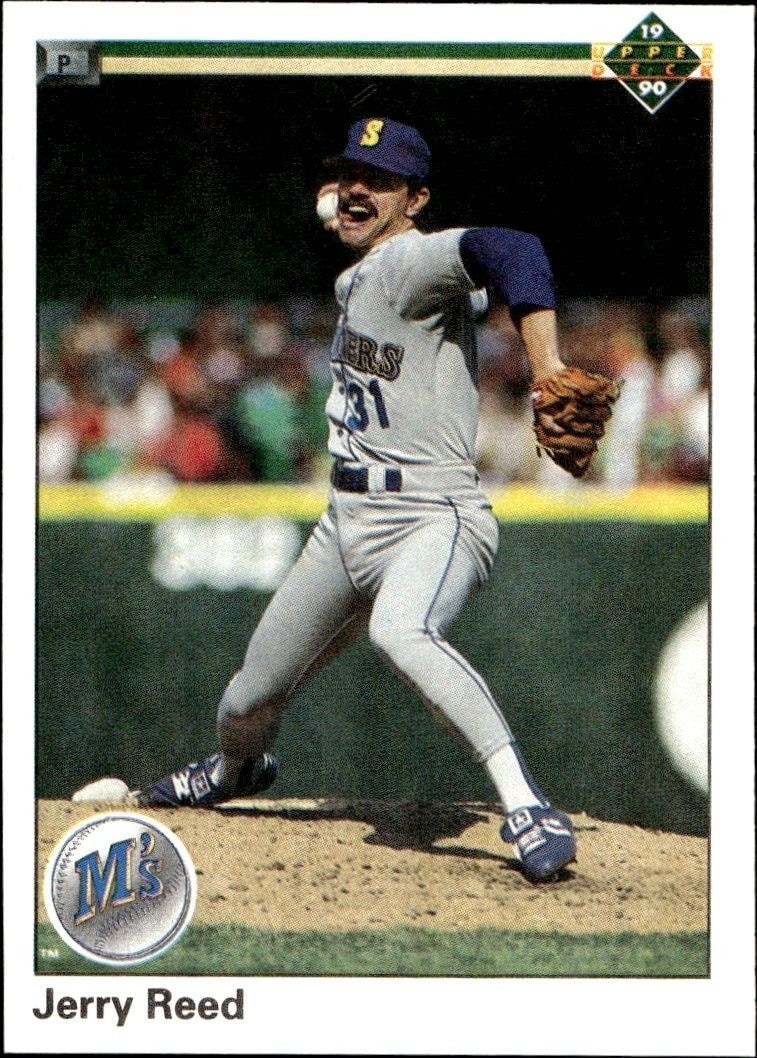
This product identifies the 1991 Fleer baseball trading card featuring Jerry Reed, numbered #110 in the base set.
1991 • Fleer
Major League Baseball • Boston Red Sox
Near Mint
110
New
Shipping Calculated at Checkout
30-day Returns| Condition | Value | Source | Trend | Price Details |
|---|---|---|---|---|
$1.14 | Guide Estimate | |||
Raw / Ungraded
PriceCharting Price Guide · Guide Estimate evidence · captured Oct 6, 2026
History is building. At least two days of matching observations are needed to show a trend.
Each point is the last stored observation that day for this printing, condition, grader, autograph status and source. Gaps mean no observation; guide estimates and asking prices are not completed sales.The 1991 Fleer baseball card numbered #110 features Jerry Reed, capturing the player during his tenure with the Boston Red Sox. This release is part of the broader 1991 Fleer set, which remains a staple for collectors focused on early 1990s baseball memorabilia. The card's design reflects the aesthetic trends of the era, providing a tangible link to the sport's history during that period. For collectors, this product serves as a key component for those building comprehensive sets or focusing on specific players from the Boston Red Sox roster. The Fleer brand is well-known in the trading card industry, and cards from this year continue to attract interest due to their historical context. Jerry Reed's inclusion in this base set offers a straightforward yet valuable addition to any collection centered on the Boston Red Sox or the 1991 baseball season. Whether you are a hobbyist looking to complete a personal collection or an investor interested in the long-term potential of vintage baseball cards, the 1991 Fleer #110 provides a distinct piece of sports history. The card's identity is firmly rooted in the Fleer brand and the specific year of issue, making it a recognizable item for enthusiasts. Collectors often seek out cards from this era to experience the visual style and player rosters of the early '90s. By focusing on the fundamental attributes of the card—its year, brand, subject, and team—you can make informed decisions about adding this product to your portfolio. The 1991 Fleer Jerry Reed #110 stands as a representative piece of baseball card collecting, offering a clear connection to the past without relying on modern grading or certification. It is an essential reference point for understanding the evolution of baseball cards and the players who shaped the game during that decade.
2 days ago
We'll pre-fill the product details from this catalog entry, so your listing lands on this exact page. Just add photos of your copy, pick its condition, and set your price.
The catalog profile below summarizes the card identity, featured subject, and notable collectible traits.
The subject, team, league, and sport context tied to this card.
Production details and format-specific attributes.
Material
Card Stock
Language
English
Compare prices, grades, photos, and shipping from approved sellers.
New
Near Mint
See how many public collections currently include this card.
0 collectors have this card
This 1991 Fleer Jerry Reed card sits at the lower end of the price spectrum, reflecting its status as a common base card from a highly saturated era of production. While it holds nostalgic value for collectors focused on the Boston Red Sox or the early 1990s market, it lacks the premium drivers found in higher-tier parallels or rookie issues. The current market positioning suggests it is accessible to entry-level collectors but does not command significant appreciation relative to more sought-after counterparts from the same set.
The card is identified as a standard base issue with no noted serial numbering, short-print status, or parallel variations to constrain its supply. As a mass-produced item from the Fleer brand in 1991, its scarcity is defined by its ubiquity rather than any limited edition mechanics. Consequently, the supply remains abundant, distinguishing it from rarer subsets that might feature unique manufacturing processes or exclusive distribution channels.
Investment potential is limited by the card's position as a non-rookie base issue from a high-volume set, which typically sees minimal long-term value retention. Collector demand is likely driven primarily by team-specific needs or general nostalgia rather than speculative growth. Without unique attributes or rookie status to stimulate active bidding, the card is best viewed as a casual acquisition rather than a strategic portfolio addition.
