1 / 2
About This Card
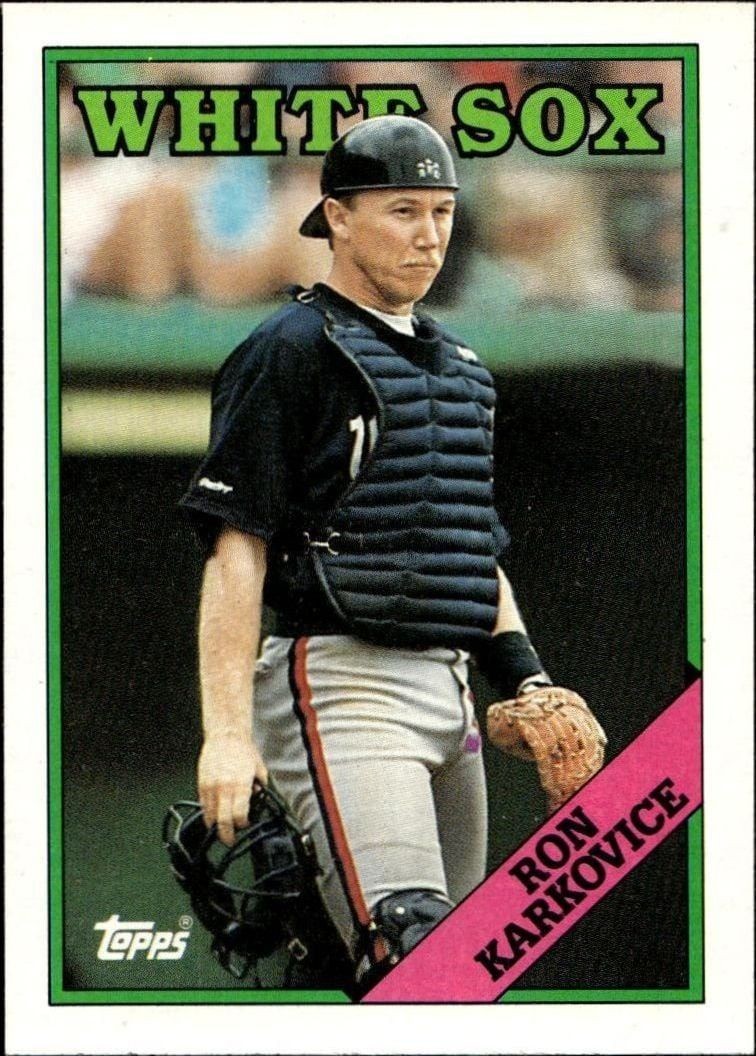
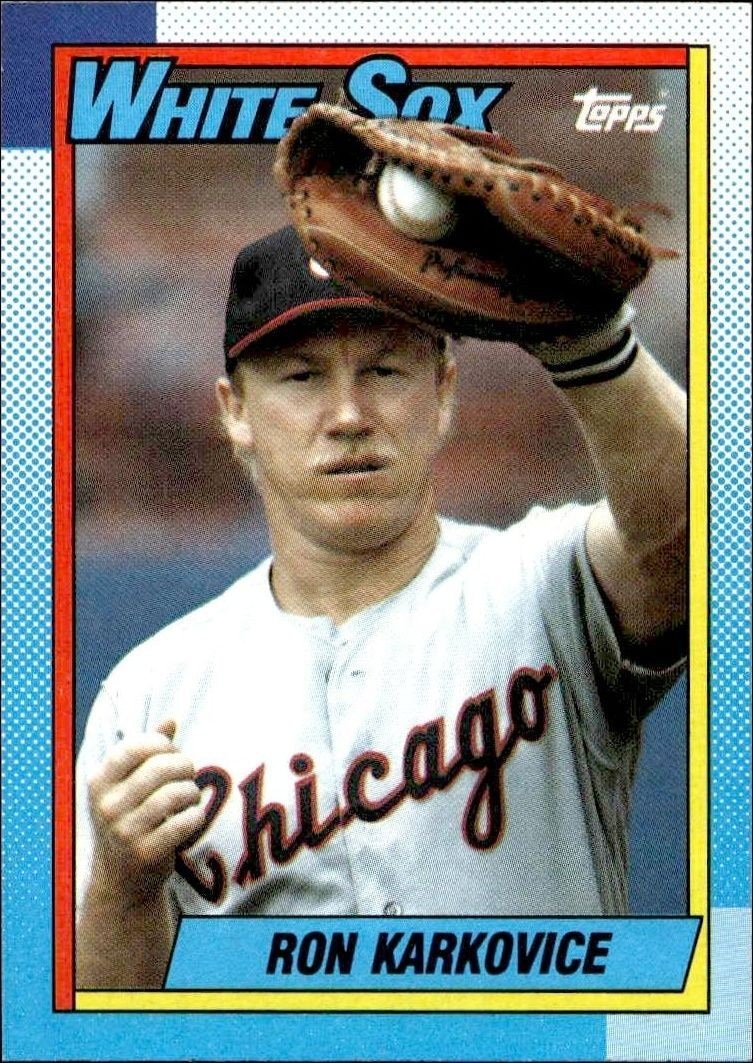
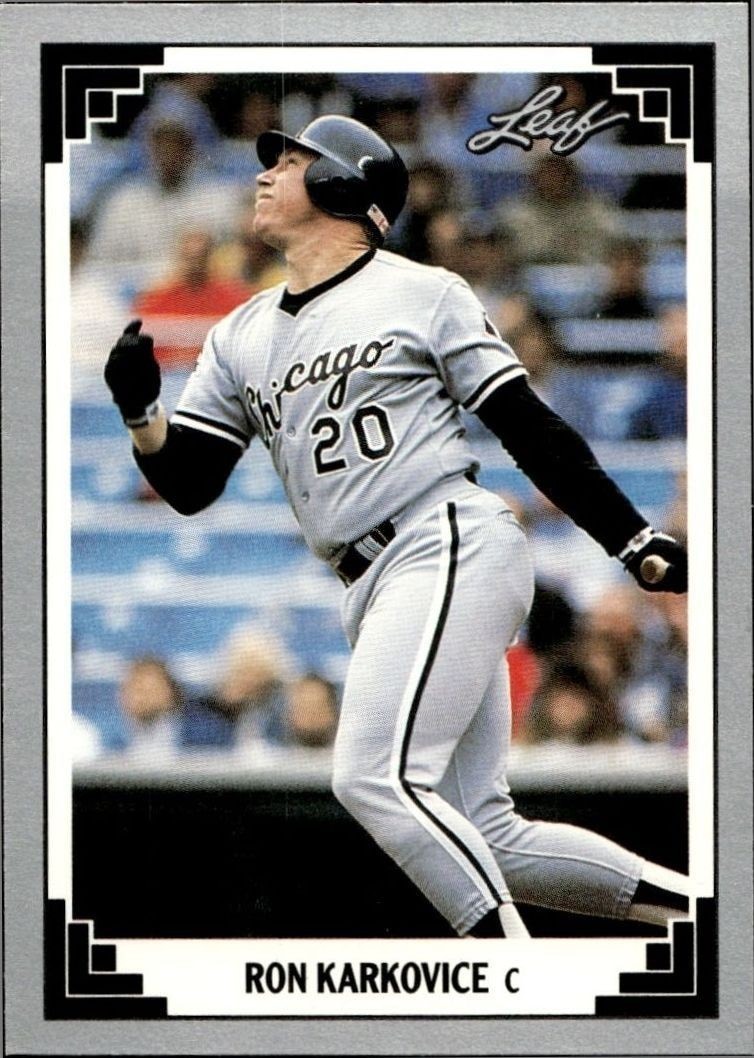
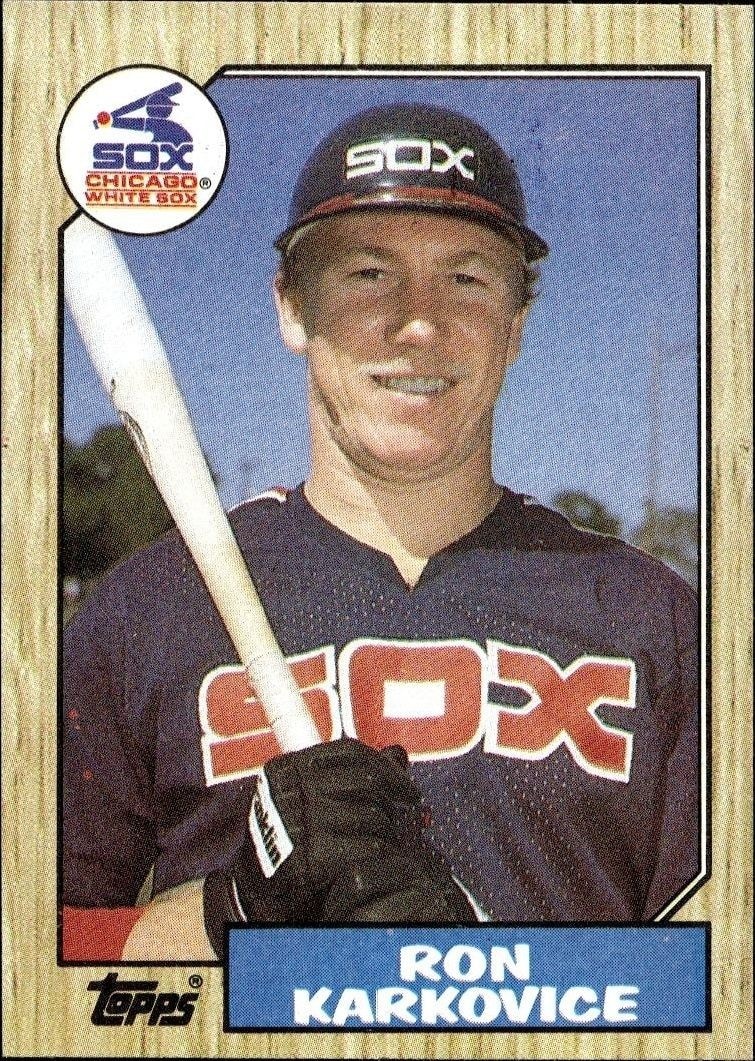
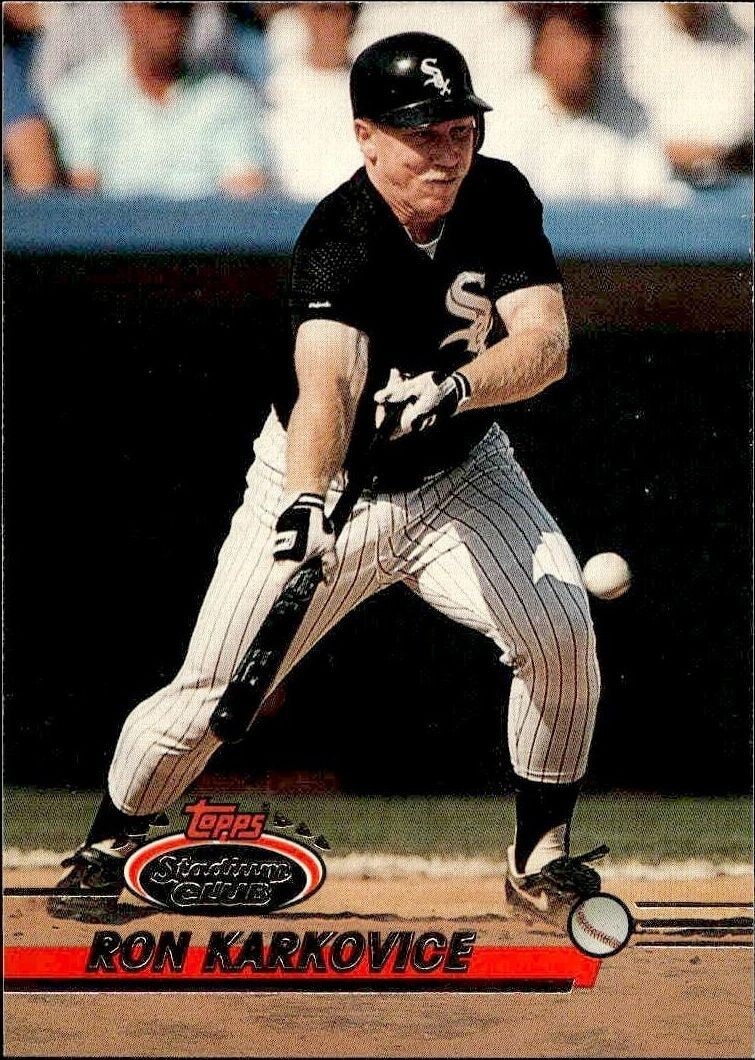
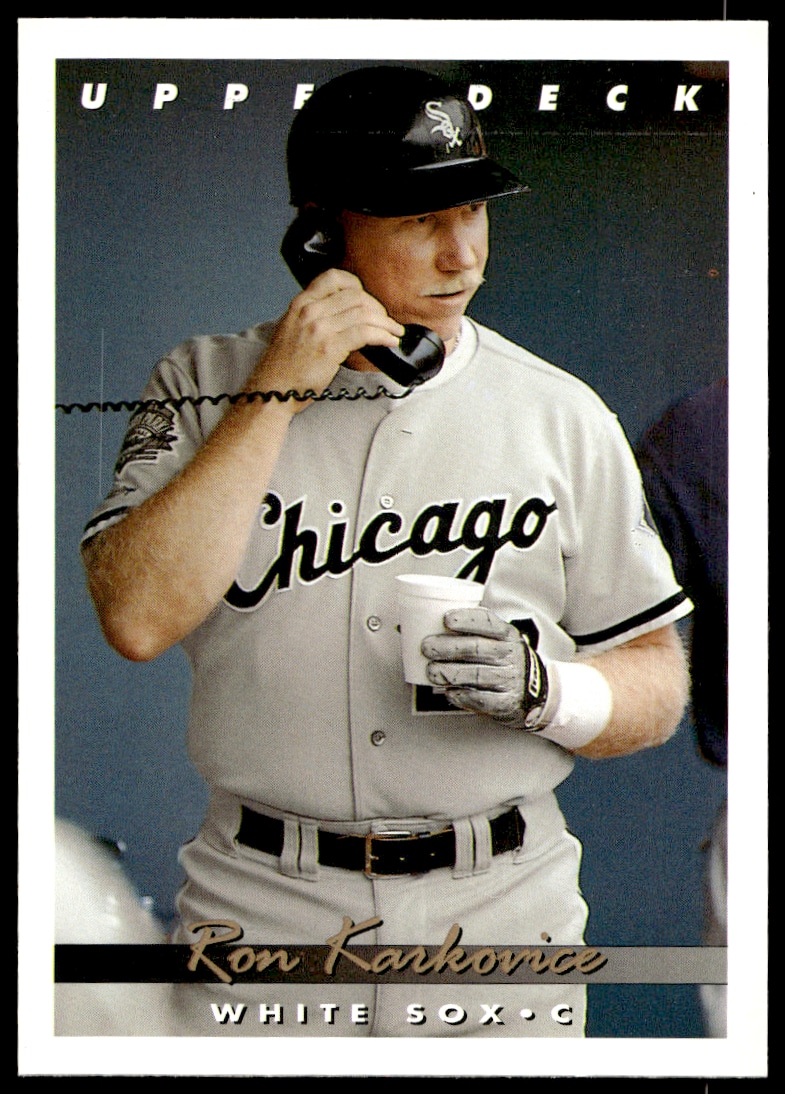
This 1990 Upper Deck Low Number Ron Karkovice #69 baseball card highlights the Chicago White Sox catcher during his early career years.
Ron Karkovice
1990 • Upper Deck • Low Number
Major League Baseball • Chicago White Sox
Seller Offer
1 available$1.00
Raw/Ungraded Market: $0.06
Updated 14 days ago1567% above
Condition
Near Mint
Card Number
69
Loading express checkout
Primary Seller
New
Shipping Calculated at Checkout
Arrives in 5-7 daysEstimated delivery December 3, 2026 - December 5, 2026
30-day ReturnsMarket & Price History
| Condition | Value | Source | Trend | Price Details |
|---|---|---|---|---|
$0.06 | Guide Estimate | |||
- $0.06
- Source
- Guide Estimate
- Trend
- Price Details
30-day Price History
Raw / Ungraded
PriceCharting Price Guide · Guide Estimate evidence · captured Nov 15, 2026
History is building. At least two days of matching observations are needed to show a trend.
Each point is the last stored observation that day for this printing, condition, grader, autograph status and source. Gaps mean no observation; guide estimates and asking prices are not completed sales.Product Overview
Description
The 1990 Upper Deck Low Number Ron Karkovice #69 card captures the Chicago White Sox catcher during a pivotal era of his professional career. Issued by Upper Deck, this release is part of the Low Number series, which distinguishes itself by assigning sequential numbers well below the standard base set count. For collectors focused on the 1990 Upper Deck Baseball set, card #69 represents a unique slot within the catalog structure, offering a different numerical identity compared to the traditional numbered releases. Ron Karkovice was a central figure for the White Sox during this period, making this card a relevant piece for fans tracking his development as a major league player. The Low Number series was designed to provide variety within the broader Upper Deck lineup, and #69 fits into that distinct numerical framework. Collectors often seek out these lower-numbered cards to complete specific numerical subsets or to diversify their 1990 Upper Deck collections with less common entries. Whether you are building a comprehensive archive of 1990s baseball cards or focusing on Chicago White Sox memorabilia, this product offers a tangible connection to that specific season. The card serves as a foundational element for enthusiasts who value the structural diversity of Upper Deck's early production years. Exploring the full range of 1990 Upper Deck releases reveals how Low Number cards complement the main set, providing depth for serious investors and hobbyists alike.
Last Listing Activity
16 hours ago
Seller Action
Have one of these to sell?
We'll pre-fill the product details from this catalog entry, so your listing lands on this exact page. Just add photos of your copy, pick its condition, and set your price.
Product Specs
Card Details
The catalog profile below summarizes the card identity, featured subject, and notable collectible traits.
Catalog Profile
The core identity of the card within the set.
Featured Subject
The subject, team, league, and sport context tied to this card.
Print Details
Production details and format-specific attributes.
Material
Card Stock
Language
English
Available Offers
Available Offer for This Card (1)
Compare prices, grades, photos, and shipping from approved sellers.
Featured Offer
New
Condition
Near Mint
Seller PriceShipping Extra
$1.00
Arrives in 5-7 days
Estimated delivery December 3, 2026 - December 5, 2026Collector Ownership
Owned by Collectors
See how many public collections currently include this card.
0 collectors have this card
SuperCatch Expert Analysis
Market Value Insight
This 1990 Upper Deck Ron Karkovice card sits at the lower end of the market value spectrum, reflecting the era's high production volumes and the player's role as a backup catcher rather than a primary star. While it holds nostalgic value for White Sox fans from that specific season, it currently commands minimal premium compared to top-tier rookies or hall-of-fame peers from the same set. The card trades in line with common base issues from this period, serving primarily as an affordable entry point for collectors assembling team-specific sets.
Rarity Breakdown
The item is identified as a standard base card within the 1990 Upper Deck Low Number series, lacking any special parallel treatments, serial numbering, or short-print designations that would artificially constrain supply. As a non-serial numbered base card, its availability is determined by the overall print run of the set rather than unique scarcity mechanics. This places it in the most common tier of the release, where supply significantly outstrips specialized demand.
Investment Outlook
As a non-rookie card for a player who did not achieve long-term elite status, this item lacks the rookie-card premium mechanics that typically drive significant appreciation in the baseball card market. Collector demand is likely limited to those specifically completing White Sox team sets or collecting 1990 Upper Deck base issues, resulting in stable but modest liquidity. The investment outlook suggests steady holding value for set completionists rather than speculative growth potential.
AI-Generated Editorial Analysis
FAQ
Frequently Asked Questions
Why is this card numbered #69 in the 1990 Upper Deck set?
This card belongs to the Low Number subset, which assigns sequential numbers lower than the standard base set count. This creates a distinct numerical identity within the broader 1990 Upper Deck Baseball catalog.
What team does Ron Karkovice play for on this card?
Ron Karkovice is featured as a member of the Chicago White Sox. This card reflects his role with the team during the 1990 MLB season.
How does the Low Number series differ from the base 1990 Upper Deck set?
The Low Number series uses a different numbering sequence than the primary 1990 Upper Deck release. Collectors often pursue these cards to complete specific numerical ranges or to add variety to their base set collections.