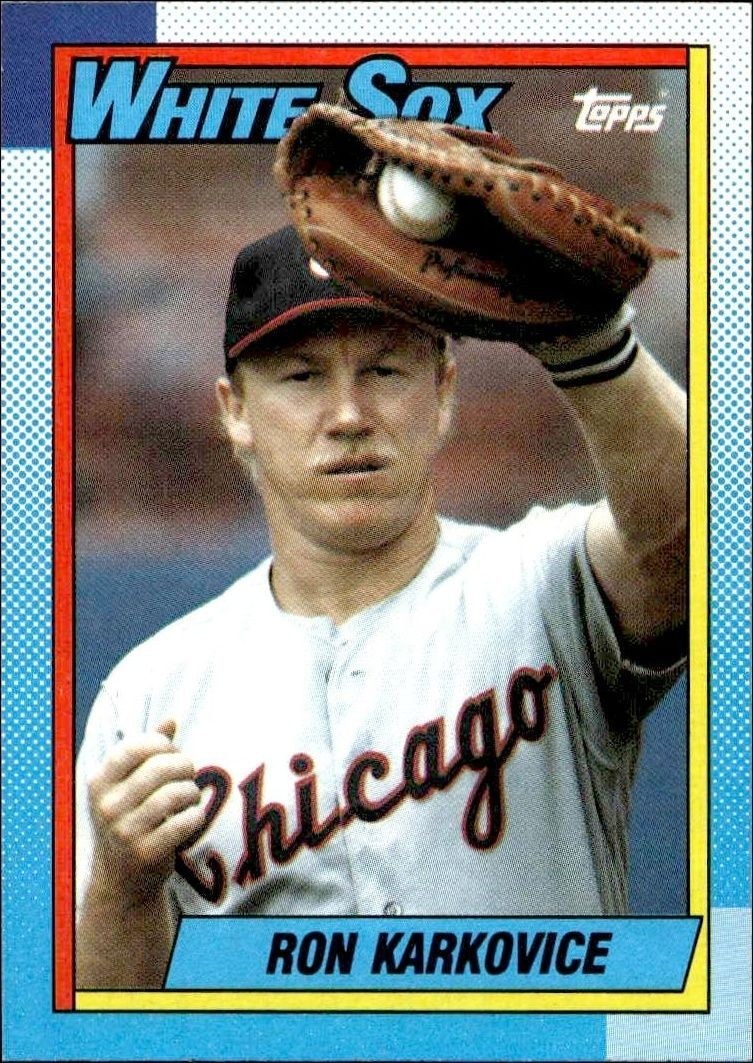



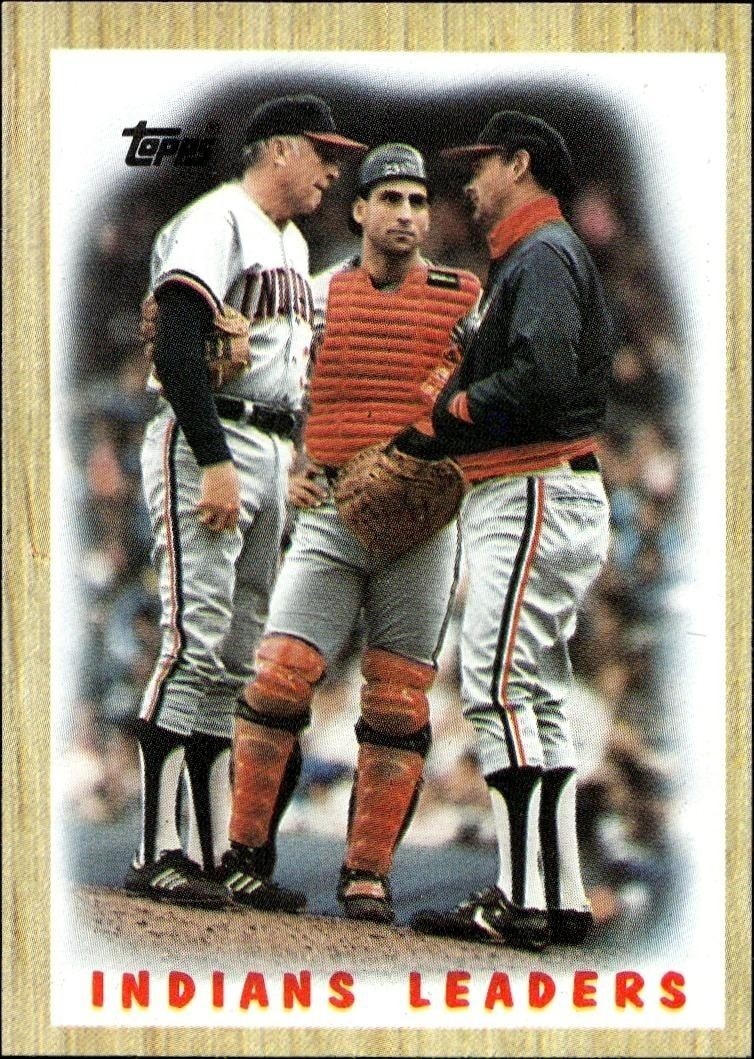


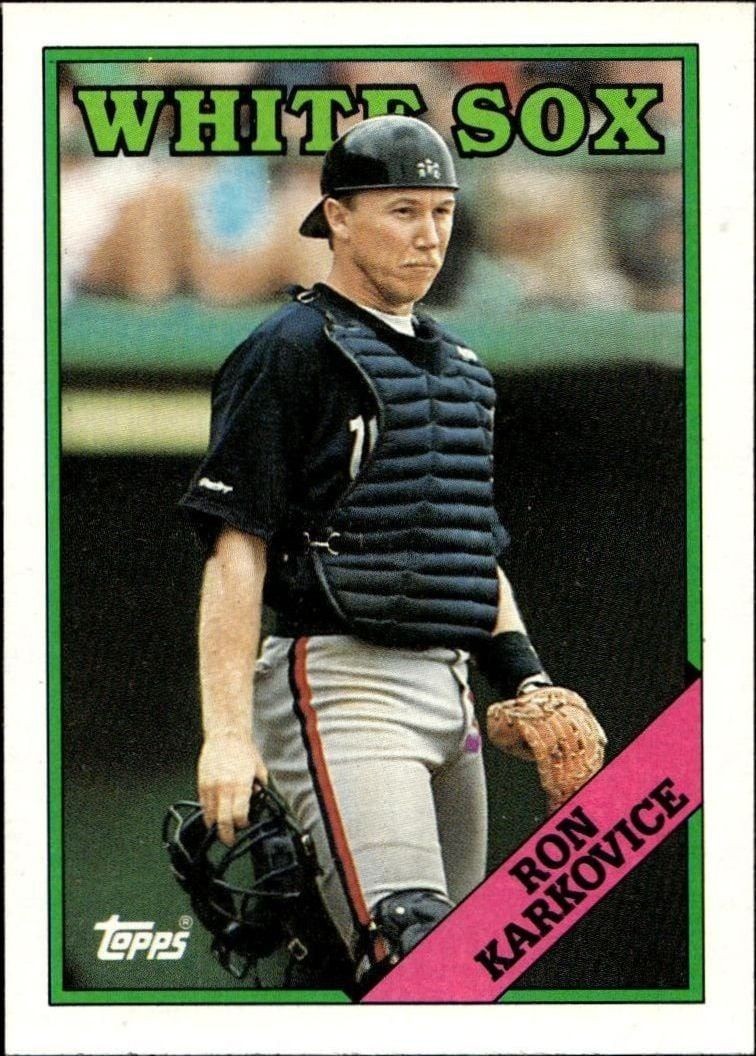
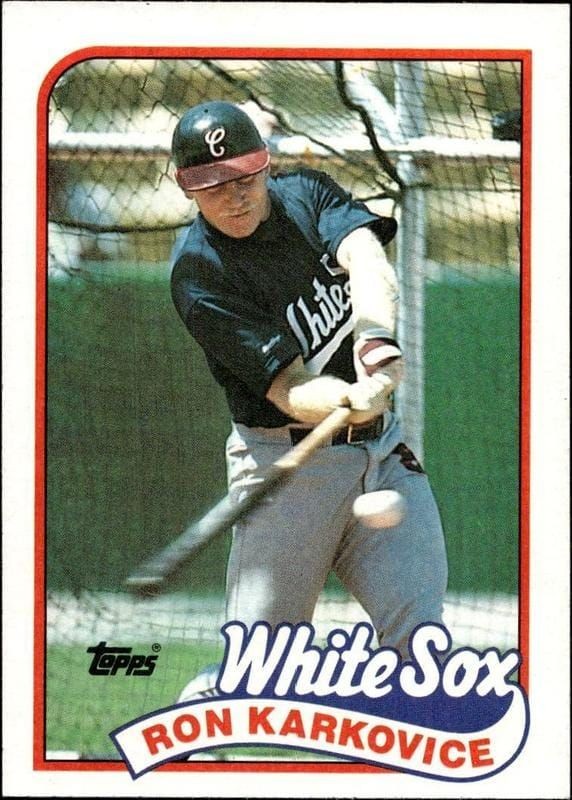
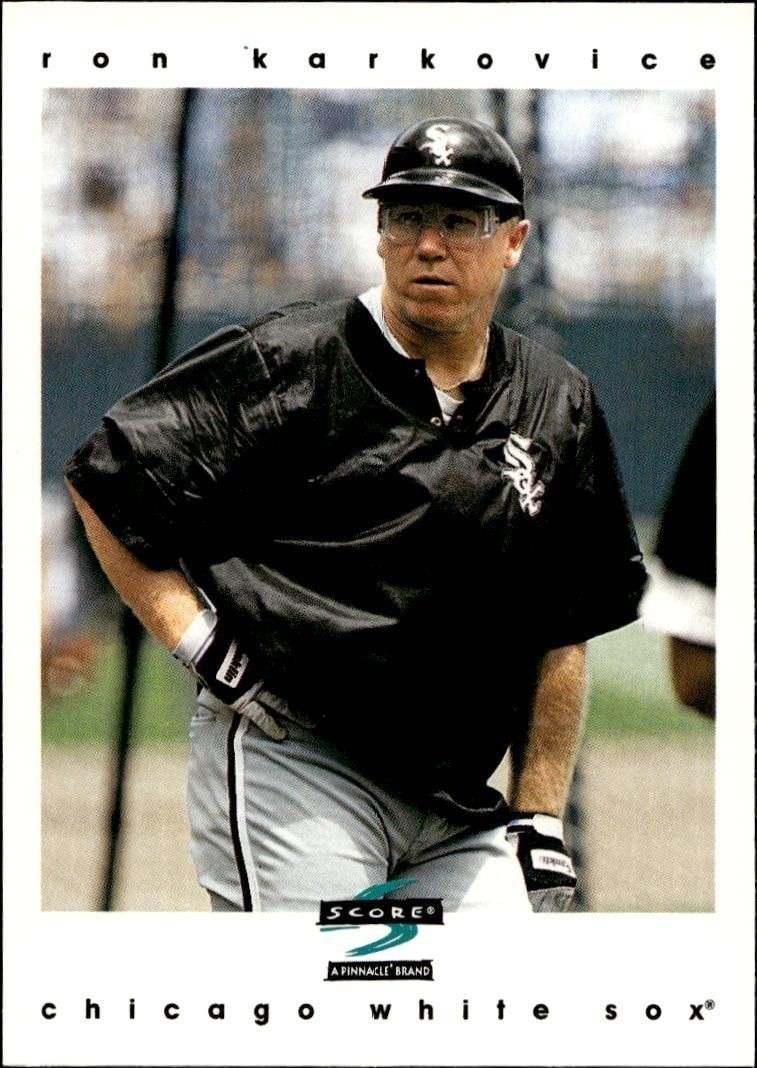
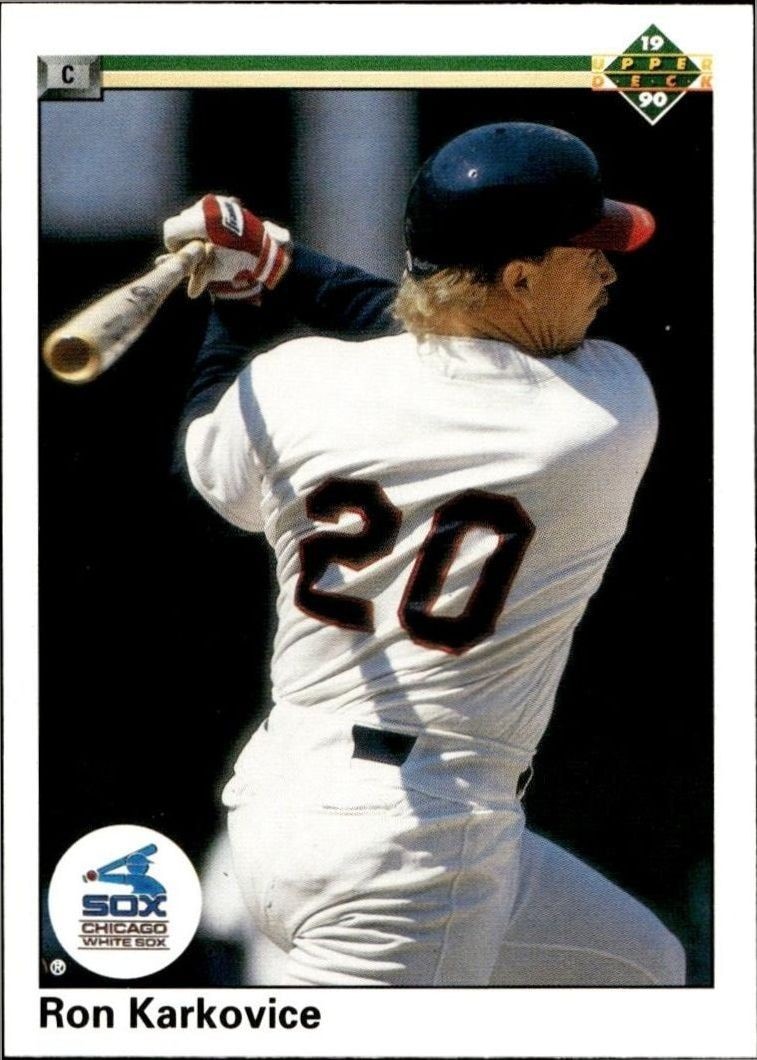
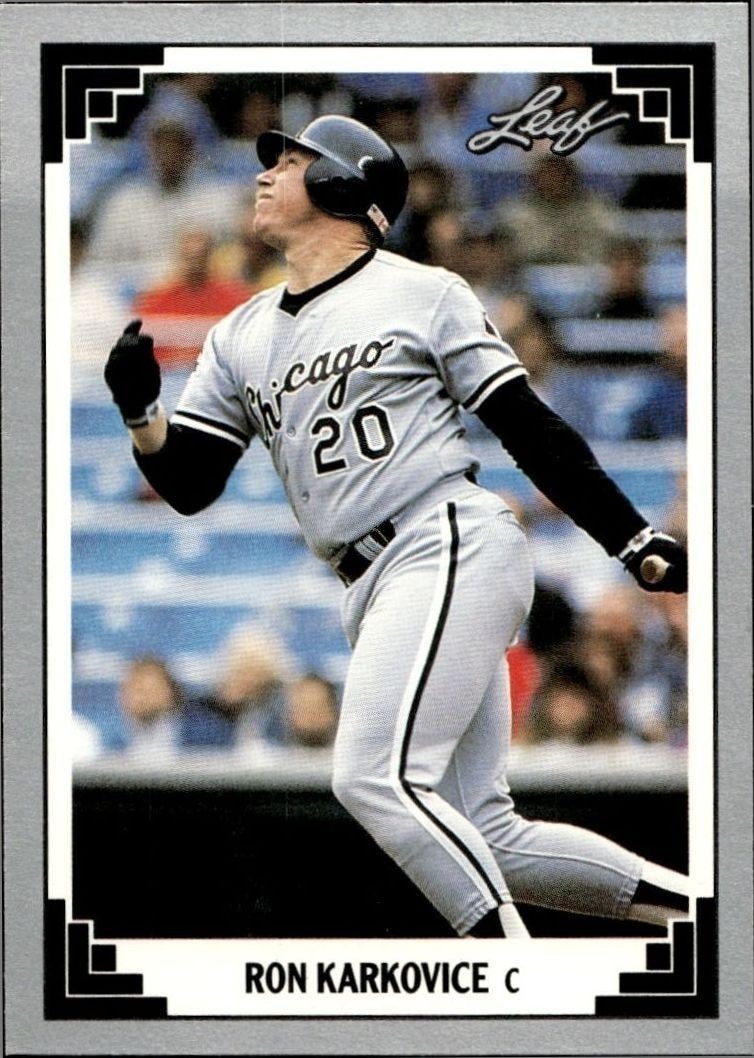
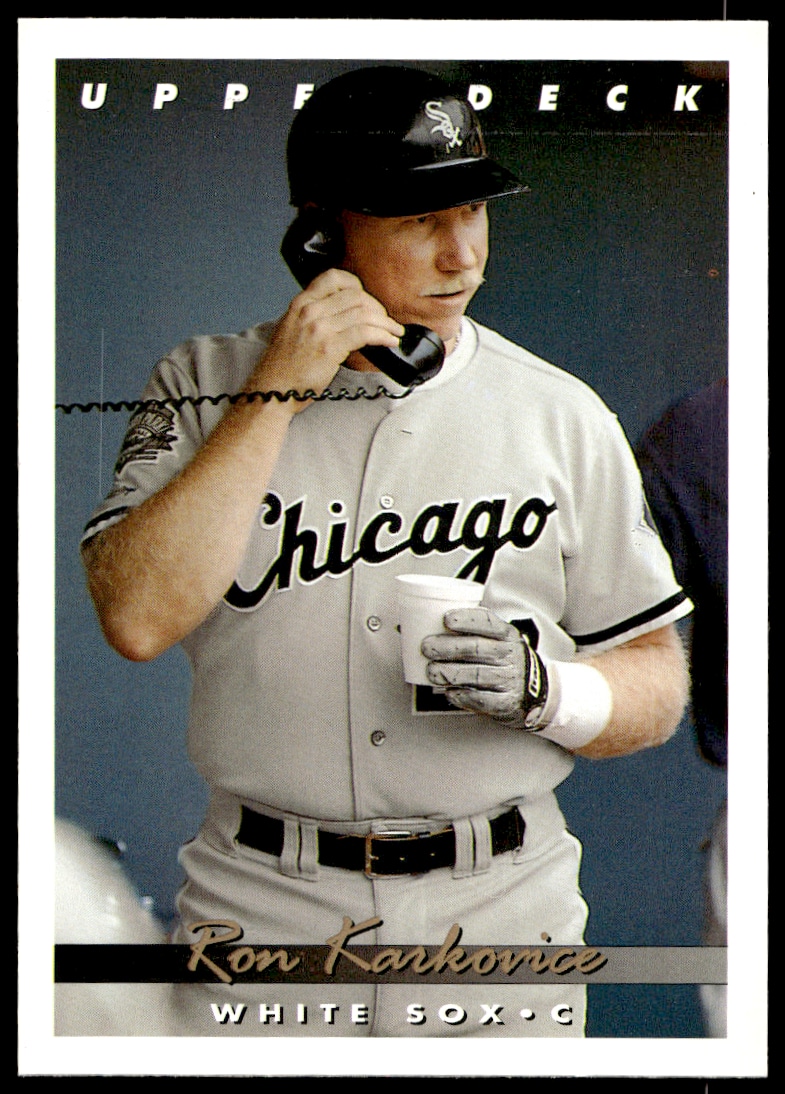
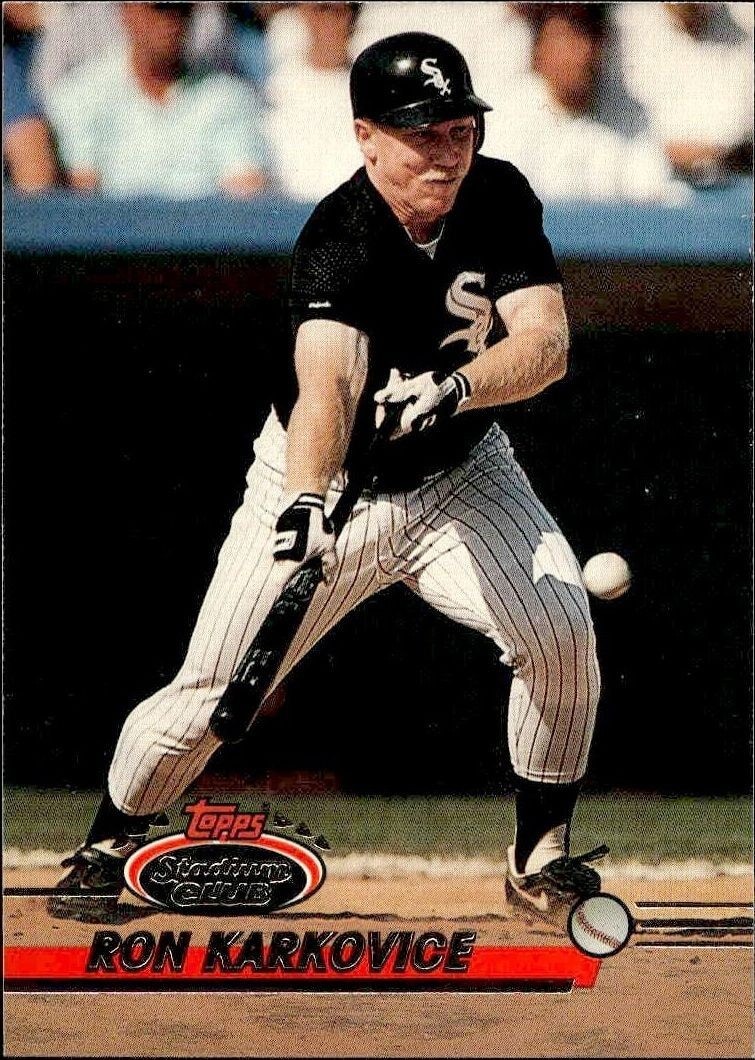
The 1987 Topps Ron Karkovice #491 is a standard baseball card featuring the Chicago White Sox player. This entry represents a key piece for collectors completing the 1987 Topps base set.
1987 • Topps
Major League Baseball • Chicago White Sox
Excellent
491
New
Shipping Calculated at Checkout
Arrives in 4-6 daysEstimated delivery October 23, 2026 - October 25, 2026
Seller returns October 19, 2026.30-day Returns| Condition | Value | Source | Trend | Price Details |
|---|---|---|---|---|
$1.25 | Guide Estimate | |||
$2.26 | Guide Estimate | |||
$4.15 | Guide Estimate | |||
$5.00 | Guide Estimate | |||
Raw / Ungraded
PriceCharting Price Guide · Guide Estimate evidence · captured Oct 13, 2026
History is building. At least two days of matching observations are needed to show a trend.
Each point is the last stored observation that day for this printing, condition, grader, autograph status and source. Gaps mean no observation; guide estimates and asking prices are not completed sales.Ron Karkovice appears on card number 491 in the 1987 Topps baseball card series. This release is part of the extensive Topps brand catalog that defined the visual identity of the sport during the late 1980s. As a member of the Chicago White Sox, Karkovice is featured in one of the most recognized designs in sports card history, characterized by its clean layout and bold typography. For collectors focusing on the 1987 Topps set, card #491 is a necessary component for completion. The set includes hundreds of players, making the identification and acquisition of specific cards like this White Sox prospect a core part of the collecting experience. Whether you are assembling a complete base set or acquiring specific team cards, this product offers a direct link to that era of baseball history. The card serves as a tangible record of the roster composition and player representation from that specific season. Collectors often seek out cards from this period due to their nostalgic value and the historical significance of the players featured. The 1987 Topps set remains a staple in many collections, and finding high-quality examples of cards like Ron Karkovice #491 can be a rewarding pursuit. By focusing on the catalog details and the era's context, collectors can appreciate the card's place in the broader narrative of baseball trading cards.
1 day ago
We'll pre-fill the product details from this catalog entry, so your listing lands on this exact page. Just add photos of your copy, pick its condition, and set your price.
The catalog profile below summarizes the card identity, featured subject, and notable collectible traits.
The subject, team, league, and sport context tied to this card.
Production details and format-specific attributes.
Material
Card Stock
Language
English
Compare prices, grades, photos, and shipping from approved sellers.
New
Excellent
See how many public collections currently include this card.
0 collectors have this card
This 1987 Topps Ron Karkovice card represents a foundational entry point for collectors of Chicago White Sox memorabilia, currently trading at a modest value tier relative to his career longevity. As a non-special attribute base card, it lacks the condition premiums seen in graded examples or the scarcity premiums of parallel releases. Its current market positioning reflects its status as a common issue from a high-print-run era, appealing primarily to completists rather than high-end investors.
The card carries no special scarcity attributes, existing as a standard base insert within the 1987 Topps set. Without serial numbering, short-print designation, or parallel foil treatments, its supply is effectively infinite relative to collector demand. This lack of unique identifiers means it does not benefit from the supply constraints that drive value in limited-edition or one-of-one items.
As a standard base card from the late 1980s, this item lacks the rookie-card premium mechanics that typically drive significant appreciation in baseball collectibles. Collector demand is likely driven by nostalgia for the White Sox roster of that era rather than speculative growth potential. While it holds sentimental value for team-specific collections, it does not exhibit the scarcity-driven mechanics required for strong investment returns.