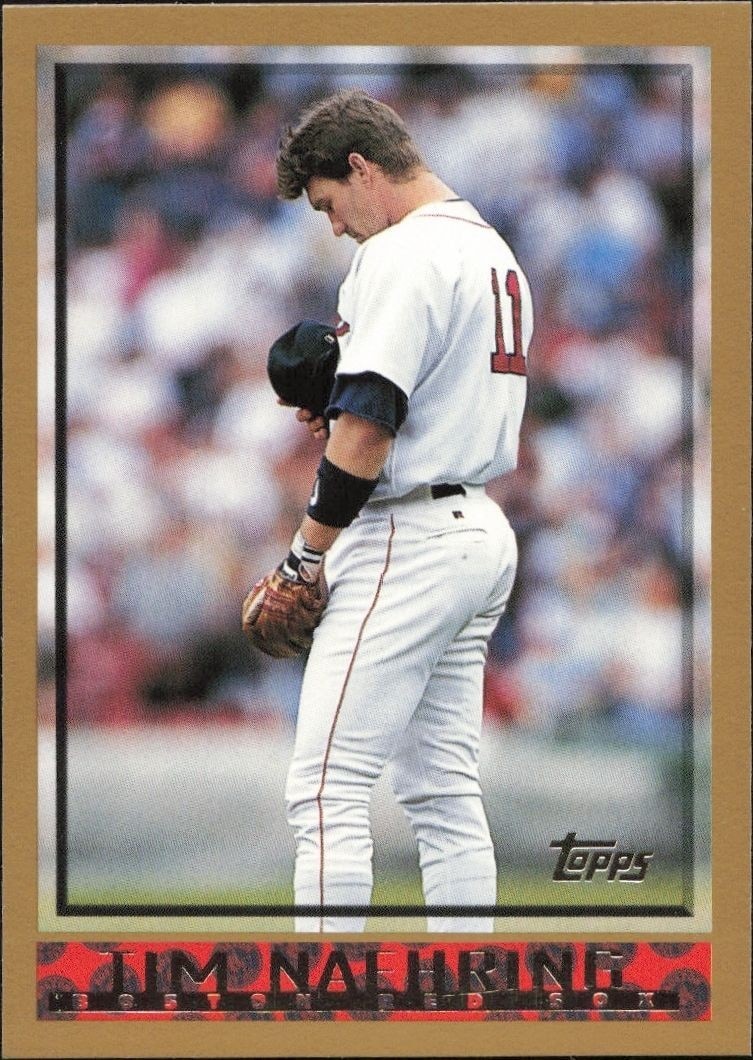






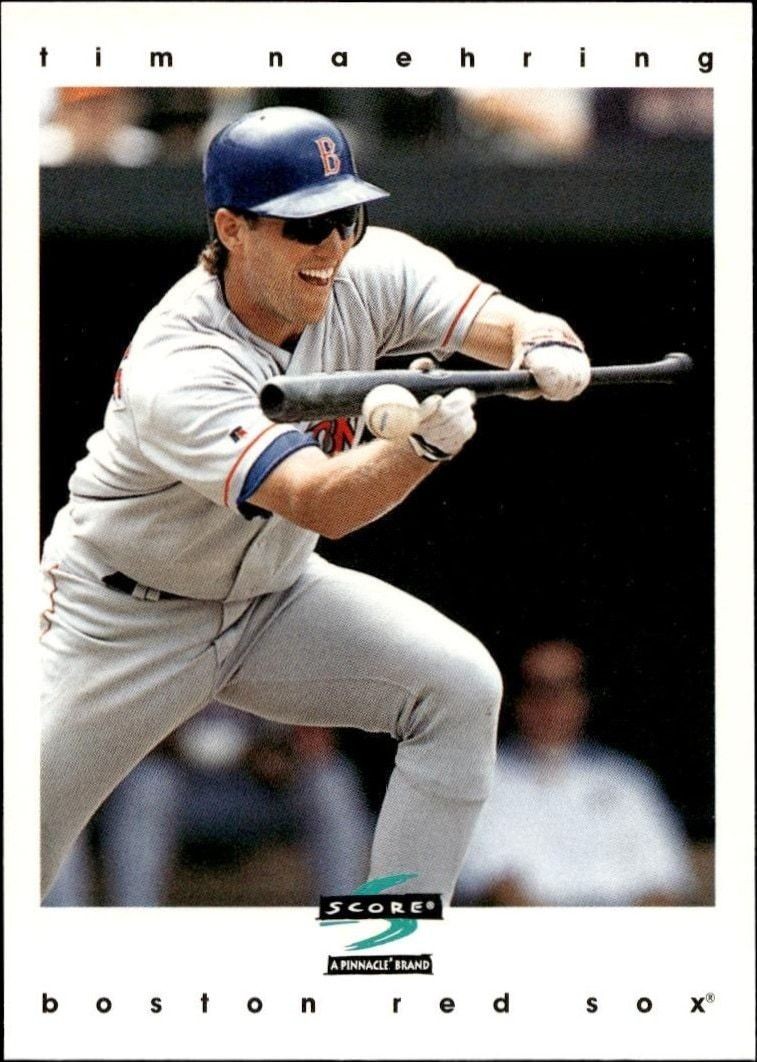


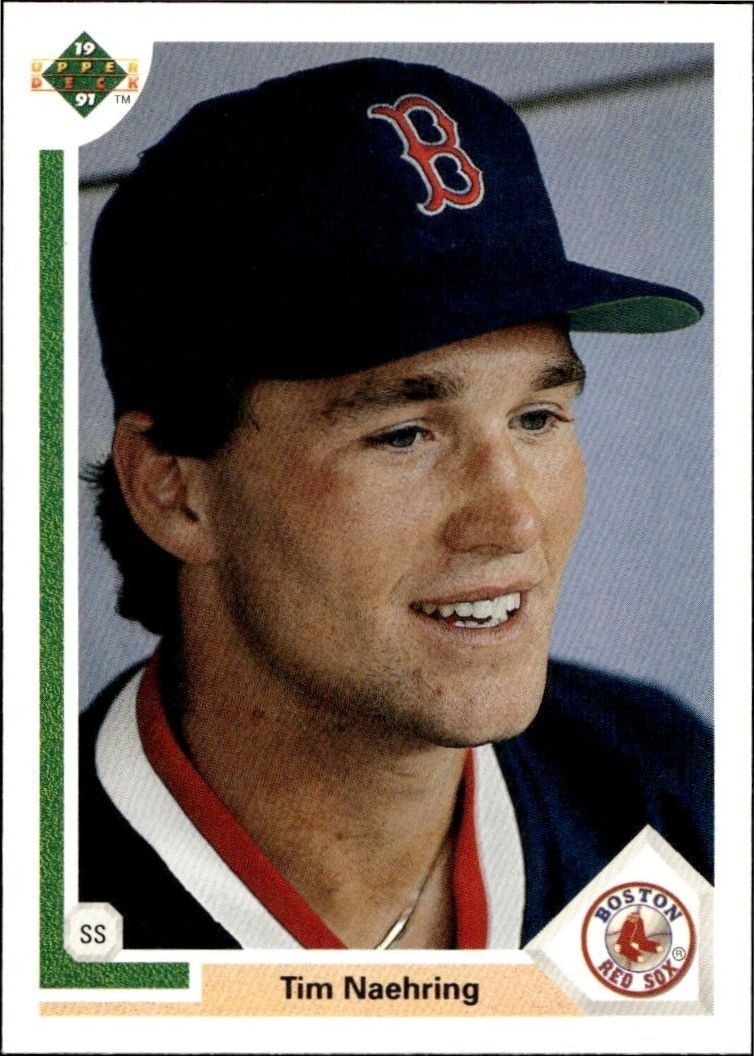
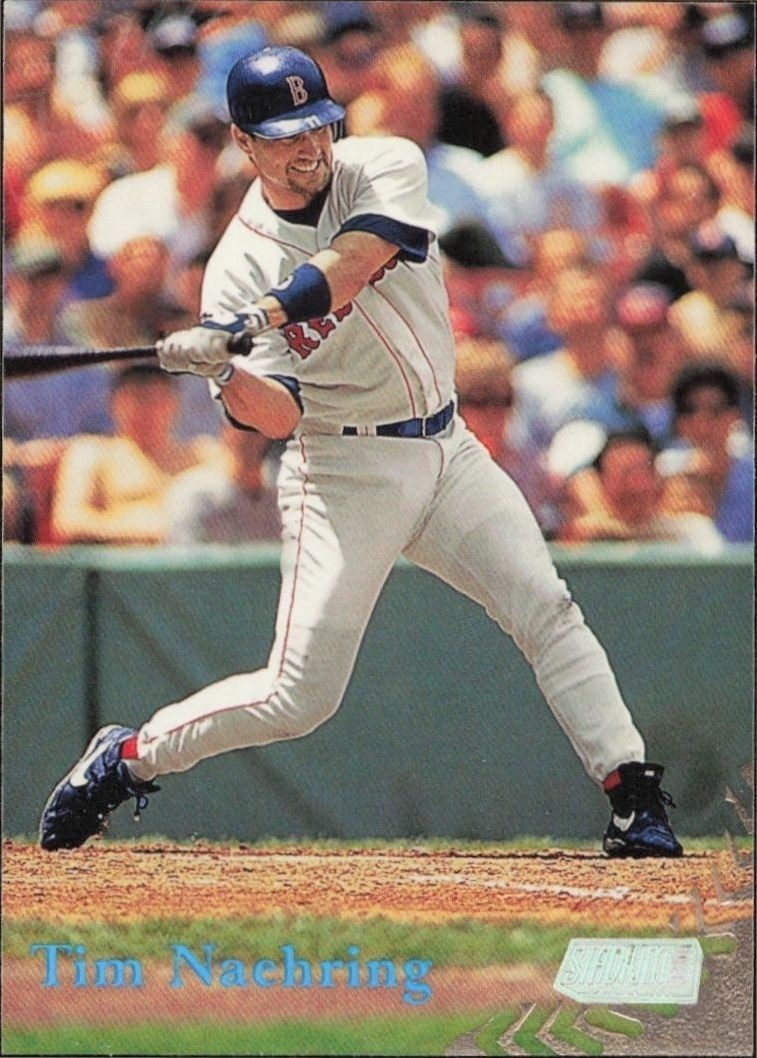
The 1991 Fleer Tim Naehring #105 is a standard baseball trading card featuring the Boston Red Sox infielder. This release represents a foundational issue in modern sports card collecting.
1991 • Fleer
Major League Baseball • Boston Red Sox
Near Mint
105
New
Shipping Calculated at Checkout
30-day Returns| Condition | Value | Source | Trend | Price Details |
|---|---|---|---|---|
$0.99 | Guide Estimate | 0% | ||
Raw / Ungraded
PriceCharting Price Guide · Guide Estimate evidence · captured Oct 24, 2026
The 1991 Fleer Tim Naehring #105 card captures the infielder during his tenure with the Boston Red Sox, marking a significant entry in the history of sports trading cards. As part of Fleer's first major baseball set since the 1960s, this release played a pivotal role in revitalizing the hobby during the early 1990s boom. Collectors often seek out this card number to complete their base set collections or to focus on vintage baseball memorabilia from this transformative era. Tim Naehring’s presence on the 1991 Fleer checklist provides a tangible connection to the Red Sox lineup of the time. The card serves as a catalog essential for those tracking the careers of players who defined the team's mid-90s identity. For investors and hobbyists alike, the 1991 Fleer series remains a cornerstone of vintage baseball collecting, offering high accessibility and broad market recognition. We provide tools and resources to help you navigate the vast landscape of vintage sports cards, ensuring you can find the pieces that fit your specific collecting goals. Whether you are building a team set or focusing on individual player histories, the 1991 Fleer Tim Naehring #105 stands as a durable and recognizable component of your collection. The enduring appeal of this card lies in its historical context. It represents the return of Fleer to the baseball market, a move that introduced new design aesthetics and expanded the collector base. By focusing on the catalog identity rather than individual condition, collectors can appreciate the broader significance of this release.
5 days ago
We'll pre-fill the product details from this catalog entry, so your listing lands on this exact page. Just add photos of your copy, pick its condition, and set your price.
The catalog profile below summarizes the card identity, featured subject, and notable collectible traits.
The subject, team, league, and sport context tied to this card.
Production details and format-specific attributes.
Material
Card Stock
Language
English
Compare prices, grades, photos, and shipping from approved sellers.
New
Near Mint
See how many public collections currently include this card.
0 collectors have this card
FAQ
No, the 1991 Fleer Tim Naehring card is not a rookie card. It was released several years after Naehring's major league debut, making it a standard issue card from the middle of his career rather than his first.
The 1991 Fleer set is significant because it marked Fleer's return to the baseball trading card market after a long hiatus. This release helped spark the trading card boom of the early 1990s and is widely regarded as a foundational set for vintage baseball collectors.
On the 1991 Fleer Tim Naehring #105 card, the subject is represented as a member of the Boston Red Sox. He served as an infielder for the team during this period, providing a key roster spot for collectors focusing on Red Sox history.
This 1991 Fleer Tim Naehring card sits at the very bottom of the value tier, reflecting its status as a common base card from a major manufacturer. Unlike premier rookies or star players, Naehring's tenure does not command a premium, resulting in a market price that is effectively negligible for standard copies. The presence of active listings suggests a steady supply that keeps prices suppressed for non-premium issues.
The card lacks any special scarcity attributes such as serial numbering, short-print designations, or parallel variations, placing it firmly in the base set category. This standard production status means the supply is unrestricted by limited editions or unique numbering mechanics, leading to high availability in the secondary market. Without distinct visual or production differentiators, it remains functionally identical to thousands of other base cards from the same era.
As a non-rookie card from a major brand, this item offers minimal speculative upside due to the lack of rookie-card premium mechanics or unique scarcity drivers. Collector demand is likely limited to those seeking to complete basic set requirements rather than those pursuing long-term appreciation. Investors should view this as a low-priority acquisition with no significant factors driving future value growth.