





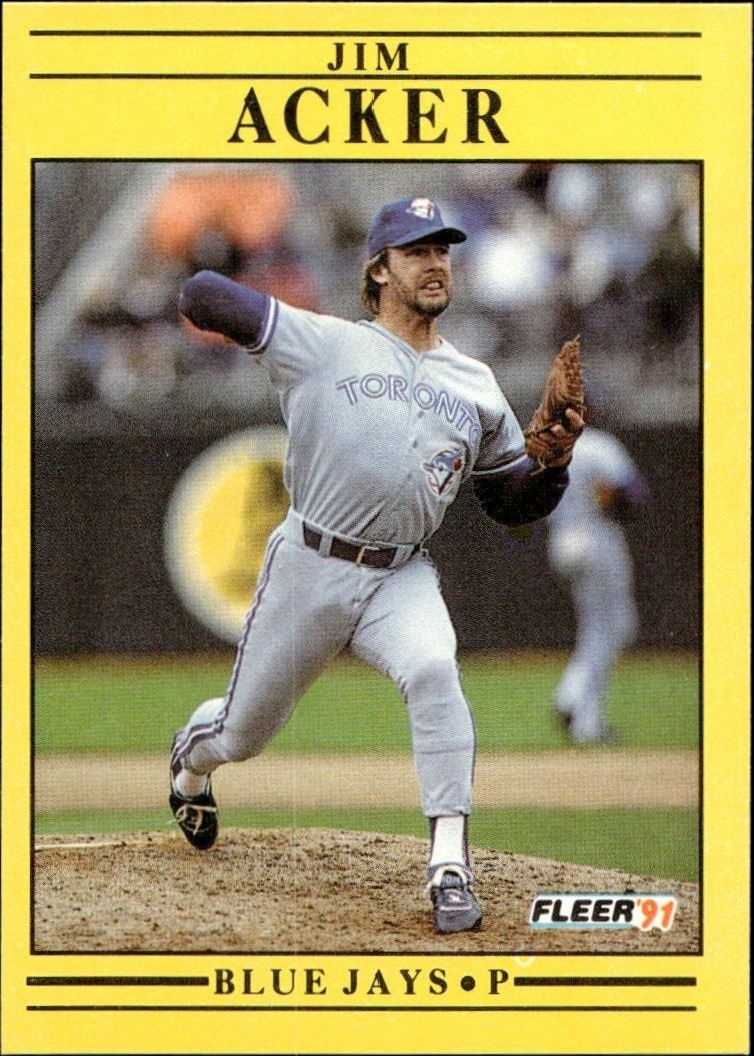
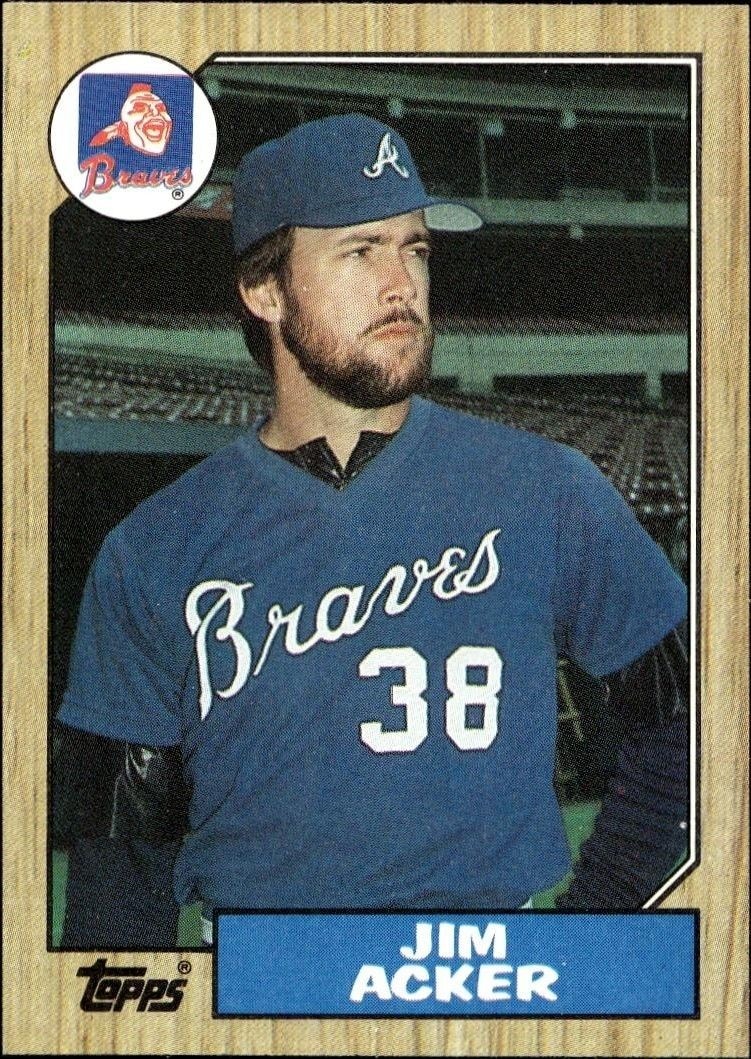



The 1991 Topps Jim Acker #71 baseball card features Toronto Blue Jays pitcher Jim Acker. This vintage sports card represents a key piece of 1990s baseball memorabilia.
1991 • Topps
Major League Baseball • Toronto Blue Jays
Excellent
71
New
Shipping Calculated at Checkout
Arrives in 5-7 daysEstimated delivery October 23, 2026 - October 25, 2026
Seller returns October 19, 2026.30-day Returns| Condition | Value | Source | Trend | Price Details |
|---|---|---|---|---|
$1.49 | Asking Prices | 0% | ||
$3.65As of 9/27/2026 | Completed Sales | 0% | ||
Raw / Ungraded
eBay Active Listings · Asking Prices evidence · captured Oct 6, 2026
The 1991 Topps Jim Acker #71 baseball card captures a specific moment in Toronto Blue Jays history during the early 1990s. As a standard release from the Topps brand, this card serves as a tangible link to the era when the Blue Jays were establishing themselves as a dominant force in Major League Baseball. Jim Acker, listed as a pitcher for the team, is featured on card number 71, a placement that situates him within the broader narrative of the 1991 Topps set. For collectors of vintage baseball cards, the 1991 Topps set remains a significant entry point. The design reflects the aesthetic sensibilities of the time, offering a straightforward yet effective presentation of players and teams. Acquiring the Jim Acker #71 card allows enthusiasts to complete subsets or fill gaps in a comprehensive collection of 1990s Toronto Blue Jays memorabilia. The card’s identity is rooted in its factual details: it is an official MLB product, categorized under baseball, and tied directly to the 1991 season. Investors and hobbyists often look to this period for cards that offer both historical value and nostalgia. The 1991 Topps Jim Acker #71 card provides a straightforward addition to any portfolio focused on Canadian baseball teams or pitchers from that decade. Its value lies in its authenticity as a product of its time, representing the manufacturing standards and player rosters of the early 90s. Whether used for educational purposes, personal collection, or as a gifting option for a fellow Blue Jays fan, this card connects the holder to a tangible piece of sports history. The consistent branding of Topps ensures that this card fits seamlessly alongside other releases from the same year, maintaining a cohesive look for collectors who prioritize set integrity. The enduring appeal of the 1991 Topps Jim Acker #71 card lies in its simplicity and historical context. It stands as a representative example of the mass-produced sports cards that defined the hobby for millions of fans. By focusing on the factual attributes of the card, collectors can appreciate its role in the larger tapestry of baseball trading card culture.
12 hours ago
We'll pre-fill the product details from this catalog entry, so your listing lands on this exact page. Just add photos of your copy, pick its condition, and set your price.
The catalog profile below summarizes the card identity, featured subject, and notable collectible traits.
The subject, team, league, and sport context tied to this card.
Production details and format-specific attributes.
Material
Card Stock
Language
English
Compare prices, grades, photos, and shipping from approved sellers.
New
Excellent
See how many public collections currently include this card.
0 collectors have this card
This 1991 Topps Jim Acker card represents a baseline entry-level asset for the Toronto Blue Jays, trading at a modest price point typical for non-star relief pitchers from this era. While it lacks the premium valuation of rookie cards or Hall of Fame inductees, it serves as an affordable component for completing a set or a specific team collection. The current market positioning reflects standard supply levels for mass-produced base cards from the early 1990s.
As a standard base card without serial numbering, short-print designation, or parallel variations, this item benefits from a broad initial distribution that naturally limits its scarcity. The absence of unique attributes means the supply is determined by the original print run rather than artificial constraints, resulting in a high likelihood of availability in the secondary market. Collectors seeking this specific card are not competing against a limited pool of rare variants.
The investment potential is primarily driven by nostalgia and the completion of 1991 Topps sets rather than individual player performance metrics. Demand remains steady among vintage baseball enthusiasts looking for affordable pieces of the Blue Jays' history during that period. Long-term value appreciation is likely to be gradual, tied more to the overall health of the vintage sports card market than to any specific catalyst related to the player.