



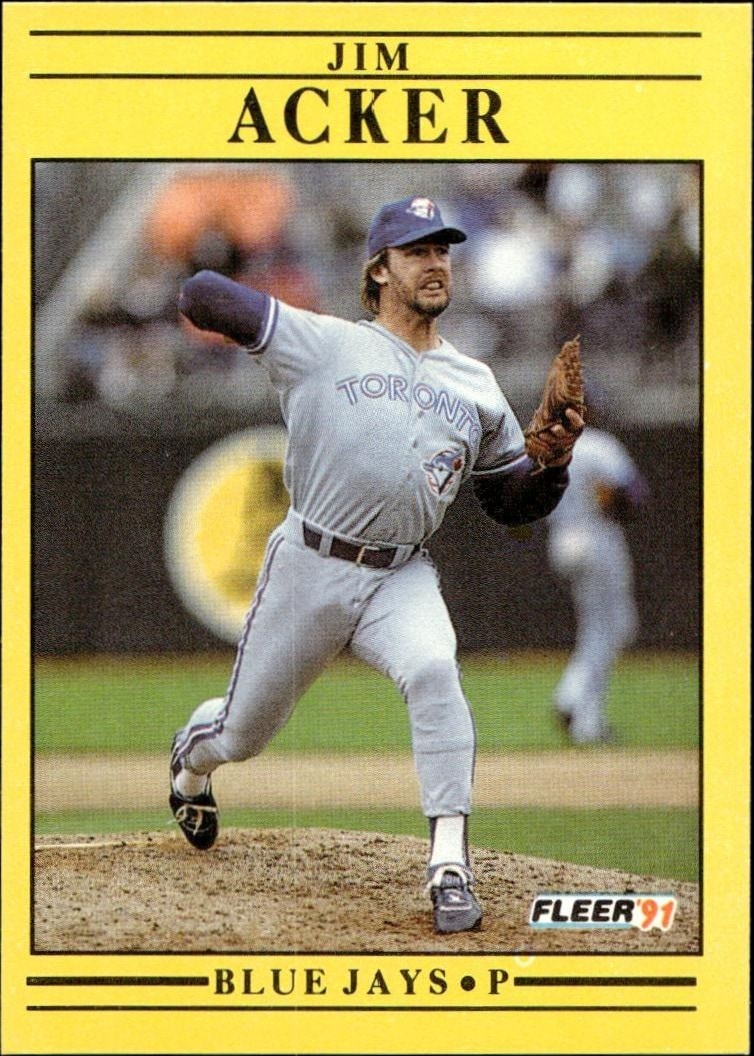
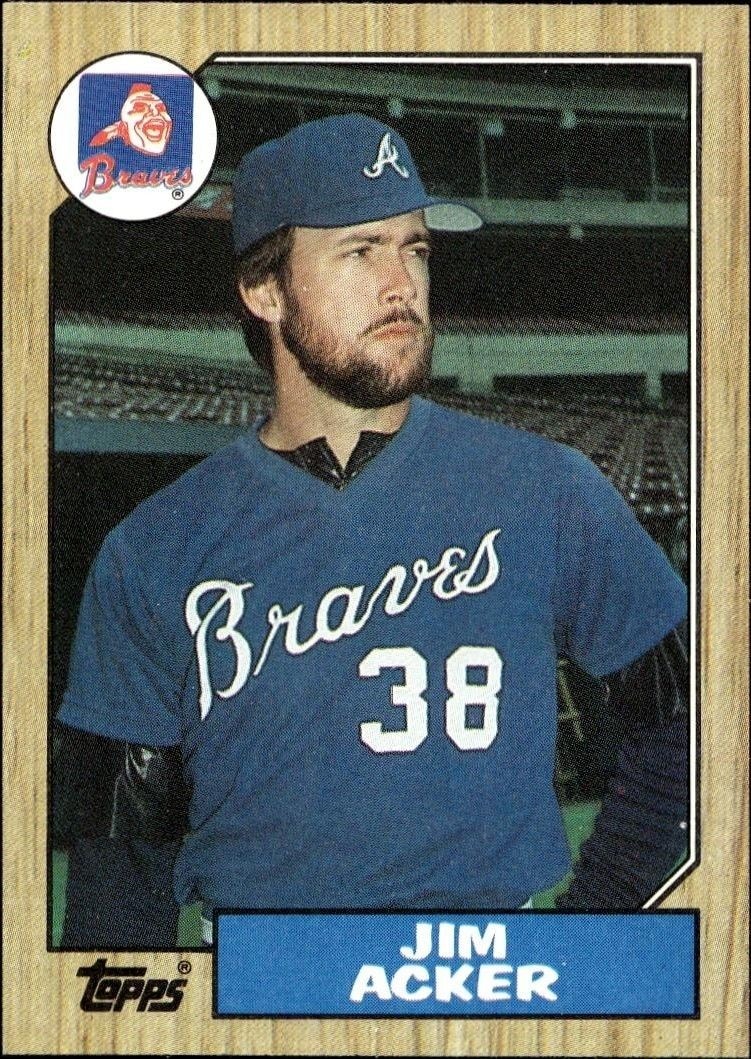
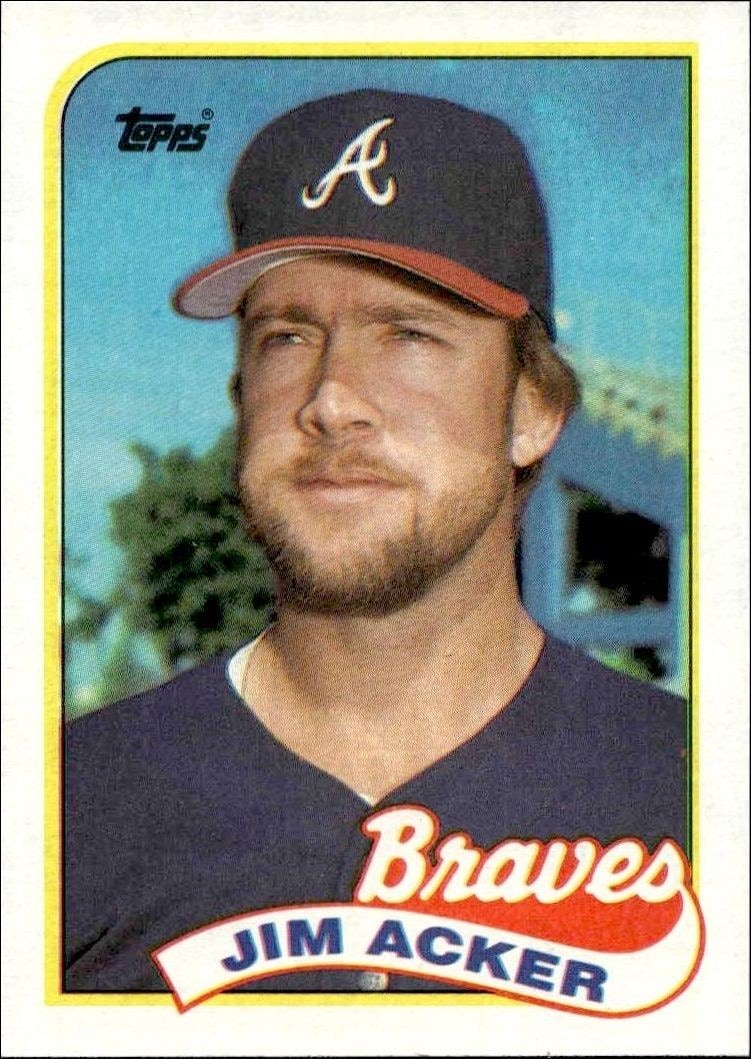
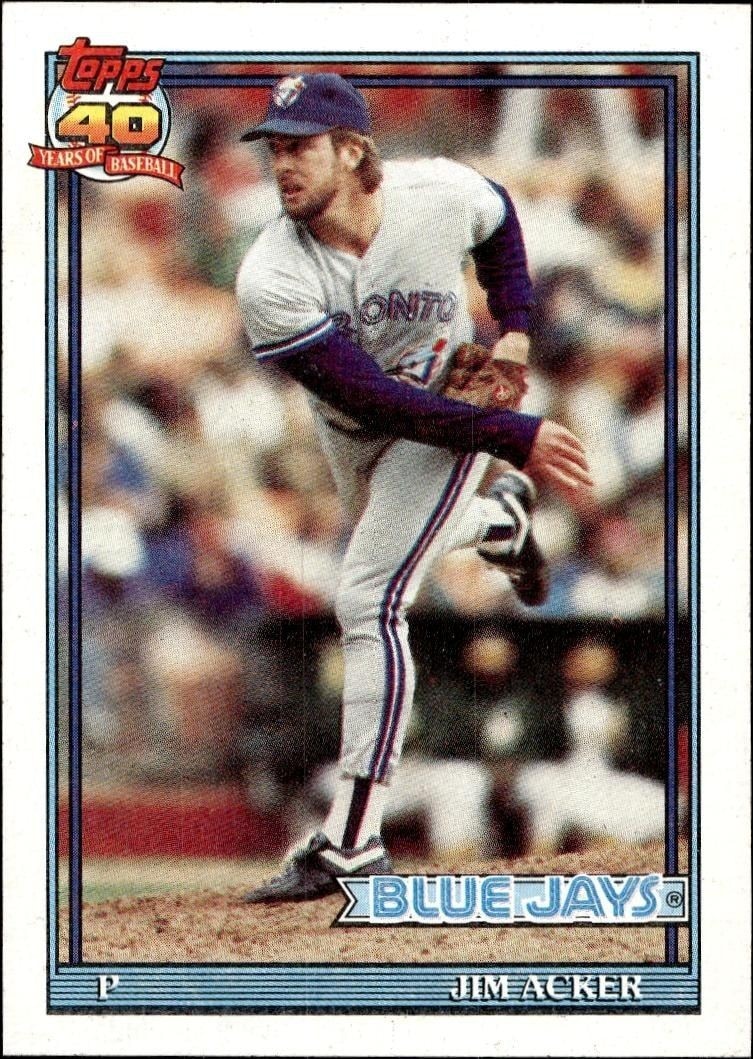

The 1990 Topps Jim Acker #728 baseball card features the Toronto Blue Jays pitcher in a standard Topps design from the 1990 release.
1990 • Topps
Major League Baseball • Toronto Blue Jays
Near Mint
728
New
Shipping Calculated at Checkout
Arrives in 4-6 daysEstimated delivery October 25, 2026 - October 27, 2026
30-day Returns| Condition | Value | Source | Trend | Price Details |
|---|---|---|---|---|
$1.56 | Guide Estimate | |||
$0.99 | Guide Estimate | |||
$12.23 | Guide Estimate | |||
Raw / Ungraded
PriceCharting Price Guide · Guide Estimate evidence · captured Oct 14, 2026
History is building. At least two days of matching observations are needed to show a trend.
Each point is the last stored observation that day for this printing, condition, grader, autograph status and source. Gaps mean no observation; guide estimates and asking prices are not completed sales.The 1990 Topps Jim Acker baseball card, designated as card number 728, represents a specific entry within the 1990 Topps baseball set. This release captures the roster of the Toronto Blue Jays during the 1990 season, providing a tangible piece of that year's sports landscape. For collectors focused on team-specific sets or the broader 1990 Topps catalog, this card serves as an essential component for completion. Jim Acker appeared on the Toronto Blue Jays roster, and his inclusion in the 1990 Topps series reflects the standard player coverage of that era. The 1990 Topps brand is recognized for its distinctive design elements and comprehensive player lists, making it a favorite among hobbyists who appreciate the nostalgia of early 1990s baseball card production. Collectors often seek out individual cards like #728 to fill gaps in their base set collections or to acquire specific team representations. The value and appeal of this card stem from its place in the 1990 Topps universe. As a standard issue card, it offers an accessible entry point for new collectors entering the hobby or those looking to round out their holdings without the premium associated with parallels or special subsets. The straightforward presentation of the subject allows the focus to remain on the player and the team affiliation, which is particularly relevant for fans of the Toronto Blue Jays. Whether you are building a vintage collection, searching for specific team cards, or simply appreciate the history of the 1990 Topps release, Jim Acker's card #728 provides a direct connection to that period. The 1990 Topps set remains a staple in the collecting community, and this card is a verified part of that catalog. Collectors can browse available options to find copies that match their condition preferences and budget, ensuring that every member of the set can be acquired.
20 hours ago
We'll pre-fill the product details from this catalog entry, so your listing lands on this exact page. Just add photos of your copy, pick its condition, and set your price.
The catalog profile below summarizes the card identity, featured subject, and notable collectible traits.
The subject, team, league, and sport context tied to this card.
Production details and format-specific attributes.
Material
Card Stock
Language
English
Compare prices, grades, photos, and shipping from approved sellers.
New
Near Mint
See how many public collections currently include this card.
0 collectors have this card
This 1990 Topps Jim Acker card represents a baseline entry point within the Blue Jays' historical roster, trading at a modest tier relative to franchise staples. Its value is driven by general nostalgia for the early 1990s Toronto team rather than individual player prominence, keeping it firmly in the affordable collector segment. The card reflects standard market behavior for non-star players from this era, where supply significantly outpaces specialized demand.
As a standard base card from the 1990 Topps set, this item carries no serial numbering, short-print designation, or parallel variations to constrain its supply. The scarcity is defined by its status as a mass-produced common, meaning availability remains high across the secondary market. Without any special foil, autograph, or limited-edition attributes, it exists at the lowest tier of rarity within the product line.
The card functions primarily as a fill-in piece for complete set builders rather than a vehicle for significant appreciation. Demand is limited to casual collectors seeking specific team representation or those assembling broad 1990s baseball collections. Long-term growth potential is minimal, as the card lacks the rookie status, player fame, or unique attributes typically required to drive substantial market premiums.