




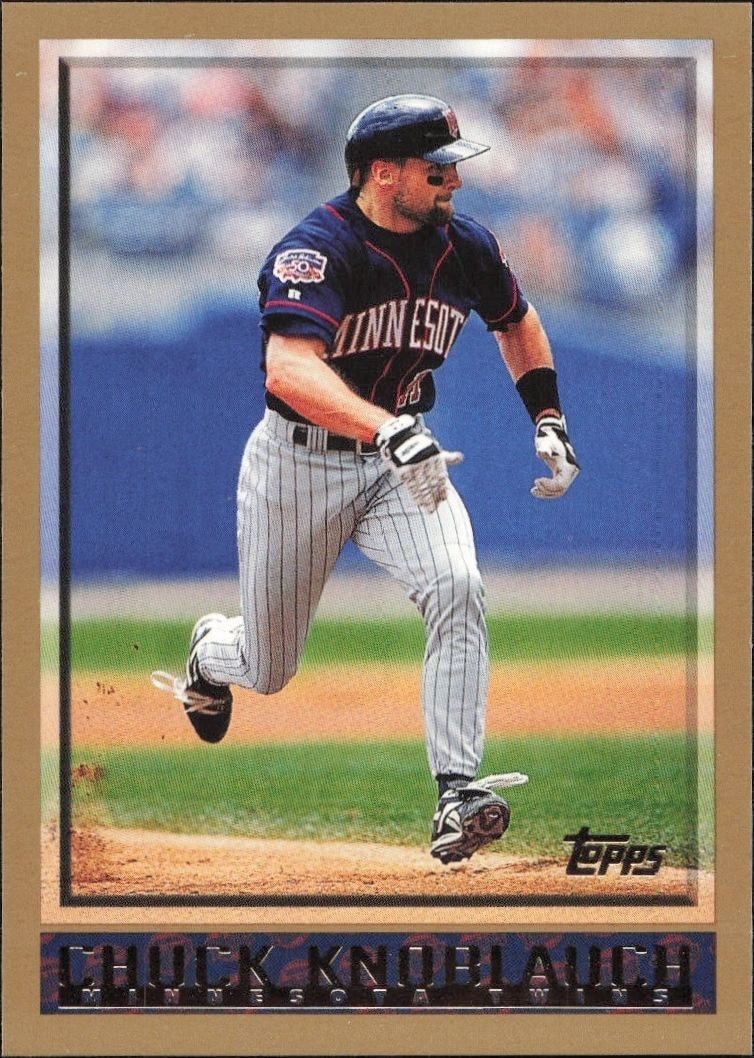


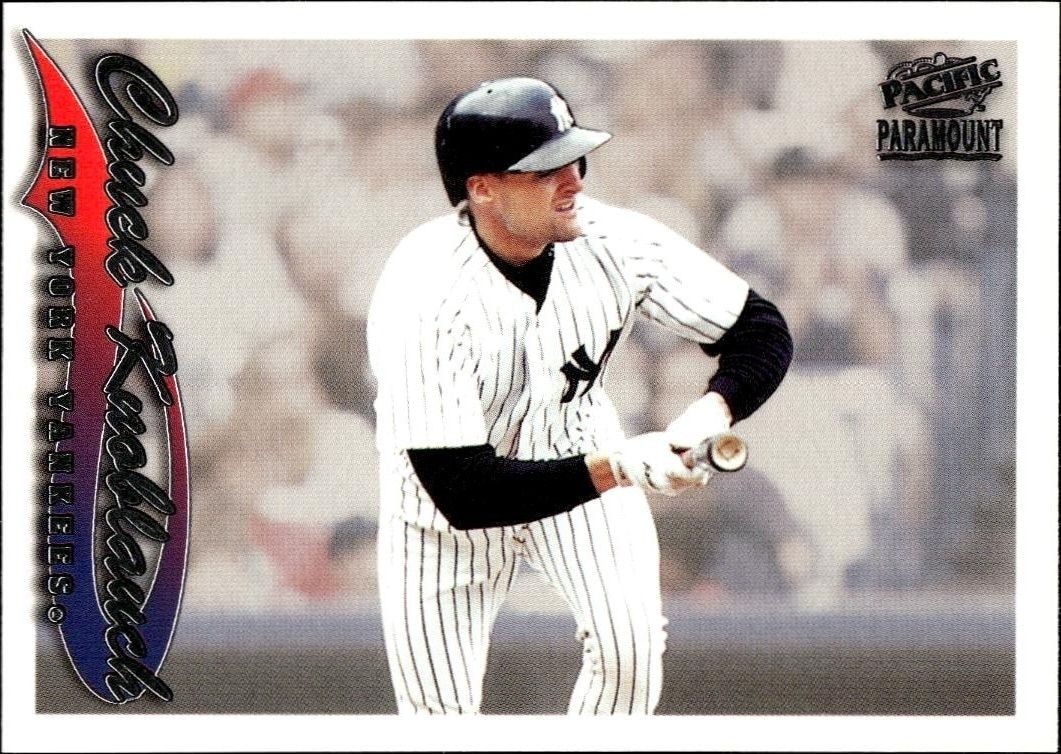
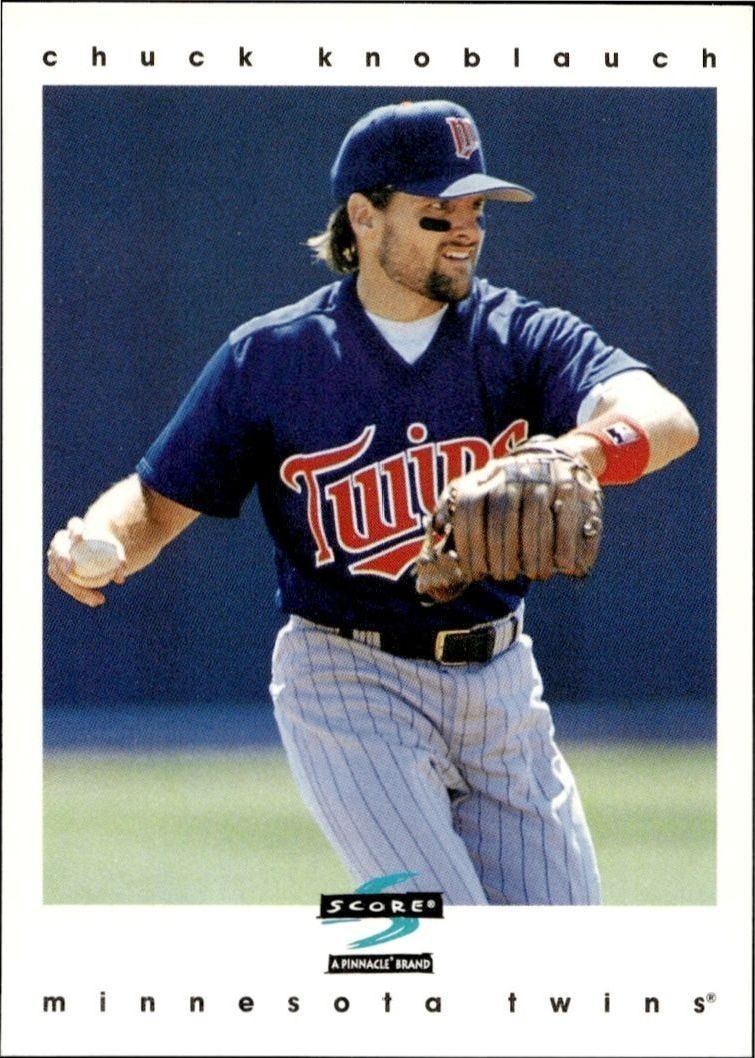
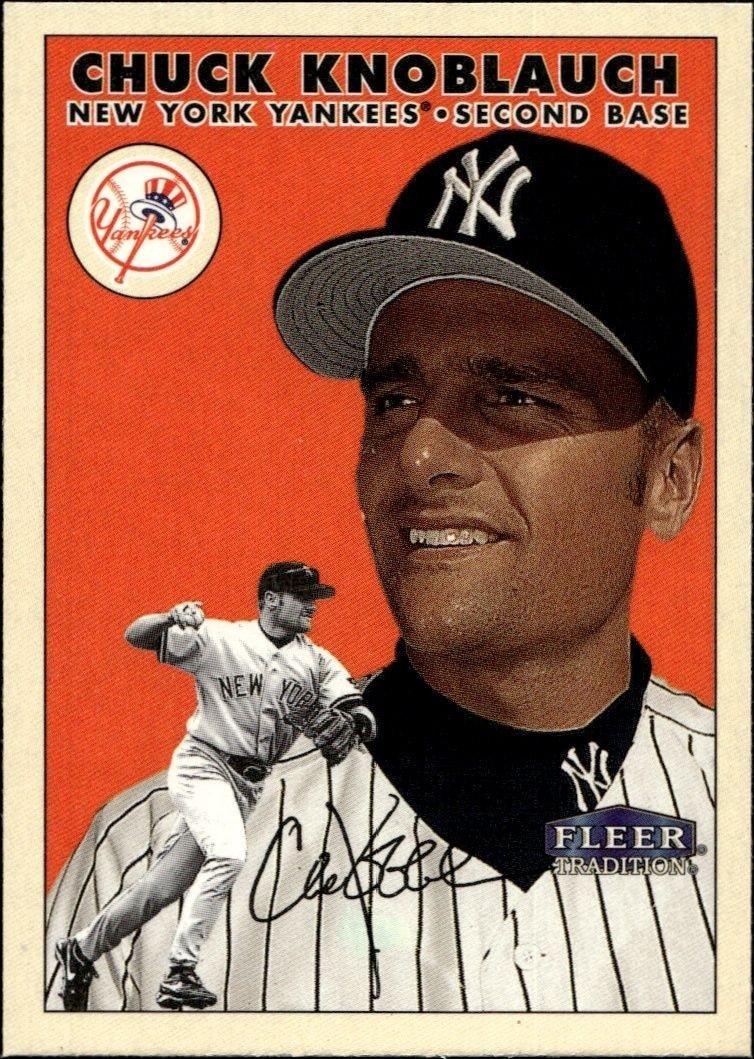
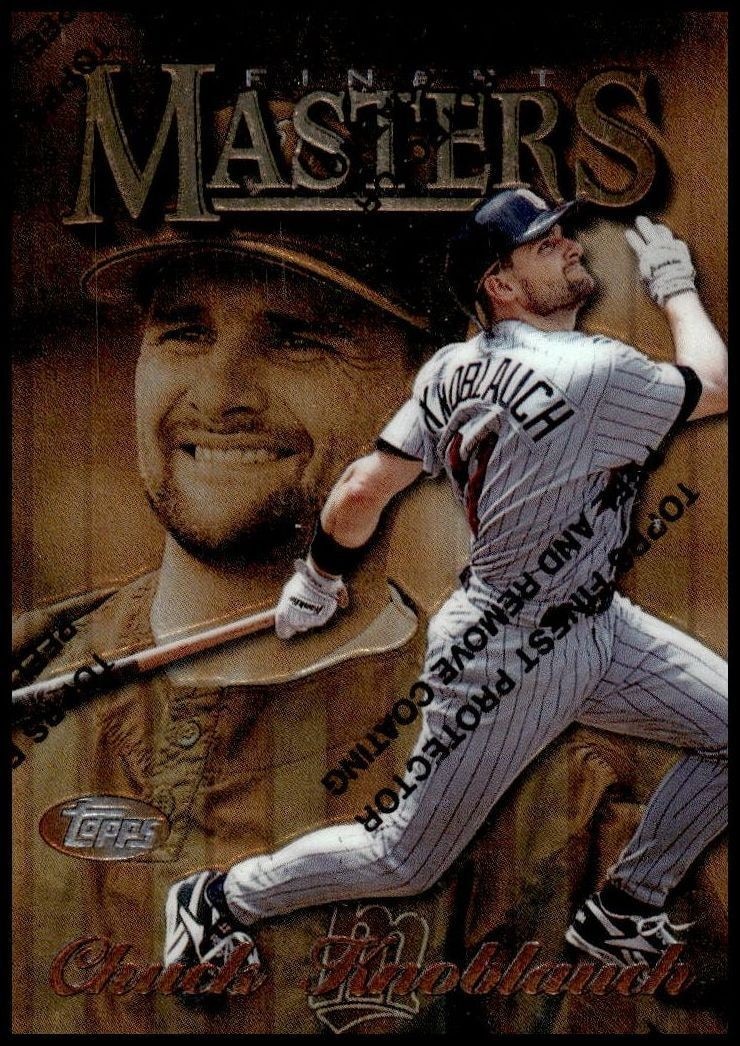
The 1991 Topps Traded Chuck Knoblauch #69T marks the Minnesota Twins shortstop's rookie card appearance in the traded series.
1991 • Topps • Traded
Major League Baseball • Minnesota Twins
Excellent
69T
New
Shipping Calculated at Checkout
30-day Returns| Condition | Value | Source | Trend | Price Details |
|---|---|---|---|---|
$1.62 | Guide Estimate | |||
$1.49As of 9/23/2026 | Completed Sales | |||
$10.00 | Guide Estimate | |||
$12.05 | Guide Estimate | |||
$14.81 | Guide Estimate | |||
$39.71 | Guide Estimate | |||
$134.00 | Guide Estimate | |||
$62.00 | Guide Estimate | |||
$103.12 | Guide Estimate | |||
$62.00 | Guide Estimate | |||
Raw / Ungraded
PriceCharting Price Guide · Guide Estimate evidence · captured Oct 17, 2026
History is building. At least two days of matching observations are needed to show a trend.
Each point is the last stored observation that day for this printing, condition, grader, autograph status and source. Gaps mean no observation; guide estimates and asking prices are not completed sales.Chuck Knoblauch's arrival in the major leagues was a significant moment for Minnesota Twins fans, and the 1991 Topps Traded series captured this transition in the sport. As the designated rookie card for the future All-Star, card number 69T serves as the primary introduction to his professional career in the Topps universe. Collectors often track this release because it represents the beginning of his tenure with the Twins, preceding his breakout seasons that would define his legacy in the MLB. The Traded series is distinct within the Topps brand for its black border design, which differentiates it from the standard base set released earlier in the year. For enthusiasts building a collection focused on 1990s baseball, this card provides a tangible link to the era when Knoblauch established himself as a premier shortstop. The card's identity is rooted in its status as a rookie issue, making it a focal point for those interested in the history of Minnesota Twins players from the early 1990s. Whether you are a dedicated set builder looking to complete a 1991 Topps Traded collection or an investor tracking the value of early rookie cards, this product offers a clear connection to a pivotal year in baseball history. The card remains a staple for collectors who value the foundational cards of successful MLB careers, providing a window into the talent pool that shaped the league during the early 1990s.
1 day ago
We'll pre-fill the product details from this catalog entry, so your listing lands on this exact page. Just add photos of your copy, pick its condition, and set your price.
The catalog profile below summarizes the card identity, featured subject, and notable collectible traits.
The core identity of the card within the set.
The subject, team, league, and sport context tied to this card.
Production details and format-specific attributes.
Material
Card Stock
Language
English
Notable collectible traits associated with this card profile.
Compare prices, grades, photos, and shipping from approved sellers.
New
Excellent
See how many public collections currently include this card.
0 collectors have this card
The 1991 Topps Traded Chuck Knoblauch rookie card sits at the lower end of the price spectrum within his overall rookie card market, reflecting the high print run typical of early '90s Topps Traded sets. Knoblauch's career — highlighted by a 1991 AL Rookie of the Year award and multiple All-Star selections — gives this card historical relevance, though it does not command a significant premium over comparable base-era rookies from the same period. With only one active listing visible in the current market, pricing discovery is limited and may not fully reflect true demand.
The 1991 Topps Traded set was produced in substantial quantities during an era of mass print runs, meaning raw copies are abundant and graded population reports on platforms like PSA and BGS reflect high submission volumes with many copies achieving mid-tier grades. There are no serial-numbered parallels or short prints associated with this card, making it a standard base-issue rookie with no scarcity-driven premium. High-grade copies — PSA 10 or BGS 9.5 — do carry a relative premium within the issue due to centering and surface quality challenges common to Topps Traded cards of this era.
Knoblauch's post-career controversies and exclusion from Hall of Fame consideration have dampened long-term collector enthusiasm, limiting sustained market momentum for his rookie cards. Grading submission trends for early '90s mass-produced cards have slowed as the market has matured and collectors prioritize scarcity over nostalgia alone. This card is better positioned as a low-cost entry point for team or player collectors rather than a strong speculative hold, with upside largely dependent on any renewed cultural or historical interest in the early '90s Twins dynasty.
