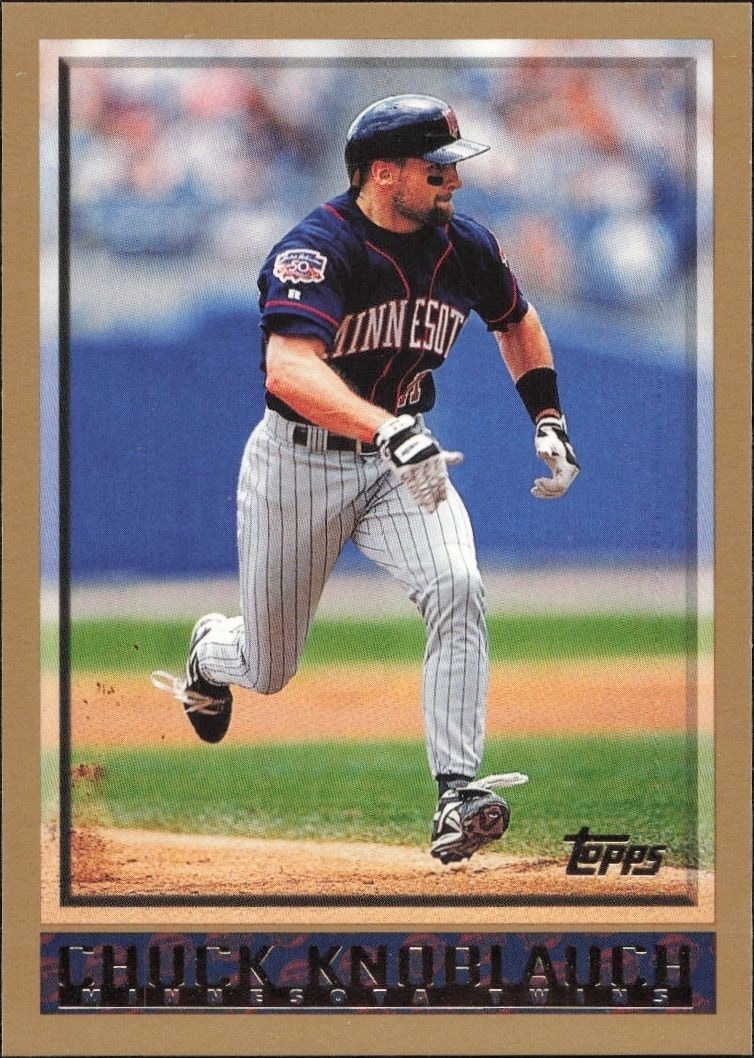





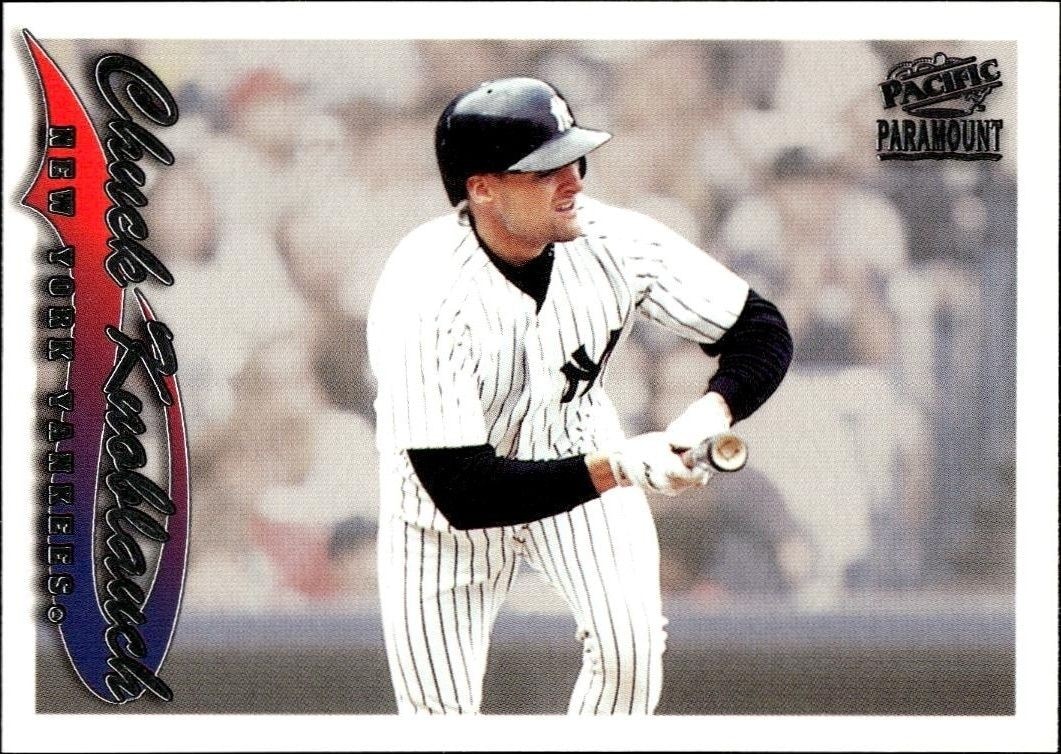
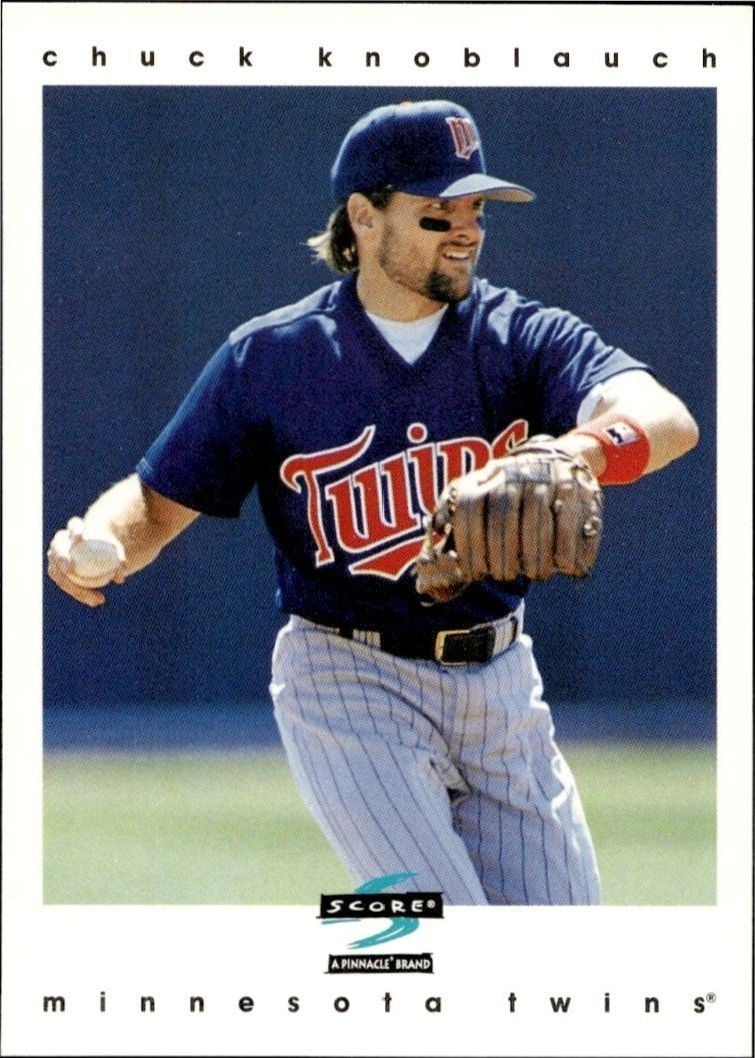
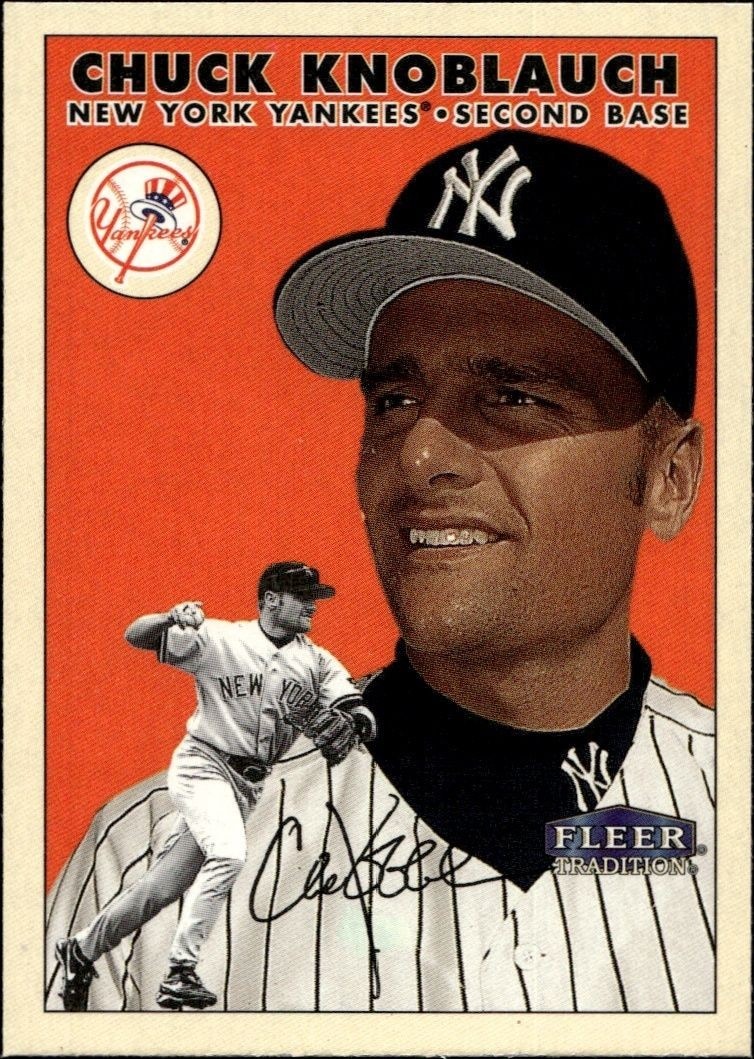
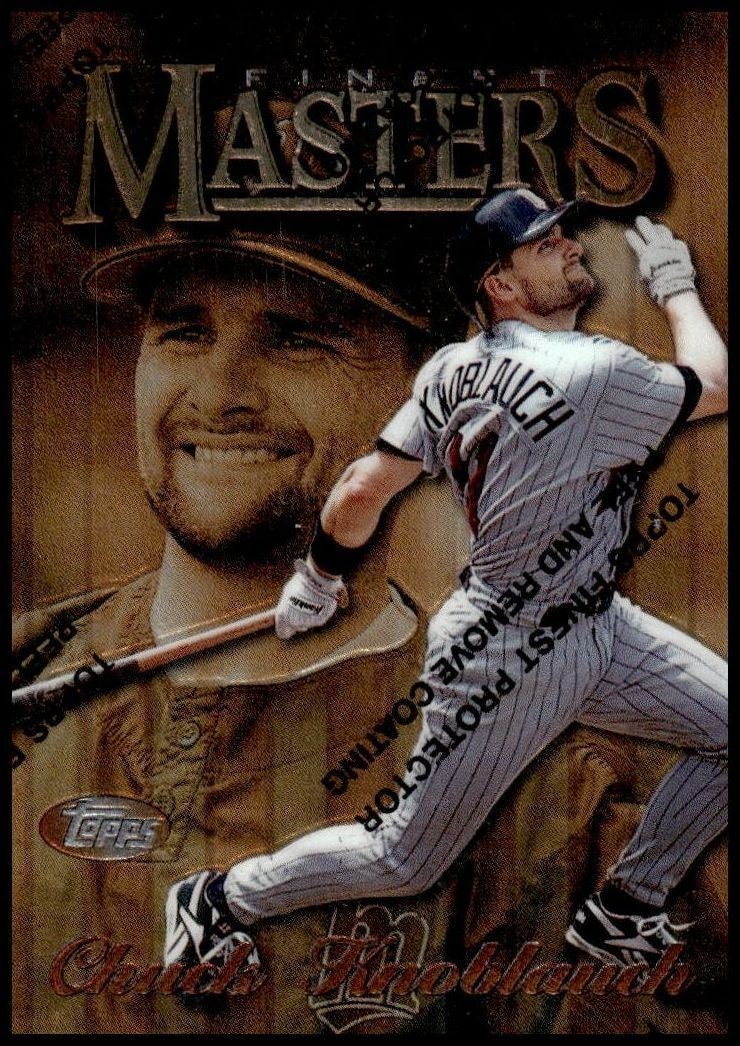
Complete your 1998 Topps Minted in Cooperstown set with Chuck Knoblauch #309. This sports card captures the Minnesota Twins shortstop during a pivotal era in franchise history.
1998 • Topps • Minted in Cooperstown
Major League Baseball • Minnesota Twins
Excellent
309
New
Shipping Calculated at Checkout
Arrives in 4-6 daysEstimated delivery October 23, 2026 - October 25, 2026
Seller returns October 19, 2026.30-day Returns| Condition | Value | Source | Trend | Price Details |
|---|---|---|---|---|
$4.56As of 9/29/2026 | Guide Estimate | |||
Raw / Ungraded
PriceCharting Price Guide · Guide Estimate evidence · captured Sep 30, 2026
History is building. At least two days of matching observations are needed to show a trend.
Each point is the last stored observation that day for this printing, condition, grader, autograph status and source. Gaps mean no observation; guide estimates and asking prices are not completed sales.The 1998 Topps Minted in Cooperstown subset offers a unique lens into baseball history, blending standard card design with a distinct aesthetic that pays homage to the sport's heritage. For collectors focused on the Minnesota Twins, Chuck Knoblauch #309 serves as a vital component of this release. During this period, Knoblauch was a central figure in the team's lineup, making cards featuring him highly relevant for those building themed collections or focusing on late-90s MLB rosters. The Minted in Cooperstown series is recognized for its special treatment, distinguishing it from the primary 1998 Topps base set. Collectors often seek out individual cards like #309 to complete the subset, which requires assembling a diverse array of players from various teams. The value and appeal of this product lie in its ability to represent a specific moment in time, allowing hobbyists to curate their libraries with cards that have both historical significance and nostalgic weight. Whether you are looking to fill a gap in your 1998 Topps Minted in Cooperstown collection or acquire a standalone piece of baseball history, this card provides a tangible connection to the era. The consistent design language of the subset makes it easy to display and organize, appealing to both casual fans and serious investors in sports collectibles.
1 day ago
We'll pre-fill the product details from this catalog entry, so your listing lands on this exact page. Just add photos of your copy, pick its condition, and set your price.
The catalog profile below summarizes the card identity, featured subject, and notable collectible traits.
The core identity of the card within the set.
The subject, team, league, and sport context tied to this card.
Production details and format-specific attributes.
Material
Card Stock
Language
English
Compare prices, grades, photos, and shipping from approved sellers.
New
Excellent
See how many public collections currently include this card.
0 collectors have this card
This 1998 Topps base card of Chuck Knoblauch sits firmly in the lower tier of his collectible portfolio, reflecting its status as a mass-produced item from a major manufacturer. While it lacks the premium pricing of autographs or high-grade parallels, it remains an accessible entry point for collectors focusing on his Minnesota Twins tenure. The current market presence suggests steady, albeit modest, liquidity typical for standard issue cards from this era.
As a standard base card without noted special attributes, this item represents the highest volume tier of the 1998 Topps set, meaning supply is abundant and scarcity is minimal. Unlike short-printed subsets or serial-numbered parallels, there are no mechanical constraints limiting the quantity of this specific card in circulation. Consequently, it does not command a rarity premium and trades primarily on its condition and completeness within a set.
Investment potential for this specific card is limited by its lack of rookie status, autograph authentication, or unique parallel treatment. Demand is driven largely by nostalgia for the late 1990s Twins roster rather than speculative growth metrics. Collectors should view this as a foundational component for set-building rather than a standalone asset for capital appreciation.