





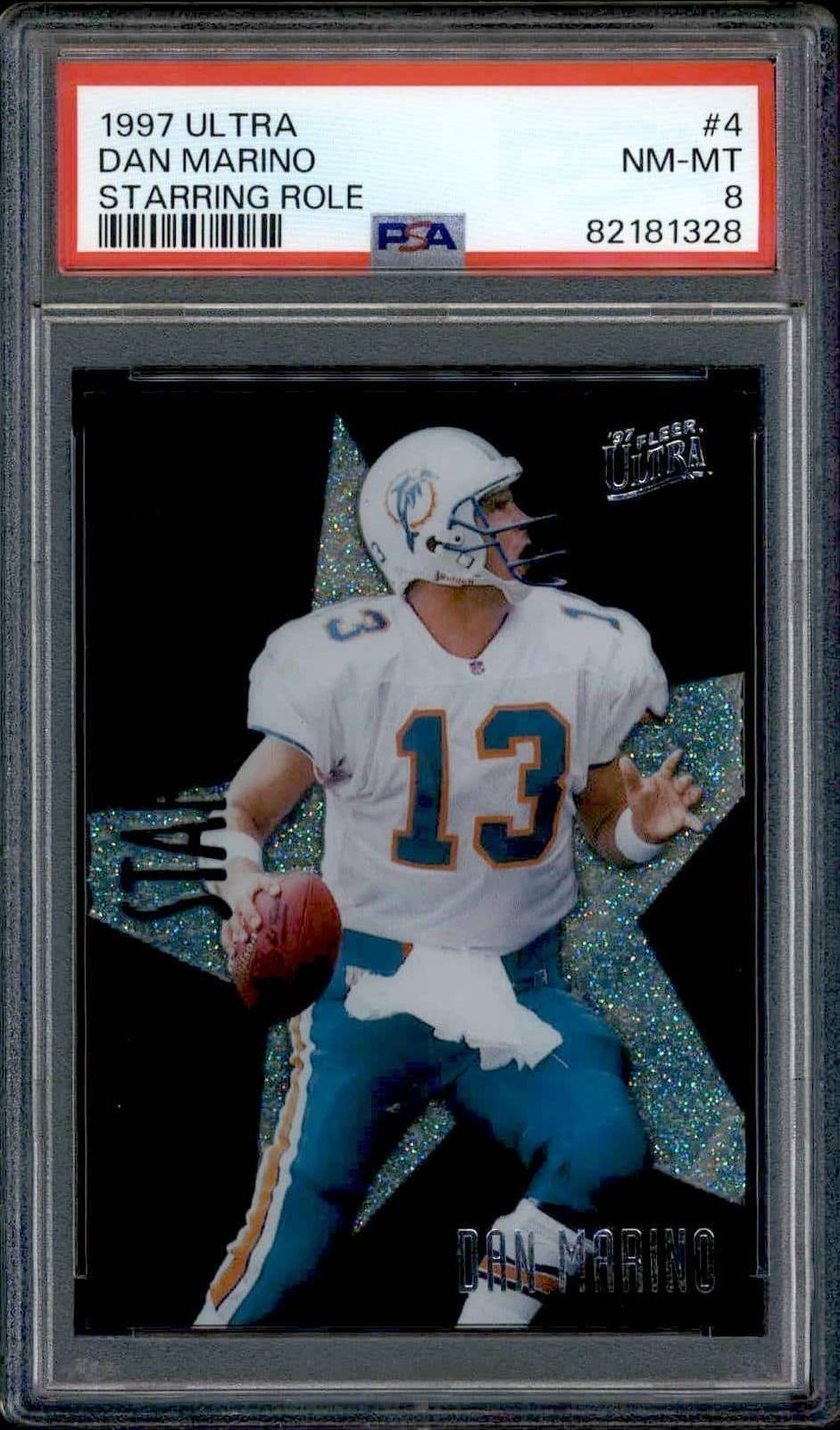
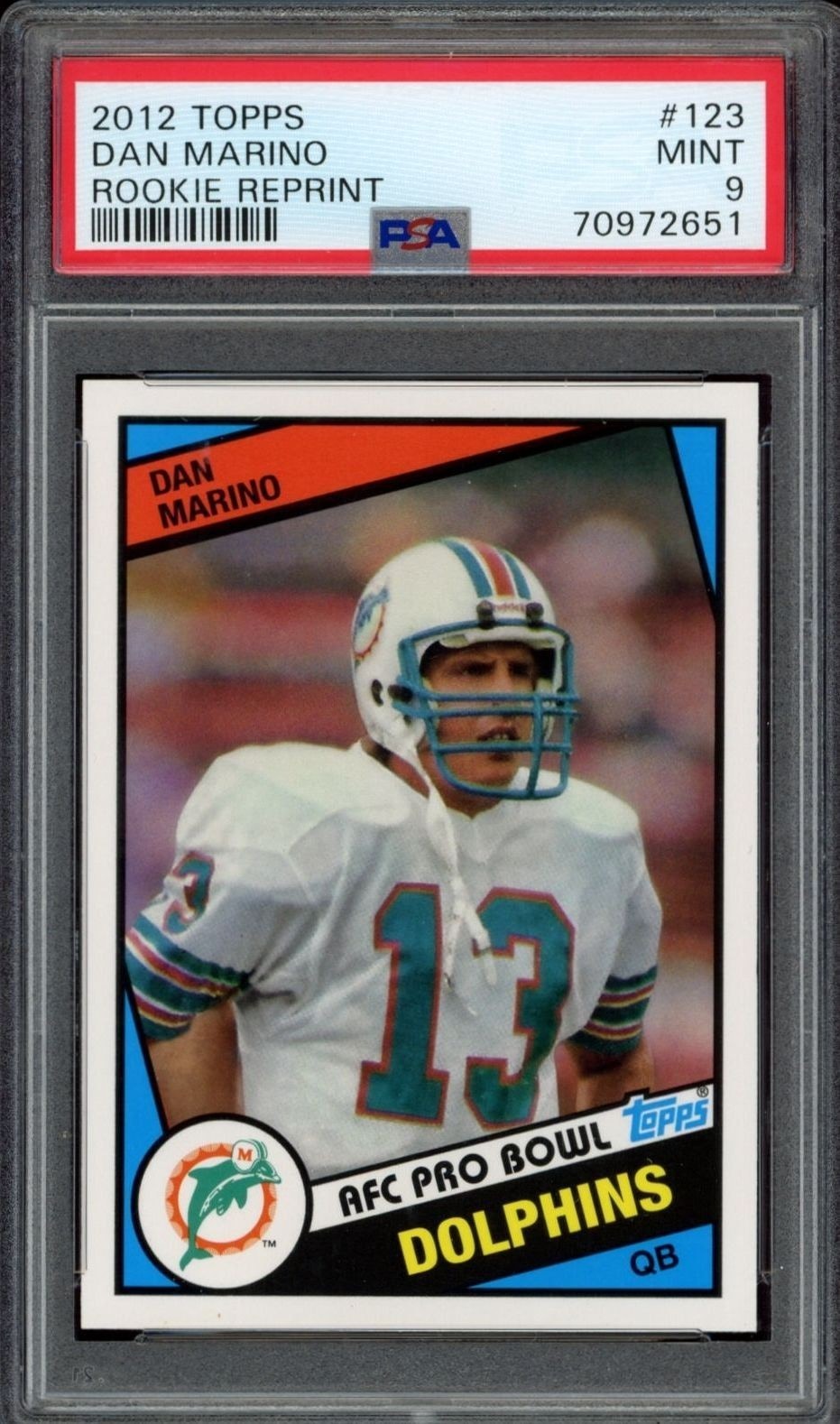

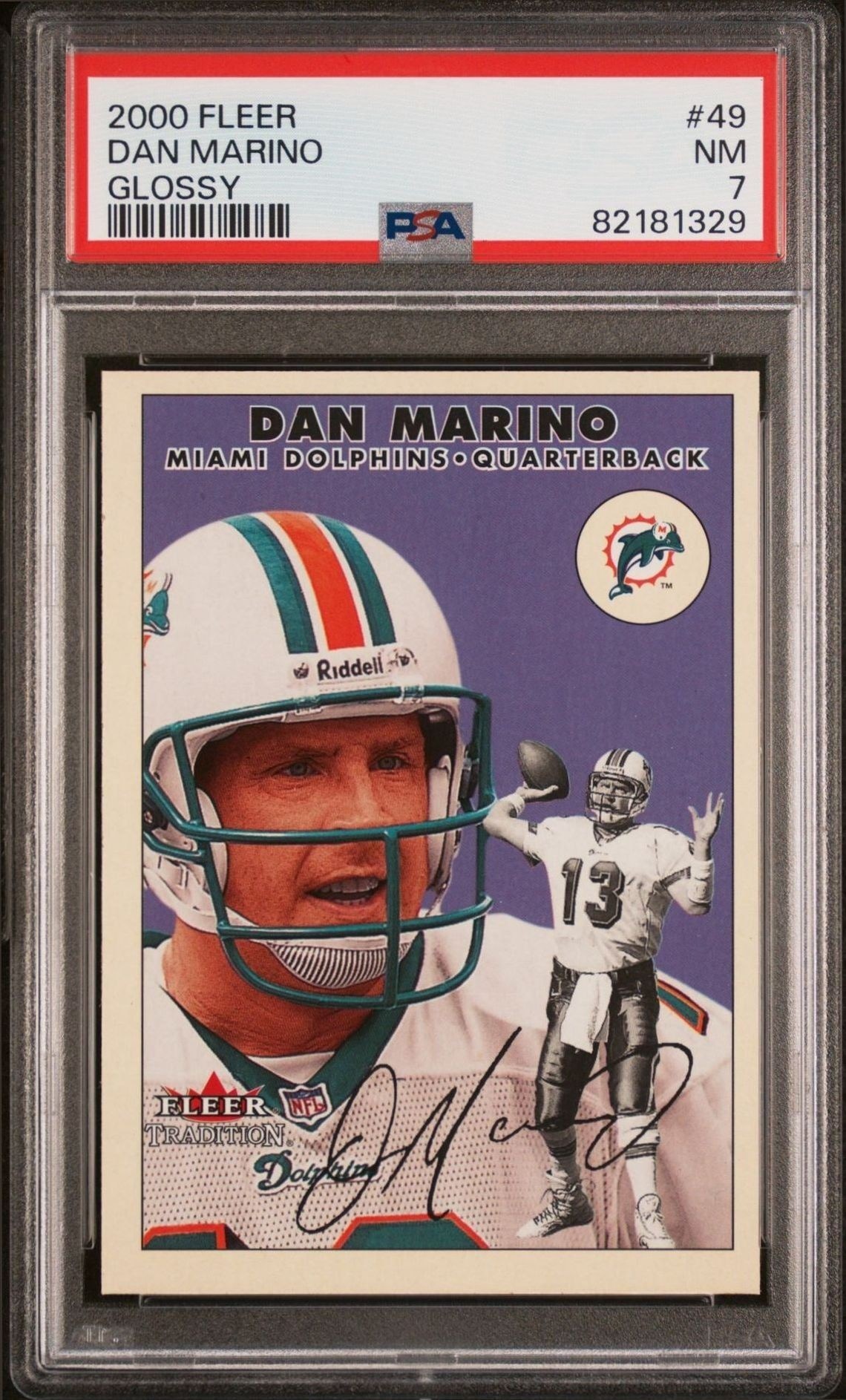
Dan Marino
2000 • Fleer
#49
$199.99
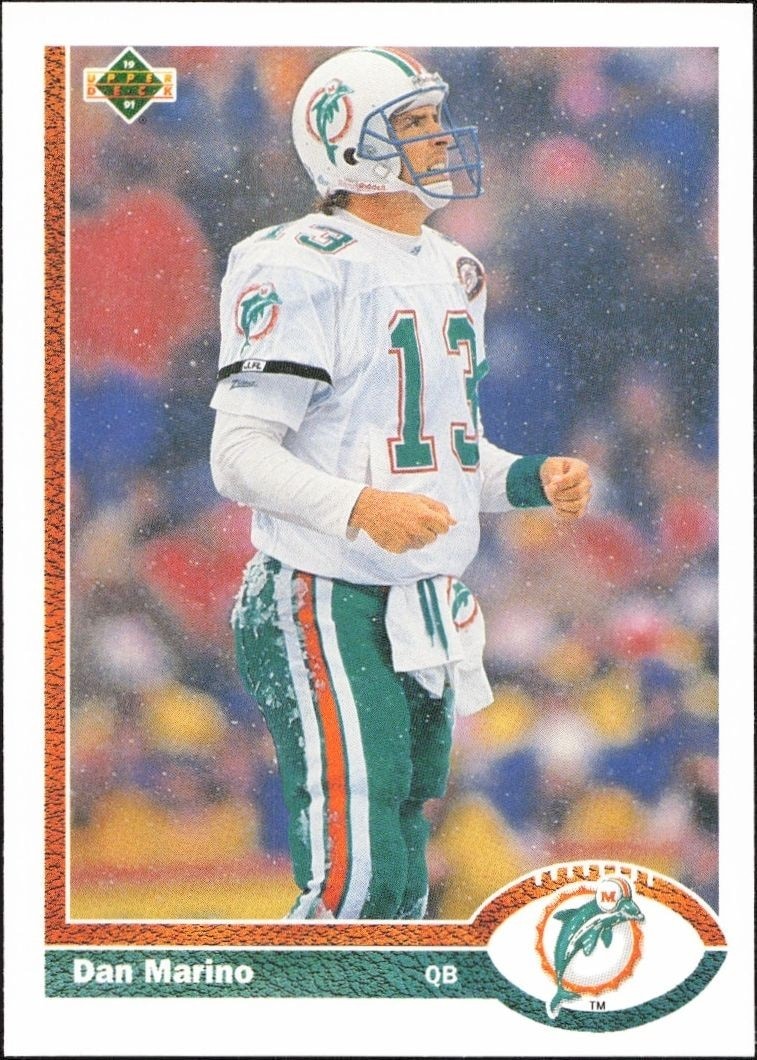
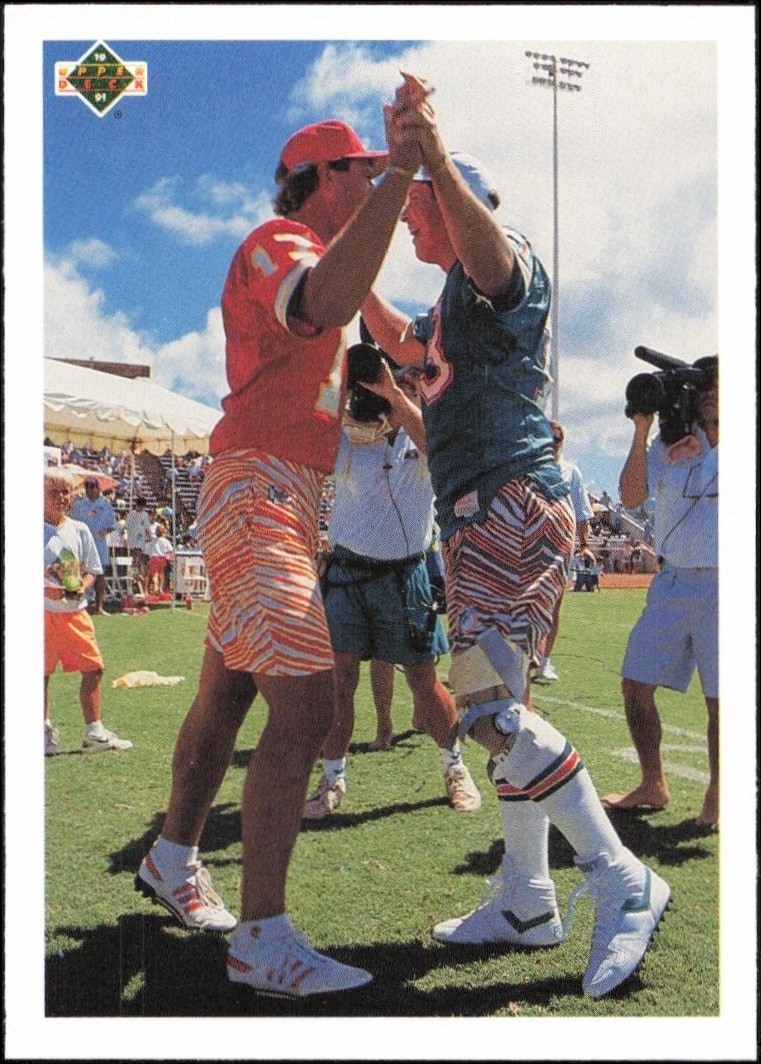
Discover the details of the 1991 Upper Deck Dan Marino #83 football card, a notable entry in the first release from the Upper Deck brand.
1991 • Upper Deck
National Football League • Miami Dolphins
Near Mint
83
New
Shipping Calculated at Checkout
Arrives in 4-6 daysEstimated delivery October 24, 2026 - October 26, 2026
30-day Returns| Condition | Value | Source | Trend | Price Details |
|---|---|---|---|---|
$1.13 | Guide Estimate | -24.2% | ||
$10.00 | Guide Estimate | 0% | ||
$19.23 | Guide Estimate | +53.8% | ||
$28.00 | Guide Estimate | 0% | ||
$37.00 | Guide Estimate | 0% | ||
$29.00 | Guide Estimate | 0% | ||
$28.47 | Guide Estimate | -1% | ||
$17.00 | Guide Estimate | 0% | ||
Raw / Ungraded
PriceCharting Price Guide · Guide Estimate evidence · captured Oct 18, 2026
The 1991 Upper Deck Dan Marino #83 card stands as a significant piece for collectors of Miami Dolphins memorabilia and football trading cards. As part of the inaugural Upper Deck release, this product marked a shift in the sports card industry by introducing glossy, high-quality production values that distinguished it from previous wax packs. Dan Marino, the legendary quarterback for the Miami Dolphins, is featured prominently on this card. The 1991 Upper Deck brand was notable for its bold typography and vibrant color palettes, which helped define the visual identity of sports cards during that era. Card number 83 serves as a primary card for Marino within the base set, offering a straightforward yet powerful portrait of one of the NFL's most prolific passers. Collectors often seek out this card to round out their 1991 Upper Deck football sets. The brand's reputation for quality control and consistent card stock has made its early releases highly regarded among vintage card enthusiasts. Whether you are building a personal collection, looking for a gift for a Dolphins fan, or analyzing market trends for vintage football cards, the 1991 Upper Deck Dan Marino #83 remains a relevant and enduring item. It represents a specific moment in time for the Miami Dolphins franchise and the broader landscape of sports card collecting. The card's enduring appeal lies in its association with a historic era of the game and the pioneering nature of the Upper Deck brand itself.
12 hours ago
We'll pre-fill the product details from this catalog entry, so your listing lands on this exact page. Just add photos of your copy, pick its condition, and set your price.
The catalog profile below summarizes the card identity, featured subject, and notable collectible traits.
The subject, team, league, and sport context tied to this card.
Production details and format-specific attributes.
Material
Card Stock
Language
English
Compare prices, grades, photos, and shipping from approved sellers.
New
Near Mint
See how many public collections currently include this card.
0 collectors have this card
This 1991 Upper Deck base card represents a fundamental entry point for Dan Marino collectors, trading at a modest tier relative to his premium parallels and rookie issues. While it lacks the scarcity drivers that command significant premiums, its status as a primary set card for a legendary quarterback ensures it remains a staple for completists. The current pricing reflects its accessible nature within the broader NFL hobby market rather than speculative growth potential.
As a standard base card with no noted special attributes, this item does not carry inherent scarcity mechanics such as serial numbering, short-print status, or parallel variations. Its supply is determined entirely by the original print run of the 1991 Upper Deck set, meaning it is widely available and not constrained by limited edition factors. Collectors seeking unique or low-numbered assets will typically bypass this version in favor of rarer subsets.
Investment potential is limited by its position as a non-premium, base-level card in a highly produced set from the early 1990s. Demand is driven primarily by hobbyists completing base set runs rather than investors seeking appreciation through rarity. Long-term value retention is likely stable but flat, as it does not benefit from rookie card premiums or high-end parallel scarcity.