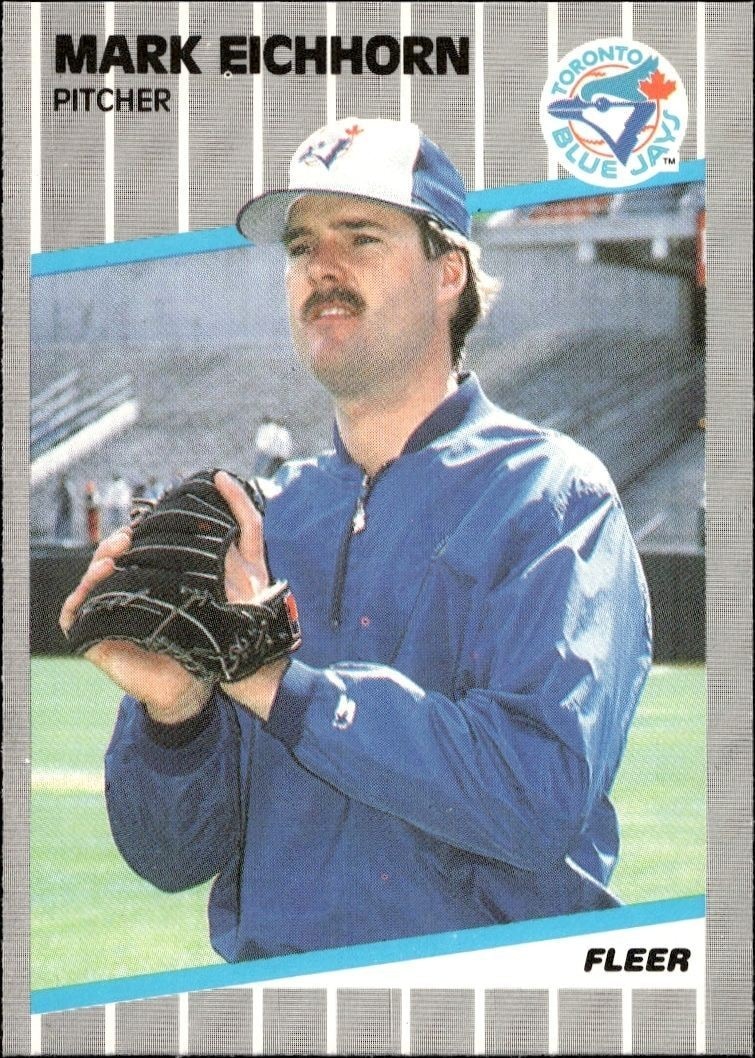



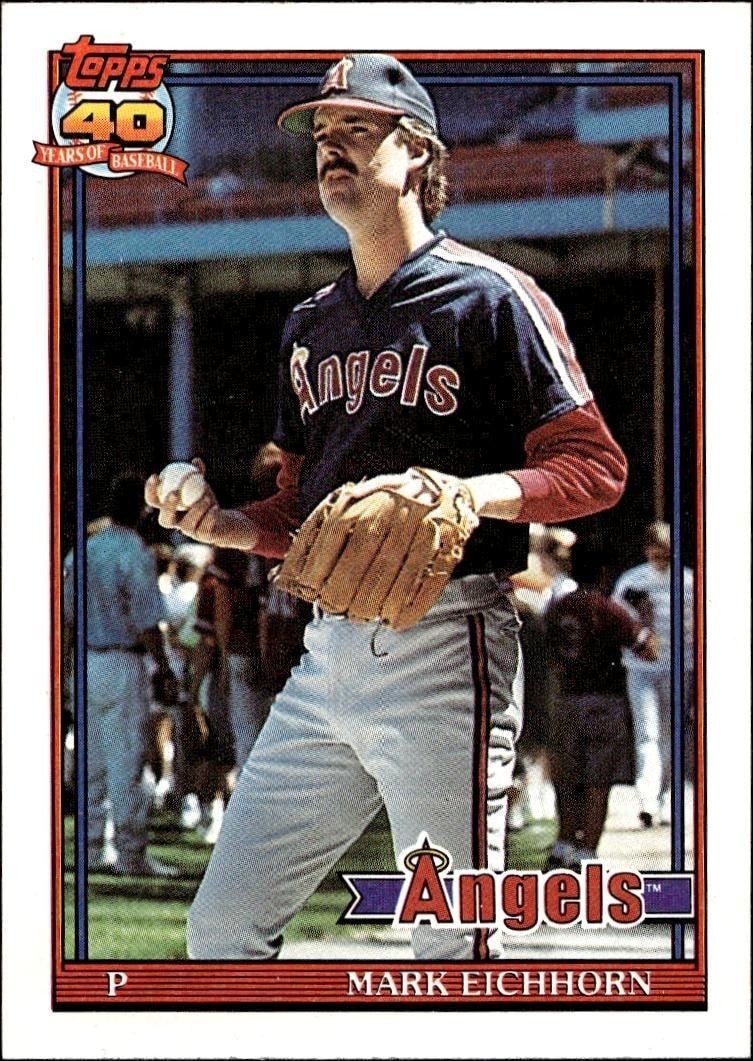
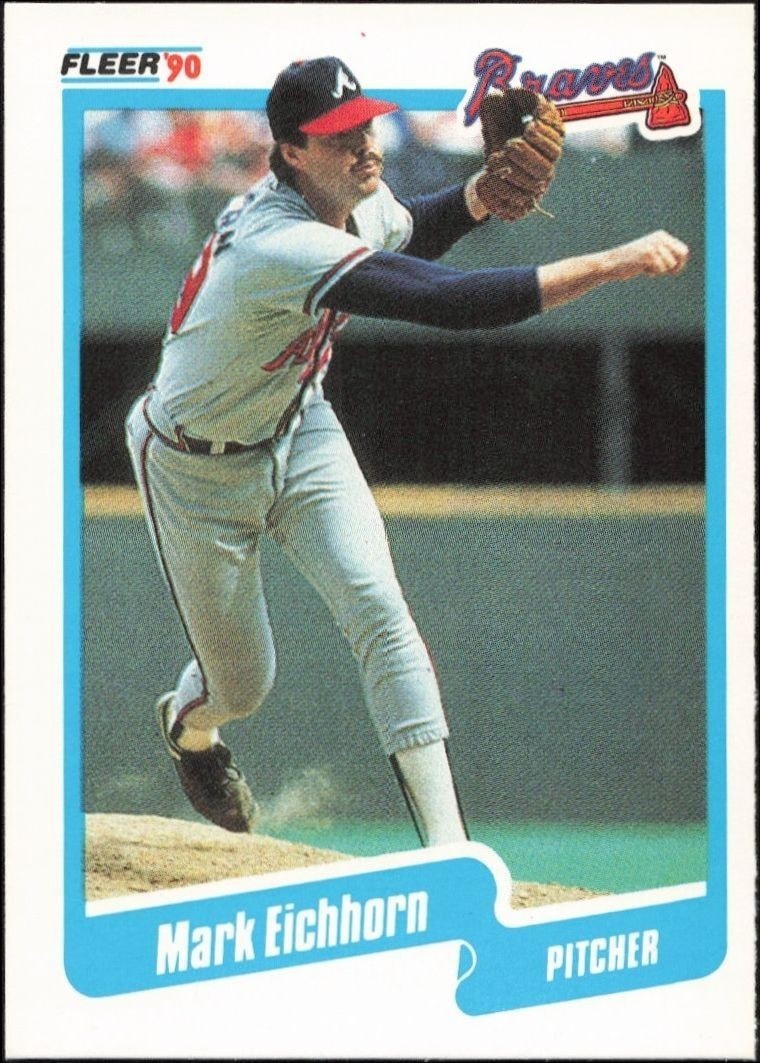
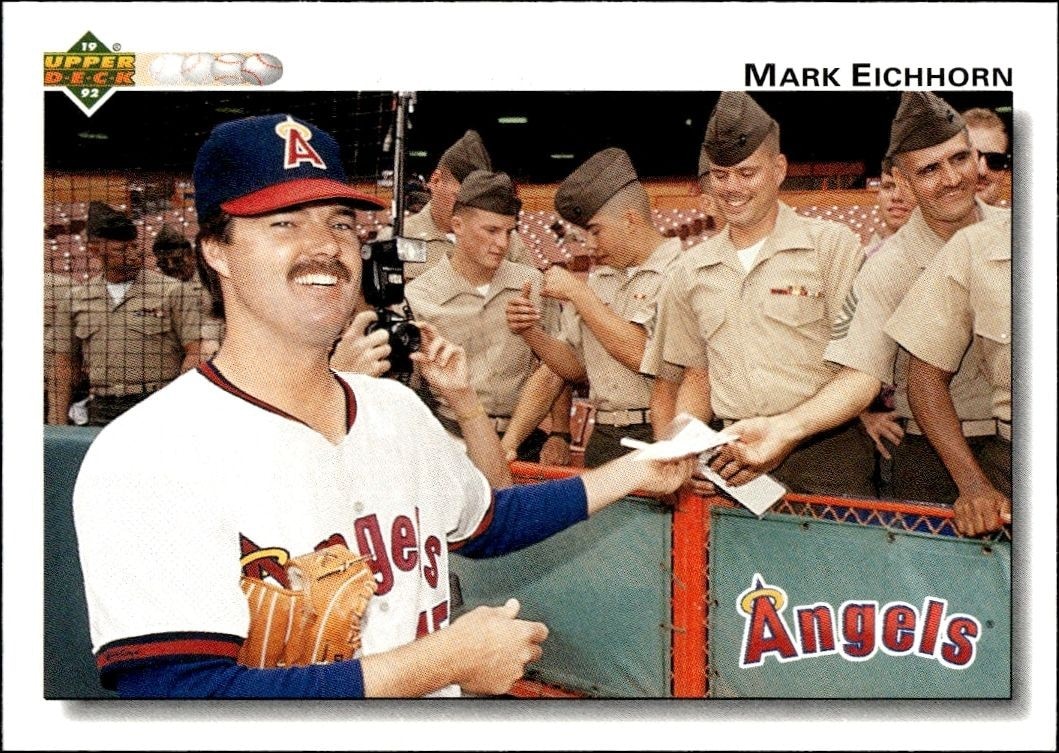
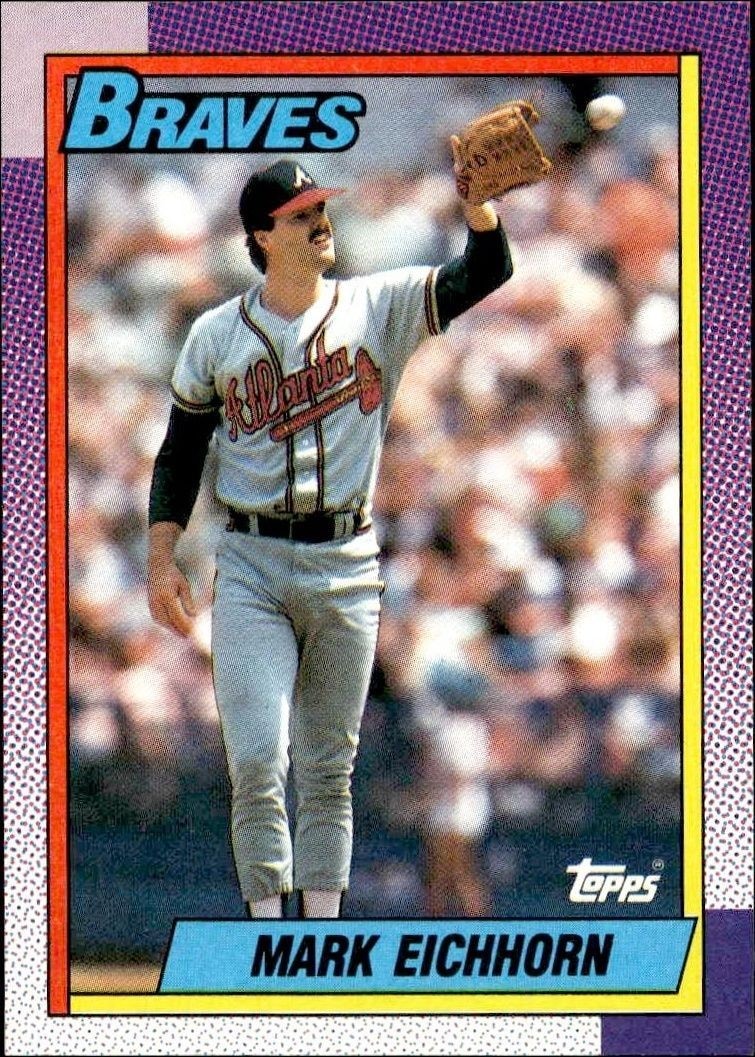
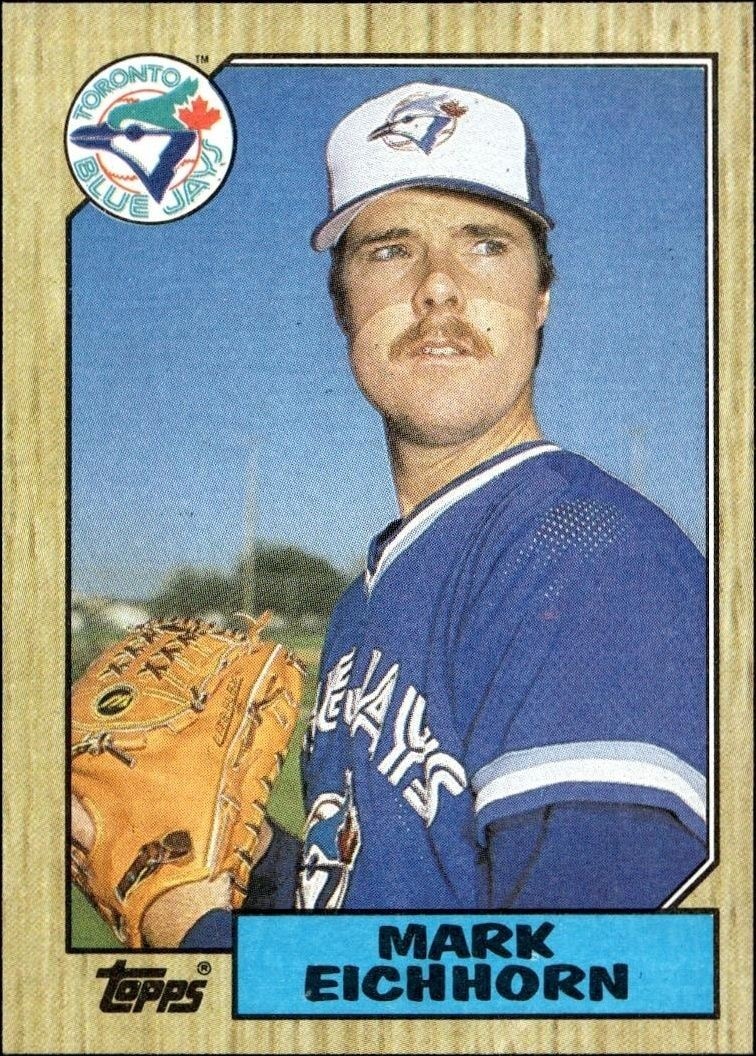
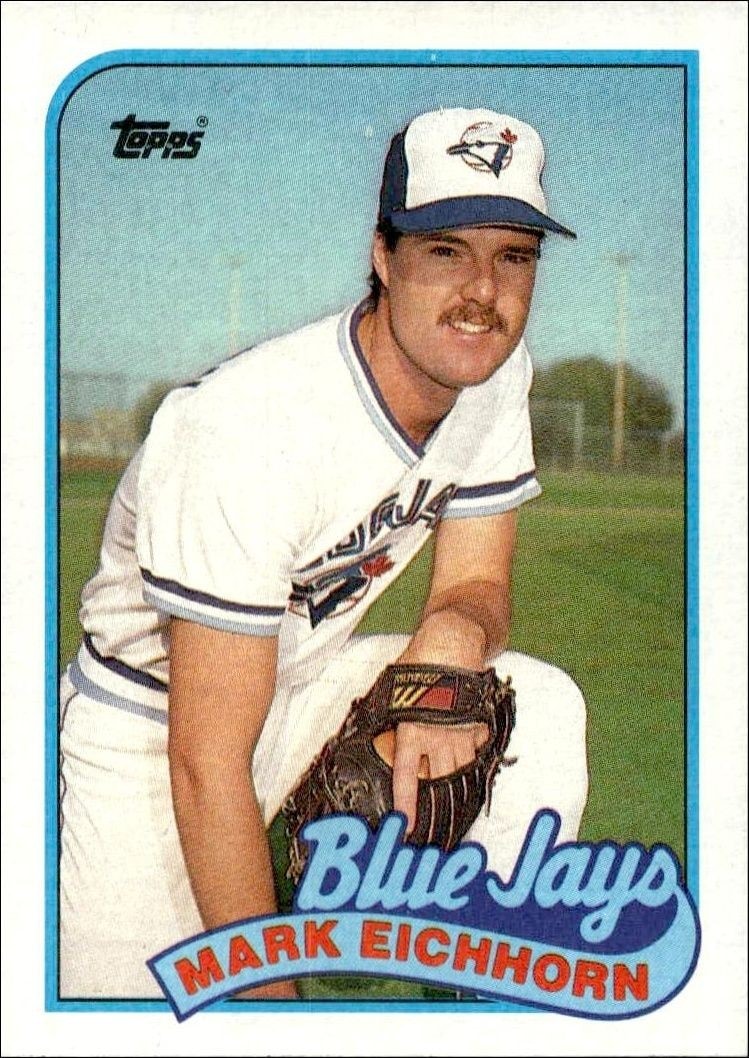
Identify the 1991 Upper Deck Mark Eichhorn #519 from the Low Number series, a distinctive piece for Los Angeles Angels memorabilia collectors.
1991 • Upper Deck • Low Number
Major League Baseball • Los Angeles Angels
Near Mint
519
New
Shipping Calculated at Checkout
Arrives in 5-7 daysEstimated delivery October 23, 2026 - October 25, 2026
Seller returns October 19, 2026.30-day Returns| Condition | Value | Source | Trend | Price Details |
|---|---|---|---|---|
$1.00 | Guide Estimate | |||
Raw / Ungraded
PriceCharting Price Guide · Guide Estimate evidence · captured Oct 17, 2026
History is building. At least two days of matching observations are needed to show a trend.
Each point is the last stored observation that day for this printing, condition, grader, autograph status and source. Gaps mean no observation; guide estimates and asking prices are not completed sales.The 1991 Upper Deck Mark Eichhorn #519 belongs to the Low Number series, a unique subset that features cards with sequential numbering relative to the set's base run. This card, numbered 519, captures Eichhorn during his tenure with the Los Angeles Angels, making it a relevant piece for fans tracking the team's history. The Low Number series is well-known among hobbyists for its distinct design and the challenge of assembling complete sets, often requiring patience to find lower-numbered parallels or base cards. Collectors often seek out this 1991 release not just for the player, but for its place in the broader Upper Deck landscape of the early 1990s. As a product of this era, it represents a time when trading card design began to shift toward more dynamic photography and bold typography. For investors and set builders, the Low Number subset offers a specialized collecting angle that complements standard base sets. When evaluating this card, the focus remains on its catalog identity: the 1991 Upper Deck brand, the Low Number series designation, and Mark Eichhorn’s role as an Angels reliever. The card number 519 serves as a key identifier for databases and collector communities.
14 hours ago
We'll pre-fill the product details from this catalog entry, so your listing lands on this exact page. Just add photos of your copy, pick its condition, and set your price.
The catalog profile below summarizes the card identity, featured subject, and notable collectible traits.
The core identity of the card within the set.
The subject, team, league, and sport context tied to this card.
Production details and format-specific attributes.
Material
Card Stock
Language
English
Compare prices, grades, photos, and shipping from approved sellers.
New
Near Mint
See how many public collections currently include this card.
0 collectors have this card
Mark Eichhorn's 1991 Upper Deck Low Number card currently trades at a modest price tier, reflecting his status as a role player rather than a franchise cornerstone. The absence of special attributes suggests this issue relies primarily on its low-number designation for value, distinguishing it from standard base cards within the set. Consequently, it commands a slight premium over common variations but remains accessible compared to high-profile rookie cards of the era.
The primary scarcity driver for this item is its placement within the 'Low Number' subset, which inherently limits the available supply by assigning sequential integers to a smaller portion of the print run. Since no specific serial numbering, short-print status, or parallel attributes are noted, the card lacks additional layers of rarity beyond this sequential constraint. This mechanical limitation creates a defined scarcity ceiling, preventing the supply from expanding indefinitely while avoiding the extreme rarity of one-of-one variants.
As a non-rookie card for a player who did not achieve Hall of Fame status, the investment potential is driven by nostalgia and the specific demand for low-numbered issues from the early 1990s. The 1991 Upper Deck set maintains a dedicated collector base, and low-number cards often serve as affordable entry points for those completing sets or focusing on numerical significance. Value stability is likely tied to the broader market sentiment for pre-2000 baseball cards, with limited upside unless the player experiences a resurgence in historical recognition.