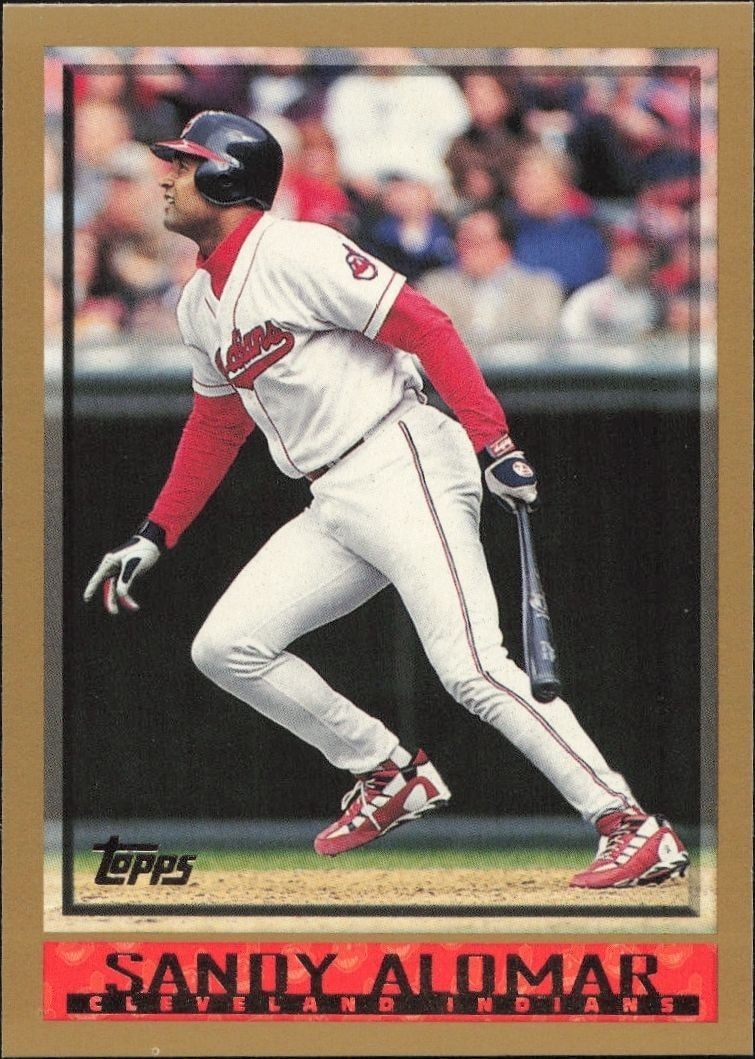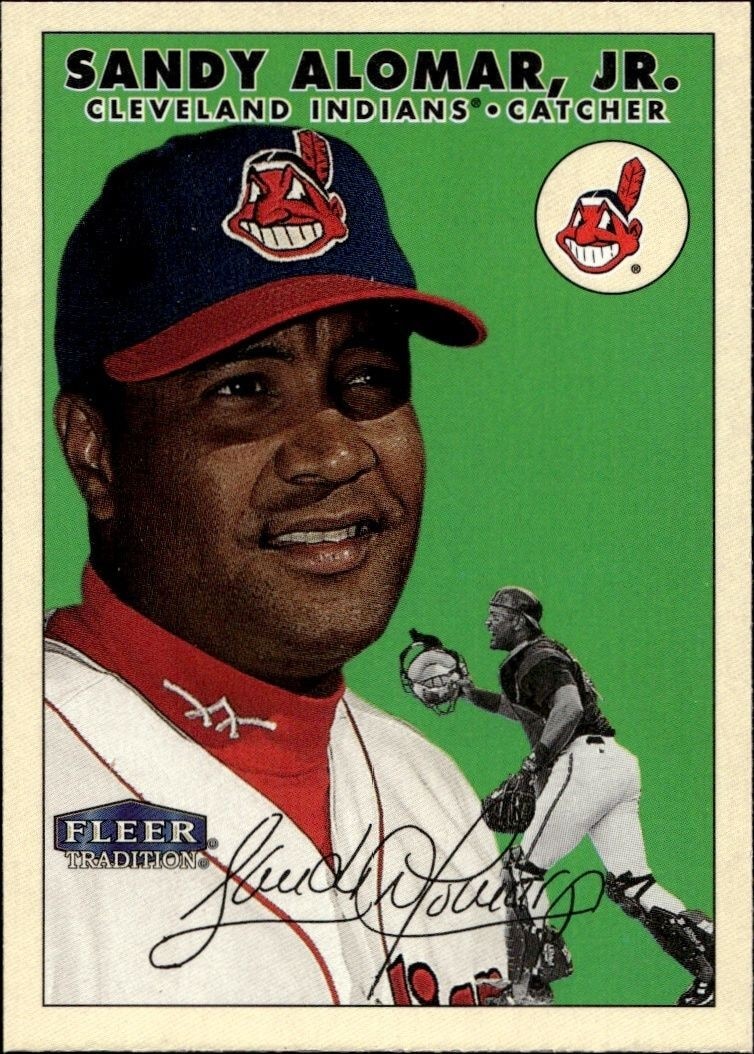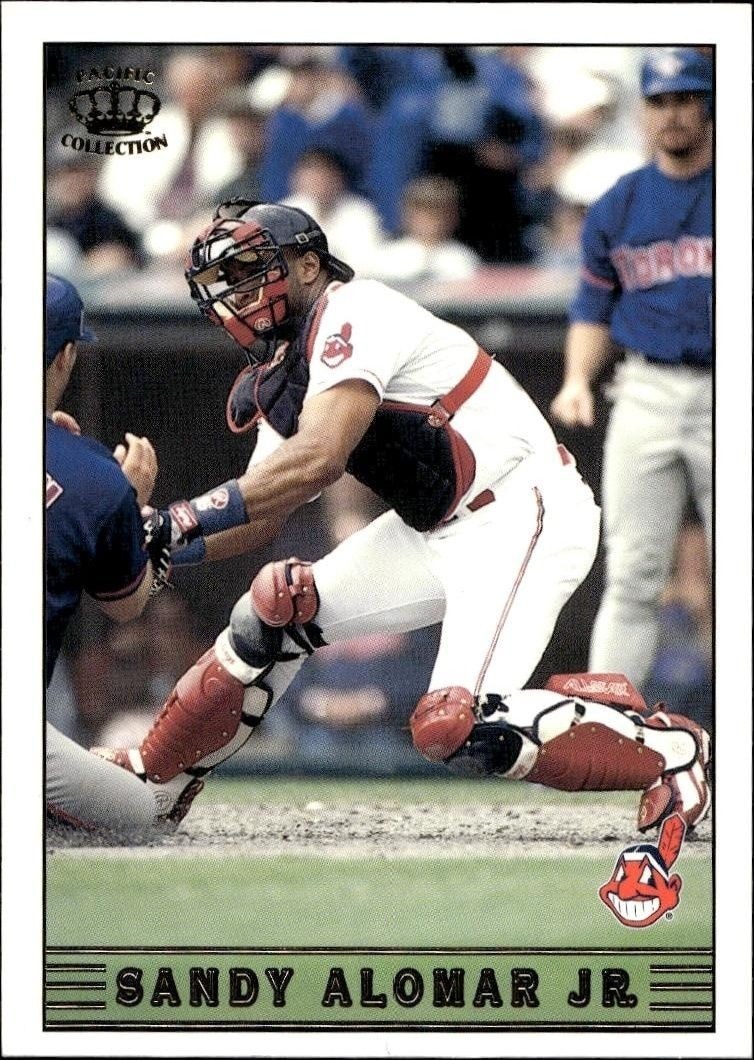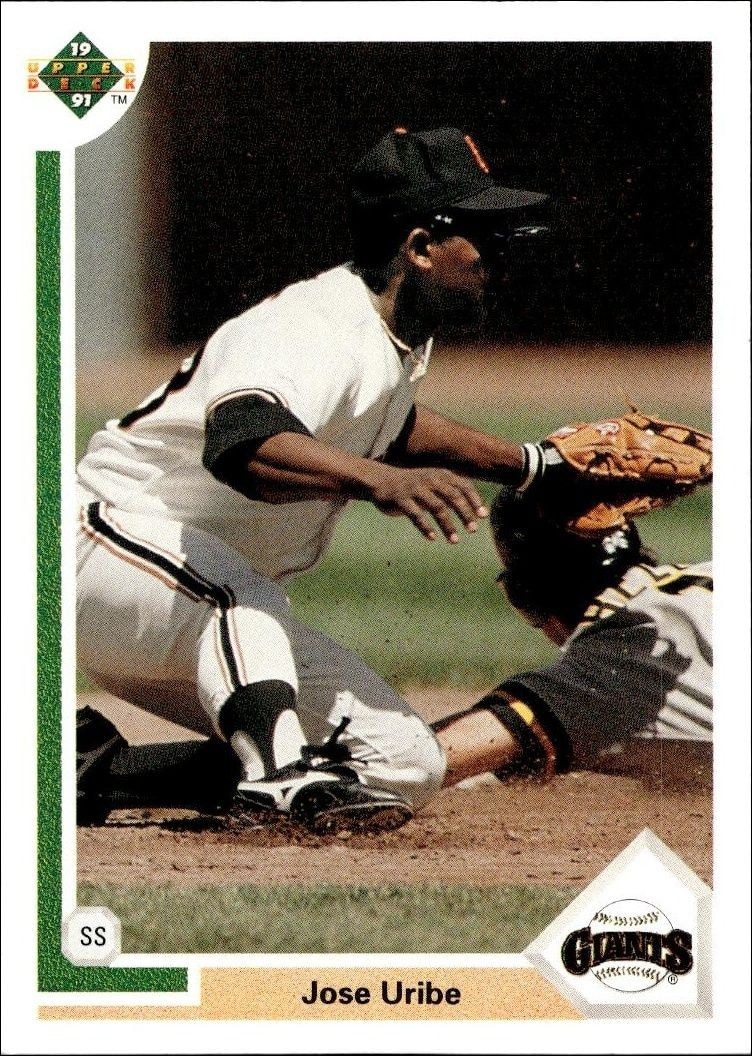







The 1991 Upper Deck Sandy Alomar Jr. #46 is a foundational baseball card from the series that revolutionized the modern trading card industry.
1991 • Upper Deck • Low Number
Major League Baseball • Cleveland Indians
Excellent
46
New
Shipping Calculated at Checkout
Arrives in 5-7 daysEstimated delivery October 23, 2026 - October 25, 2026
Seller returns October 19, 2026.30-day Returns| Condition | Value | Source | Trend | Price Details |
|---|---|---|---|---|
$1.36As of 9/26/2026 | Guide Estimate | |||
Raw / Ungraded
PriceCharting Price Guide · Guide Estimate evidence · captured Sep 26, 2026
History is building. At least two days of matching observations are needed to show a trend.
Each point is the last stored observation that day for this printing, condition, grader, autograph status and source. Gaps mean no observation; guide estimates and asking prices are not completed sales.The 1991 Upper Deck Sandy Alomar Jr. #46 represents a pivotal moment in baseball card history. The card features Sandy Alomar Jr. During his tenure with the Cleveland Indians, capturing the young catcher at the start of his career in the American League. Card #46 serves as a primary entry point for collectors interested in the 1991 Upper Deck baseball lineup. For many, this card number is essential when attempting to complete the full base set, which remains a popular goal for vintage baseball enthusiasts. Sandy Alomar Jr. Went on to become a respected figure in the sport, making this card an important historical artifact for fans of the Cleveland Indians and baseball history generally. The card’s design reflects the early 90s aesthetic, characterized by clean layouts and vibrant team colors. Collectors often seek out 1991 Upper Deck cards for their role in defining the modern era of sports collectibles. Whether you are building a collection focused on Cleveland Indians history, 1991 baseball releases, or Sandy Alomar Jr.’s career trajectory, this card holds a distinct place in the hobby. The enduring appeal of the 1991 Upper Deck set ensures that cards like #46 remain relevant for both new and experienced collectors alike.
16 hours ago
We'll pre-fill the product details from this catalog entry, so your listing lands on this exact page. Just add photos of your copy, pick its condition, and set your price.
The catalog profile below summarizes the card identity, featured subject, and notable collectible traits.
The core identity of the card within the set.
The subject, team, league, and sport context tied to this card.
Production details and format-specific attributes.
Material
Card Stock
Language
English
Compare prices, grades, photos, and shipping from approved sellers.
New
Excellent
See how many public collections currently include this card.
0 collectors have this card
This 1991 Upper Deck Sandy Alomar Jr. card represents an entry-level tier within the broader market for his early career issues, trading at a modest premium relative to common base parallels. As one of the defining players of the 1990s Cleveland Indians, its value is anchored by nostalgia rather than speculative hype, positioning it below his more sought-after rookie or high-end parallels. The current pricing reflects a stable, accessible entry point for collectors focusing on vintage American League talent.
The card is identified as a standard base issue without noted special attributes such as serial numbering, short printing, or parallel finishes, indicating an unlimited or high-volume print run typical of the era. This lack of scarcity mechanics means supply is effectively open, preventing any significant premium based on rarity alone. Consequently, the card relies entirely on player demand and condition for any value retention above raw market averages.
As a non-rookie card from a major brand, it lacks the explosive growth potential associated with Alomar's 1989 debut issues but offers stability for vintage baseball sets. Collector demand is driven by his tenure with the Indians and his role in the franchise's competitive years, providing a steady but modest interest level. Investors should view this as a portfolio filler for vintage baseball enthusiasts rather than a high-growth asset.