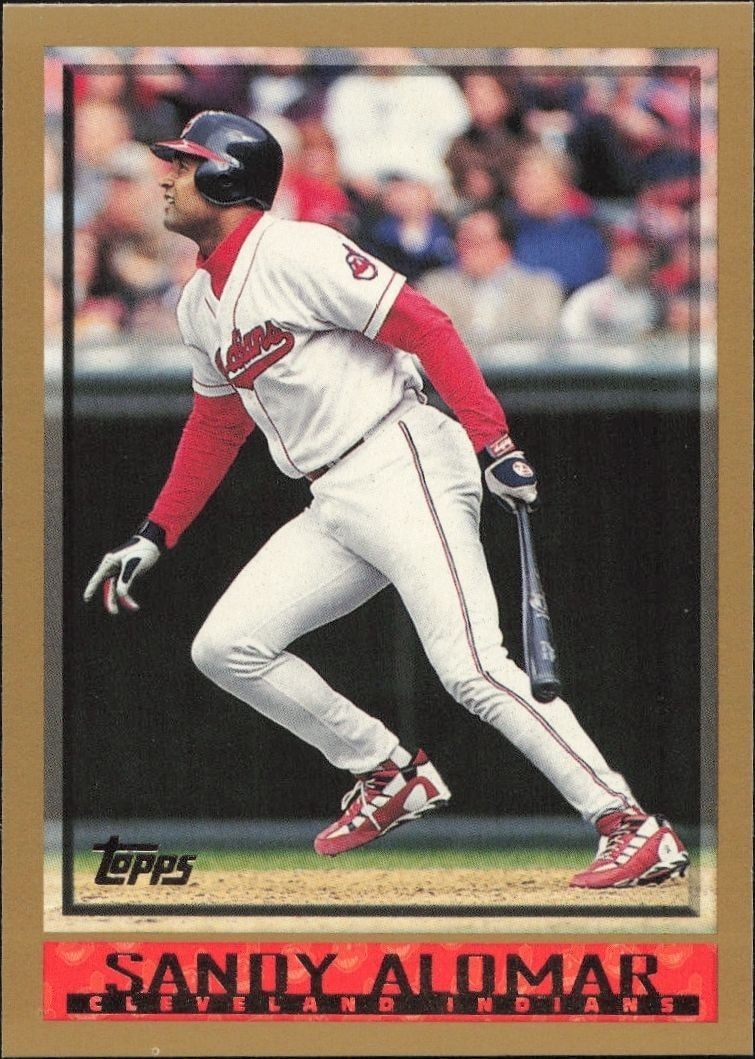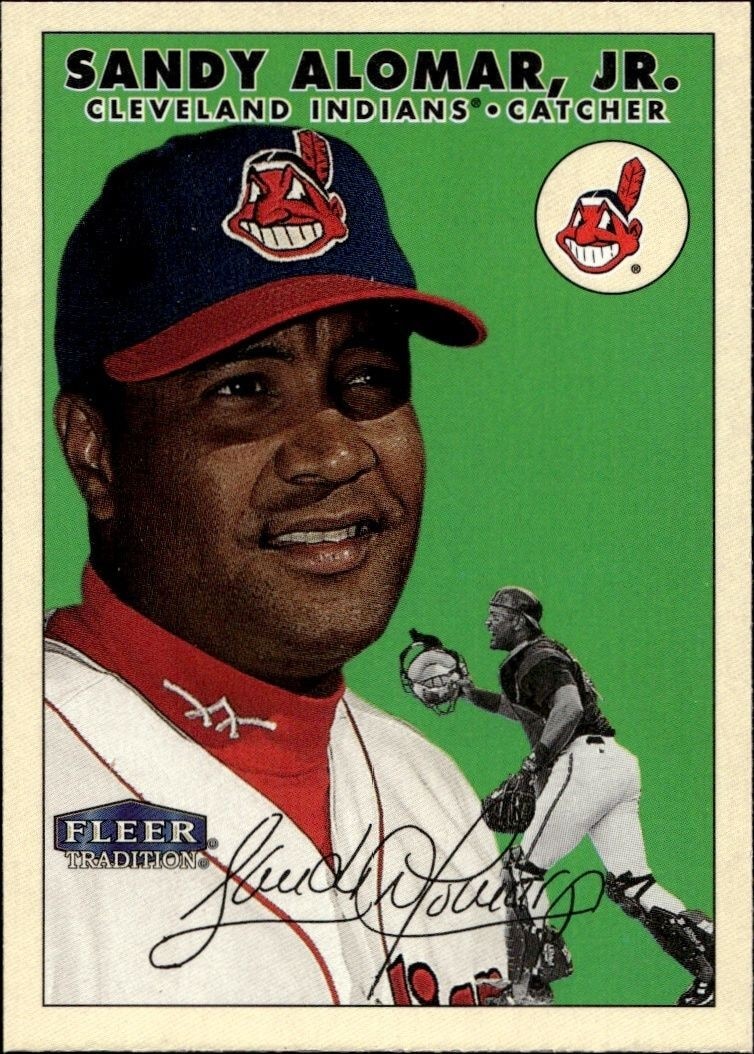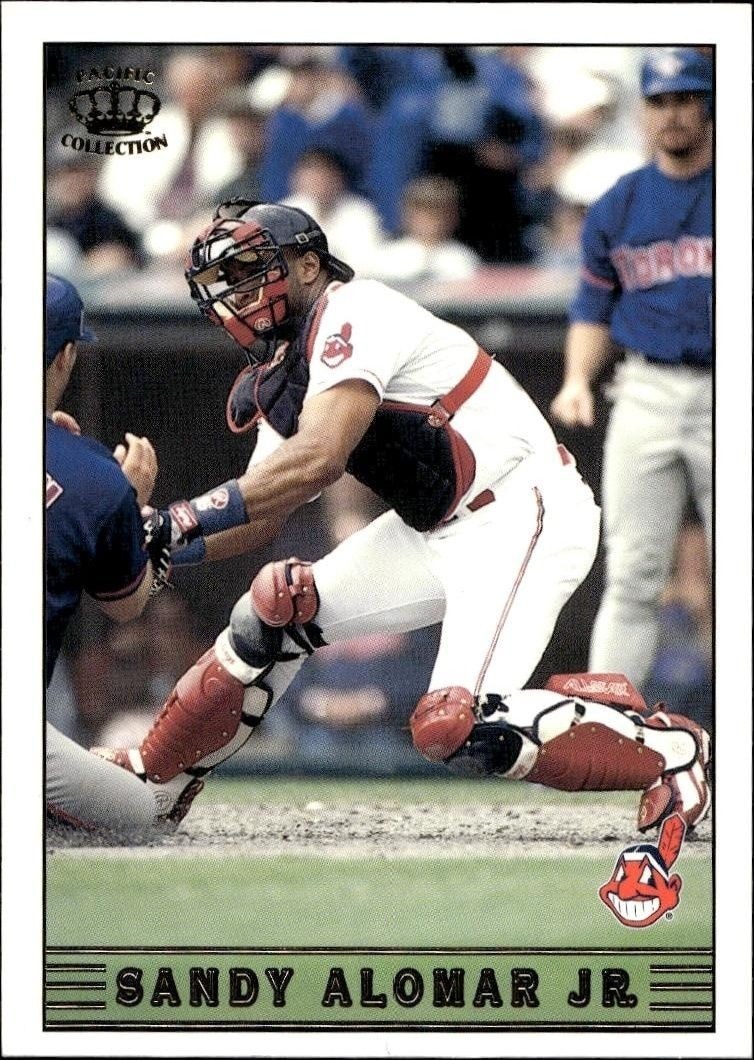
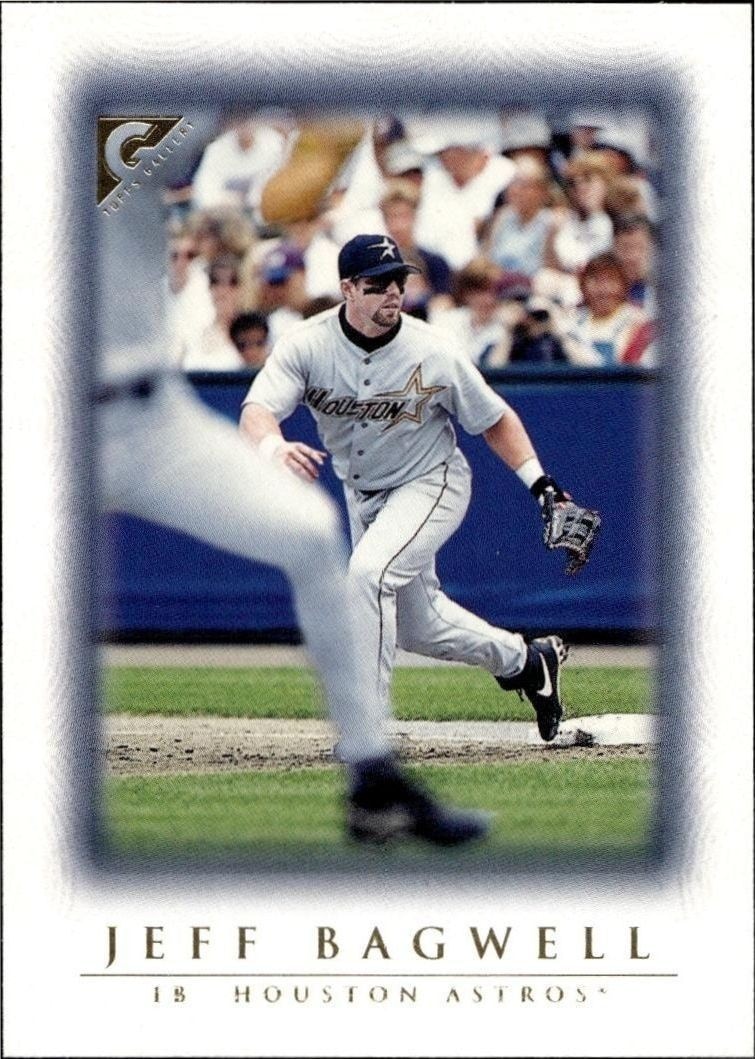
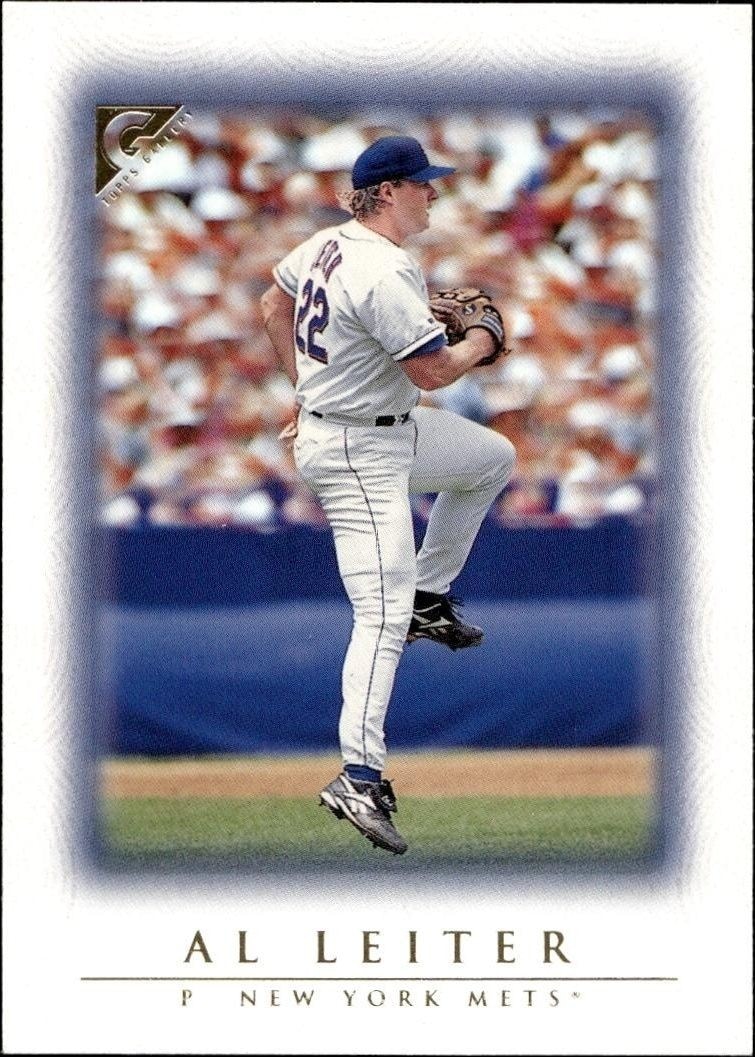
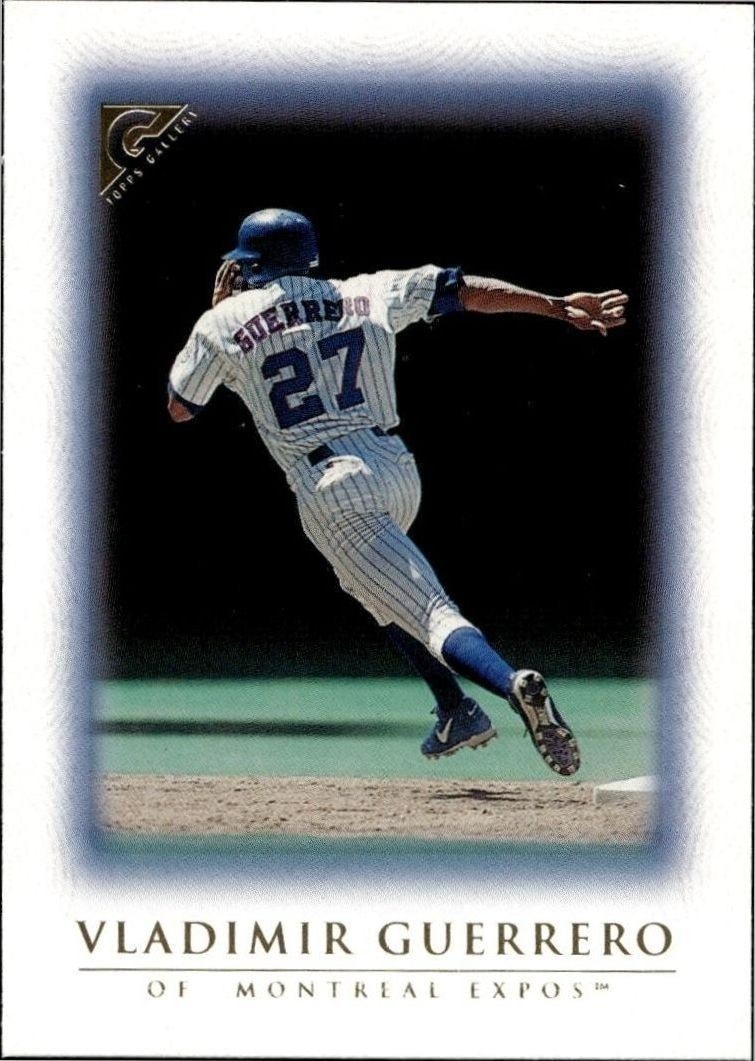
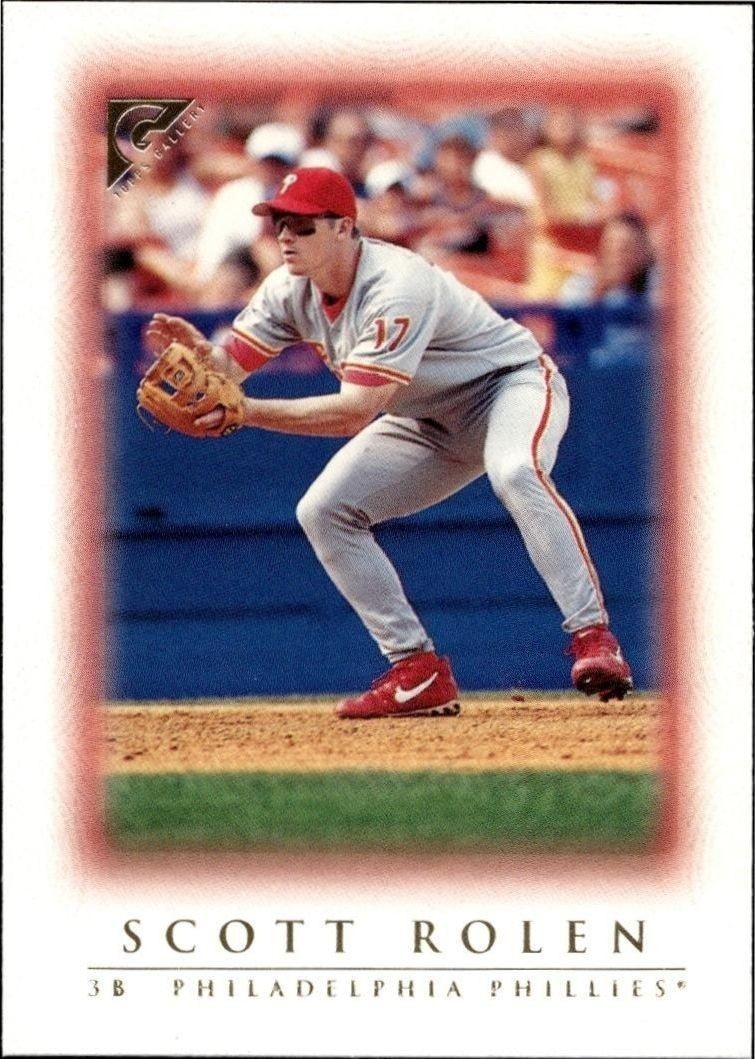




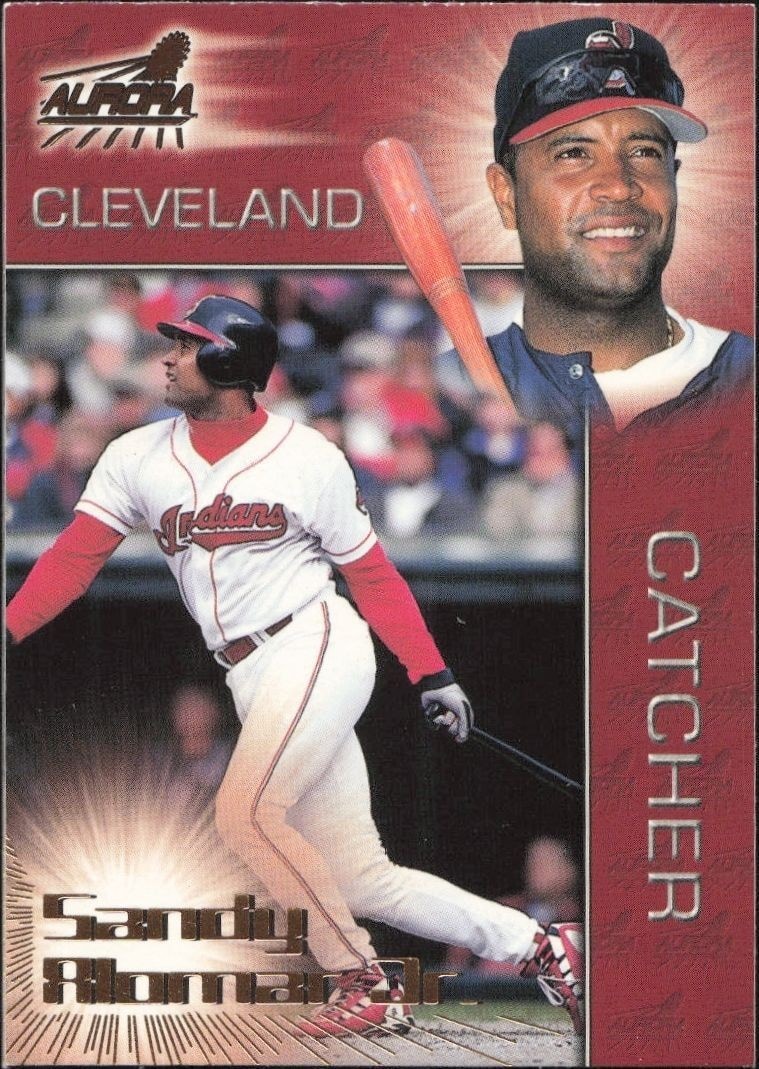
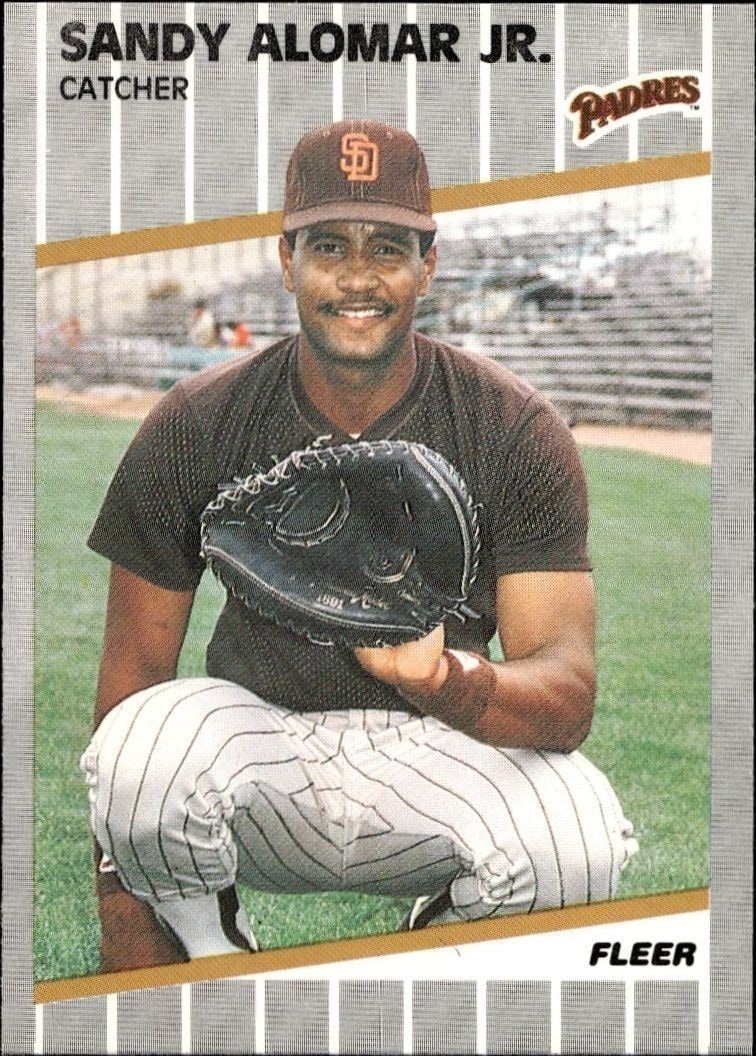


The 1999 Topps Gallery Sandy Alomar Jr. #50 baseball card captures the Cleveland Indians catcher during a pivotal era of the franchise's history.
1999 • Topps • Gallery
Major League Baseball • Cleveland Indians
Near Mint
50
New
Shipping Calculated at Checkout
Arrives in 5-7 daysEstimated delivery October 23, 2026 - October 25, 2026
Seller returns October 19, 2026.30-day Returns| Condition | Value | Source | Trend | Price Details |
|---|---|---|---|---|
$1.49 | Asking Prices | |||
Raw / Ungraded
eBay Active Listings · Asking Prices evidence · captured Oct 17, 2026
History is building. At least two days of matching observations are needed to show a trend.
Each point is the last stored observation that day for this printing, condition, grader, autograph status and source. Gaps mean no observation; guide estimates and asking prices are not completed sales.Sandy Alomar, Jr. served as the defensive anchor for the Cleveland Indians throughout the late 1990s, making his presence on the 1999 Topps Gallery #50 card particularly significant for fans of the franchise. As a catcher known for his leadership and game-calling abilities, Alomar was a central figure in the team's competitive years, and this card number represents a key piece of that vintage baseball landscape. The 1999 Topps Gallery release is widely recognized among hobbyists for its distinct visual approach compared to the standard Topps base set. While the standard issues focus on dynamic action shots, the Gallery subset often features a more artistic or portrait-oriented presentation, giving collectors a different aesthetic experience. For those building a comprehensive collection of 1999 Topps products, the Gallery subset offers a necessary complement to the main set, highlighting the star power of players like Alomar with a slightly different design language. Collecting vintage sports cards from this era involves an appreciation for the specific design trends and player rosters of the late 90s. The Cleveland Indians' roster during this period included several notable figures, and Alomar's card remains a staple for collectors focusing on team-specific sets or career retrospectives. Whether you are looking to complete a full 1999 Topps base set, add a Gallery parallel to your portfolio, or simply acquire a piece of Cleveland baseball history, this card provides a tangible connection to the sport's past. The enduring appeal of 1999 Topps products lies in their consistent quality and the memorable careers of the athletes featured, making items like Alomar's #50 card a relevant and respected addition to any serious collection.
20 hours ago
We'll pre-fill the product details from this catalog entry, so your listing lands on this exact page. Just add photos of your copy, pick its condition, and set your price.
The catalog profile below summarizes the card identity, featured subject, and notable collectible traits.
The core identity of the card within the set.
The subject, team, league, and sport context tied to this card.
Production details and format-specific attributes.
Material
Card Stock
Language
English
Compare prices, grades, photos, and shipping from approved sellers.
New
Near Mint
See how many public collections currently include this card.
0 collectors have this card
This 1999 Topps Gallery Sandy Alomar, Jr. card sits in a modest entry-level price tier, reflecting its status as a standard base issue from a high-production set. While Alomar was a significant offensive force for the Cleveland Indians, the lack of special attributes keeps this specific copy trading below the premiums seen on his rookie or parallel variants. The current valuation represents a stable, accessible point for collectors seeking affordable memorabilia of his tenure with the Tribe.
The card is identified as a standard base issue within the Topps Gallery series, lacking any serial numbering, short-print designations, or parallel finishes that would artificially constrain supply. This means its availability is driven entirely by original print volume and survivorship in ungraded or lower-grade conditions. Without unique scarcity mechanics, the card remains one of many identical copies in circulation, distinguishing it from the rarer insert and parallel subsets of the same set.
As a non-rookie base card from 1999, this item lacks the rookie-card premium mechanics that typically drive long-term appreciation in baseball collectibles. Investment potential is limited to modest gains driven by general nostalgia for the late-90s Cleveland Indians era or specific team-set collecting trends. Collectors should view this as a low-risk acquisition for bulk filling rather than a high-growth asset, as demand is primarily sustained by casual collectors rather than serious investors.