


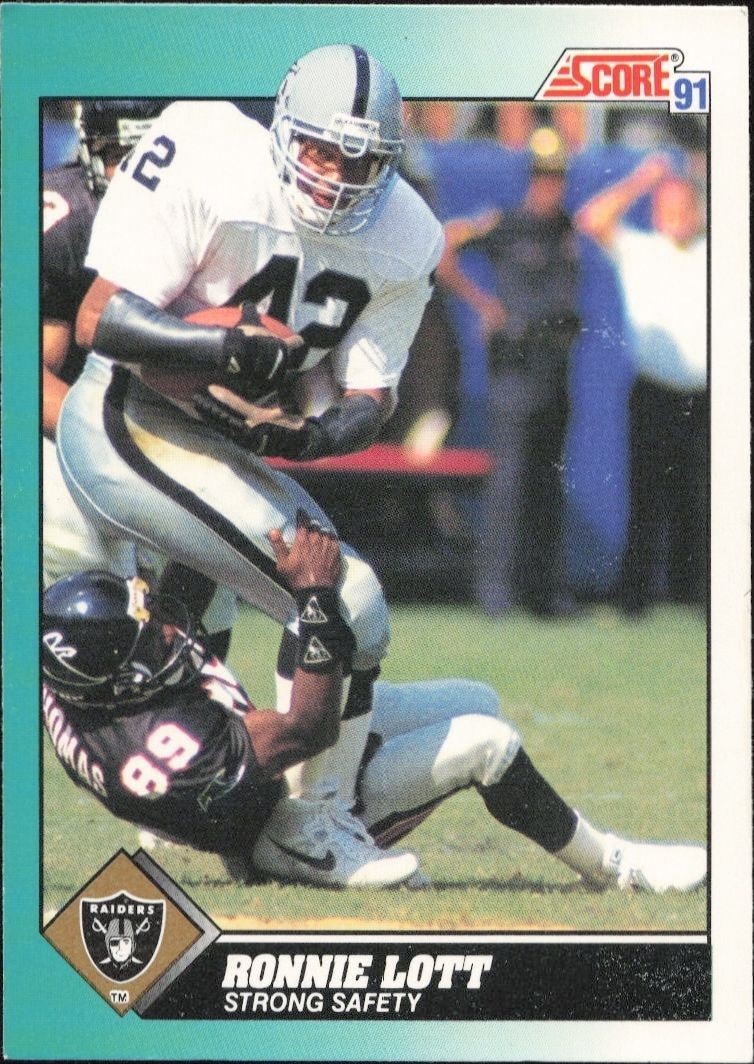
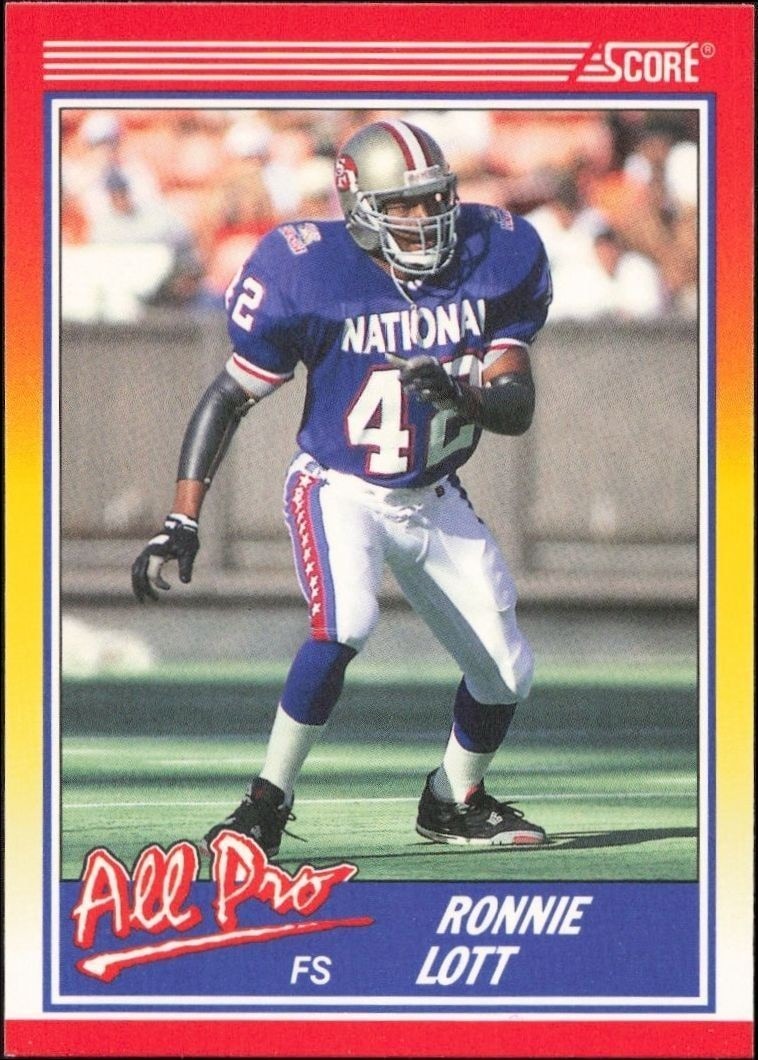

Explore the 1991 Upper Deck football card featuring Ronnie Lott, cataloged as #355. This piece highlights the San Francisco 49ers legend from a pivotal era in NFL history.
1991 • Upper Deck
National Football League • San Francisco 49ers
Near Mint
355
New
Shipping Calculated at Checkout
Arrives in 5-7 daysEstimated delivery October 23, 2026 - October 25, 2026
Seller returns October 19, 2026.30-day Returns| Condition | Value | Source | Trend | Price Details |
|---|---|---|---|---|
$1.99 | Guide Estimate | +59.2% | ||
$7.99 | Guide Estimate | 0% | ||
$9.95 | Guide Estimate | 0% | ||
$26.00 | Guide Estimate | 0% | ||
$35.00 | Guide Estimate | 0% | ||
$16.00 | Guide Estimate | 0% | ||
$26.99 | Guide Estimate | 0% | ||
$16.00 | Guide Estimate | 0% | ||
Raw / Ungraded
PriceCharting Price Guide · Guide Estimate evidence · captured Oct 18, 2026
Collectors seeking to complete their 1991 Upper Deck football sets will appreciate card #355, which features Ronnie Lott. As a key figure for the San Francisco 49ers during this period, Lott is prominently displayed in this release, offering a tangible connection to one of the league's most dominant franchises. The 1991 Upper Deck brand is renowned for its glossy finish and distinctive border designs that defined the early 1990s trading card aesthetic, making this card a nostalgic staple for enthusiasts of the era. This card number provides a focused look at Lott's tenure with the 49ers, capturing his presence on the field during a time when the team remained a central force in professional football. For investors and hobbyists alike, cards from this year and manufacturer hold historical significance, representing a transition period in sports media and collectibles. The clean presentation typical of Upper Deck products ensures that Lott's image remains clear and engaging, allowing the subject to take center stage without unnecessary visual clutter. Whether you are a dedicated fan of the San Francisco 49ers or a broader collector of NFL memorabilia, adding this card to your collection adds depth to your portfolio. It serves as a reminder of the competitive spirit and athletic excellence that defined the early 1990s. By focusing on the identity of the player and the specific brand context, this product highlights the enduring appeal of classic football cards.
19 hours ago
We'll pre-fill the product details from this catalog entry, so your listing lands on this exact page. Just add photos of your copy, pick its condition, and set your price.
The catalog profile below summarizes the card identity, featured subject, and notable collectible traits.
The subject, team, league, and sport context tied to this card.
Production details and format-specific attributes.
Material
Card Stock
Language
English
Compare prices, grades, photos, and shipping from approved sellers.
New
Near Mint
See how many public collections currently include this card.
0 collectors have this card
This 1991 Upper Deck Ronnie Lott card trades at the lower end of the market spectrum, reflecting its status as a standard base issue from a high-volume production era. While Lott remains a significant Hall of Fame safety, the lack of special attributes or grading premiums keeps this specific unit priced accessibly compared to his graded or short-print counterparts. The current listing activity suggests a stable but modest demand tier typical for ungraded base cards of this vintage.
The card carries no scarcity mechanics such as serial numbering, short prints, or parallel variants, identifying it strictly as a base set component. This classification means supply is determined by the original print run volume rather than limited distribution, resulting in a common availability profile. Without unique identifiers or limited edition markers, the item does not benefit from the supply constraints that typically drive value premiums in this category.
As a non-rookie base card from the early 1990s, this item lacks the rookie card premium that often drives long-term appreciation for Lott memorabilia. Collector demand appears focused on condition-sensitive graded examples or rarer parallels rather than raw base issues like this one. Investors should view this piece primarily as an affordable entry point for collection completeness rather than a standalone growth asset.