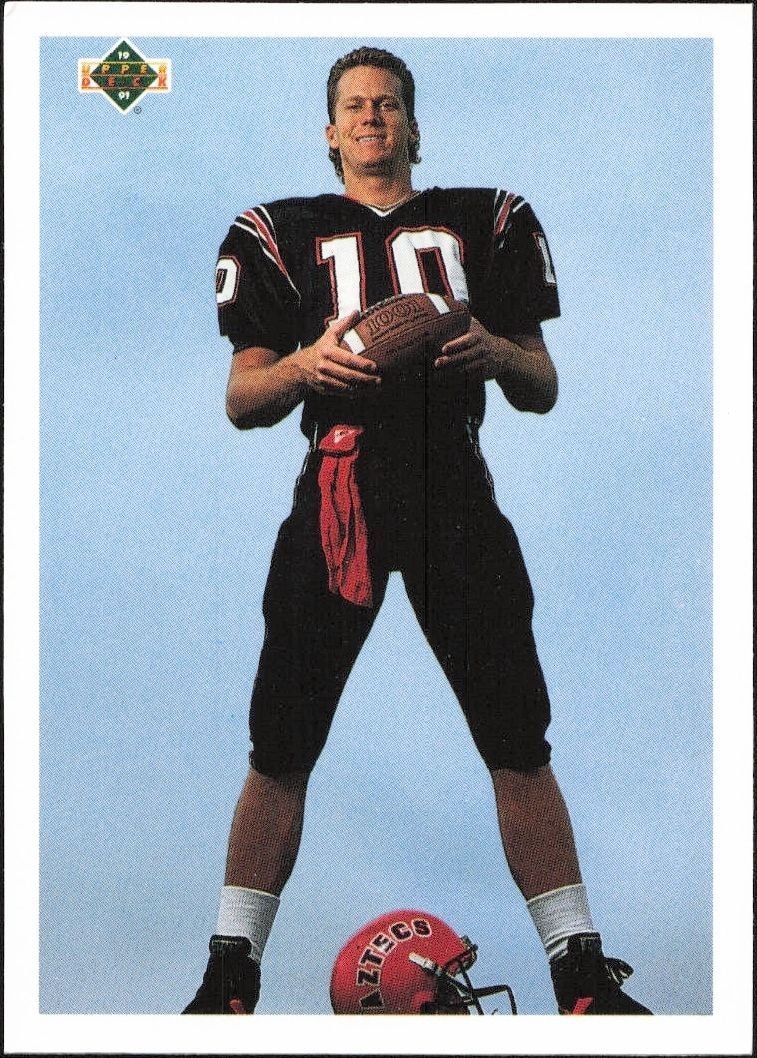
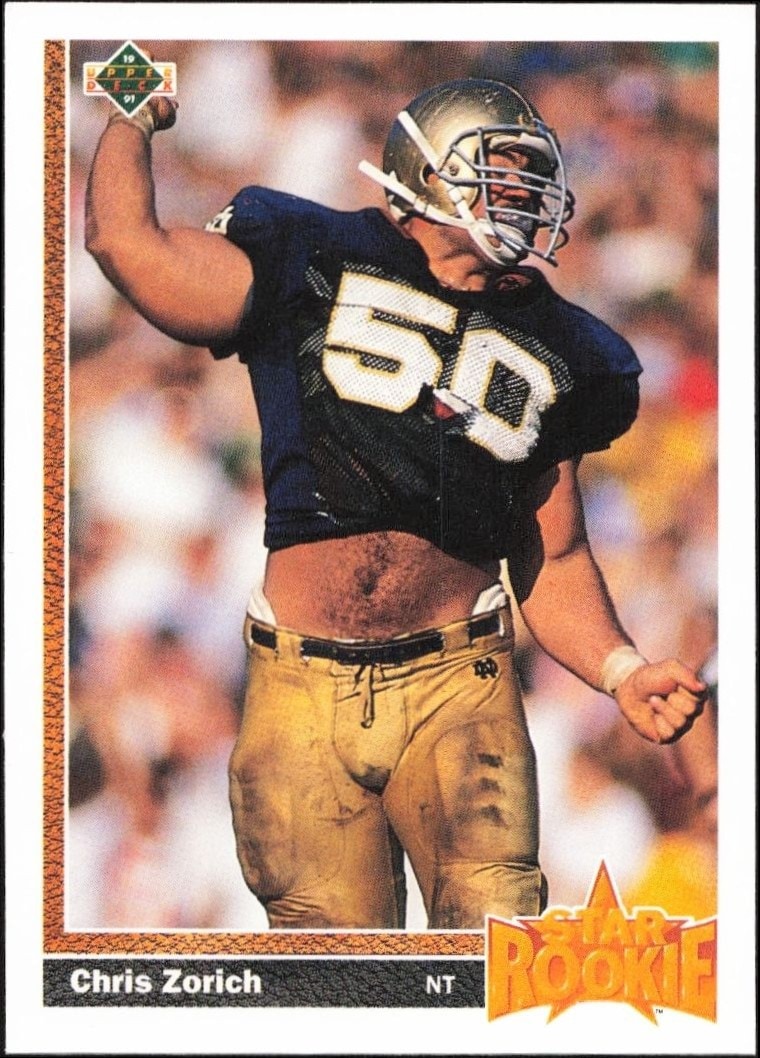
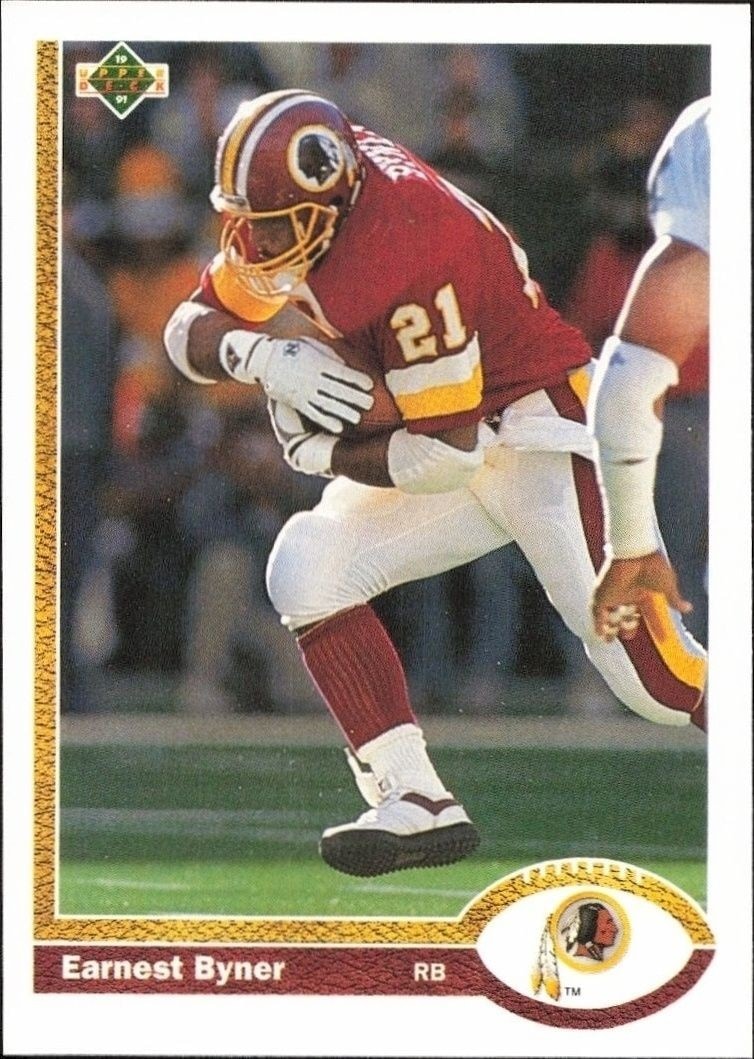

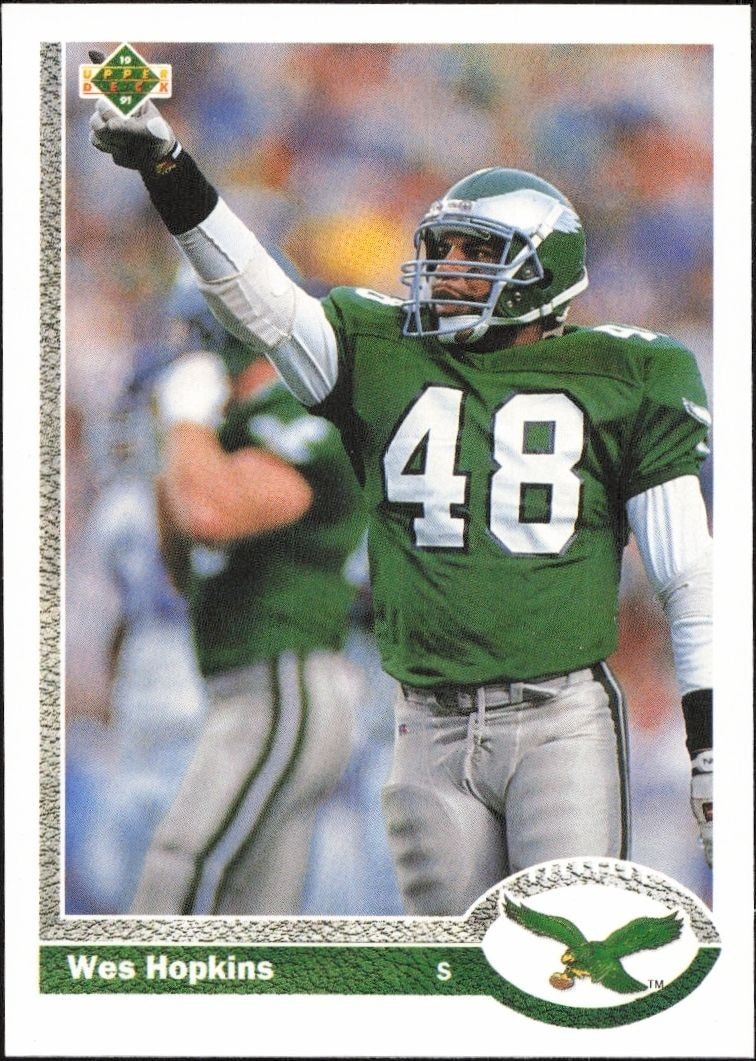

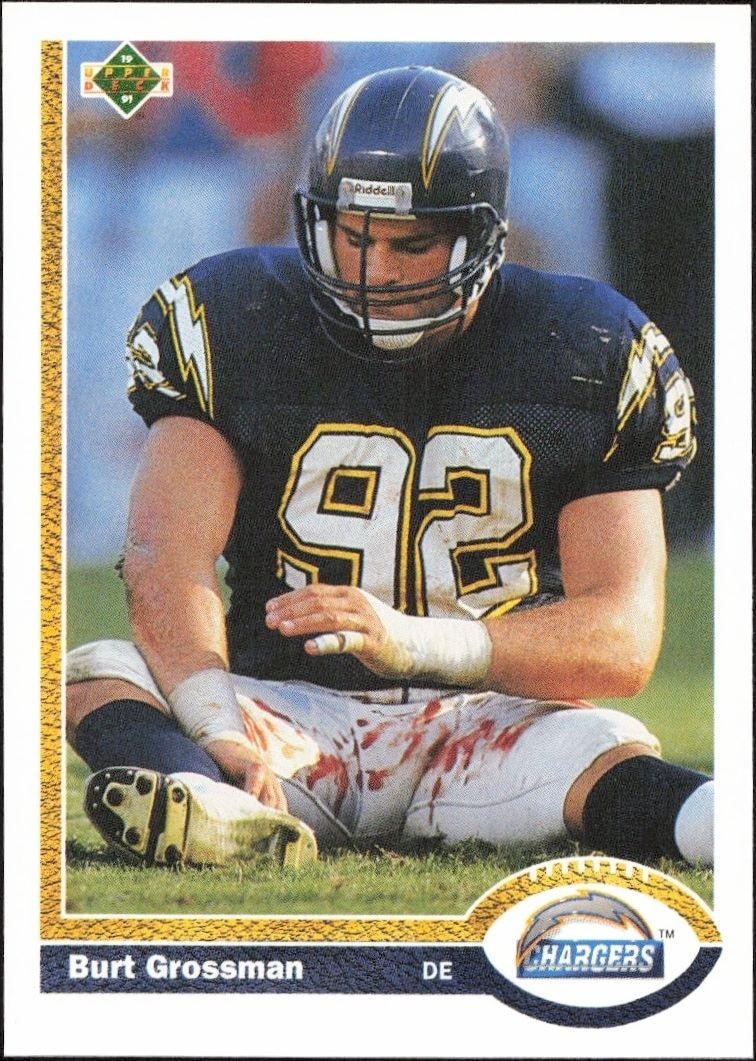
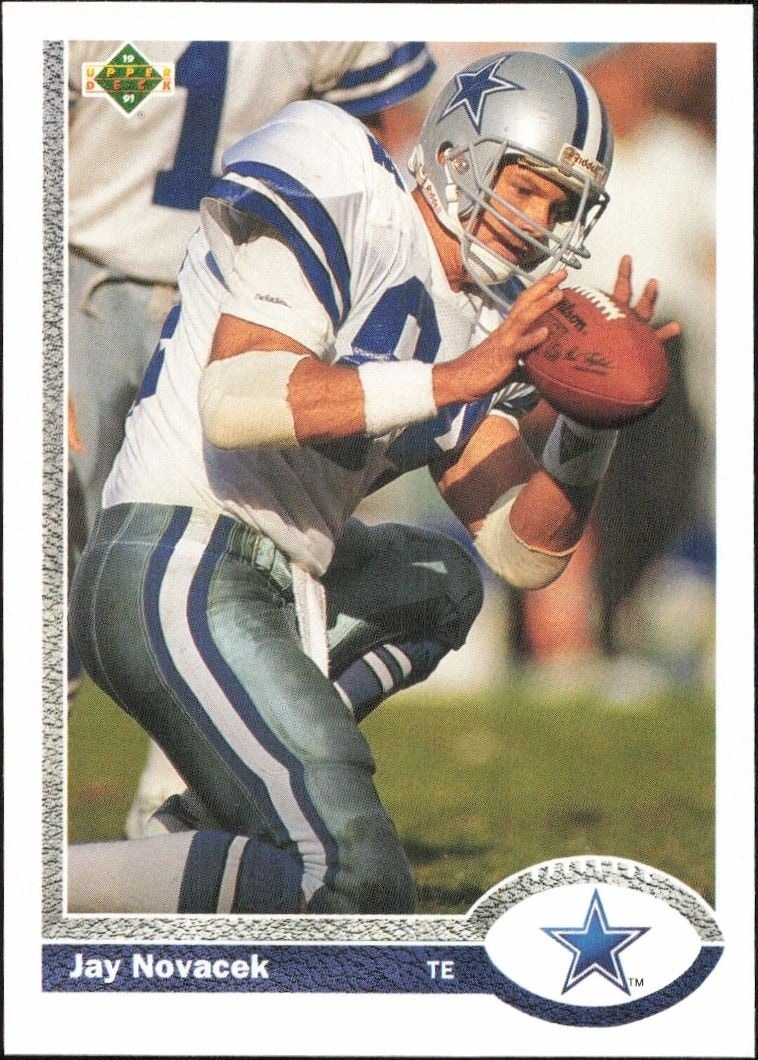
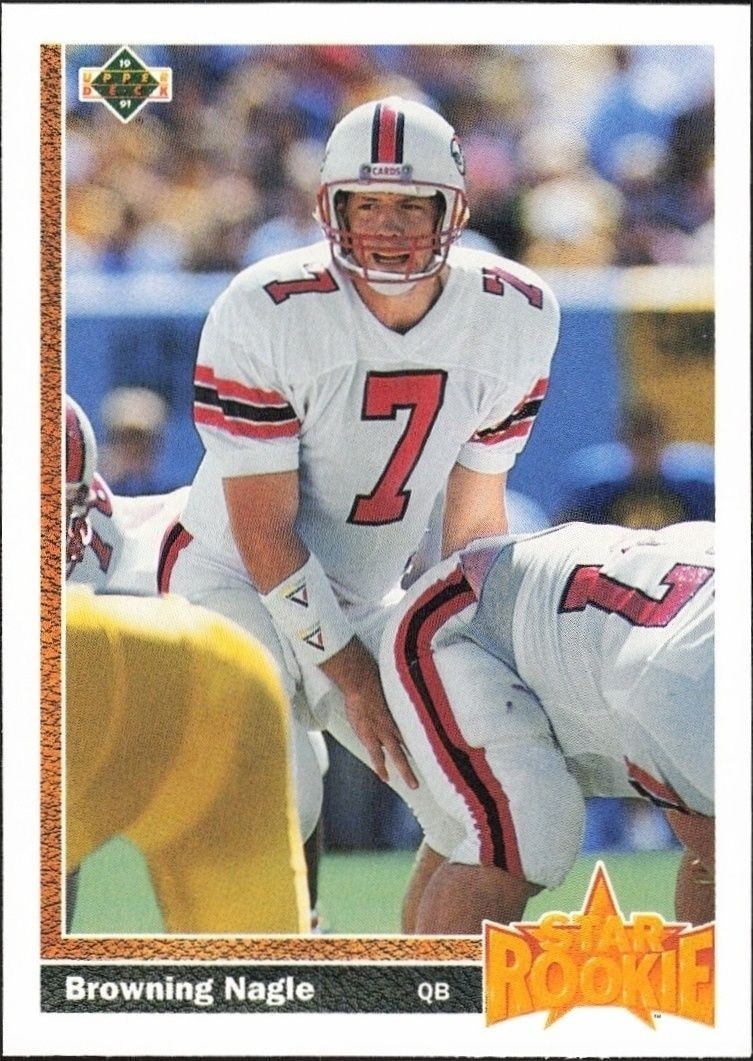


The 1991 Upper Deck Tony Paige #337 is a classic football trading card featuring the Miami Dolphins player. This product represents the standard base card from the 1991 Upper Deck set.
1991 • Upper Deck
National Football League • Miami Dolphins
Near Mint
337
New
Shipping Calculated at Checkout
Arrives in 5-7 daysEstimated delivery October 23, 2026 - October 25, 2026
Seller returns October 19, 2026.30-day Returns| Condition | Value | Source | Trend | Price Details |
|---|---|---|---|---|
$1.49 | Asking Prices | +0.7% | ||
Raw / Ungraded
eBay Active Listings · Asking Prices evidence · captured Oct 18, 2026
The 1991 Upper Deck Tony Paige #337 card is a distinct entry in the history of football trading cards, representing a specific moment in the early 1990s sports card boom. Released by Upper Deck, this product is part of a set that helped define the aesthetic and production standards for the era. Collectors often seek out cards from this year due to the unique design elements and printing techniques that Upper Deck introduced during this period. Tony Paige is featured on card number 337, representing his time with the Miami Dolphins in the NFL. For collectors focusing on team history or player career snapshots, this card serves as a tangible piece of that timeline. The 1991 Upper Deck set is well-known among hobbyists for its glossy finish and bold typography, making it a recognizable item in any football collection. Whether you are building a set of 1991 Upper Deck cards or looking for specific players from that season, this card offers a direct connection to the sport's past. The appeal of the 1991 Upper Deck Tony Paige #337 lies in its place within the broader catalog of football memorabilia. It is not just a card but a reference point for the design trends of the early 90s. Collectors interested in the NFL's Miami Dolphins during this era may find value in adding this piece to their roster. The card stands as a standard base issue, providing a consistent and recognizable image of the player in his team uniform. As with other items from the 1991 Upper Deck release, it remains a popular choice for those who appreciate the classic look of vintage sports cards.
22 hours ago
We'll pre-fill the product details from this catalog entry, so your listing lands on this exact page. Just add photos of your copy, pick its condition, and set your price.
The catalog profile below summarizes the card identity, featured subject, and notable collectible traits.
The subject, team, league, and sport context tied to this card.
Production details and format-specific attributes.
Material
Card Stock
Language
English
Compare prices, grades, photos, and shipping from approved sellers.
New
Near Mint
See how many public collections currently include this card.
0 collectors have this card
This 1991 Upper Deck Tony Paige card represents a baseline entry-level asset within the NFL collecting segment, trading at a modest price point relative to major star players. As a Miami Dolphins player from the early 1990s, it lacks the premium valuation associated with Hall of Fame caliber performers or rookie cards of elite talent. The current market positioning reflects its status as a standard base card with no special attributes to drive significant price appreciation.
The card possesses no serial numbering, short-print designations, or parallel variants, indicating it is a standard base issue with unlimited print supply mechanics. Without specific scarcity attributes like one-of-one status or limited edition numbering, the supply is effectively unconstrained by production limits. This lack of rarity markers means the card does not benefit from the scarcity premiums typically seen in parallel or insert cards from the same set.
Investment potential is limited due to the absence of rookie-card status and the player's lack of elite career distinction in the broader NFL market. Collector demand for this specific card is likely driven primarily by team-specific collectors of the 1991 Miami Dolphins rather than broader market trends. Long-term value retention may be challenging given the abundant supply of base cards and the lack of unique attributes that typically drive secondary market interest.