

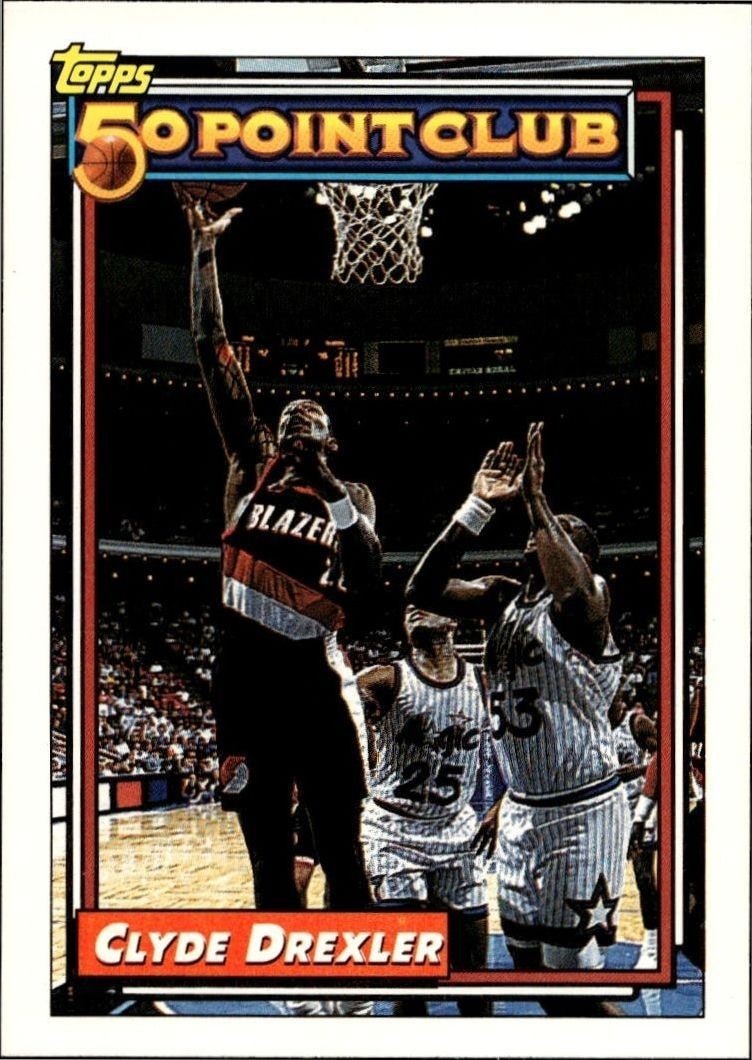



Acquire the 1992-93 Topps Tracy Murray rookie basketball card, numbered #279, featuring the Portland Trail Blazers star in his inaugural trading card release.
1992-93 • Topps
National Basketball Association • Portland Trail Blazers
Near Mint
279
New
Shipping Calculated at Checkout
Arrives in 4-6 daysEstimated delivery October 24, 2026 - October 26, 2026
30-day Returns| Condition | Value | Source | Trend | Price Details |
|---|---|---|---|---|
$0.99As of 9/29/2026 | Asking Prices | |||
Raw / Ungraded
eBay Active Listings · Asking Prices evidence · captured Sep 29, 2026
History is building. At least two days of matching observations are needed to show a trend.
Each point is the last stored observation that day for this printing, condition, grader, autograph status and source. Gaps mean no observation; guide estimates and asking prices are not completed sales.The 1992-93 Topps Tracy Murray rookie card, numbered #279, represents a significant entry for collectors of vintage NBA memorabilia. As a rookie card, this release captures the beginning of Murray's professional journey with the Portland Trail Blazers. The Topps brand was a dominant force in sports card manufacturing during the early 1990s, and this card number is a staple for those building comprehensive sets or focusing on Trail Blazers history. Collectors often seek out this card to complete their 1992-93 Topps basketball sets. The card features Tracy Murray in his Trail Blazers uniform, marking his first appearance in the widely recognized Topps basketball product line. For investors and hobbyists, rookie cards serve as foundational pieces for tracking player careers and market trends. This card allows enthusiasts to own a piece of NBA history from a pivotal era in league growth. Whether you are looking to fill gaps in your vintage collection or invest in classic NBA rookie cards, finding authenticated and well-documented pieces is essential. The 1992-93 Topps Tracy Murray #279 card is a sought-after item for those who appreciate the design and historical context of early 90s basketball cards. Explore the diverse inventory available to find the perfect addition to your portfolio.
2 hours ago
We'll pre-fill the product details from this catalog entry, so your listing lands on this exact page. Just add photos of your copy, pick its condition, and set your price.
The catalog profile below summarizes the card identity, featured subject, and notable collectible traits.
The subject, team, league, and sport context tied to this card.
Production details and format-specific attributes.
Material
Card Stock
Language
English
Notable collectible traits associated with this card profile.
Compare prices, grades, photos, and shipping from approved sellers.
New
Near Mint
See how many public collections currently include this card.
0 collectors have this card
Tracy Murray’s 1992-93 Topps rookie card occupies the lower tier of the market, reflecting the broader trend where non-superstar NBA rookies from this era command modest valuations. Despite its status as a rookie card, the current pricing suggests it trades below the premium typically associated with elite franchise players from the same season. The card's value is likely driven by its condition and scarcity within the specific parallel hierarchy rather than the player's individual career accolades.
As a base rookie card from a high-volume production set, this item does not carry inherent scarcity mechanics such as serial numbering or short-print designations. The supply is effectively unlimited relative to collector demand, as no limited edition parallels or one-of-one attributes are listed in the card's profile. Consequently, the rarity is defined by the general availability of the 1992-93 Topps base set rather than any unique production constraints.
The investment potential is constrained by the lack of scarcity drivers and the saturated nature of mid-tier NBA rookie cards from the early 1990s. While rookie-card premiums can offer stability, this specific card lacks the parallel variations or limited print runs that typically insulate assets from market volatility. Demand is likely limited to collectors completing specific set subsets rather than speculative investors seeking significant appreciation.