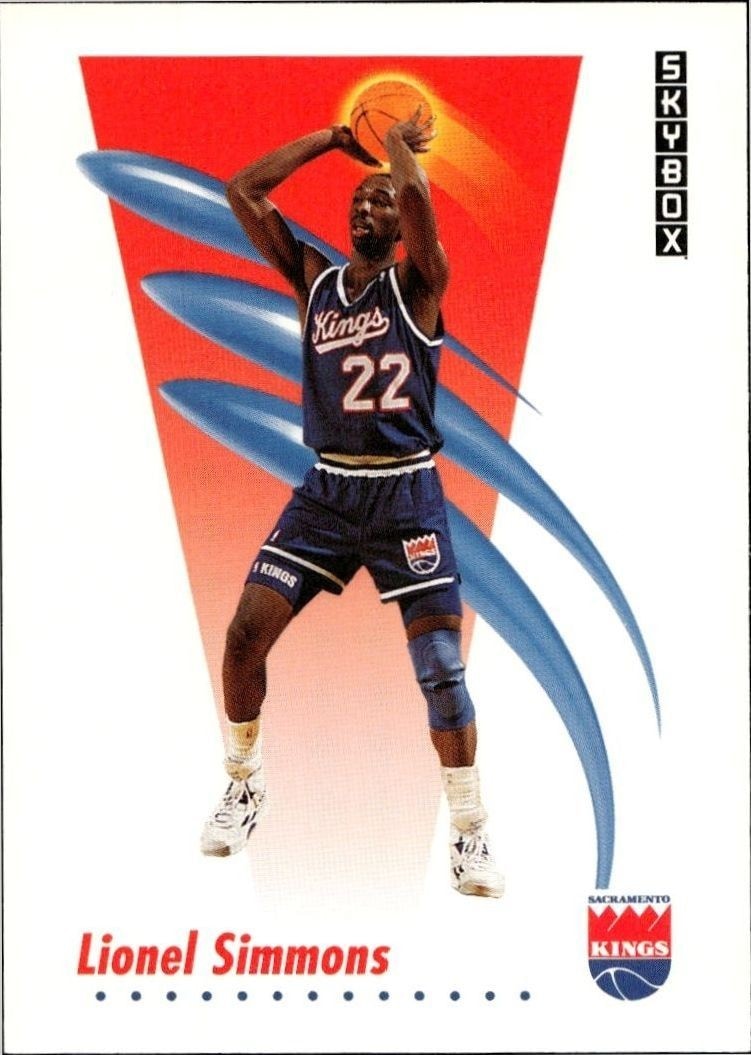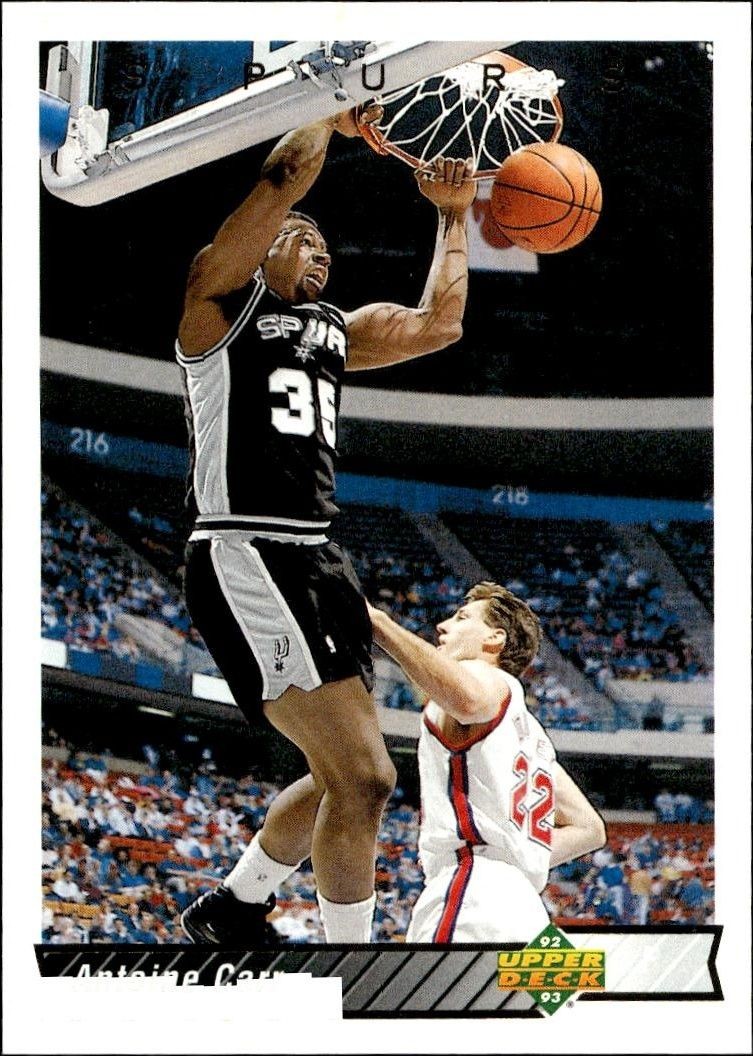

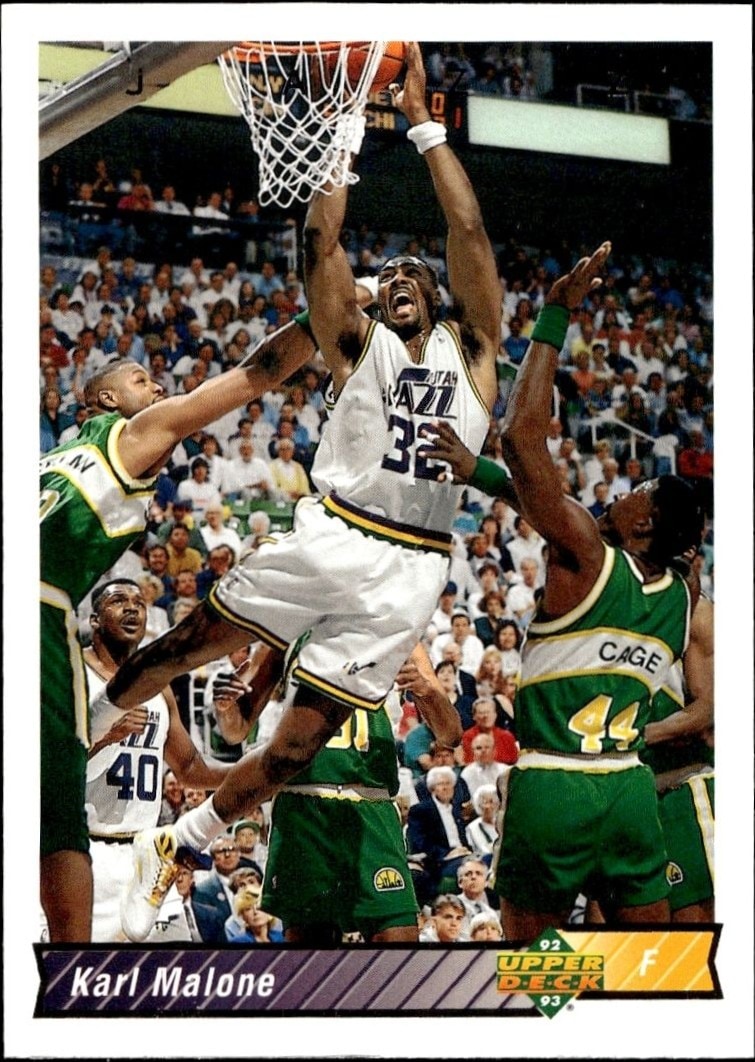
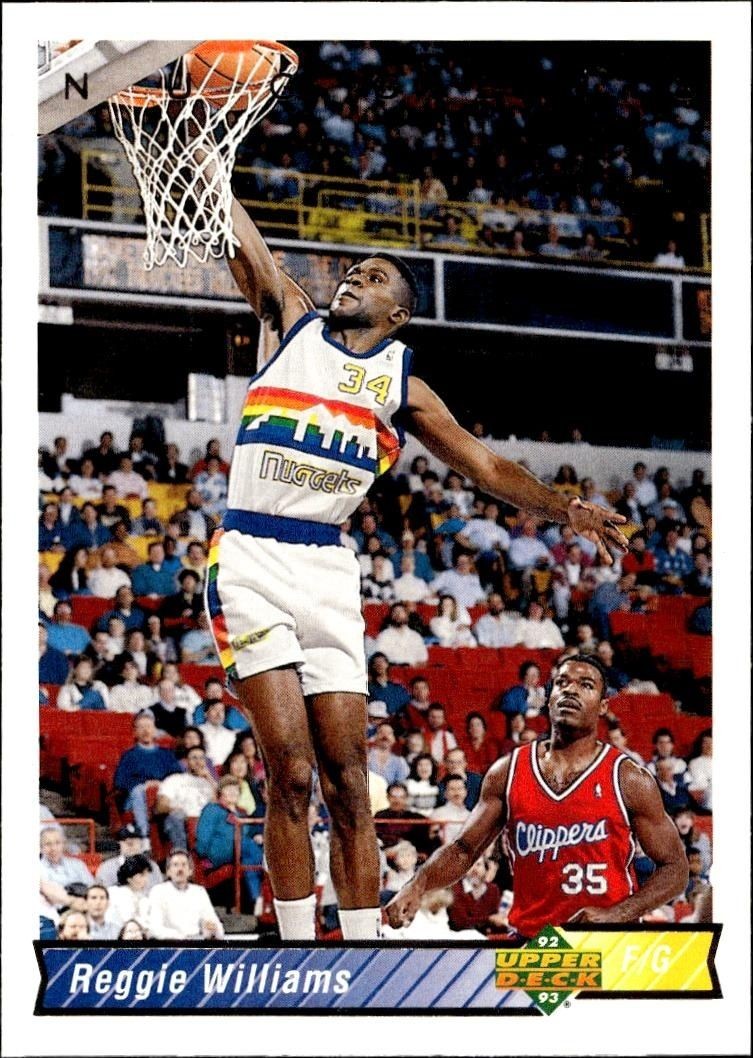


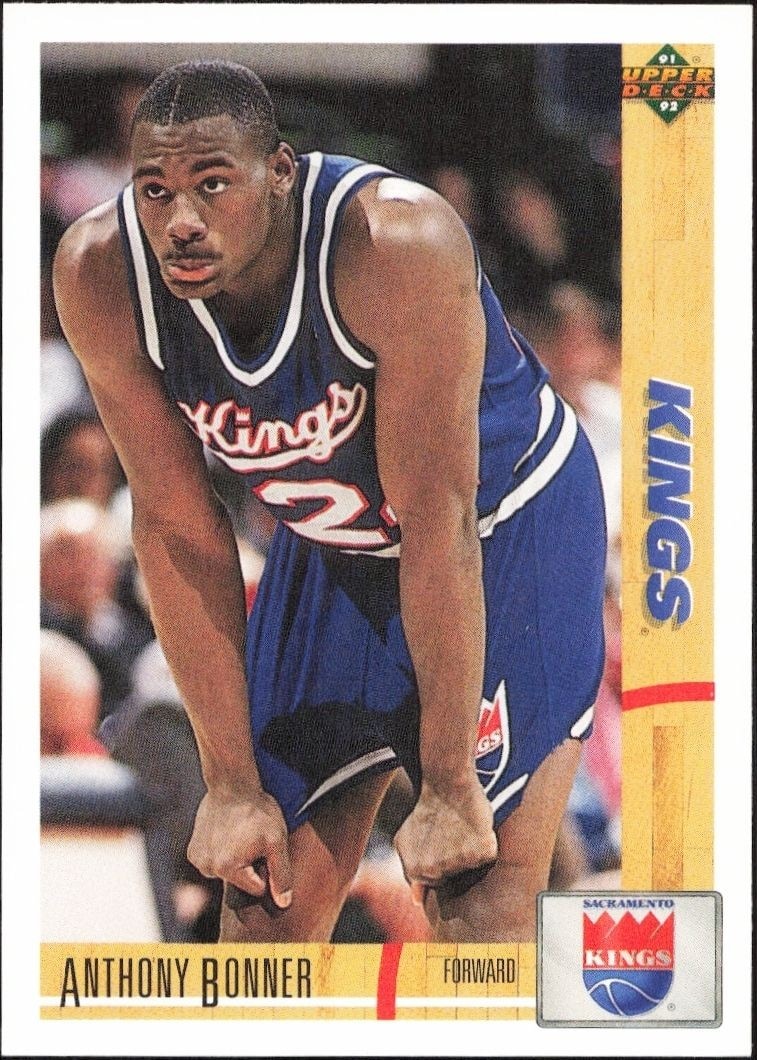

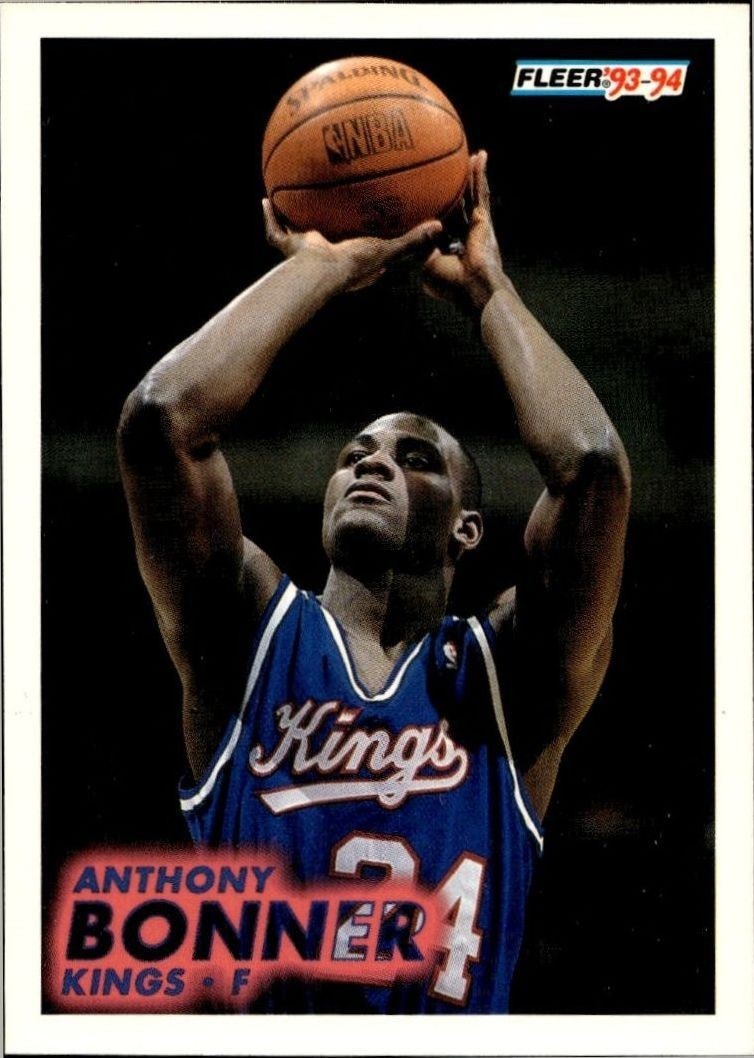
1992-93 Upper Deck basketball trading card featuring Anthony Bonner of the Sacramento Kings, designated as card number 224.
1992-93 • Upper Deck
National Basketball Association • Sacramento Kings
Near Mint
224
New
Shipping Calculated at Checkout
Arrives in 5-7 daysEstimated delivery October 23, 2026 - October 25, 2026
Seller returns October 19, 2026.30-day Returns| Condition | Value | Source | Trend | Price Details |
|---|---|---|---|---|
$0.25 | Guide Estimate | 0% | ||
Raw / Ungraded
PriceCharting Price Guide · Guide Estimate evidence · captured Oct 18, 2026
The 1992-93 Upper Deck basketball release remains a foundational component for vintage sports card collections, offering a clear window into the NBA landscape of the early nineties. Within this set, card number 224 highlights Anthony Bonner during his tenure with the Sacramento Kings. Collectors often seek out this issue to complete base set requirements or to add historical depth to their team-specific archives. Upper Deck's approach to this era emphasized clean photography and straightforward design, allowing the player and team affiliation to take center stage. For fans of Sacramento Kings history, this card serves as a tangible record of Bonner's contributions during that specific season. The catalog number 224 makes it easily identifiable for those organizing their collections or tracking down specific holes in their binders. Vintage basketball cards from this period are valued for their authenticity and historical context rather than just aesthetic appeal. This product represents a direct link to the players who defined the game during the 1992-93 season. Whether you are a dedicated investor in vintage sports memorabilia or a casual collector building a personal library, this card provides a solid foundation for exploring the era's market dynamics. By focusing on the core attributes of the card—its year, manufacturer, and subject—collectors can better understand the value proposition of vintage basketball trading cards. This approach helps maintain clarity and trust in the secondary market, allowing buyers to make informed decisions based on the card's established place in sports history.
22 hours ago
We'll pre-fill the product details from this catalog entry, so your listing lands on this exact page. Just add photos of your copy, pick its condition, and set your price.
The catalog profile below summarizes the card identity, featured subject, and notable collectible traits.
The core identity of the card within the set.
The subject, team, league, and sport context tied to this card.
Production details and format-specific attributes.
Material
Card Stock
Language
English
Compare prices, grades, photos, and shipping from approved sellers.
New
Near Mint
See how many public collections currently include this card.
0 collectors have this card
This 1992-93 Upper Deck Anthony Bonner card represents a standard base-level entry in the market, currently trading at a low tier relative to premium parallels or rookie variations. As a role player from the early 90s era, it lacks the significant price appreciation seen in star-studded sets, reflecting its status as an accessible entry point for casual collectors. The absence of special attributes ensures it remains priced competitively against similar base cards from the same set and year.
The card carries no special scarcity attributes, identifying it as a standard base issue within the Upper Deck product line. Without serial numbering, short-print designations, or parallel finishes, the supply is determined solely by the original print run of the base set. This lack of limited-edition mechanics means the card is widely available, with no unique supply constraints driving value beyond general collectible interest.
As a non-rookie card for a player who did not achieve Hall of Fame status or sustained stardom, the investment potential is limited to niche vintage basketball collecting. Demand is primarily driven by completists seeking to fill holes in 1992-93 Upper Deck sets rather than speculative growth. Collectors should view this as a low-cost acquisition for set completion rather than a vehicle for significant appreciation.