


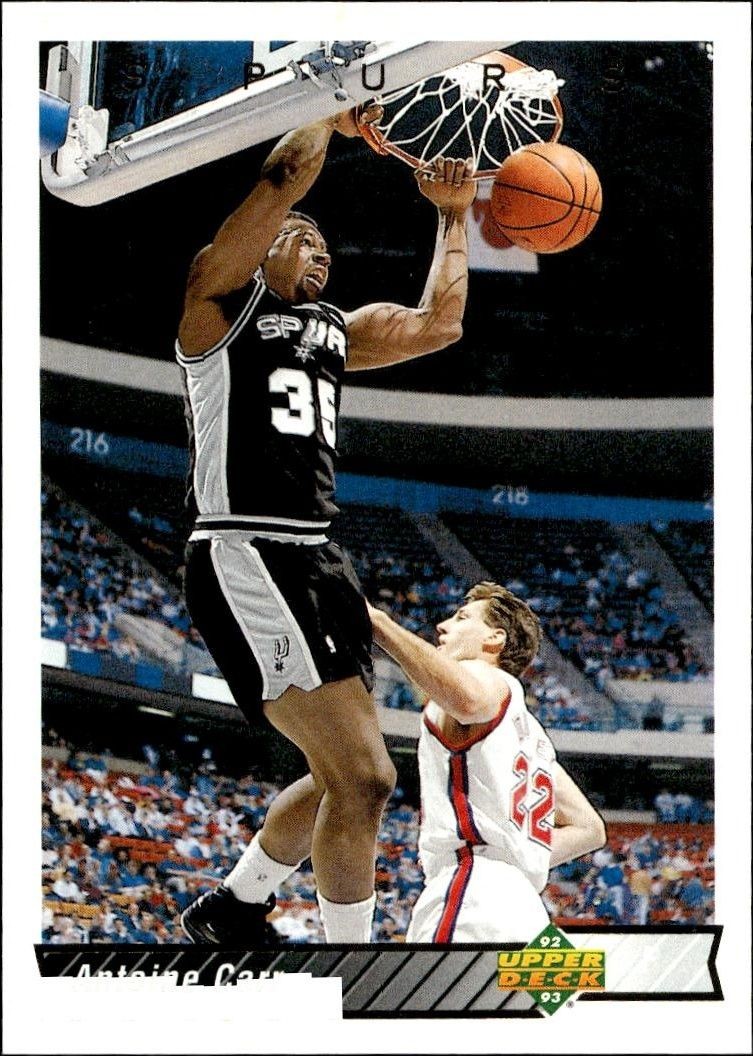

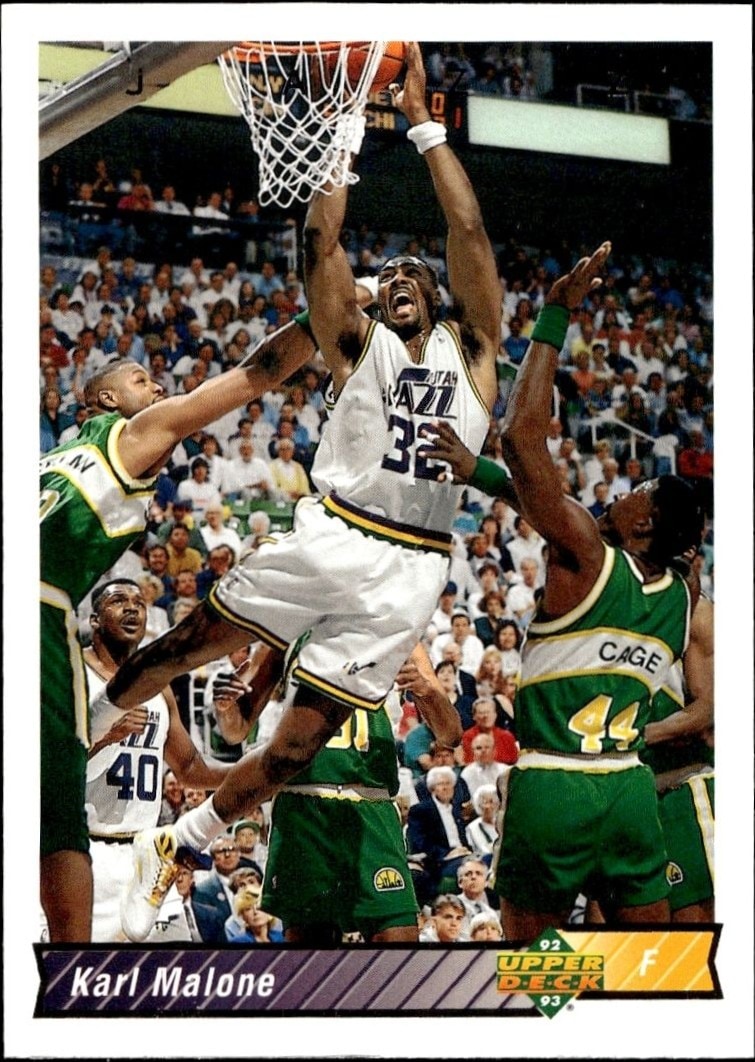
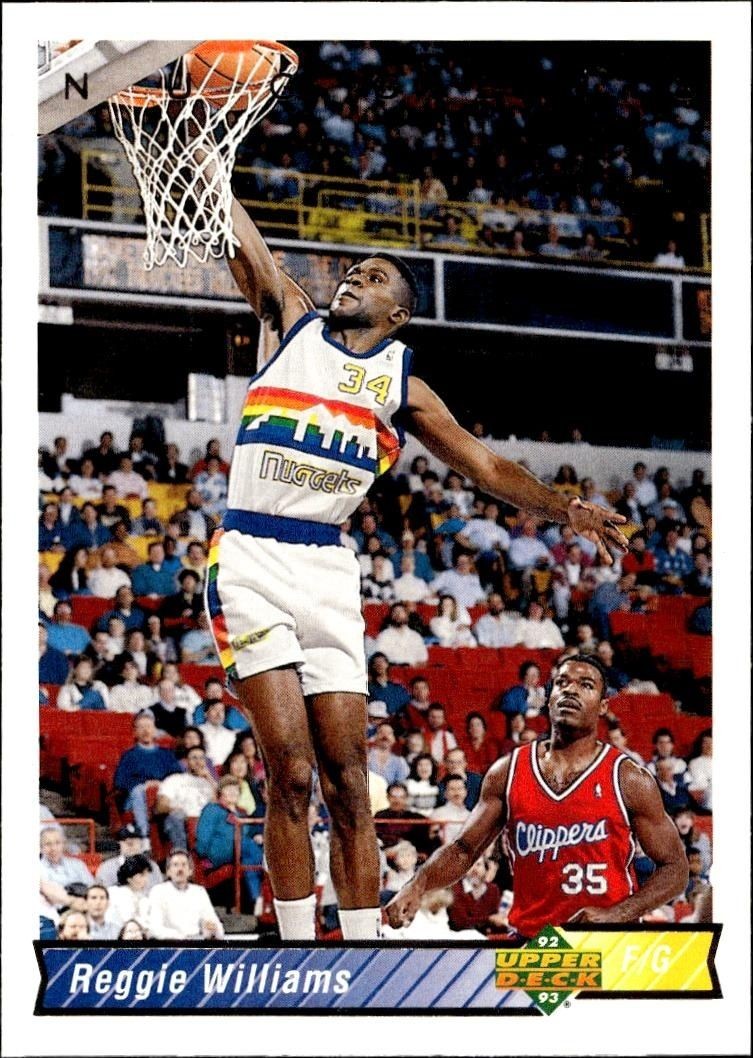

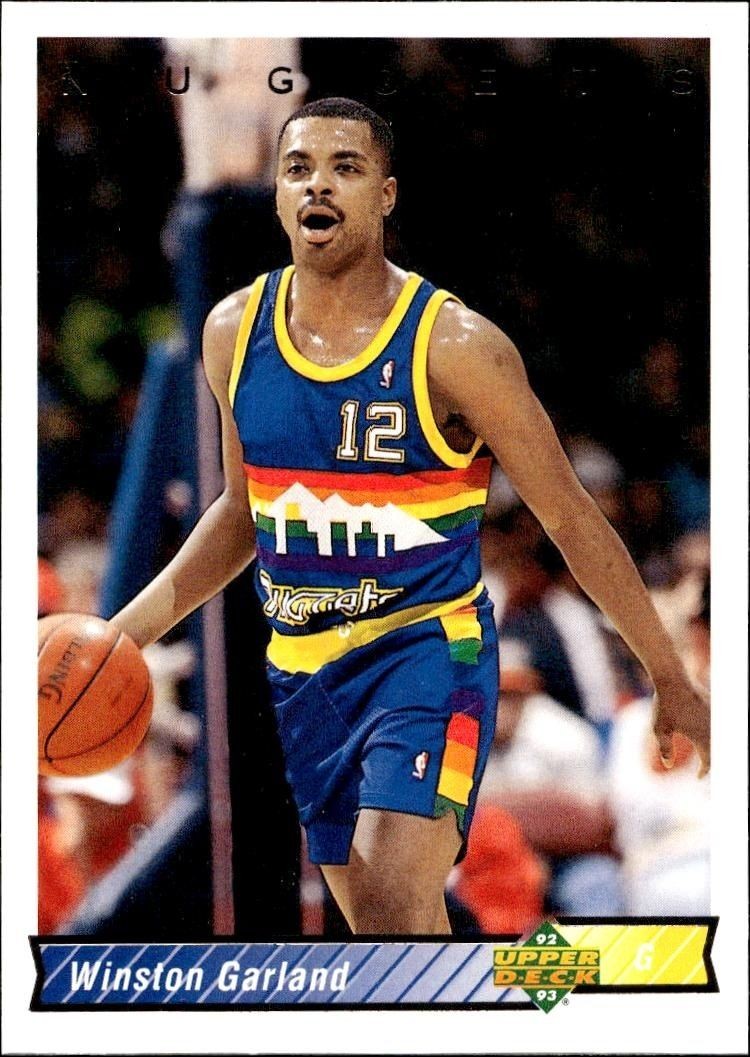

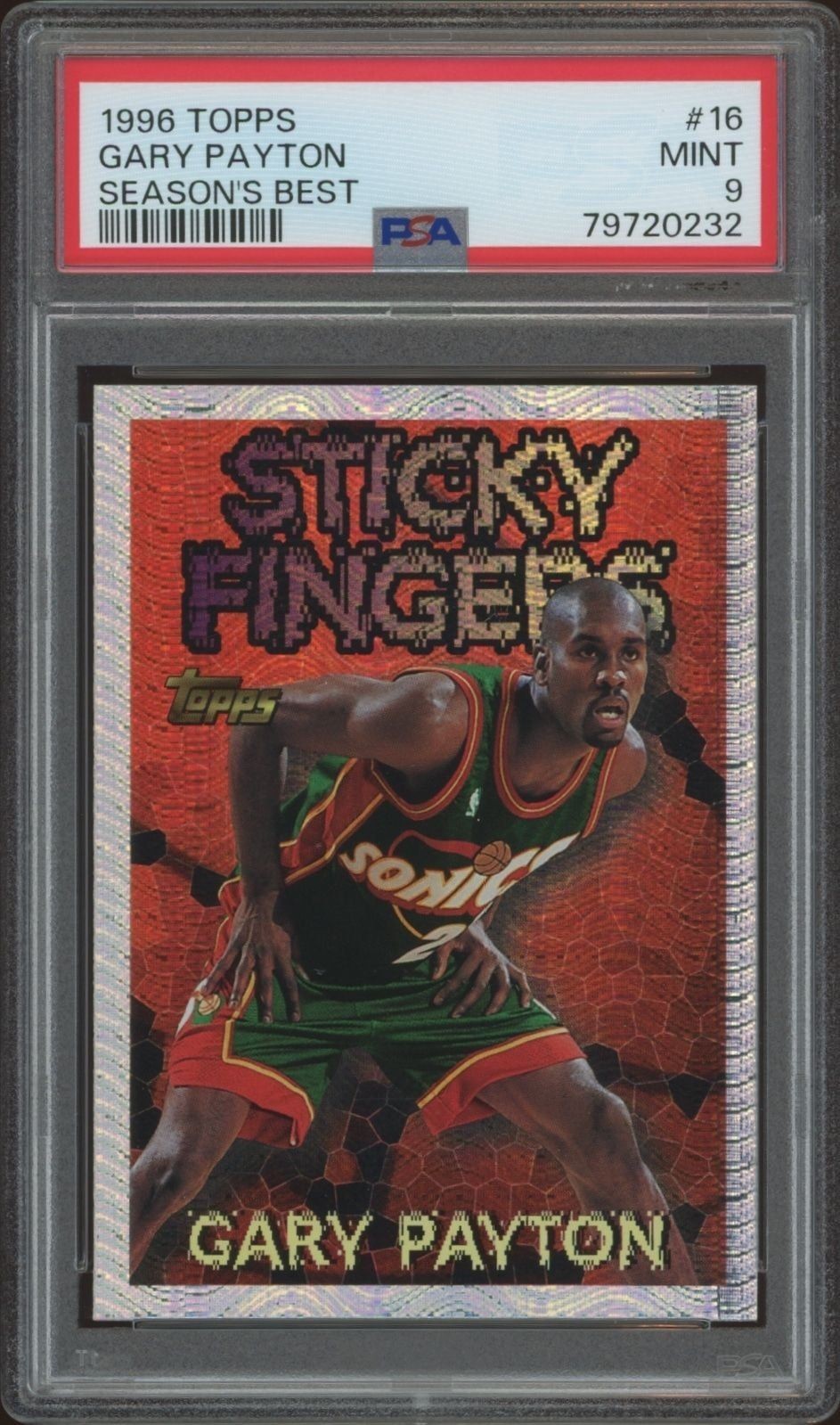
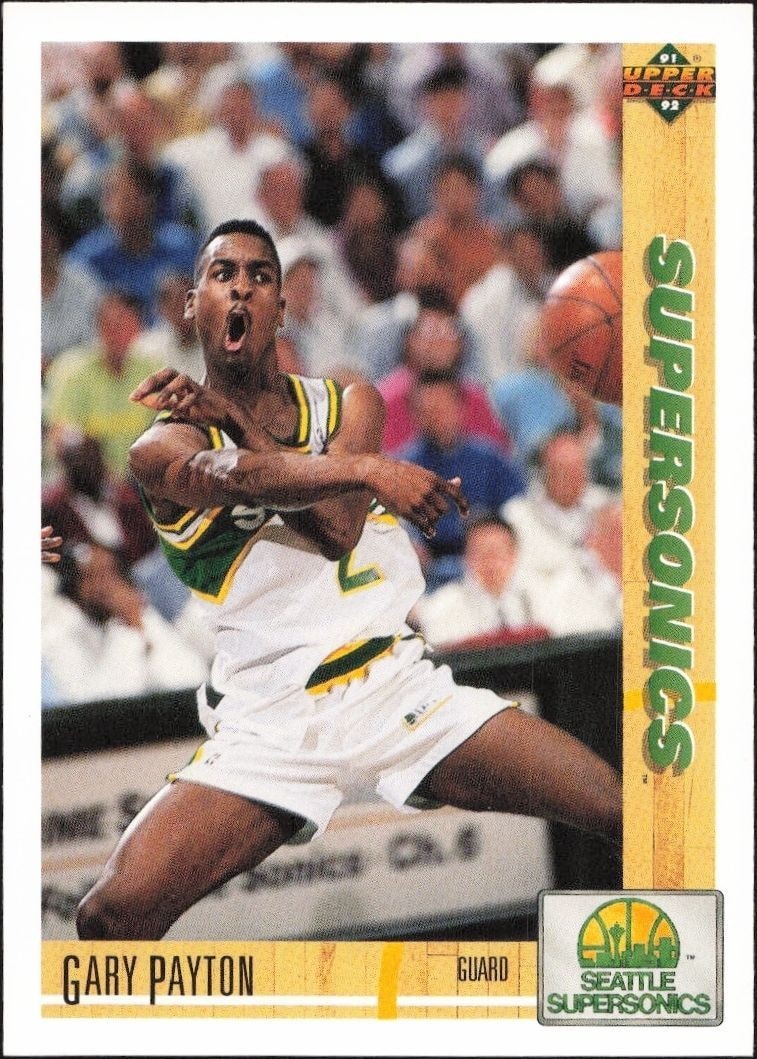

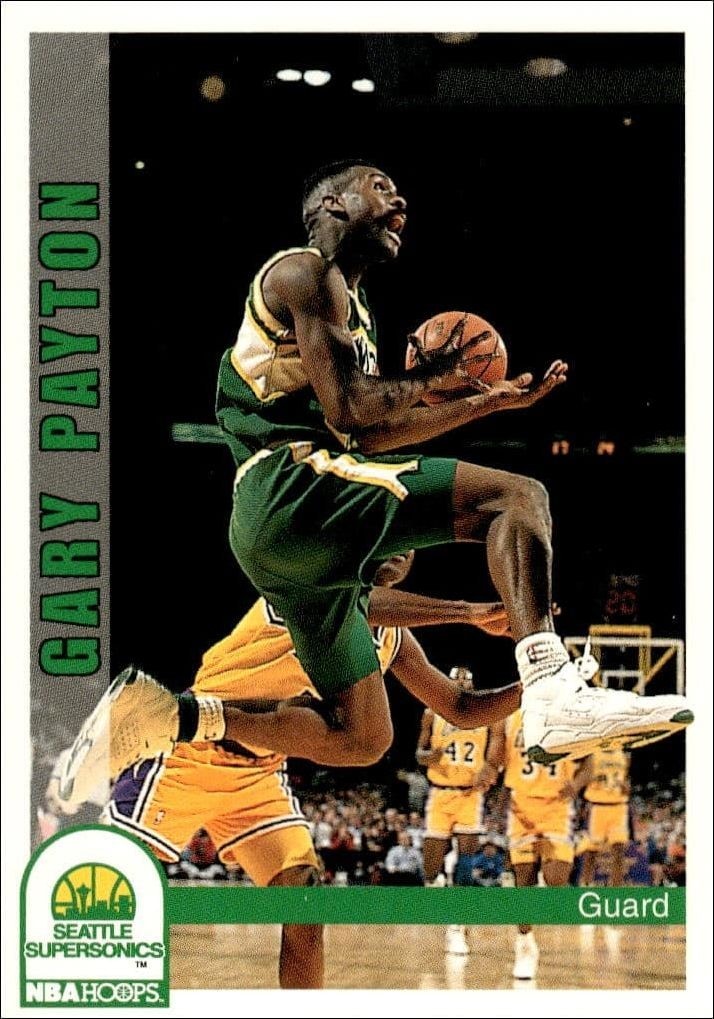
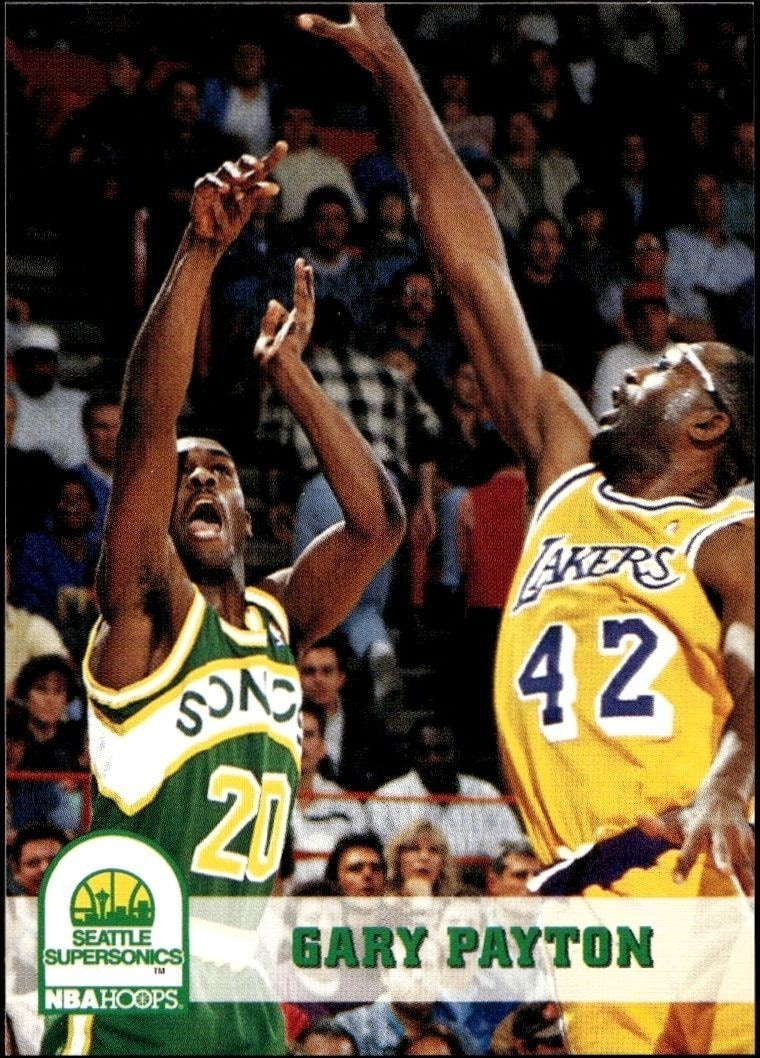
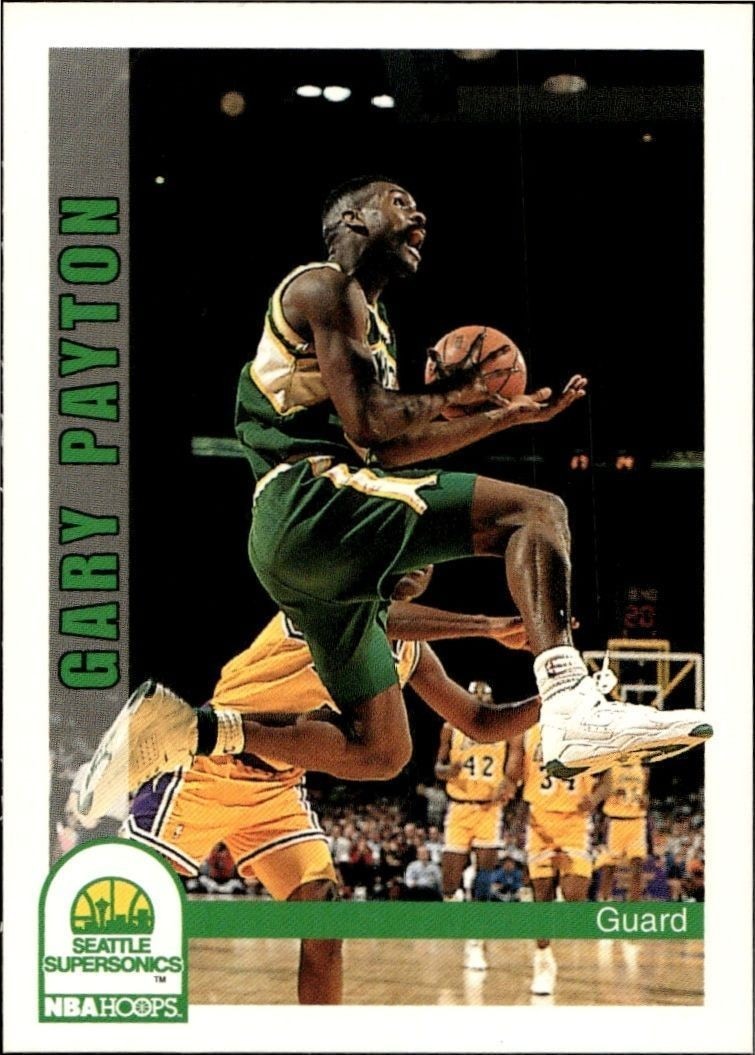
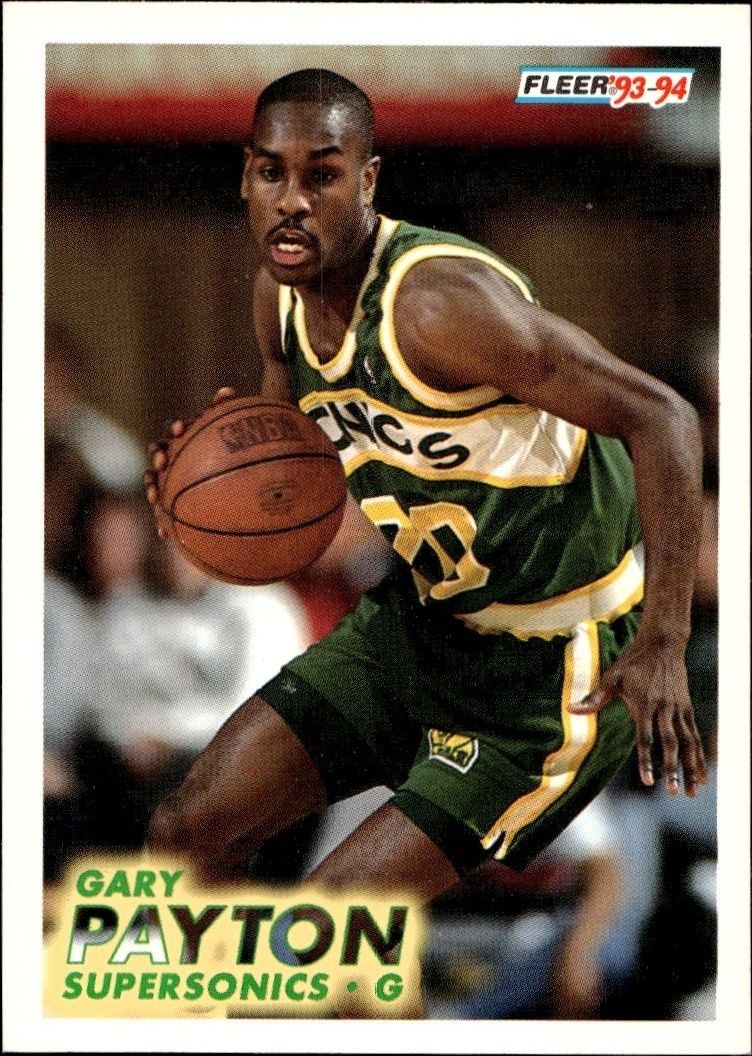
Explore the 1992-93 Upper Deck Gary Payton #158 basketball card, featuring the Seattle SuperSonics guard from a defining era in NBA history.
1992-93 • Upper Deck
National Basketball Association • Seattle SuperSonics
Excellent
158
New
Shipping Calculated at Checkout
This seller is away until 10/19/2026 — orders are still accepted and ship after they return.30-day Returns| Condition | Value | Source | Trend | Price Details |
|---|---|---|---|---|
$1.08 | Guide Estimate | -12.2% | ||
$0.99As of 4/16/2026 | Evidence Type Unavailable | |||
$0.99 | Guide Estimate | 0% | ||
$3.64 | Guide Estimate | 0% | ||
$17.99 | Guide Estimate | 0% | ||
$30.00 | Guide Estimate | 0% | ||
$39.00 | Guide Estimate | 0% | ||
$18.00 | Guide Estimate | 0% | ||
$30.23 | Guide Estimate | 0% | ||
$18.00 | Guide Estimate | 0% | ||
Raw / Ungraded
PriceCharting Price Guide · Guide Estimate evidence · captured Oct 14, 2026
The 1992-93 Upper Deck Gary Payton #158 basketball card represents a specific moment in sports trading card history, capturing the Seattle SuperSonics during a highly competitive period in the NBA. As card number 158 in the base set, this issue is part of a widely distributed collection that continues to hold interest among hobbyists who value the era's design and production standards. Collectors targeting the 1992-93 Upper Deck release often look for specific card numbers to complete base sets or to focus on individual player subsets. Gary Payton's inclusion in this catalog entry highlights his status as a prominent figure within the Seattle SuperSonics roster at the time. For investors and set builders, understanding the distinct card number and manufacturer branding is essential for accurate cataloging and valuation. The appeal of this product lies in its clear identification within the broader Upper Deck portfolio. Enthusiasts of 1990s basketball memorabilia frequently seek out specific numbers to track down incomplete collections or to acquire cards that define the visual identity of that production year. Whether you are building a dedicated Seattle SuperSonics collection or exploring the nuances of early 90s basketball card design, the 1992-93 Upper Deck Gary Payton #158 basketball card offers a tangible connection to that season. The distinct combination of the manufacturer's branding, the specific card number, and the team affiliation makes it a recognizable item for anyone tracking the evolution of basketball trading cards. Focus on the structural aspects of collecting, such as matching card numbers and verifying manufacturer details, to ensure a successful acquisition.
22 hours ago
We'll pre-fill the product details from this catalog entry, so your listing lands on this exact page. Just add photos of your copy, pick its condition, and set your price.
The catalog profile below summarizes the card identity, featured subject, and notable collectible traits.
The core identity of the card within the set.
The subject, team, league, and sport context tied to this card.
Production details and format-specific attributes.
Material
Card Stock
Language
English
Compare prices, grades, photos, and shipping from approved sellers.
New
Excellent
See how many public collections currently include this card.
0 collectors have this card
This 1992-93 Upper Deck Gary Payton card represents a foundational entry-level asset within the broader basketball hobby, currently trading in an accessible price tier. As a rookie-year card for a Hall of Fame point guard, it holds historical significance as a key piece of the Seattle SuperSonics legacy, though its lack of special attributes keeps it below the premium market segment. The card's value is driven by nostalgia for the era rather than scarcity, positioning it as a high-volume, low-cost component for builders focusing on team or league sets.
The card is a standard base issue from the 1992-93 Upper Deck set, carrying no serial numbering, short-print designation, or parallel treatment that would constrain supply. Without unique physical attributes or limited edition mechanics, the population is determined solely by the original print run, which was likely substantial for a major brand release. This unaltered status means the card exists in high quantity relative to its specialized counterparts, resulting in a flat supply curve that does not incentivize rarity-based appreciation.
As a rookie card, this item benefits from the inherent collector demand associated with the first year of a legendary career, yet it lacks the parallel or autograph features that typically drive significant upside in modern or recent markets. The investment outlook is stable but modest, relying on long-term preservation of condition rather than speculative growth, as the base nature of the card limits its appeal to serious investors seeking graded or unique variations. It serves best as a core component for comprehensive collections rather than a standalone speculative asset.
