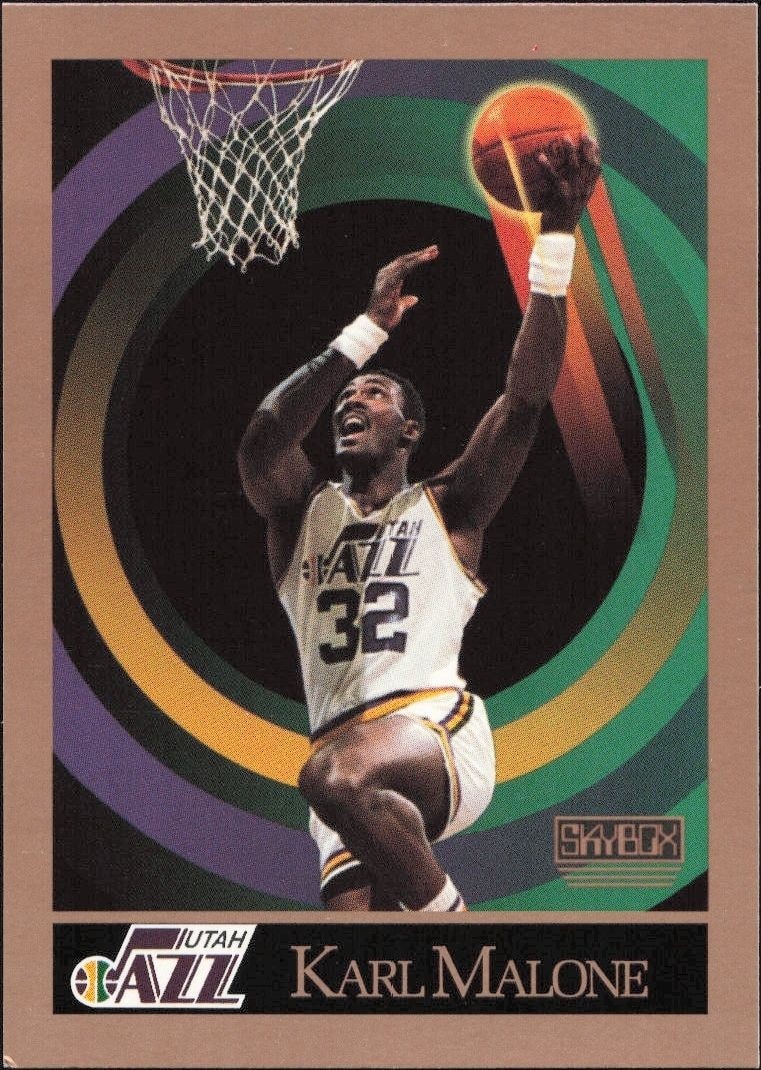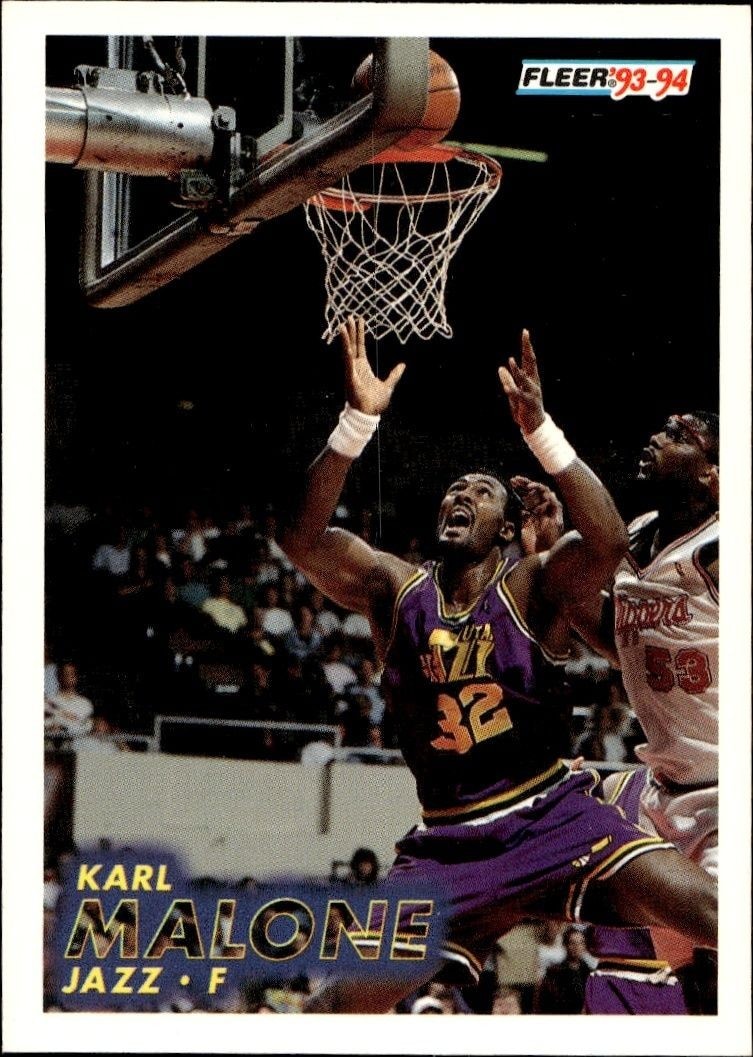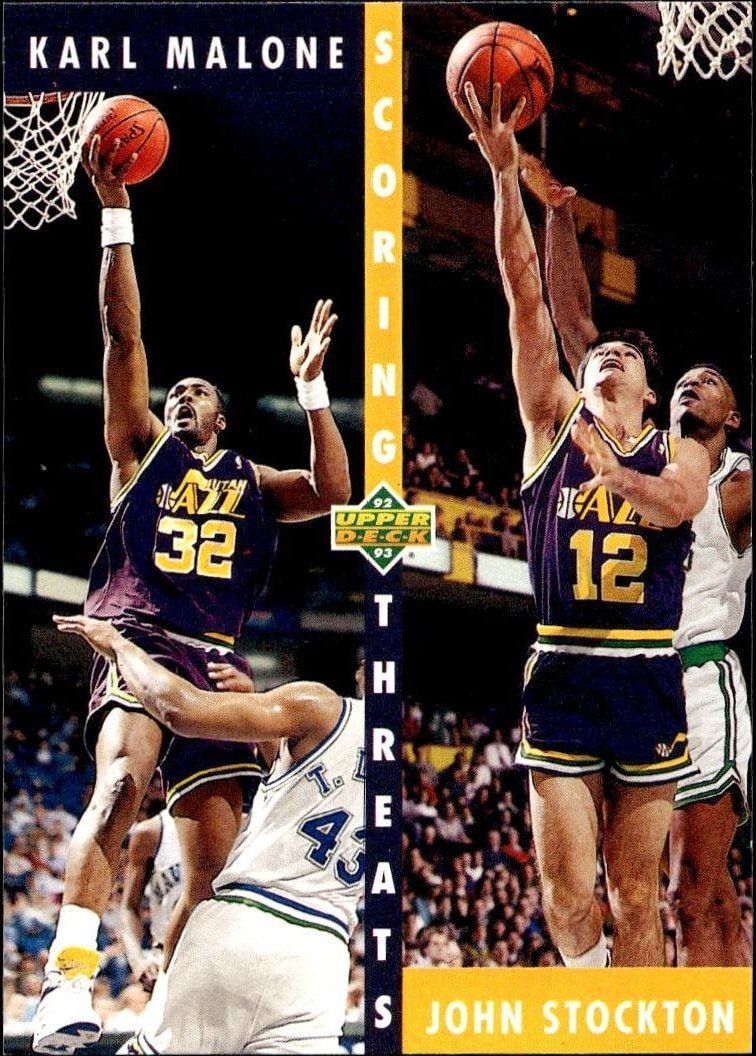

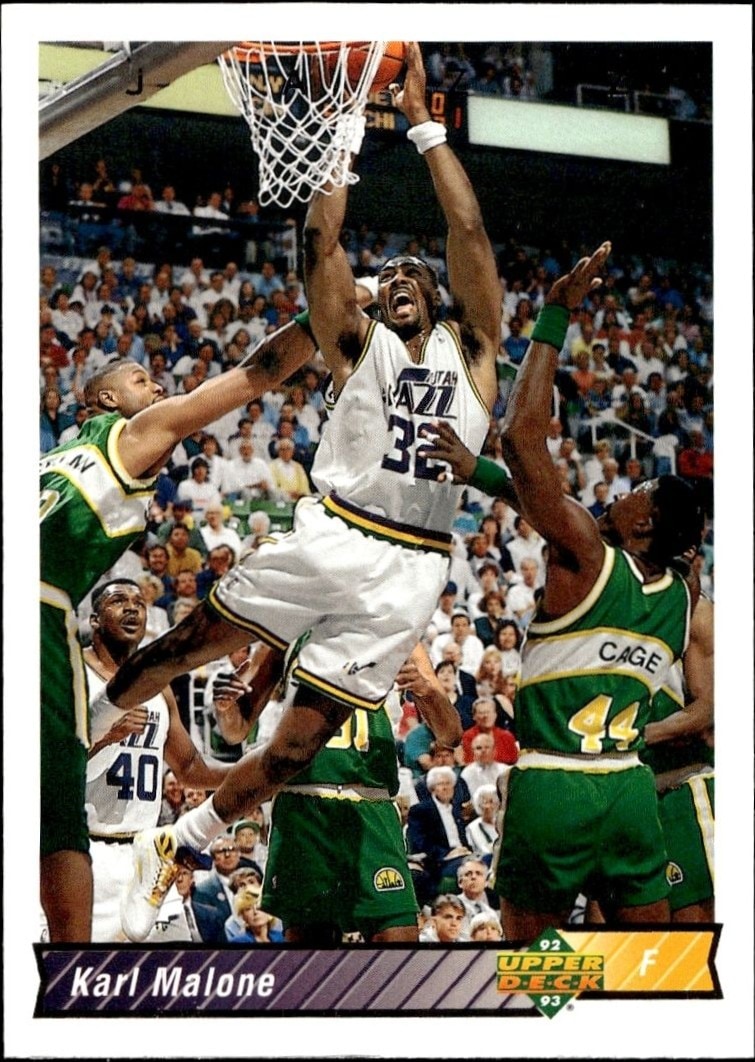



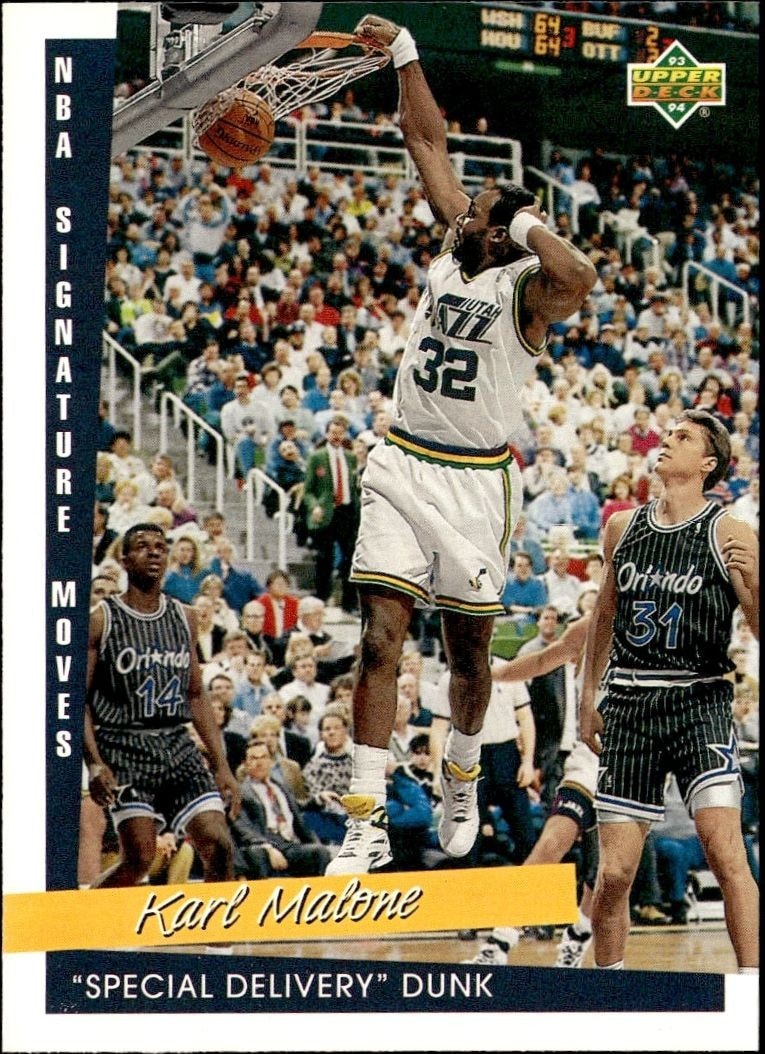
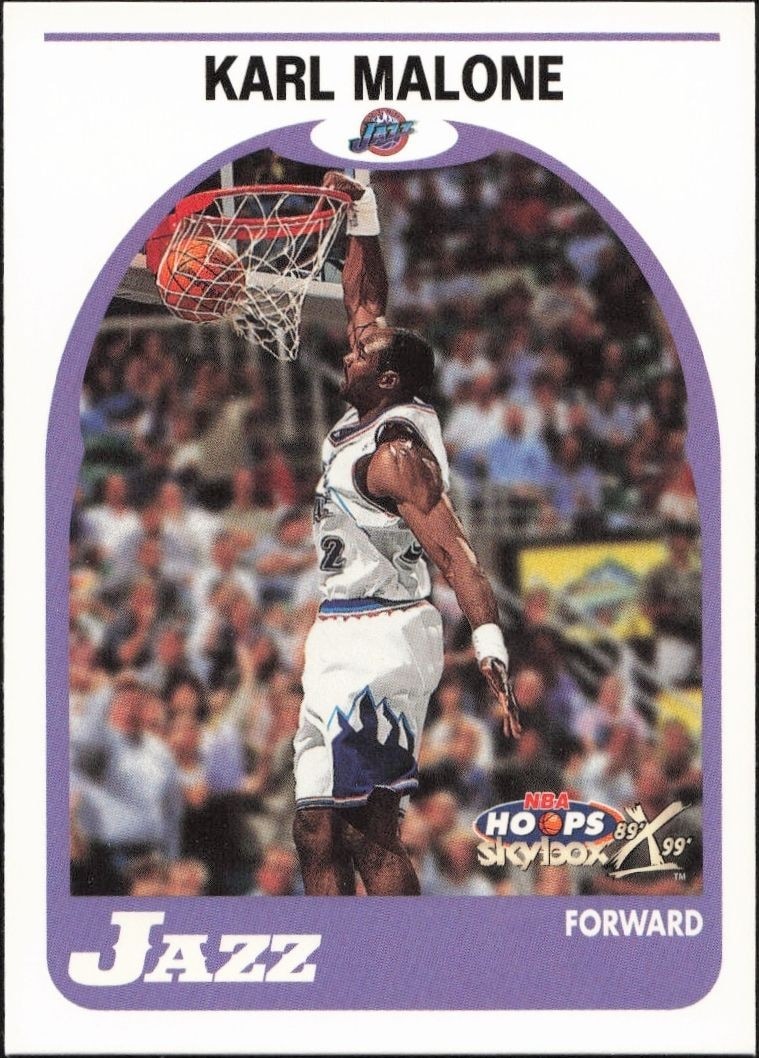
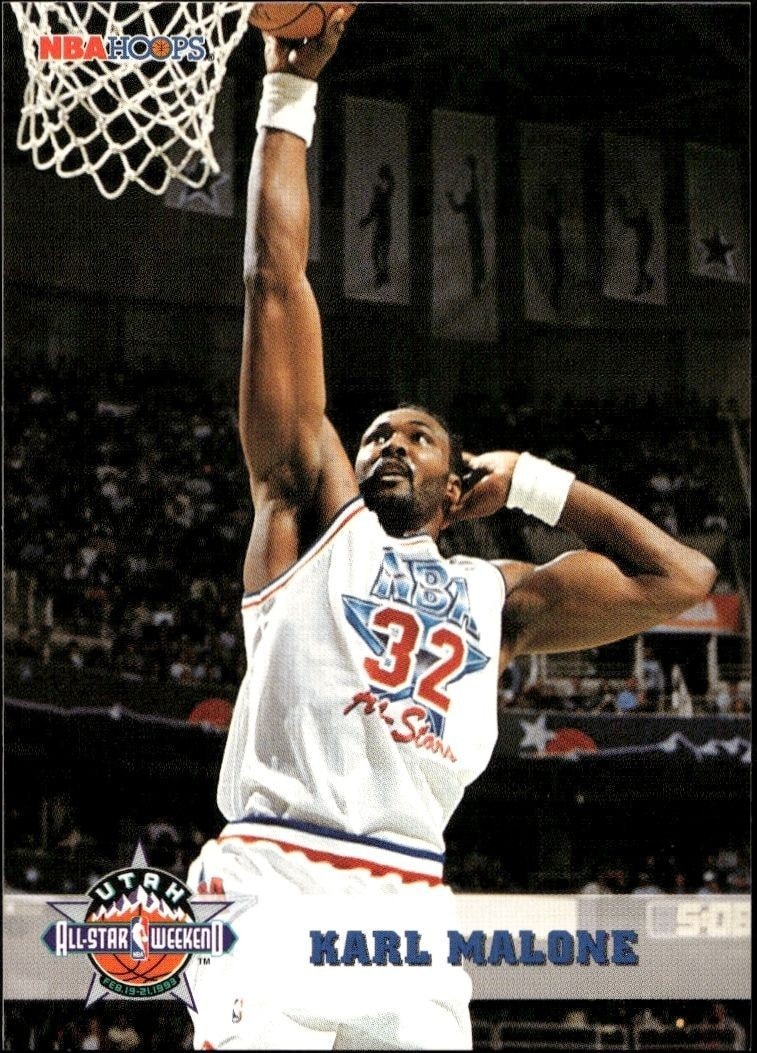
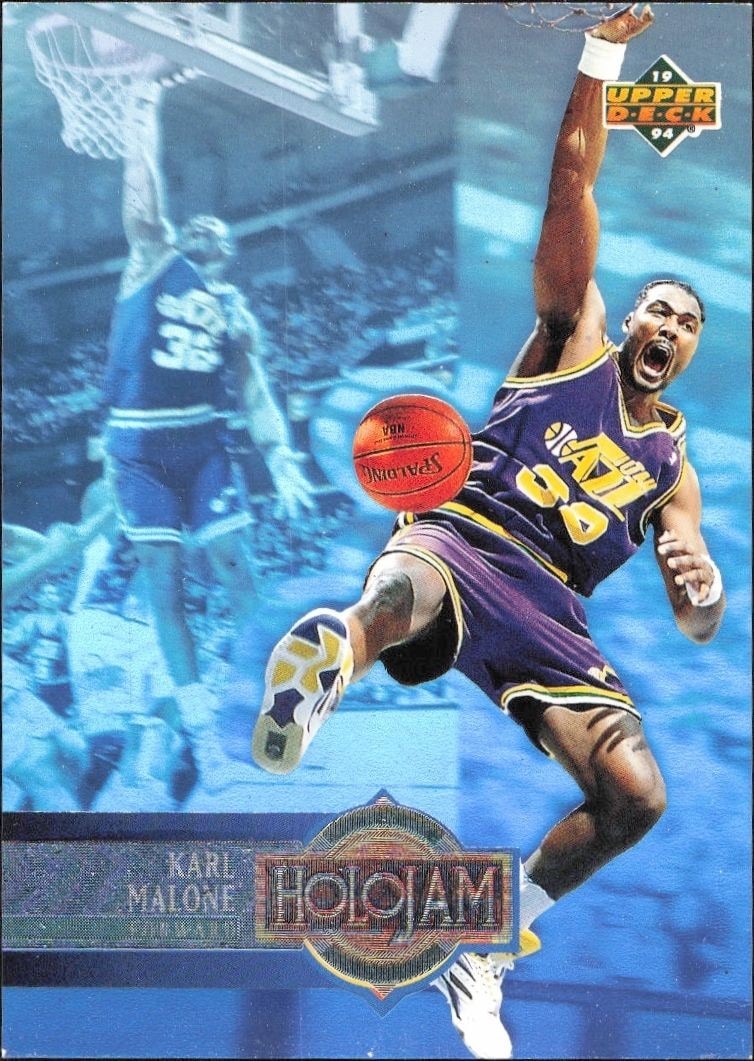
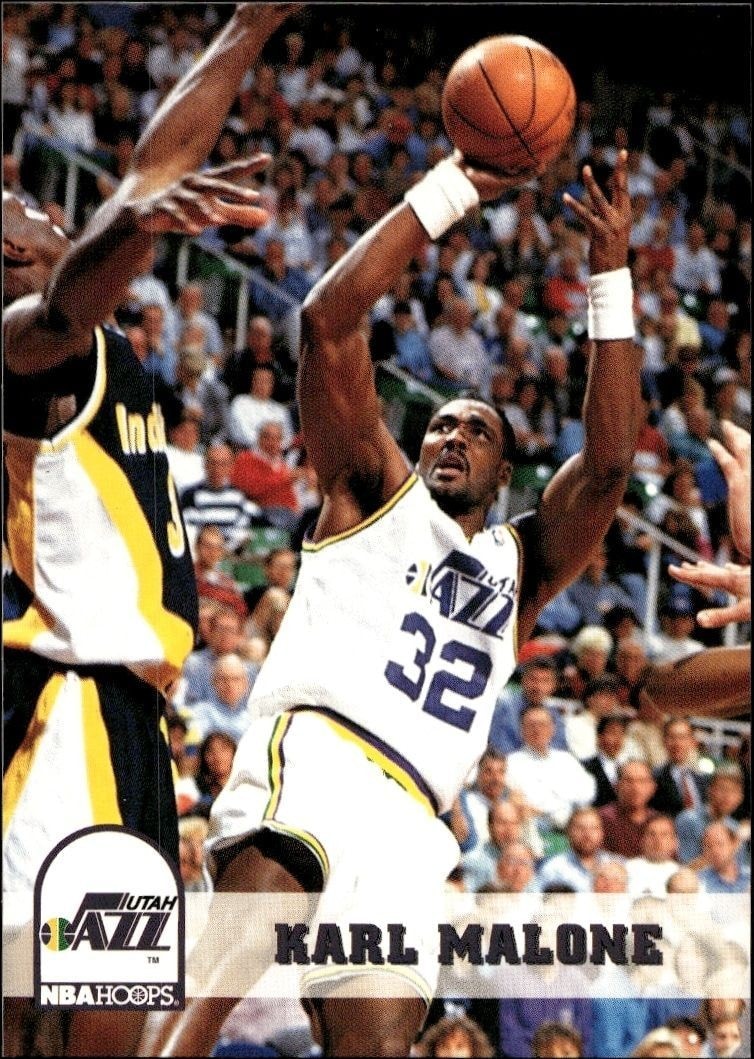
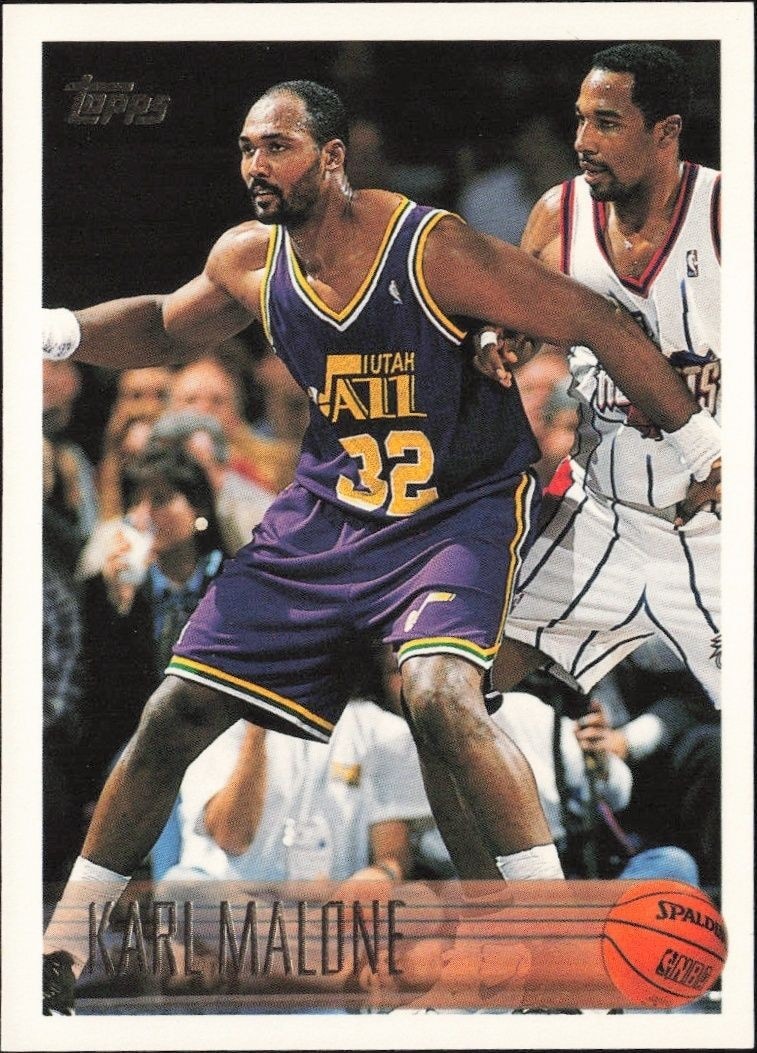
The 1992-93 Upper Deck Karl Malone #44 basketball card captures the Utah Jazz star during his prime NBA years. A staple of vintage sports card collecting.
1992-93 • Upper Deck
National Basketball Association • Utah Jazz
Near Mint
44
New
Shipping Calculated at Checkout
This seller is away until 10/19/2026 — orders are still accepted and ship after they return.30-day Returns| Condition | Value | Source | Trend | Price Details |
|---|---|---|---|---|
$1.62 | Guide Estimate | -1.8% | ||
$2.90As of 4/13/2026 | Evidence Type Unavailable | |||
$20.00 | Guide Estimate | 0% | ||
$20.49 | Guide Estimate | +2.1% | ||
$34.00 | Guide Estimate | 0% | ||
$45.00 | Guide Estimate | 0% | ||
$21.00 | Guide Estimate | 0% | ||
$34.49 | Guide Estimate | -1.3% | ||
$21.00 | Guide Estimate | 0% | ||
Raw / Ungraded
PriceCharting Price Guide · Guide Estimate evidence · captured Oct 14, 2026
The 1992-93 Upper Deck Karl Malone #44 basketball card stands as a significant entry in the history of NBA trading cards. Released during a pivotal era for the Utah Jazz, this product features Karl Malone in his iconic team colors, representing one of the most dominant power forwards in league history. Collectors often seek this card number to complete vintage NBA sets or to add a reliable piece of Utah Jazz history to their portfolio. The card is part of the standard checklist, making it a foundational element for enthusiasts focusing on the 1990s basketball landscape. Malone’s presence on the court during this period, often alongside John Stockton, defined an era of disciplined, high-level basketball that continues to attract nostalgia-driven buyers. Whether you are building a comprehensive collection of 1990s Upper Deck releases or focusing on individual player cards, the 1992-93 Karl Malone #44 offers a tangible connection to that competitive decade. The card’s catalog status as a standard checklist item ensures it is a consistent reference point for valuing and tracking vintage basketball assets. For investors and hobbyists alike, maintaining a complete set of this era provides a structured approach to collecting, with each card, including Malone’s #44, contributing to the overall historical narrative of the sport. The enduring appeal of 1990s basketball cards lies in their simplicity and the legendary status of the players featured, making this Karl Malone card a worthwhile addition for any serious collector of NBA memorabilia.
1 day ago
We'll pre-fill the product details from this catalog entry, so your listing lands on this exact page. Just add photos of your copy, pick its condition, and set your price.
The catalog profile below summarizes the card identity, featured subject, and notable collectible traits.
The core identity of the card within the set.
The subject, team, league, and sport context tied to this card.
Production details and format-specific attributes.
Material
Card Stock
Language
English
Notable collectible traits associated with this card profile.
Compare prices, grades, photos, and shipping from approved sellers.
New
Near Mint
See how many public collections currently include this card.
0 collectors have this card
This 1992-93 Upper Deck Karl Malone card represents a foundational entry point for the franchise, trading at a modest value tier relative to high-end rookie parallels or short-print varieties. While the base card commands minimal premiums due to its common status, it serves as a critical reference point for collectors building complete sets of Malone's early Jazz tenure. The lack of special attributes keeps its pricing grounded, reflecting its role as a staple rather than a standout investment piece.
As a standard base card within the 1992-93 Upper Deck Basketball set, this item carries no serial numbering, short-print designation, or parallel treatment to constrain its supply. The scarcity is defined entirely by its production volume as a common issue, meaning it remains widely available in the secondary market. Without unique manufacturing features like one-of-one status or limited edition numbering, its rarity is comparable to the broader pool of base cards from this era.
The investment potential is limited by the card's position as a non-rookie, base issue from the middle of Malone's Hall of Fame career, rather than his initial entry into the league. Collector demand is driven primarily by nostalgia for the Jazz duo era rather than speculative growth, keeping price appreciation flat over time. For serious investors, capital is better allocated toward early-career rookie cards or rare parallels that offer tighter supply mechanics and higher ceiling potential.