




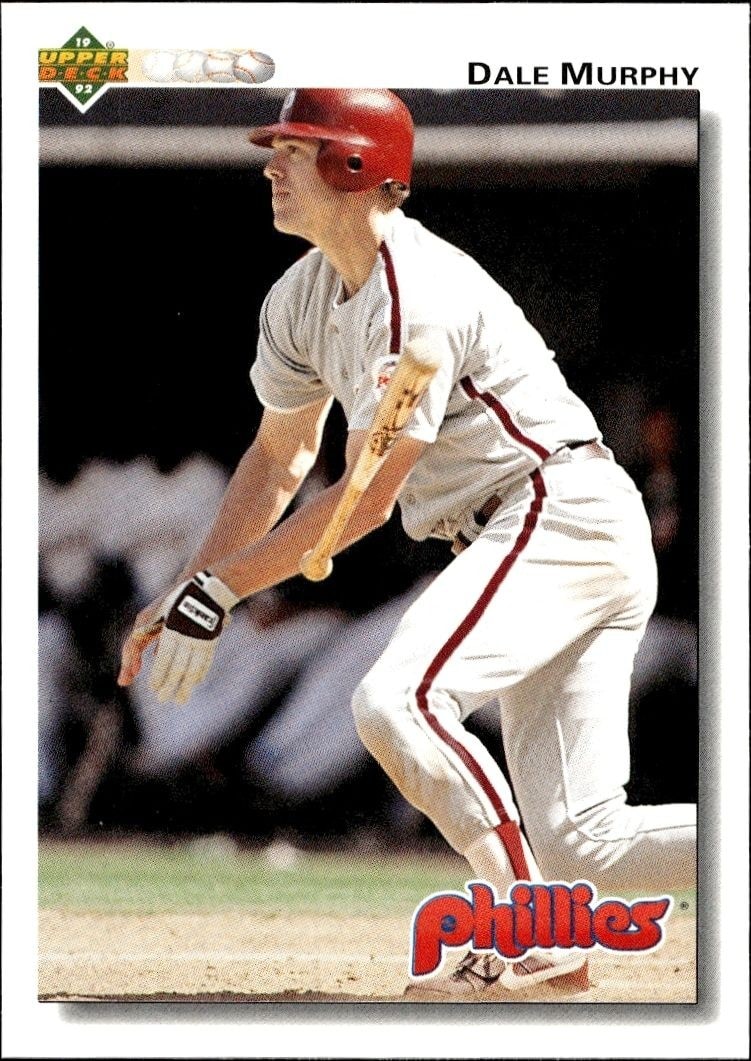




The 1992 Upper Deck Low Number #19 features Andy Ashby in a distinctive insert format. This catalog page covers all available listings for this card number.
1992 • Upper Deck • Low Number
Major League Baseball • Philadelphia Phillies
Near Mint
19
New
Shipping Calculated at Checkout
Arrives in 4-6 daysEstimated delivery October 30, 2026 - November 1, 2026
30-day Returns| Condition | Value | Source | Trend | Price Details |
|---|---|---|---|---|
$0.99As of 10/2/2026 | Guide Estimate | |||
Raw / Ungraded
PriceCharting Price Guide · Guide Estimate evidence · captured Oct 2, 2026
History is building. At least two days of matching observations are needed to show a trend.
Each point is the last stored observation that day for this printing, condition, grader, autograph status and source. Gaps mean no observation; guide estimates and asking prices are not completed sales.The 1992 Upper Deck Low Number #19 highlights Andy Ashby within a specialized subset of the original 1992 Upper Deck baseball set. This product grouping encompasses all available listings for card number 19, regardless of the specific physical copy's condition, grading, or seller. Collectors targeting this insert should note that Low Number cards were distributed in smaller quantities than the base set, making them a distinct component for enthusiasts completing specialized subsets. For those building a collection focused on the 1992 Upper Deck brand, the Low Number series offers a unique collecting avenue. The #19 card represents Andy Ashby during his tenure with the Philadelphia Phillies. As part of the broader baseball trading card market, this release remains a point of interest for investors and hobbyists who value the historical context of early 1990s manufacturing. Whether you are seeking a raw card for your binder or a certified slab for your display case, this group page aggregates listings from multiple sellers. The focus remains on the card's identity as a specific numbered insert from a pivotal era in sports card history. Collecting the 1992 Upper Deck Low Number series allows fans to explore the depth of that year's production. Andy Ashby's presence on card 19 connects directly to the team's roster at the time. For collectors interested in the nuances of set design and distribution patterns from the early 90s, this card serves as a tangible piece of that legacy. Browse the available options to find the specific example that fits your collection goals.
5 days ago
We'll pre-fill the product details from this catalog entry, so your listing lands on this exact page. Just add photos of your copy, pick its condition, and set your price.
The catalog profile below summarizes the card identity, featured subject, and notable collectible traits.
The core identity of the card within the set.
The subject, team, league, and sport context tied to this card.
Production details and format-specific attributes.
Material
Card Stock
Language
English
Compare prices, grades, photos, and shipping from approved sellers.
New
Near Mint
See how many public collections currently include this card.
0 collectors have this card
As a 1992 Upper Deck release, this card represents an early entry into Andy Ashby's professional portfolio, though his tenure with the Philadelphia Phillies was relatively brief compared to long-term franchise icons. The current market presence suggests it trades at a modest premium relative to base issues of the era, reflecting its status as a specific team assignment during his MLB stint. Value is primarily driven by nostalgia for early-90s baseball aesthetics rather than significant career accolades.
The 'Low Number' designation in the set name implies a potential numerical scarcity mechanic, which typically constrains supply and appeals to collectors seeking specific serial ranges. However, with no special attributes noted such as parallel finishes or short-print codes, the card likely lacks the extreme scarcity drivers found in higher-tier parallels. The absence of explicit serial number data in the attributes prevents a precise evaluation of its rarity tier within the set.
Investment potential is limited by the card's age and the player's lack of Hall of Fame status or sustained superstar trajectory, which caps the ceiling for collector demand. While early-90s sets hold a dedicated niche, the specific combination of a journeyman pitcher and a standard base card format offers limited upside for appreciation. Interest remains steady among specialized team collectors but is unlikely to see broad market expansion.
