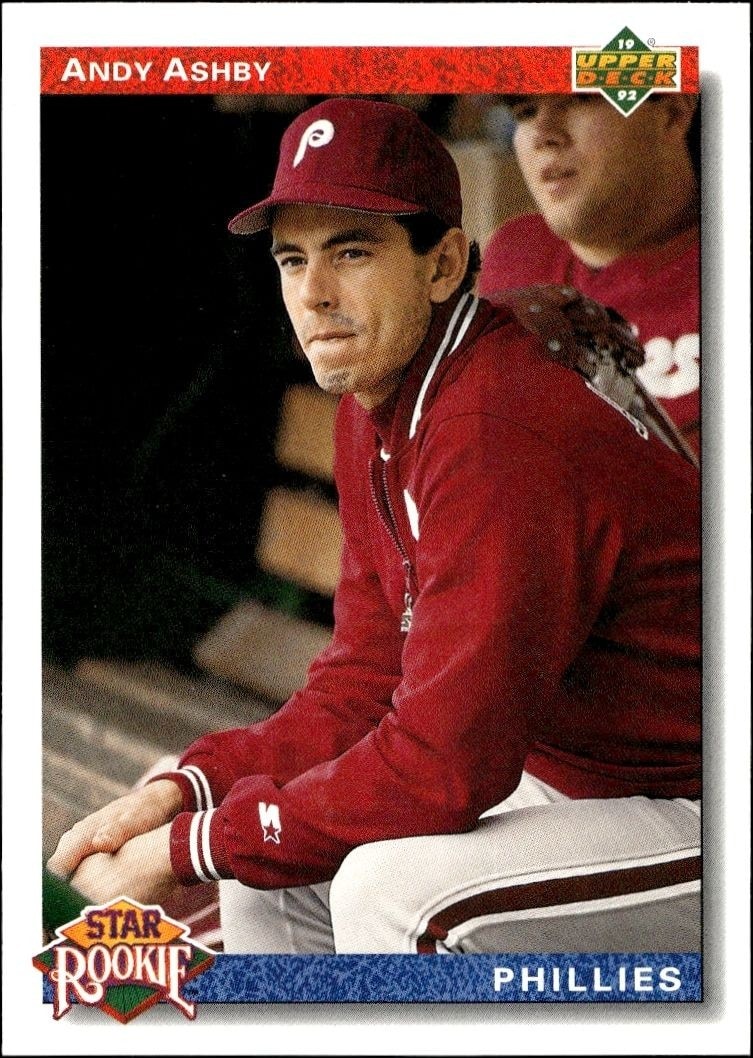








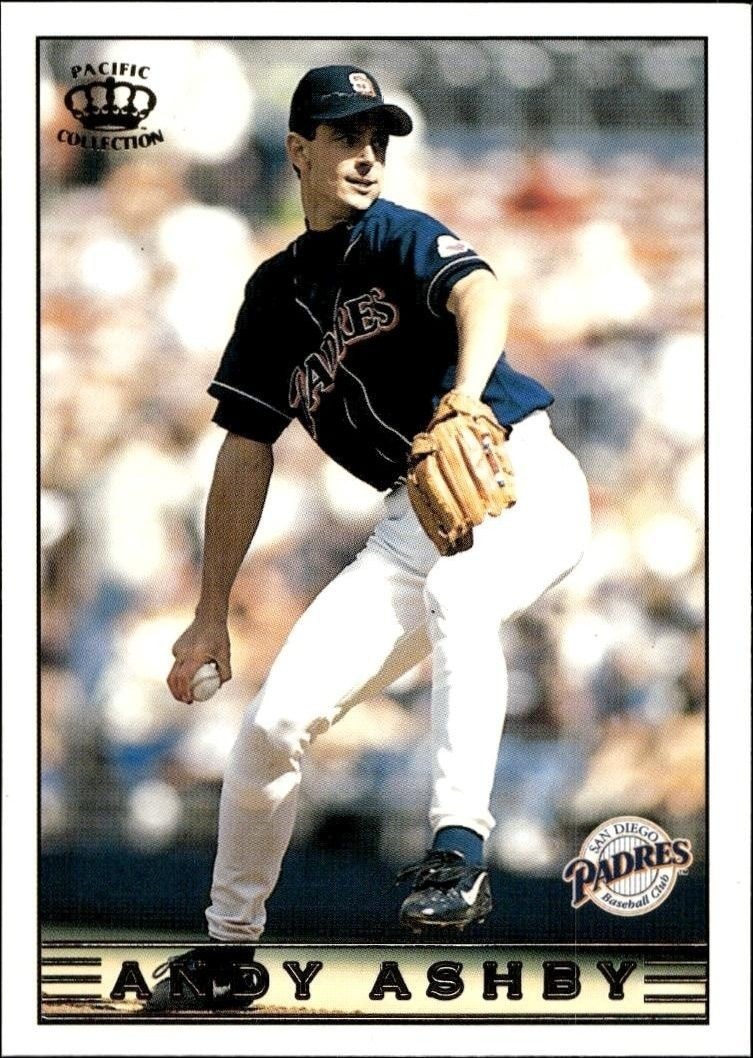

The 1997 Score #138 features San Diego Padres pitcher Andy Ashby in a standard design that defines the late-90s baseball card era.
1997 • Score
Major League Baseball • San Diego Padres
Near Mint
138
New
Shipping Calculated at Checkout
Arrives in 5-7 daysEstimated delivery October 23, 2026 - October 25, 2026
Seller returns October 19, 2026.30-day Returns| Condition | Value | Source | Trend | Price Details |
|---|---|---|---|---|
$1.38 | Guide Estimate | |||
Raw / Ungraded
PriceCharting Price Guide · Guide Estimate evidence · captured Oct 18, 2026
History is building. At least two days of matching observations are needed to show a trend.
Each point is the last stored observation that day for this printing, condition, grader, autograph status and source. Gaps mean no observation; guide estimates and asking prices are not completed sales.The 1997 Score #138 presents San Diego Padres pitcher Andy Ashby within the iconic framework of Score's late-1990s design language. Released during a period when Score established itself as a staple for baseball card collectors, this card captures the straightforward aesthetic that defined the series. The layout emphasizes the player's portrait against a clean background, allowing the subject to stand out without distraction—a hallmark of the brand's approach during this era. Andy Ashby's tenure with the San Diego Padres is documented here, offering a tangible piece of MLB history for those interested in team rosters from the 1990s. For collectors focusing on the 1997 Score set, this card serves as a essential component in completing the base collection. Whether you are assembling a complete set or hunting for specific team representatives, finding cards from this era connects you to a significant chapter in sports memorabilia. The 1997 Score brand remains a reference point for the design trends of the time, and owning cards from this release adds depth to any baseball collection. Collecting vintage sports cards often involves tracing the careers of players who contributed to their teams' histories. Ashby's presence on the 1997 Padres roster is a key identifier for this card, distinguishing it within the broader context of the set. As you browse through available options, consider how this card fits into your broader collecting goals, whether for archival purposes or personal appreciation of the sport's visual history.
1 day ago
We'll pre-fill the product details from this catalog entry, so your listing lands on this exact page. Just add photos of your copy, pick its condition, and set your price.
The catalog profile below summarizes the card identity, featured subject, and notable collectible traits.
The subject, team, league, and sport context tied to this card.
Production details and format-specific attributes.
Material
Card Stock
Language
English
Compare prices, grades, photos, and shipping from approved sellers.
New
Near Mint
See how many public collections currently include this card.
0 collectors have this card
This 1997 Score card of Andy Ashby represents a lower-tier entry point within the broader baseball card market, reflecting its status as a non-premium parallel or base card from a mass-produced set. The current pricing indicates a modest valuation relative to higher-grade or serially numbered counterparts, suggesting it trades in line with common availability for this specific player and brand. While Ashby holds a defined place in San Diego Padres history, this particular iteration lacks the condition premiums or rarity factors that typically drive significant price appreciation above the baseline market.
The card lacks any noted special attributes such as serial numbering, short-print status, or distinct parallel variations, meaning it is a standard base card from the 1997 Score set. This unvarnished presentation implies a high supply relative to specialized variants, as no scarcity mechanics like limited editions or one-of-one designations constrain its availability. Consequently, the rarity profile is defined by its ubiquity within the set rather than any exclusive production limits or unique physical features.
As a standard base card from the late 1990s, this item does not carry the rookie-card premium or the scarcity drivers often sought by serious investors looking for long-term appreciation. Demand is likely driven primarily by collectors focusing on specific team sets or player milestones rather than broader market trends, limiting its potential for significant value growth. While it serves as an affordable component for assembling complete sets, it does not exhibit the distinct collector demand drivers associated with higher-tier parallels or graded examples.