


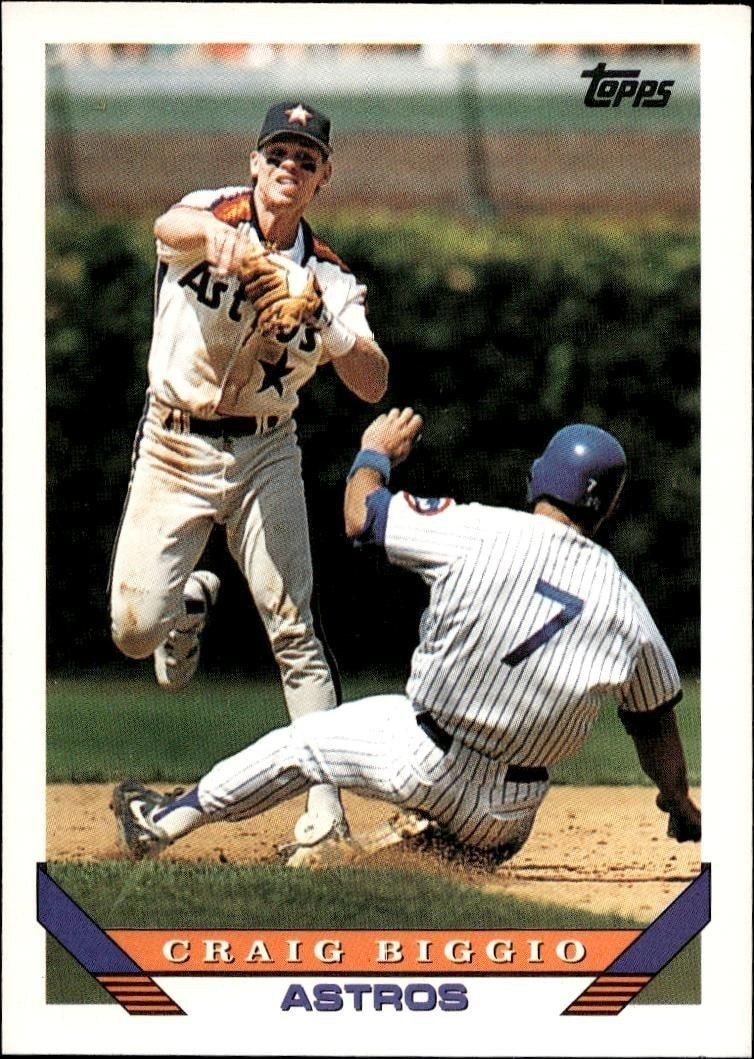

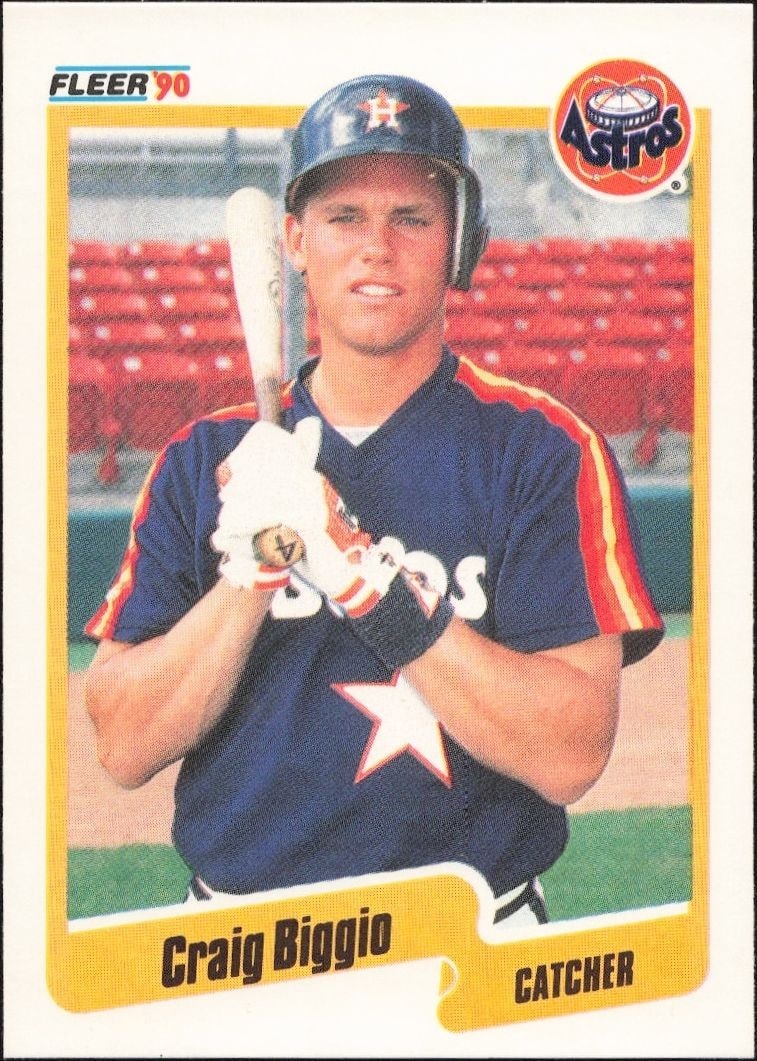

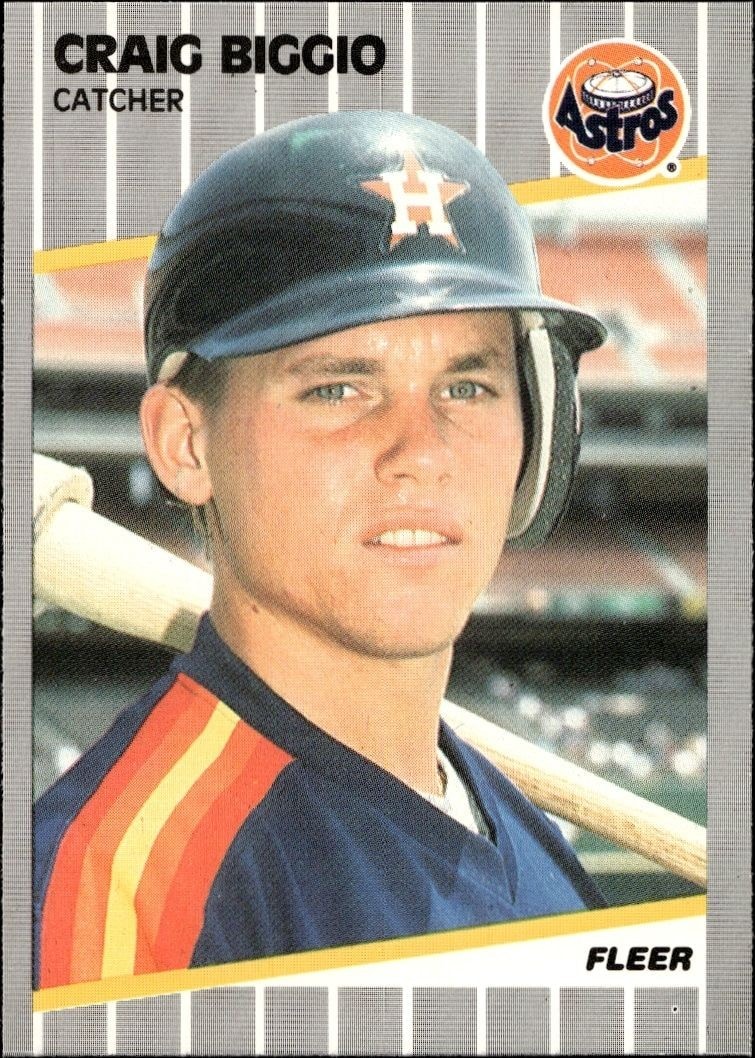
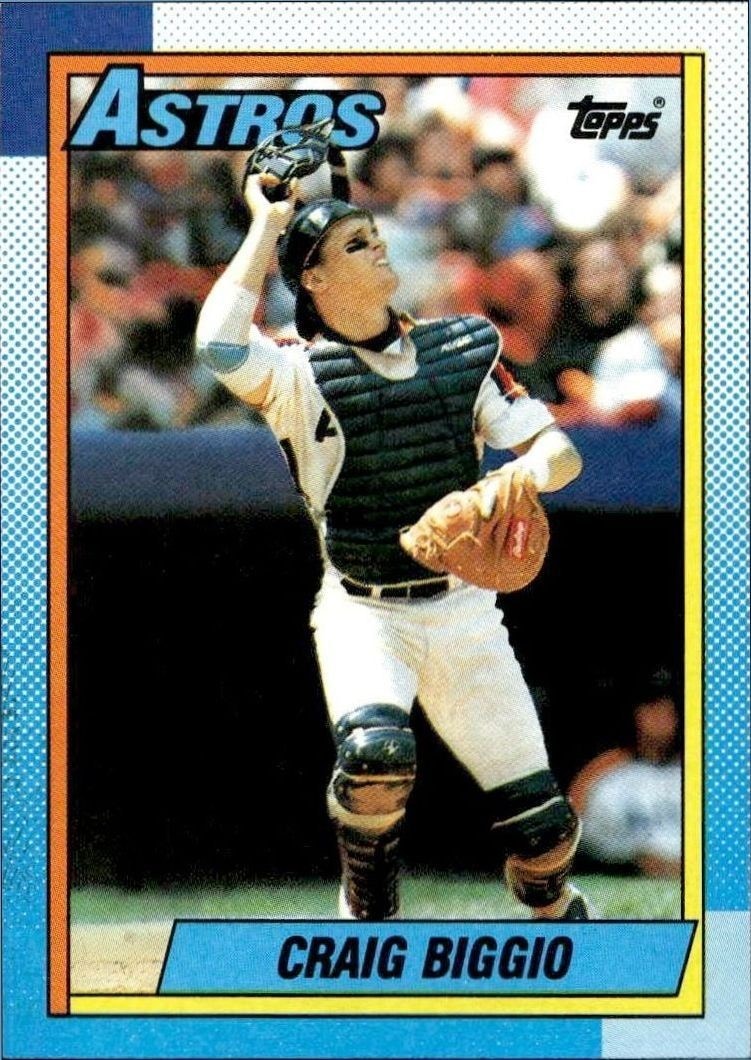



Identify this 1992 Upper Deck baseball trading card featuring Craig Biggio of the Houston Astros, designated as card number 162 in the Low Number series.
1992 • Upper Deck • Low Number
Major League Baseball • Houston Astros
Near Mint
162
New
Shipping Calculated at Checkout
Arrives in 4-6 daysEstimated delivery November 12, 2026 - November 14, 2026
30-day Returns| Condition | Value | Source | Trend | Price Details |
|---|---|---|---|---|
$1.07 | Guide Estimate | +7% | ||
$8.12 | Guide Estimate | +3% | ||
$9.08 | Guide Estimate | -0.2% | ||
$18.99 | Guide Estimate | 0% | ||
$26.00 | Guide Estimate | -3.7% | ||
$8.00 | Guide Estimate | 0% | ||
$19.99 | Guide Estimate | -4.8% | ||
$12.00 | Guide Estimate | -7.7% | ||
Raw / Ungraded
PriceCharting Price Guide · Guide Estimate evidence · captured Nov 4, 2026
The 1992 Upper Deck Low Number series includes Craig Biggio as card #162. This collectible sports card features the Houston Astros player and is part of the major 1992 Upper Deck baseball release. The product is categorized under the Baseball trading card market. ## What makes 1992 Upper Deck cards collectible? The 1992 Upper Deck set is widely recognized as the first major national baseball card set to include color photography on the front. This design shift influenced the entire industry and established a new visual standard for trading cards. ## Who is Craig Biggio? Craig Biggio played his entire Major League Baseball career with the Houston Astros. He was a key figure in the franchise's history and is remembered for his versatility and longevity in the sport. ## How do I identify this card? You can identify this card by the "1992" year printed on the set, the "Upper Deck" brand logo, and the card number "162" in the bottom corner. The front displays Craig Biggio's name and team affiliation.
3 days ago
We'll pre-fill the product details from this catalog entry, so your listing lands on this exact page. Just add photos of your copy, pick its condition, and set your price.
The catalog profile below summarizes the card identity, featured subject, and notable collectible traits.
The core identity of the card within the set.
The subject, team, league, and sport context tied to this card.
Production details and format-specific attributes.
Material
Card Stock
Language
English
Compare prices, grades, photos, and shipping from approved sellers.
New
Near Mint
See how many public collections currently include this card.
0 collectors have this card
FAQ
The 1992 Upper Deck Low Number series is a baseball trading card set featuring Craig Biggio. It is part of the broader 1992 Upper Deck baseball card set.
Card #162 features Craig Biggio, who played for the Houston Astros during the 1992 season. He is a prominent figure in Astros history.
No, card #162 is a standard non-autographed, non-memorabilia trading card. It does not include a signature or game-used material.
Despite Craig Biggio’s immense Hall of Fame career and status as a Houston Astros icon, this specific 1992 Upper Deck issue trades at a baseline price tier, reflecting its status as a non-premium base card. While the subject is a franchise legend, the lack of special attributes or high-grade certification keeps this item accessible to casual collectors rather than commanding a significant premium. It represents an affordable entry point into Biggio memorabilia but does not reflect the high market value associated with his more sought-after rookie or parallel issues.
This card lacks any explicit scarcity mechanics such as serial numbering, short-print status, or unique one-of-one designations, placing it firmly within the standard base set distribution. Without parallel variations or limited edition constraints, the supply is determined solely by the original print run of the 1992 Upper Deck set, which is likely substantial for a major rookie-year release. Consequently, the card does not benefit from artificial supply constraints that typically drive up rarity premiums in the secondary market.
As a 1992 release, this card predates Biggio’s official rookie card status in most major grading contexts, limiting its appeal to strict rookie-card investors. The primary demand driver here is nostalgic value for long-time Astros fans rather than speculative growth potential tied to rookie status or high-grade scarcity. Investors should view this as a low-risk, low-reward acquisition suitable for completing base set collections rather than a vehicle for significant capital appreciation.