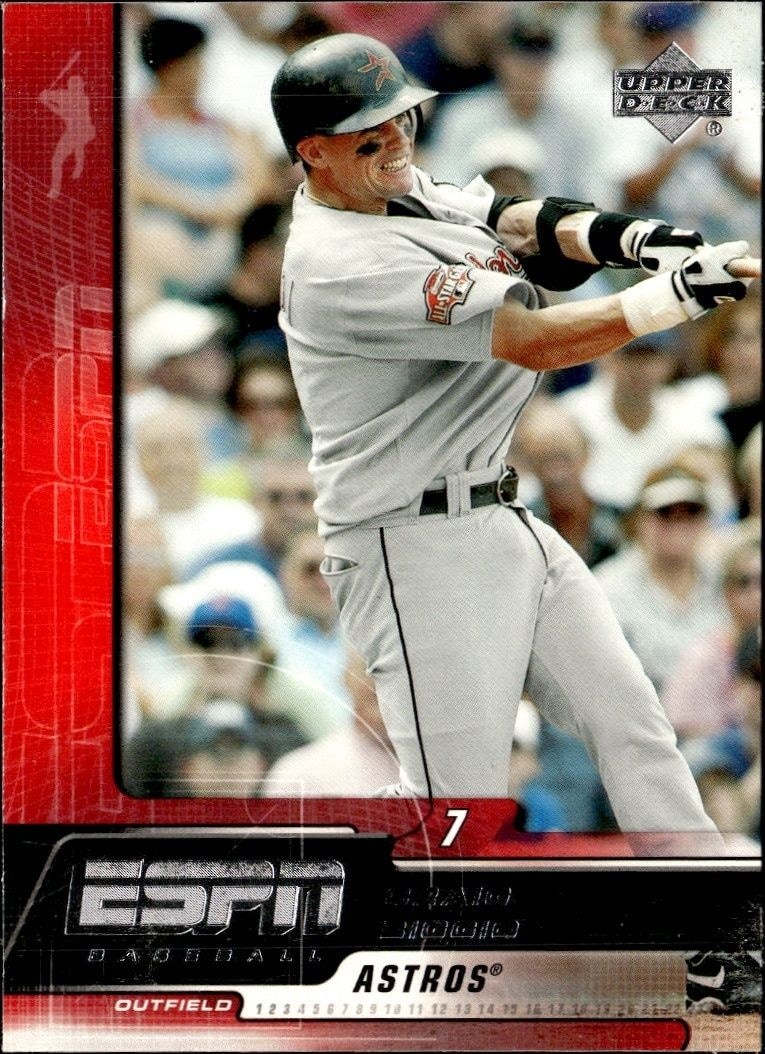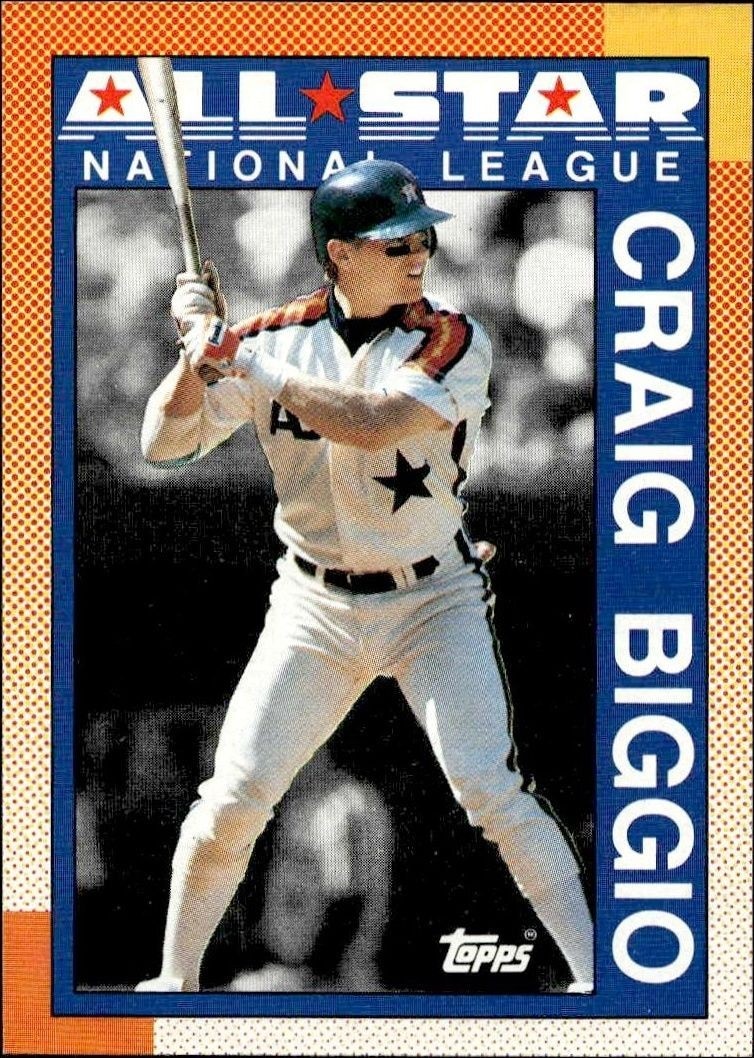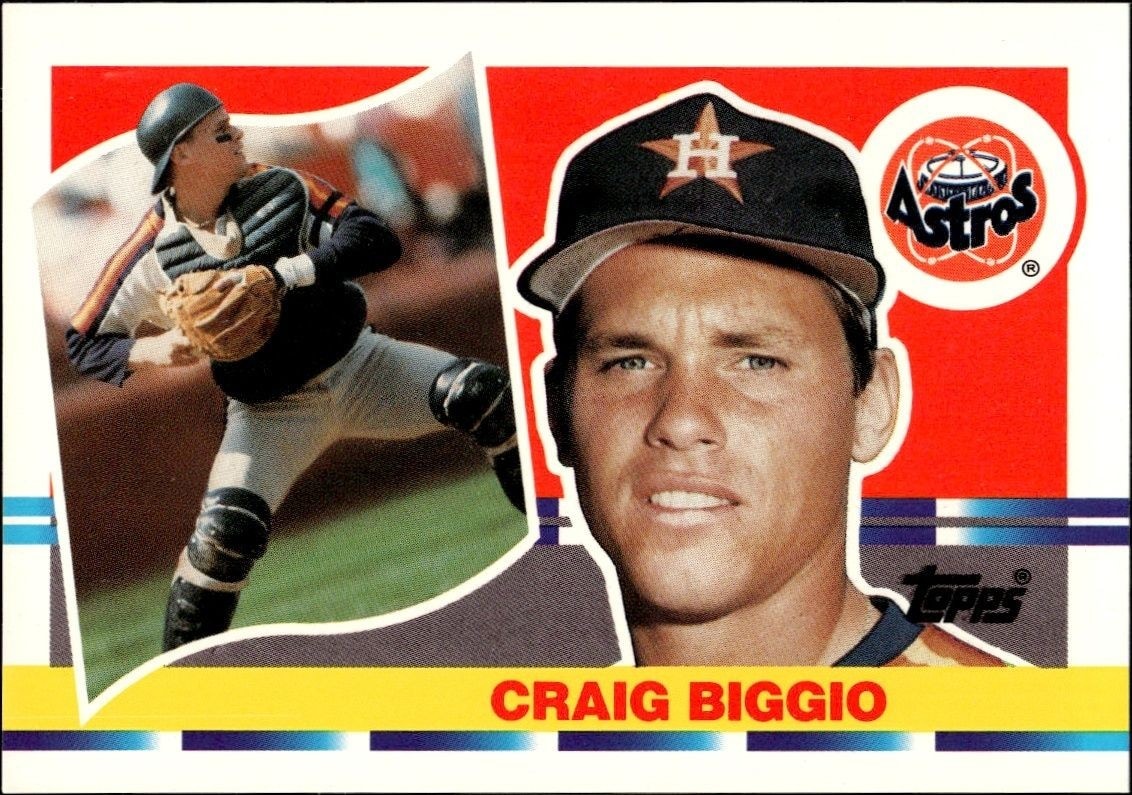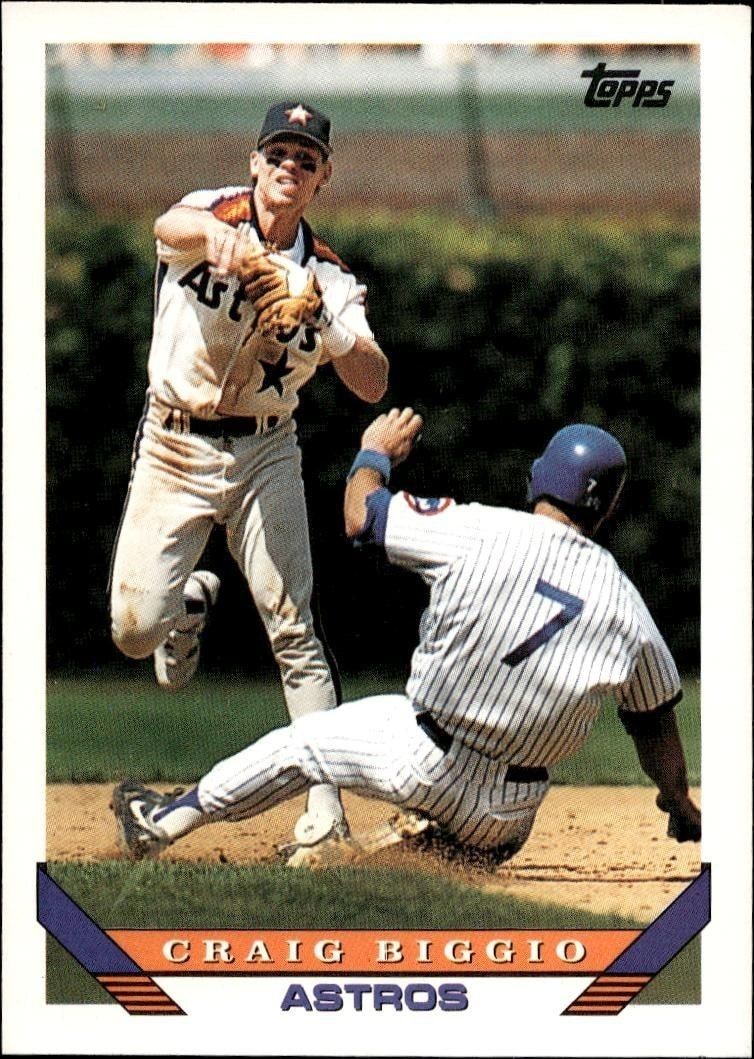
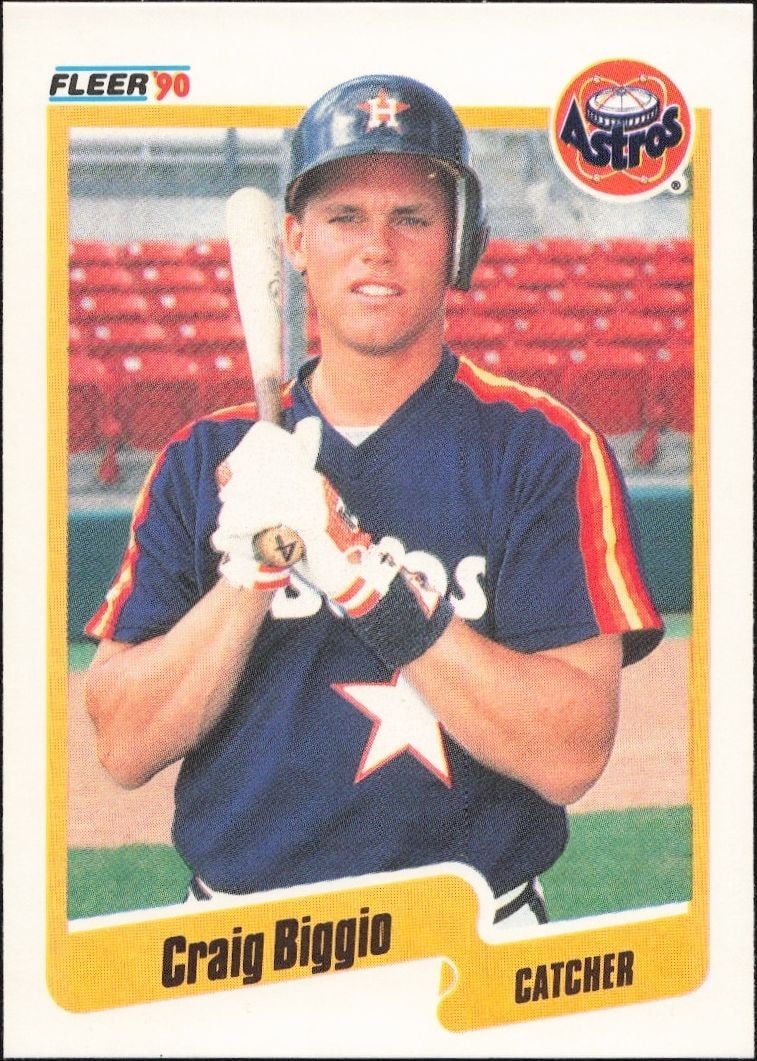

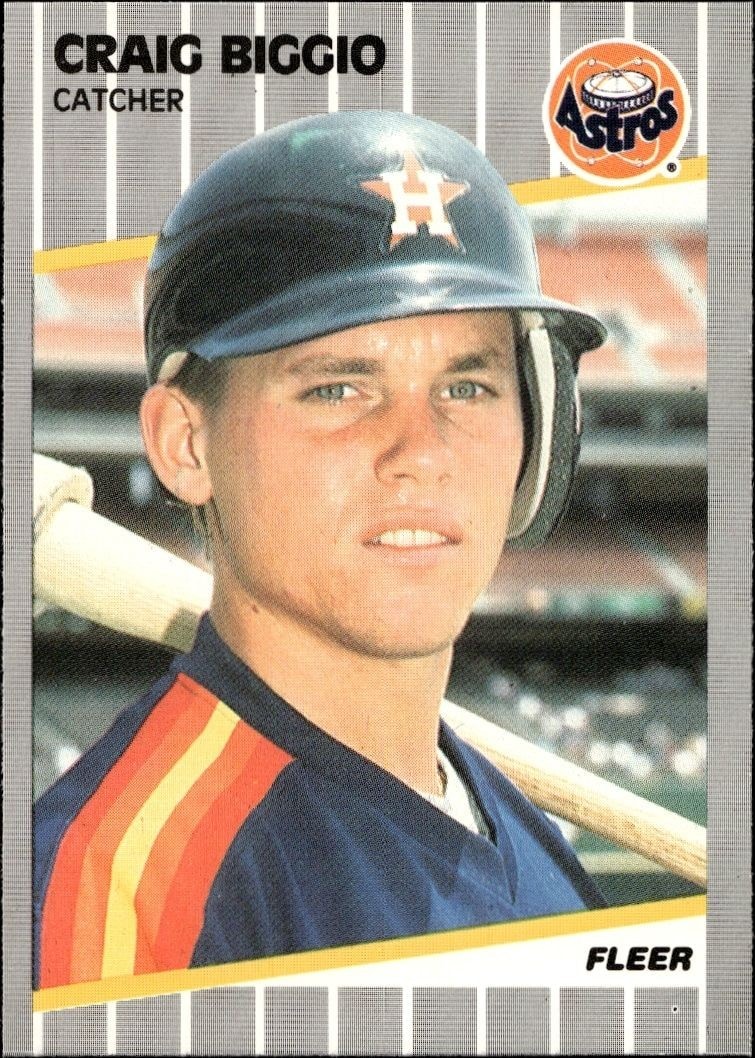


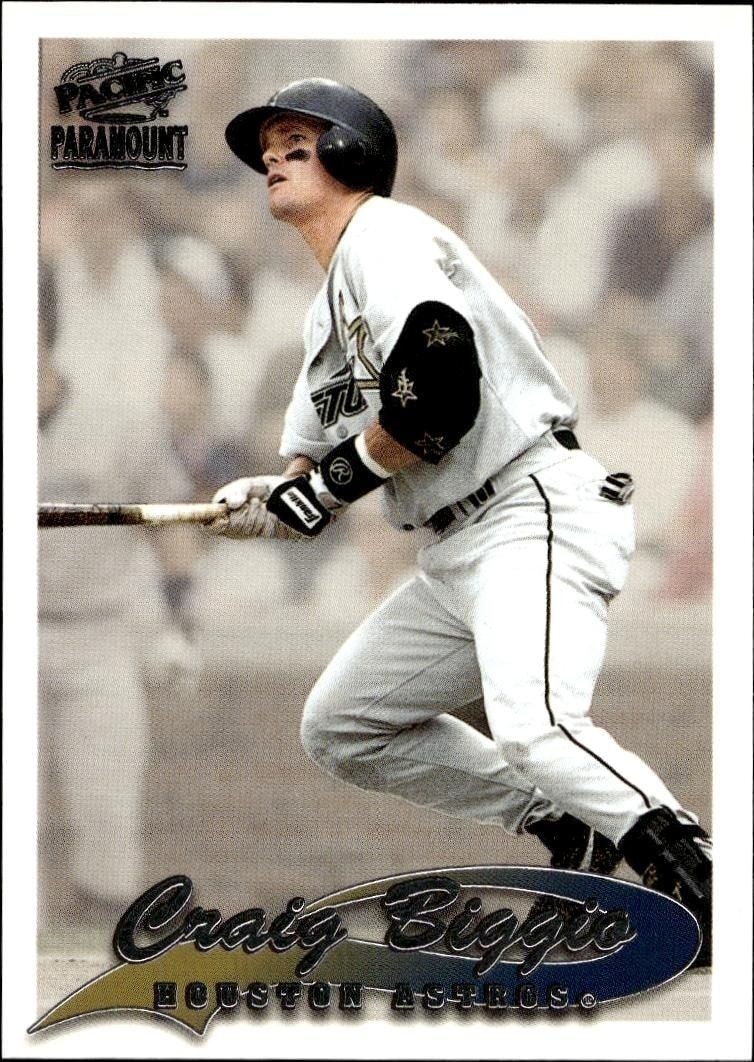

The 1990 Topps Craig Biggio #157 sports card features the Houston Astros player in a standard vintage design, offering a tangible piece of early MLB history for dedicated collectors.
1990 • Topps
Major League Baseball • Houston Astros
Excellent
157
New
Shipping Calculated at Checkout
Arrives in 5-7 daysEstimated delivery October 23, 2026 - October 25, 2026
Seller returns October 19, 2026.30-day Returns| Condition | Value | Source | Trend | Price Details |
|---|---|---|---|---|
$1.49 | Guide Estimate | -3.2% | ||
$1.29 | Completed Sales | 0% | ||
$10.64 | Guide Estimate | -5.1% | ||
$14.24 | Guide Estimate | 0% | ||
$34.00 | Guide Estimate | 0% | ||
$45.00 | Guide Estimate | 0% | ||
$21.00 | Guide Estimate | 0% | ||
$34.50 | Guide Estimate | -0.1% | ||
$21.00 | Guide Estimate | 0% | ||
Raw / Ungraded
PriceCharting Price Guide · Guide Estimate evidence · captured Oct 15, 2026
Collectors seeking to complete their vintage baseball card sets will find the 1990 Topps Craig Biggio #157 to be a fundamental component of the era's landscape. Released during a pivotal time for the Houston Astros franchise, this standard base card captures the subject during his early years in professional baseball. As a staple of the 1990 Topps brand, it represents the iconic design language that defined sports trading cards for millions of fans worldwide. This card, numbered 157 in the set, serves as a key identifier for enthusiasts cataloging the brand's output from that specific year. For those focused on Houston Astros history, this piece provides a direct connection to the team's roster during a transformative period in franchise development. We recognize that each card in the 1990 Topps series holds unique appeal for different segments of the hobby. Some collectors prioritize the visual simplicity of the era's designs, while others focus on the historical significance of the players featured. This card bridges both interests by offering a tangible link to Craig Biggio's career timeline. Whether you are assembling a complete set of the 1990 Topps baseball cards or hunting for specific team representatives, this product provides the essential piece needed to advance your collection. The enduring popularity of the Topps brand ensures that cards from this year remain highly sought after by hobbyists who appreciate the craftsmanship and nostalgia of early 1990s trading card production. Explore the full range of available options to find the perfect example for your portfolio.
8 hours ago
We'll pre-fill the product details from this catalog entry, so your listing lands on this exact page. Just add photos of your copy, pick its condition, and set your price.
The catalog profile below summarizes the card identity, featured subject, and notable collectible traits.
The subject, team, league, and sport context tied to this card.
Production details and format-specific attributes.
Material
Card Stock
Language
English
Compare prices, grades, photos, and shipping from approved sellers.
New
Excellent
See how many public collections currently include this card.
0 collectors have this card
As a 1990 Topps base card, this item represents the foundational entry point for Craig Biggio’s collecting profile, trading significantly below the value of his rookie or high-end parallel counterparts. The current pricing reflects its status as a common issue, offering an accessible entry tier for collectors building broader Astros or player-specific sets. It commands a modest premium only in pristine condition, but otherwise serves as a volume-fill piece rather than a high-value asset.
This card lacks any scarcity mechanics such as serial numbering, short-print designation, or parallel foil treatments, placing it firmly in the mass-produced base set category. The absence of unique attributes means supply is effectively unlimited relative to collector demand, ensuring that availability remains high for most condition grades. Without limited edition markers or one-of-one status, the card relies entirely on condition scarcity for any value differentiation.
Investment potential is limited by the card’s position as a non-premium base issue, with demand driven primarily by completists rather than speculative buyers. While Biggio’s Hall of Fame status provides a stable floor for the player’s overall memorabilia market, this specific 1990 Topps release does not capture the rookie-card premium or the scarcity drivers that typically fuel appreciation. Collectors should view this as a functional component for set completion rather than a standalone growth asset.