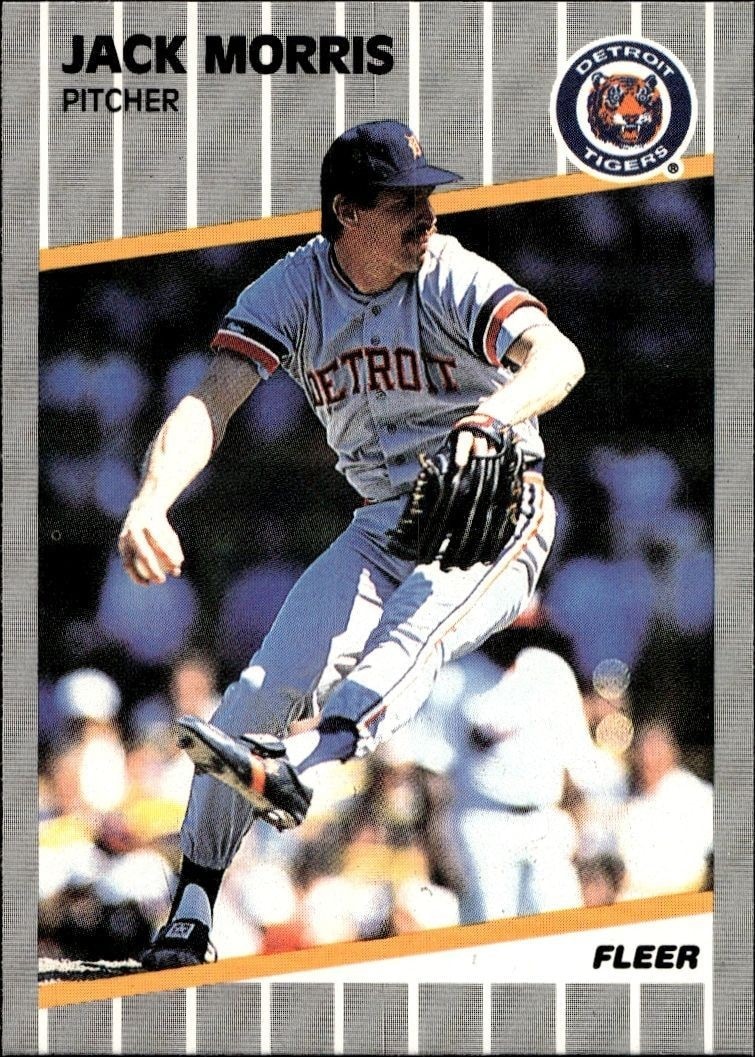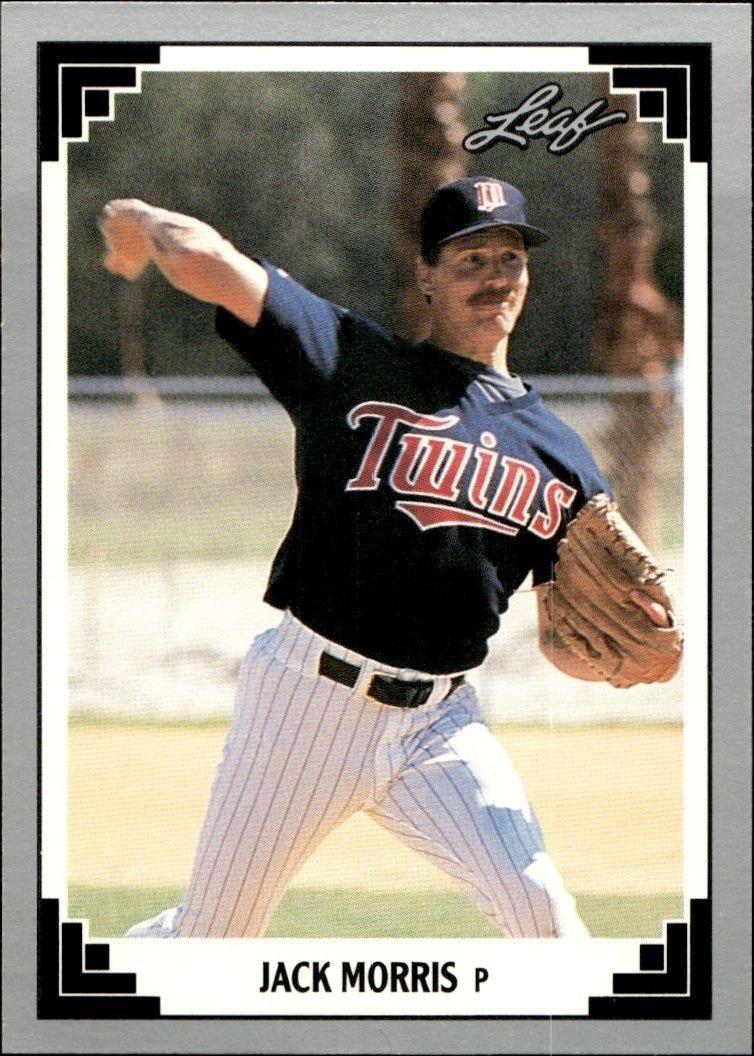




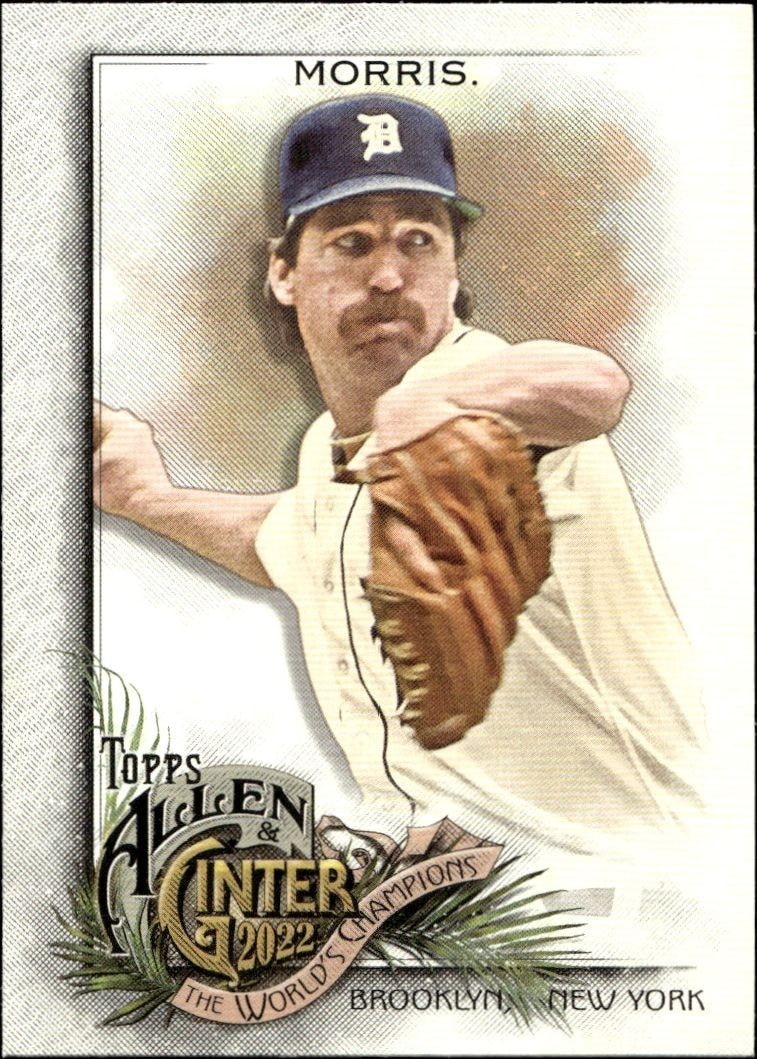


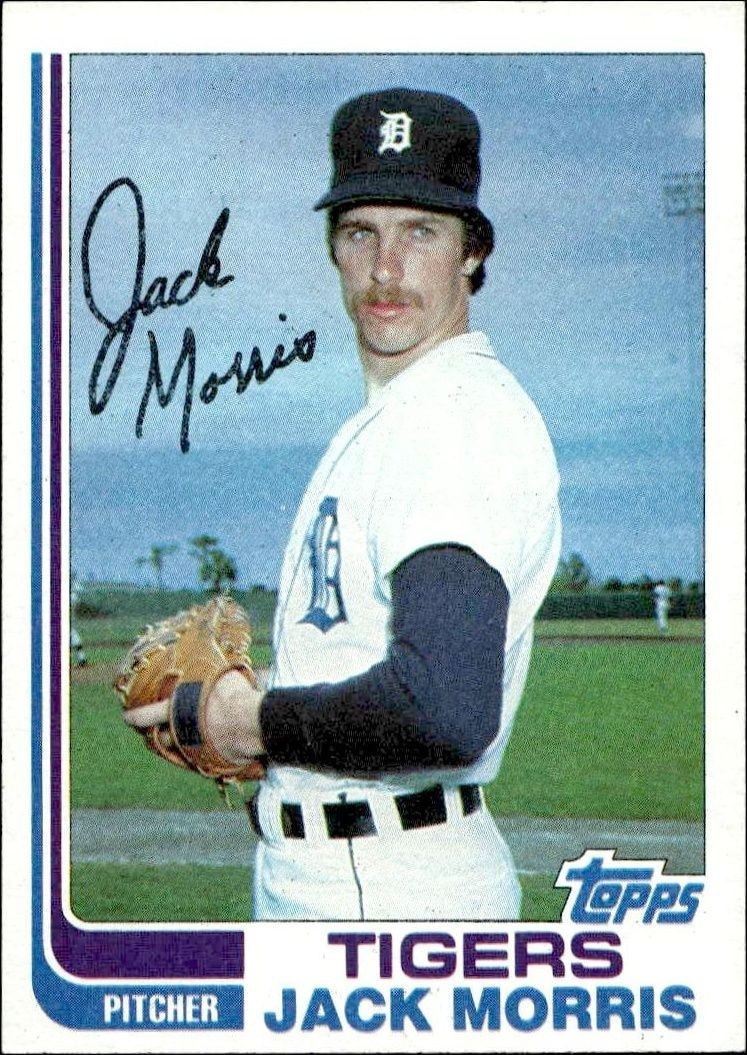
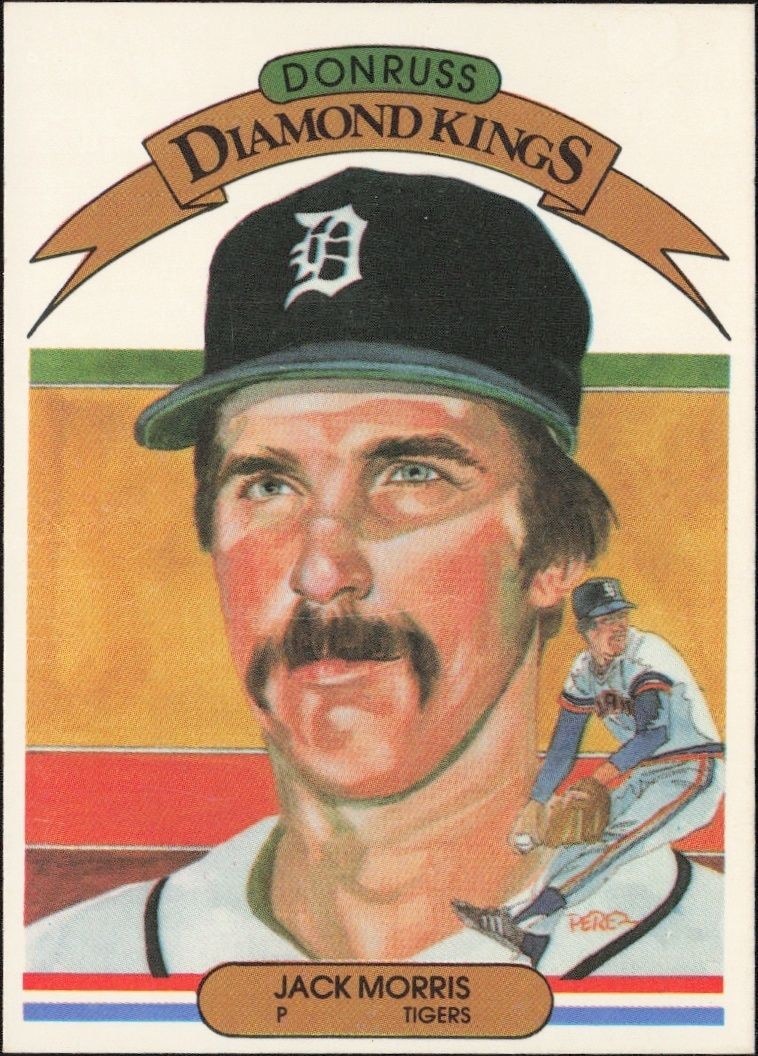
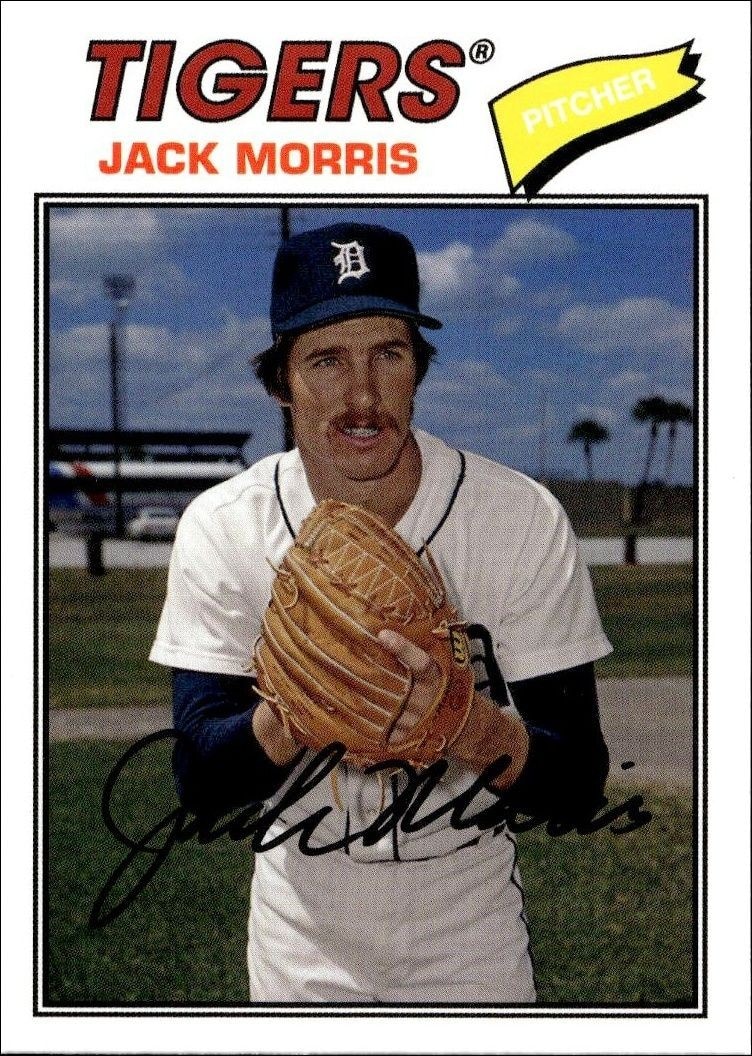
The 1992 Upper Deck Jack Morris #315 is a notable Low Number baseball card featuring the Minnesota Twins pitcher. This product covers all available copies of this set and card number.
1992 • Upper Deck • Low Number
Major League Baseball • Minnesota Twins
Near Mint
315
New
Shipping Calculated at Checkout
Arrives in 5-7 daysEstimated delivery October 23, 2026 - October 25, 2026
Seller returns October 19, 2026.30-day Returns| Condition | Value | Source | Trend | Price Details |
|---|---|---|---|---|
$1.15As of 8/28/2026 | Guide Estimate | |||
$10.00As of 8/28/2026 | Guide Estimate | |||
$5.00As of 8/28/2026 | Guide Estimate | |||
$7.75As of 8/28/2026 | Guide Estimate | |||
$5.00As of 8/28/2026 | Guide Estimate | |||
Raw / Ungraded
PriceCharting Price Guide · Guide Estimate evidence · captured Aug 28, 2026
History is building. At least two days of matching observations are needed to show a trend.
Each point is the last stored observation that day for this printing, condition, grader, autograph status and source. Gaps mean no observation; guide estimates and asking prices are not completed sales.The 1992 Upper Deck Low Number series offers collectors a unique way to engage with classic baseball card design through simplified numbering. Card #315 features Jack Morris, who served as a pivotal starter for the Minnesota Twins during this era. As a Low Number entry, this release holds a specific place in the set's hierarchy, often attracting attention from builders who prioritize lower sequential identifiers. Upper Deck introduced this numbering strategy to distinguish certain cards within the base set, creating a distinct visual and organizational difference from the main run. For fans of the 1990s baseball boom, Morris represents a significant figure in Twins history. His performances during this period helped define the team's competitive identity, making cards from this time particularly relevant for those documenting the sport's recent past. Collecting the 1992 Upper Deck Low Number set requires patience and a focus on specific subset criteria. The #315 designation places it in the early portion of the Low Number block, which some enthusiasts view as a key component for completing specialized collections. Whether you are tracking down specific Low Numbers or building a broader archive of 1990s baseball memorabilia, this card provides a tangible connection to that vibrant period of the sport. This ensures that collectors can find the specific copy that matches their collecting goals, whether for personal enjoyment, set completion, or long-term preservation. The enduring appeal of the Upper Deck brand and the historical significance of the Minnesota Twins make this card a steady presence in the vintage market.
1 day ago
We'll pre-fill the product details from this catalog entry, so your listing lands on this exact page. Just add photos of your copy, pick its condition, and set your price.
The catalog profile below summarizes the card identity, featured subject, and notable collectible traits.
The core identity of the card within the set.
The subject, team, league, and sport context tied to this card.
Production details and format-specific attributes.
Material
Card Stock
Language
English
Compare prices, grades, photos, and shipping from approved sellers.
New
Near Mint
See how many public collections currently include this card.
0 collectors have this card
Jack Morris holds significant career significance as a key figure for the Minnesota Twins, which typically supports a higher price tier than average MLB players of the era. However, this specific 1992 Upper Deck issue lacks any noted special attributes, limiting its premium relative to his other career highlights. The card currently trades at a modest level, reflecting its status as a standard base card rather than a high-end collectible.
The card is identified as part of the 'Low Number' set but possesses no special attributes such as serial numbering, short printing, or parallels. Without explicit scarcity mechanics like limited edition counts or unique identifiers, the supply is effectively open relative to the set's total production. This lack of defining rarity features means the card relies entirely on player demand rather than constrained inventory for value retention.
As a non-rookie card from a mid-90s set, the investment potential is driven primarily by vintage nostalgia and specific team memorabilia demand rather than rookie card premiums. The absence of special attributes suggests it will likely track with general market fluctuations for 1990s baseball cards. Collectors interested in the Minnesota Twins' history may seek this out, but it lacks the structural scarcity often required for strong independent appreciation.