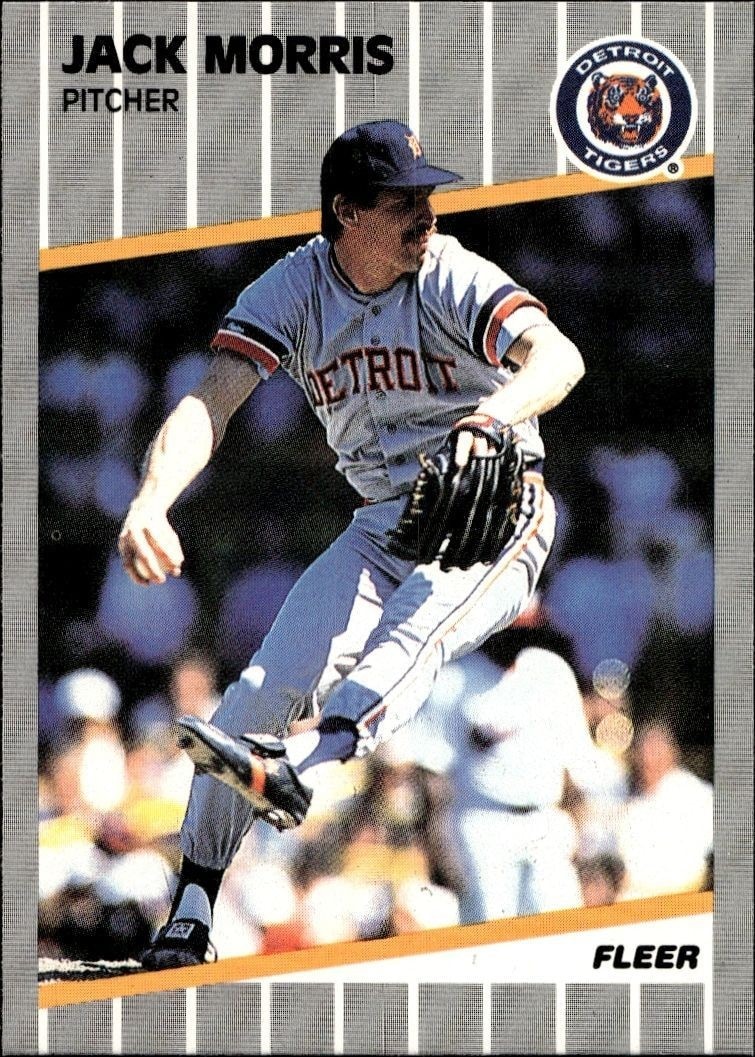













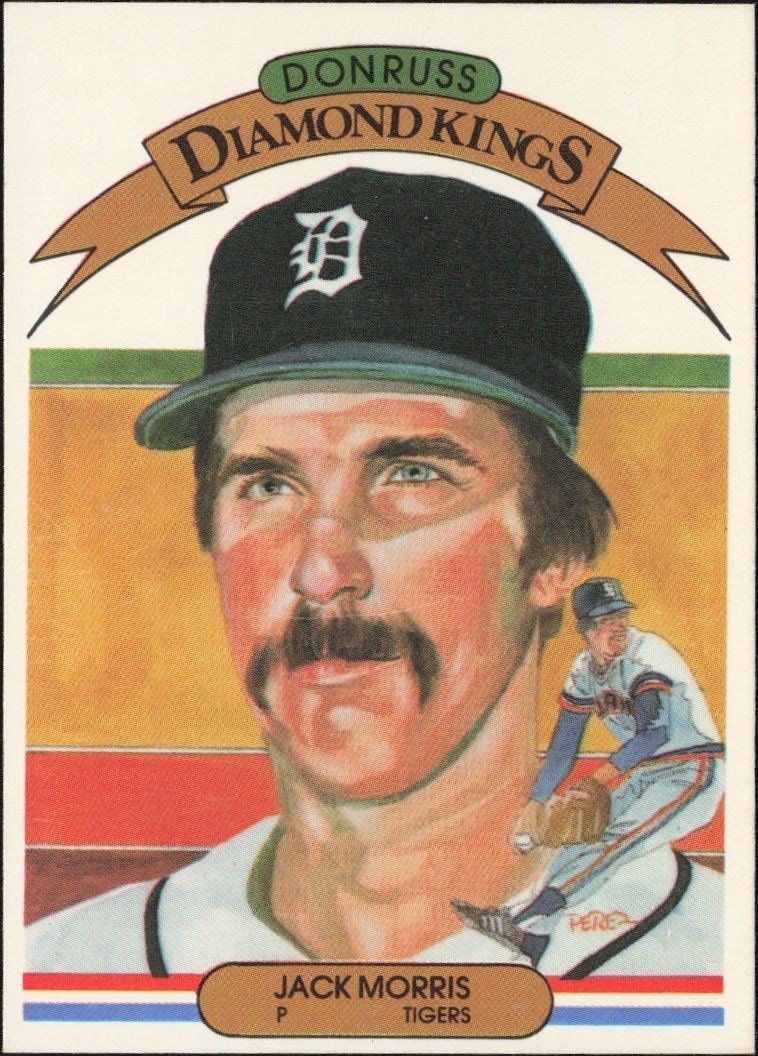

The 1990 Topps Jack Morris #555 is a definitive sports trading card featuring the Detroit Tigers pitcher. Part of the legendary 1990 Topps baseball series, this card is a staple for vintage collectors.
1990 • Topps
Major League Baseball • Detroit Tigers
Excellent
555
New
Shipping Calculated at Checkout
Arrives in 4-6 daysEstimated delivery October 24, 2026 - October 26, 2026
30-day Returns| Condition | Value | Source | Trend | Price Details |
|---|---|---|---|---|
$1.83 | Guide Estimate | -8% | ||
$1.55As of 9/21/2026 | Completed Sales | |||
$9.99 | Guide Estimate | 0% | ||
$11.00 | Guide Estimate | 0% | ||
$27.00 | Guide Estimate | 0% | ||
$35.00 | Guide Estimate | -2.8% | ||
$16.00 | Guide Estimate | -5.9% | ||
$27.04 | Guide Estimate | -2.6% | ||
$16.00 | Guide Estimate | -5.9% | ||
Raw / Ungraded
PriceCharting Price Guide · Guide Estimate evidence · captured Oct 16, 2026
The 1990 Topps Jack Morris #555 stands as a significant entry in the history of baseball trading cards. Released by Topps in 1990, this card features Jack Morris, a prominent figure for the Detroit Tigers during this era. As one of the numbered cards in the base set, #555 is easily identifiable for those building comprehensive collections. Collecting 1990s baseball cards has seen a resurgence in popularity, with fans seeking out the distinct design and production quality of this period. For enthusiasts of the Detroit Tigers, this card serves as a tangible piece of the team's mid-90s lineup history. Whether you are a seasoned investor looking to diversify your portfolio with vintage sports memorabilia or a hobbyist aiming to complete a specific team set, the 1990 Topps Jack Morris #555 offers a reliable and recognizable addition. The card’s status as a standard base issue ensures its availability and relevance in the secondary market, appealing to those who appreciate the nostalgia of early 90s baseball graphics and typography. For collectors focusing on the Detroit Tigers franchise, acquiring key players from this era helps tell the story of the team's competitive years. This card represents not just a player, but a snapshot of a specific moment in Major League Baseball history. By adding this piece to your collection, you own a fragment of the 1990 baseball landscape, preserved in the iconic Topps format that defined generations of collectors.
5 hours ago
We'll pre-fill the product details from this catalog entry, so your listing lands on this exact page. Just add photos of your copy, pick its condition, and set your price.
The catalog profile below summarizes the card identity, featured subject, and notable collectible traits.
The subject, team, league, and sport context tied to this card.
Production details and format-specific attributes.
Material
Card Stock
Language
English
Compare prices, grades, photos, and shipping from approved sellers.
New
Excellent
See how many public collections currently include this card.
0 collectors have this card
As a standard issue from the 1990 Topps set, this Jack Morris card represents a base-level entry point for collectors seeking Tigers memorabilia. While it lacks the premium associated with special parallels or inserts, it remains a staple for those building specific team or player sets. The current market positioning reflects its status as a common card, trading in a stable, accessible tier relative to the player's more scarce variations.
This card is a base release within the 1990 Topps product, meaning it carries no serial numbering, short-print status, or unique parallel attributes. The supply is effectively unlimited relative to the collector base, as it was produced in high volume alongside other base cards. Consequently, it does not benefit from scarcity mechanics that typically drive value appreciation in modern or vintage sports cards.
Investment potential is limited due to the card's common nature and the absence of rookie-year status, as Morris debuted in 1976. Demand is likely driven primarily by completionists looking to fill gaps in 1990 Topps base sets rather than speculative investors seeking appreciation. The stable supply and low barrier to entry suggest this card will remain a low-cost component of a collection rather than a standalone asset.