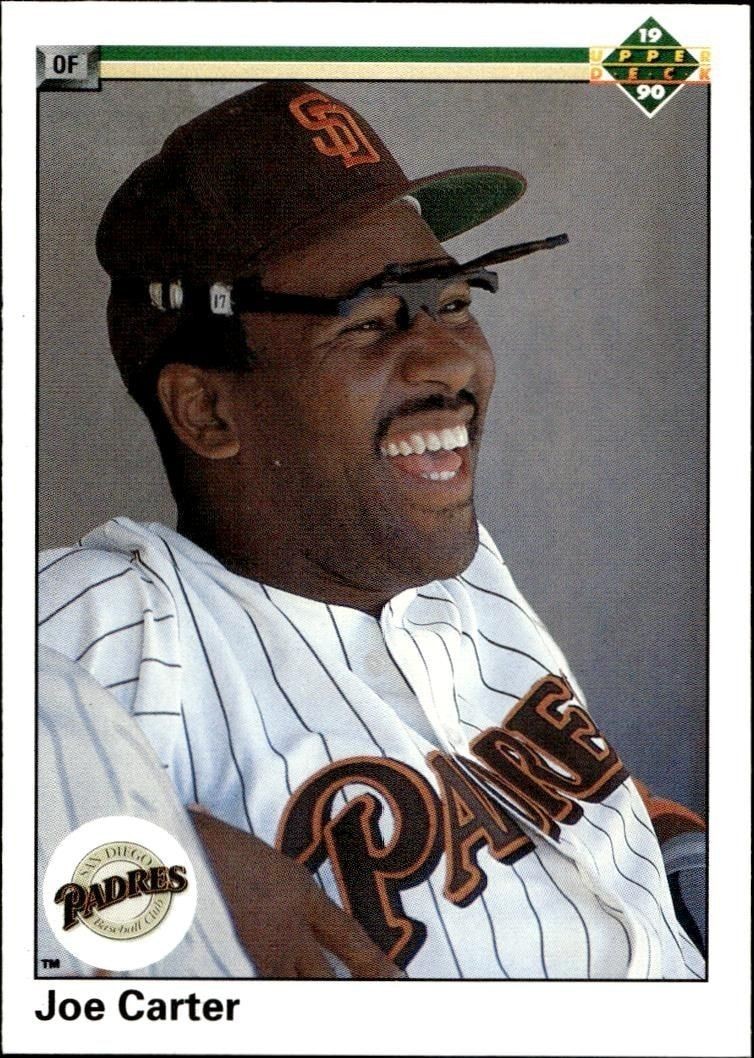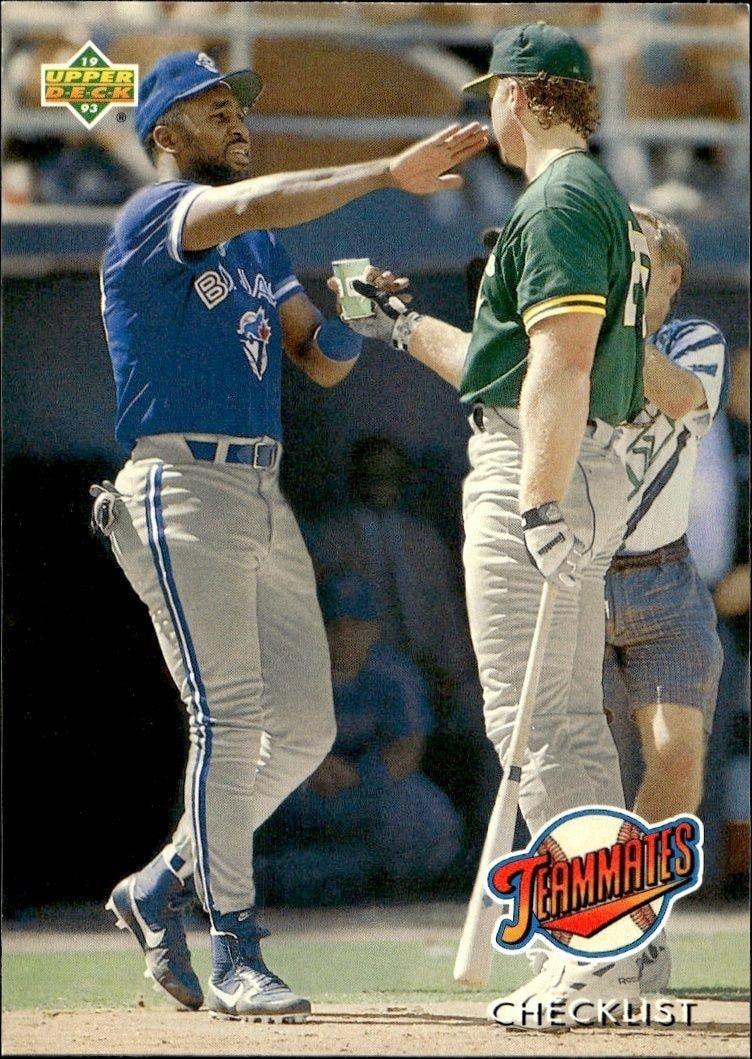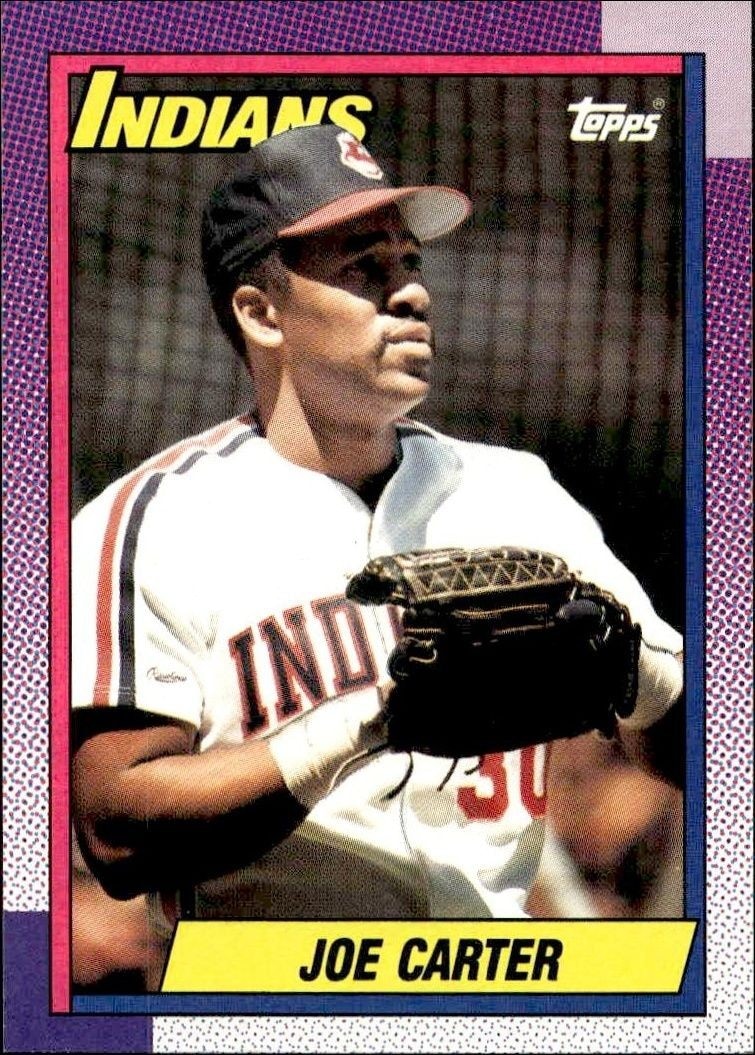








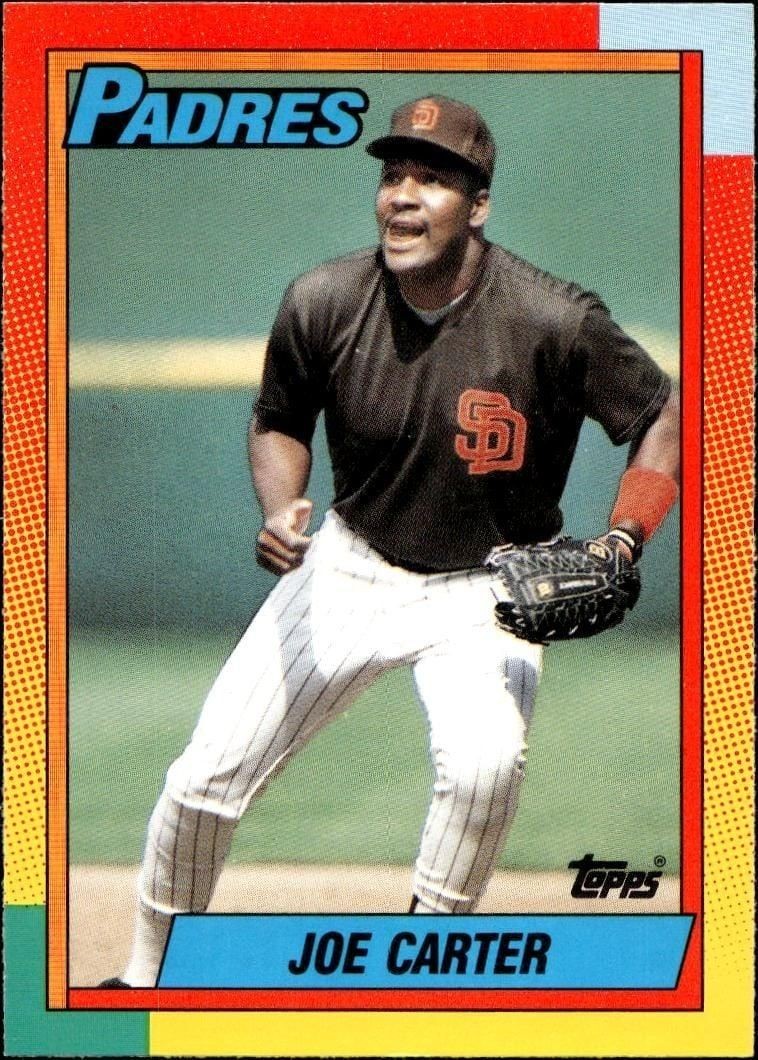


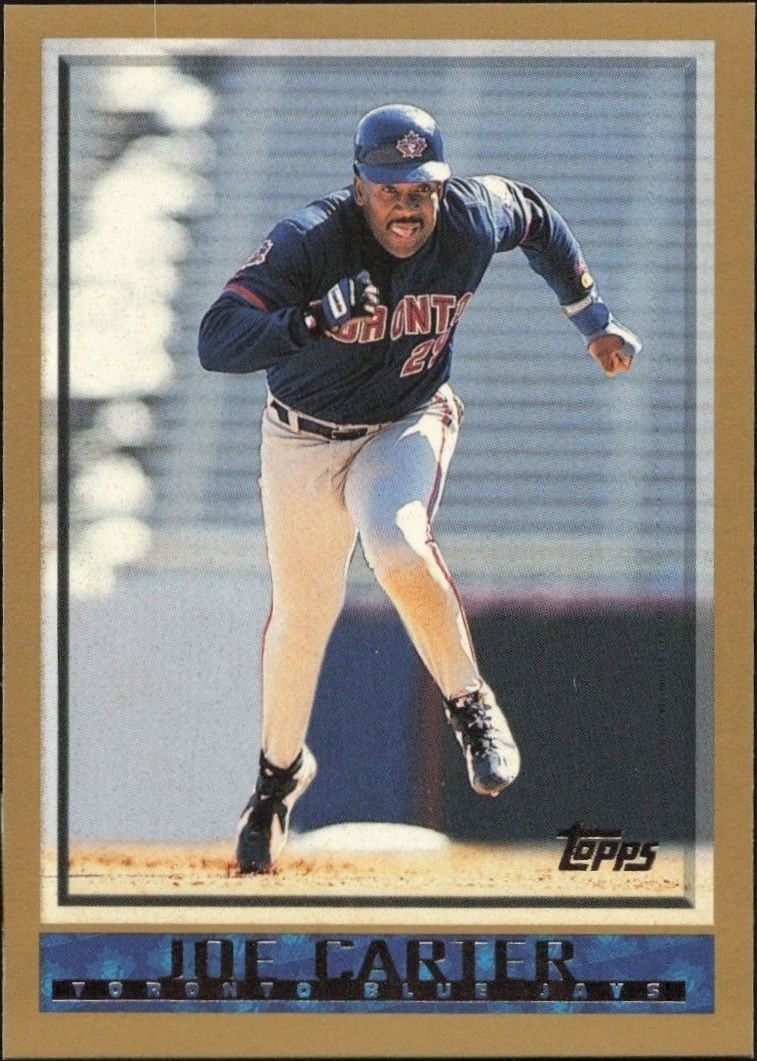


The 1992 Upper Deck Low Number Joe Carter #224 sports card captures a key player from the Toronto Blue Jays era in a distinctive low-numbered release.
1992 • Upper Deck • Low Number
Major League Baseball • Toronto Blue Jays
Excellent
224
New
Shipping Calculated at Checkout
Arrives in 5-7 daysEstimated delivery October 23, 2026 - October 25, 2026
Seller returns October 19, 2026.30-day Returns| Condition | Value | Source | Trend | Price Details |
|---|---|---|---|---|
$1.00As of 9/30/2026 | Guide Estimate | |||
$7.90As of 9/30/2026 | Guide Estimate | |||
$16.37As of 9/30/2026 | Guide Estimate | |||
$30.50As of 9/30/2026 | Guide Estimate | |||
$65.00As of 9/30/2026 | Guide Estimate | |||
$30.00As of 9/30/2026 | Guide Estimate | |||
$50.00As of 9/30/2026 | Guide Estimate | |||
$30.00As of 9/30/2026 | Guide Estimate | |||
Raw / Ungraded
PriceCharting Price Guide · Guide Estimate evidence · captured Sep 30, 2026
History is building. At least two days of matching observations are needed to show a trend.
Each point is the last stored observation that day for this printing, condition, grader, autograph status and source. Gaps mean no observation; guide estimates and asking prices are not completed sales.The 1992 Upper Deck Low Number series holds a special place in the history of sports trading cards, known for its innovative design and high-quality production values. This release features Joe Carter, who wore the number 224 in this catalog. As a member of the Toronto Blue Jays, Carter was a pivotal figure in Major League Baseball during this period, making his appearance on this card particularly notable for fans and historians alike. Collectors often seek out cards from the 1992 Upper Deck Low Number set due to their unique numbering scheme, which differs from standard base sets. The low number designation often correlates with higher demand, as these cards were produced in smaller quantities relative to their base counterparts. For those building a comprehensive collection of Joe Carter memorabilia or focusing on the Toronto Blue Jays' history, this card serves as a fundamental piece. The card's identity is rooted in the 1992 release, a year that remains significant in baseball lore. When considering the 1992 Upper Deck Low Number Joe Carter #224, it is important to understand its position within the broader Upper Deck lineup. Whether you are a seasoned investor looking for tangible assets or a hobbyist aiming to complete a set, this card offers a direct connection to a specific moment in baseball history. The combination of the Upper Deck brand, the low number series, and Joe Carter's prominence creates a compelling item for any portfolio.
13 hours ago
We'll pre-fill the product details from this catalog entry, so your listing lands on this exact page. Just add photos of your copy, pick its condition, and set your price.
The catalog profile below summarizes the card identity, featured subject, and notable collectible traits.
The core identity of the card within the set.
The subject, team, league, and sport context tied to this card.
Production details and format-specific attributes.
Material
Card Stock
Language
English
Compare prices, grades, photos, and shipping from approved sellers.
New
Excellent
See how many public collections currently include this card.
0 collectors have this card
At a sub-dollar price point, this 1992 Upper Deck Joe Carter card represents an accessible entry tier for collectors focusing on the Blue Jays' championship era. While it lacks special attributes to command a premium, its low cost reflects its status as a standard base card rather than a key insert or parallel. The current market positioning suggests it trades below typical rookie-card valuations due to the absence of rarity indicators.
The card is identified as a standard base issue within the 'Low Number' set context, with no special attributes such as serial numbering or short-print status noted. This lack of scarcity mechanics means the supply is effectively unlimited relative to collector demand, preventing any rarity-driven price support. It serves as a foundational piece for set builders rather than a standalone collectible.
As a non-rookie card from 1992, this item does not benefit from rookie-card premium mechanics, limiting its potential for significant appreciation. Demand is likely driven primarily by completists seeking to fill gaps in 1992 Upper Deck sets rather than speculative investors. The stable, low-cost nature makes it a low-risk addition for portfolio diversification but not a high-growth asset.