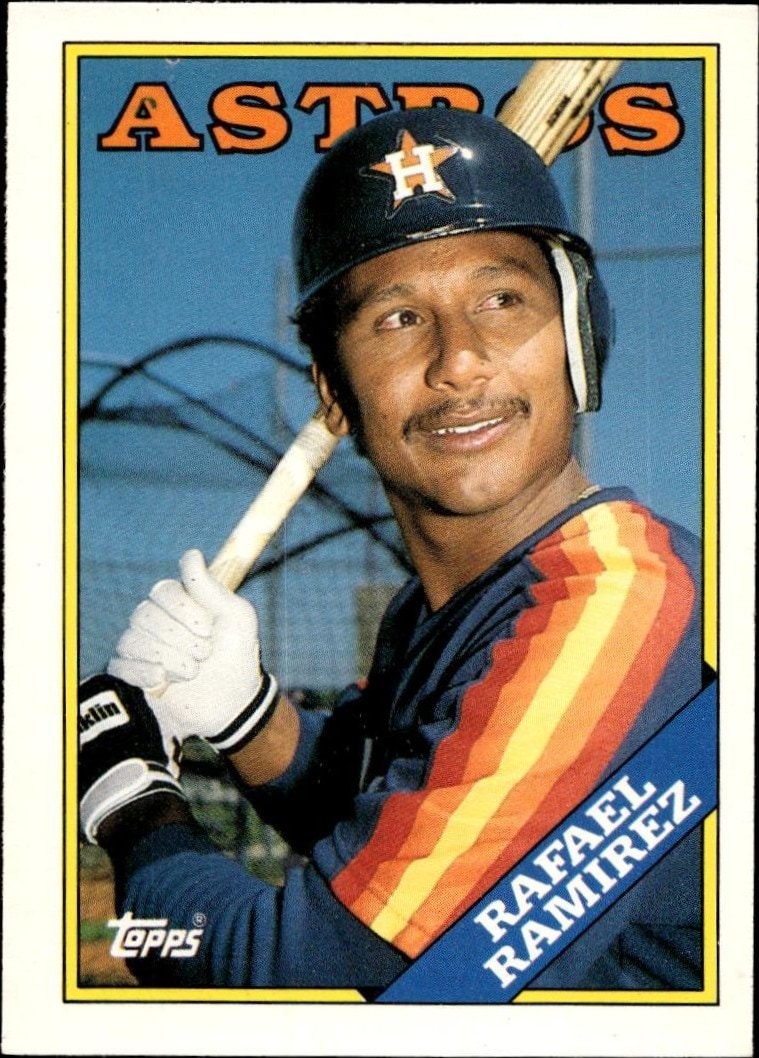


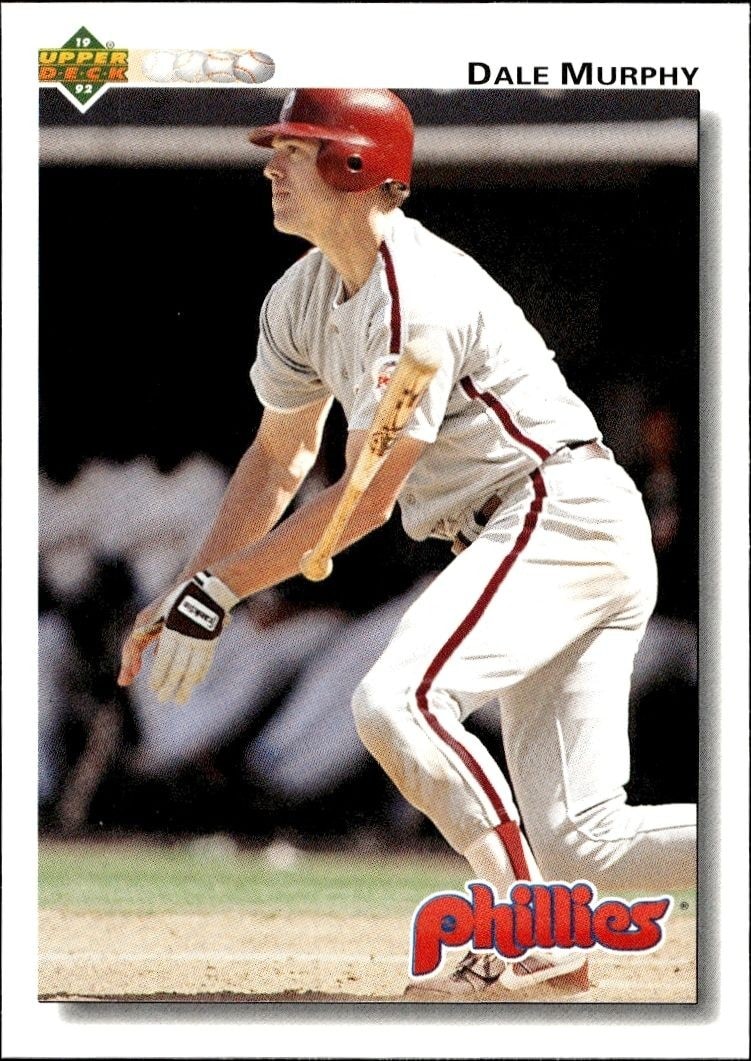


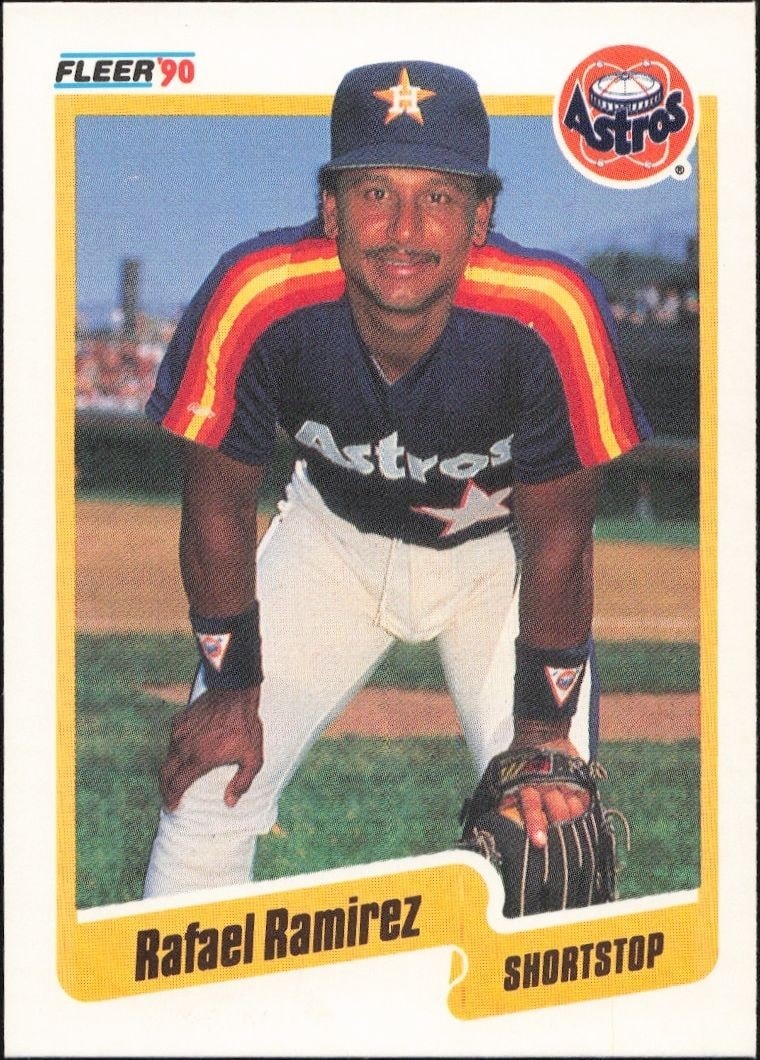


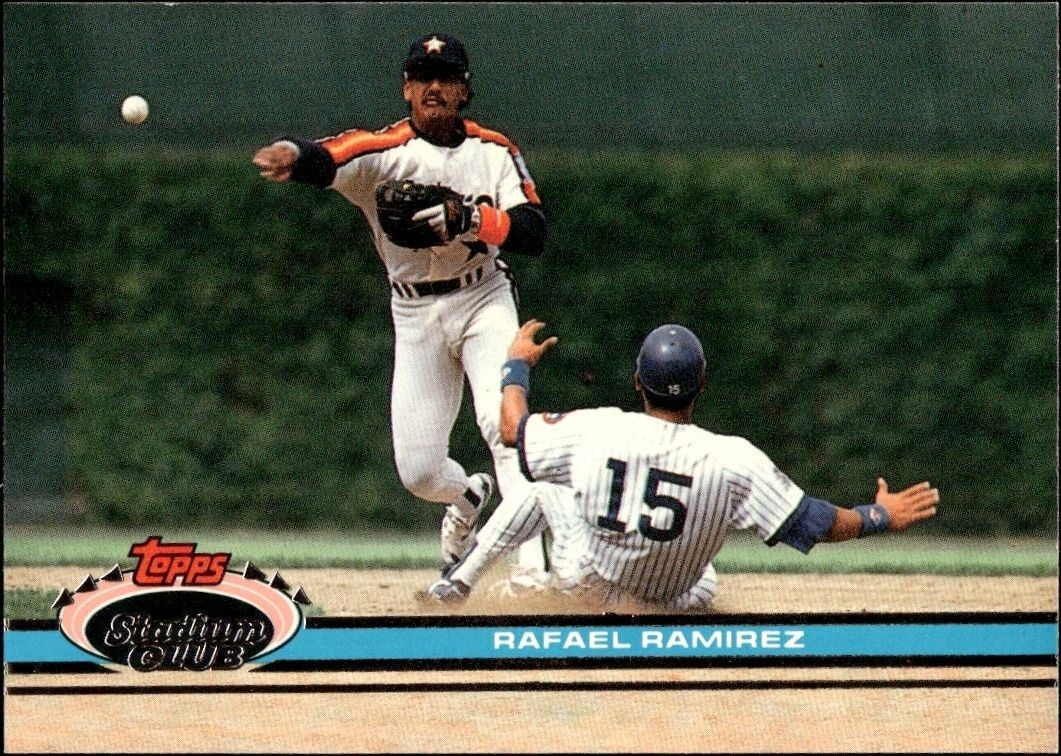
The 1992 Upper Deck Low Number #582 card featuring Houston Astros Rafael Ramirez offers a distinct collectible identity within the vintage baseball hobby.
1992 • Upper Deck • Low Number
Major League Baseball • Houston Astros
Near Mint
582
New
Shipping Calculated at Checkout
Arrives in 5-7 daysEstimated delivery October 23, 2026 - October 25, 2026
Seller returns October 19, 2026.30-day Returns| Condition | Value | Source | Trend | Price Details |
|---|---|---|---|---|
$1.12 | Guide Estimate | |||
Raw / Ungraded
PriceCharting Price Guide · Guide Estimate evidence · captured Oct 5, 2026
History is building. At least two days of matching observations are needed to show a trend.
Each point is the last stored observation that day for this printing, condition, grader, autograph status and source. Gaps mean no observation; guide estimates and asking prices are not completed sales.This 1992 Upper Deck release is defined by its Low Number series designation, offering a distinct collectible identity within the vintage baseball hobby. Card #582 features Rafael Ramirez, a player associated with the Houston Astros during this era. Collectors often seek out low-number cards from this period due to their unique position in the set's numbering system, which differs from the standard sequential releases found in other brands. The Upper Deck brand established a strong reputation in the early 1990s, and this card represents a tangible piece of that history. For investors and set builders, the combination of the Upper Deck manufacturer, the Low Number series, and the specific card number creates a unique catalog entry. It stands apart from standard base cards, appealing to those who focus on the structural elements of trading card sets. Rafael Ramirez's association with the Houston Astros adds another layer of interest for team-specific collectors. Whether you are building a complete set of 1992 Upper Deck Low Number cards or focusing on specific players from the Astros roster, this card serves as a vital component. The product type remains a standard sports card, preserving the classic format that defined the era. By focusing on the verified attributes—the year, the brand, the series, the card number, and the subject—collectors can make informed decisions about their acquisitions. This approach ensures that the value of the card is understood through its historical and catalog context rather than speculative trends. For those interested in the broader landscape of 1990s baseball cards, this product highlights the diversity of releases available from major manufacturers. It is a straightforward yet significant addition to any collection that values the specificity of set designations and player representations from this foundational period of modern collecting.
11 hours ago
We'll pre-fill the product details from this catalog entry, so your listing lands on this exact page. Just add photos of your copy, pick its condition, and set your price.
The catalog profile below summarizes the card identity, featured subject, and notable collectible traits.
The core identity of the card within the set.
The subject, team, league, and sport context tied to this card.
Production details and format-specific attributes.
Material
Card Stock
Language
English
Compare prices, grades, photos, and shipping from approved sellers.
New
Near Mint
See how many public collections currently include this card.
0 collectors have this card
This card represents a foundational entry point for collectors focusing on 1990s baseball memorabilia, specifically within the Houston Astros franchise history. While Rafael Ramirez is not a primary marquee name, the value is anchored by the historical context of the era rather than individual star power. It trades at a modest tier compared to rookie cards of Hall of Fame peers, reflecting its status as a standard roster card from a specific vintage set.
The card carries no special scarcity attributes such as serial numbering, short prints, or parallel finishes, indicating it is a standard base card from the Upper Deck Low Number set. This lack of distinguishing features means the supply is determined by the original print run and current survival rate rather than artificial constraints. Consequently, availability is likely higher than for its limited-edition counterparts, keeping the individual item accessible to the general market.
As a non-rookie, non-premium parallel card from the early 1990s, the investment potential is limited by the sheer volume of similar cards in circulation. Demand is primarily driven by completists seeking to fill specific gaps in vintage Houston Astros or Upper Deck sets rather than speculative growth. Collectors interested in this era should view this as a functional component of a larger collection rather than a standalone appreciating asset.