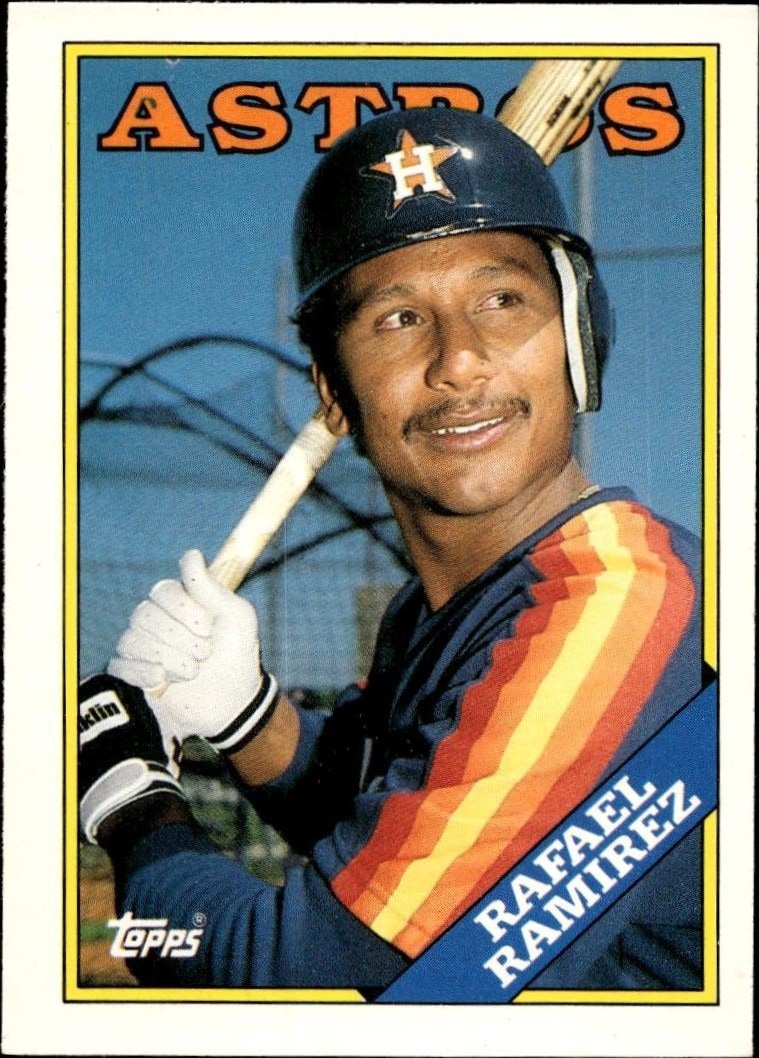


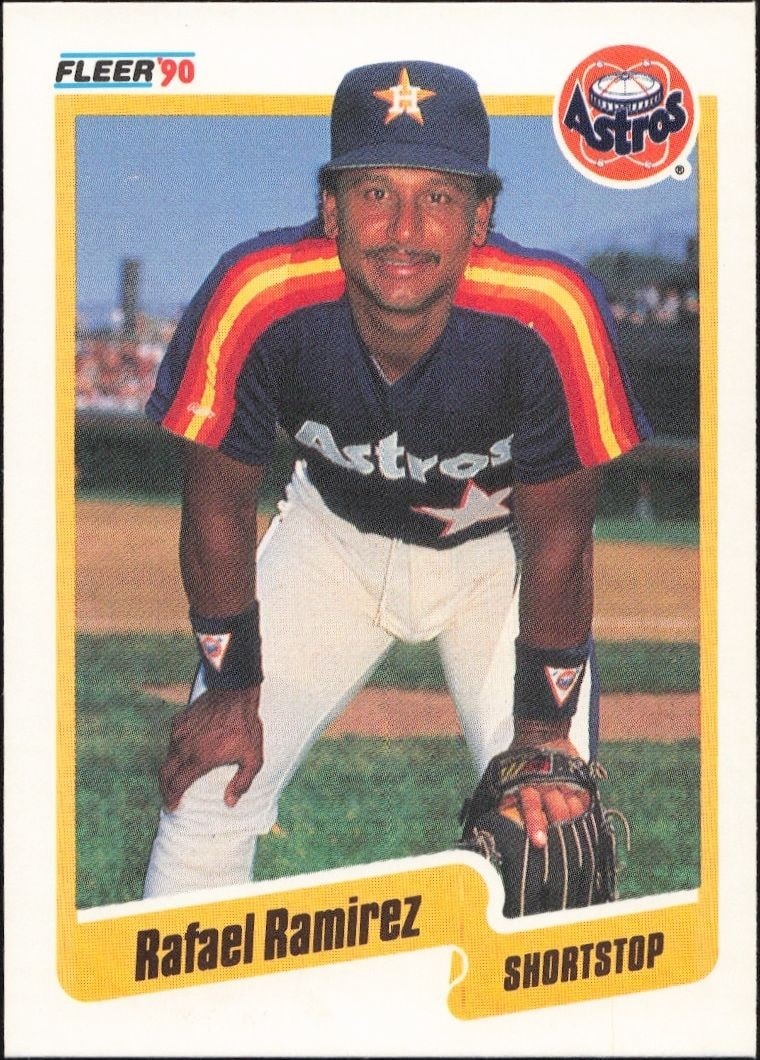


Identify the 1991 Topps Stadium Club #107 Rafael Ramirez baseball card, representing his tenure with the Houston Astros during the early 1990s MLB era.
1991 • Topps • Stadium Club
Major League Baseball • Houston Astros
Near Mint
107
New
Shipping Calculated at Checkout
Arrives in 4-6 daysEstimated delivery November 12, 2026 - November 14, 2026
30-day Returns| Condition | Value | Source | Trend | Price Details |
|---|---|---|---|---|
$1.00 | Asking Prices | 0% | ||
Raw / Ungraded
eBay Active Listings · Asking Prices evidence · captured Oct 29, 2026
The 1991 Topps Stadium Club #107 features Rafael Ramirez during his time with the Houston Astros. This card is a staple for collectors focusing on 1990s baseball and specifically those building sets centered on the Astros' roster from that period. Rafael Ramirez appeared in Major League Baseball during the early 1990s, and this card number serves as a cataloged entry for his career. For investors and hobbyists, cards from this year offer a tangible connection to the sport's history, capturing the players who defined the league before the modern analytics revolution. The #107 designation places it within the standard base set distribution, making it a standard reference point for those tracking the complete 1991 Topps Stadium Club release. Collecting vintage baseball cards requires attention to the specific set and year, as design elements and printing techniques vary significantly between eras. The 1991 Topps Stadium Club release remains a popular choice for completing chronological collections or for those who appreciate the aesthetic of baseball cards from the early nineties. Whether you are looking to fill a gap in your Houston Astros collection or explore the broader landscape of 1991 baseball, this card provides a direct link to that specific season. By focusing on the identity of the card and its historical context, collectors can make informed decisions about adding this piece to their portfolio. The enduring appeal of 1990s Topps products continues to drive interest among both new and veteran collectors who value the nostalgia and history embedded in every card number.
6 days ago
We'll pre-fill the product details from this catalog entry, so your listing lands on this exact page. Just add photos of your copy, pick its condition, and set your price.
The catalog profile below summarizes the card identity, featured subject, and notable collectible traits.
The core identity of the card within the set.
The subject, team, league, and sport context tied to this card.
Production details and format-specific attributes.
Material
Card Stock
Language
English
Compare prices, grades, photos, and shipping from approved sellers.
New
Near Mint
See how many public collections currently include this card.
0 collectors have this card
FAQ
No, the 1991 Topps Stadium Club #107 is not considered a rookie card. Rookie cards are typically issued in the year a player makes their major league debut, and Ramirez had already established his career by 1991.
In the 1991 Topps Stadium Club set, Rafael Ramirez is featured as a member of the Houston Astros. This card reflects his tenure with the team during that specific MLB season.
This card is identified by the number 107 in the bottom corner of the front. It is part of the base set released by Topps in 1991, featuring players from various MLB teams including the Astros.
This 1991 Topps Stadium Club card of Rafael Ramirez sits at the lower end of the market value spectrum, reflecting its status as a non-star player from a highly saturated vintage set. The current pricing indicates minimal premium above raw condition, as the card lacks the distinct visual or historical drivers that typically elevate Houston Astros memorabilia from this era. It trades in line with bulk vintage issues, serving more as a filler piece for completists than a standalone investment vehicle.
The card possesses no special scarcity attributes, meaning it is a standard base card from a mass-produced production run. Without serial numbering, short-print designations, or unique parallels, the supply remains abundant and unrestricted by manufacturing limits. This lack of distinct rarity mechanics ensures that availability is high, keeping individual unit scarcity effectively at the level of the general set population.
As a non-rookie card for a player with limited mainstream prominence, this item offers negligible upside for speculative investment. The combination of a high-volume 1991 print run and the absence of any special parallels or rookie designation limits collector demand to niche completists. Long-term value retention is unlikely to outperform the broader vintage baseball market, as no specific attributes drive specialized interest.