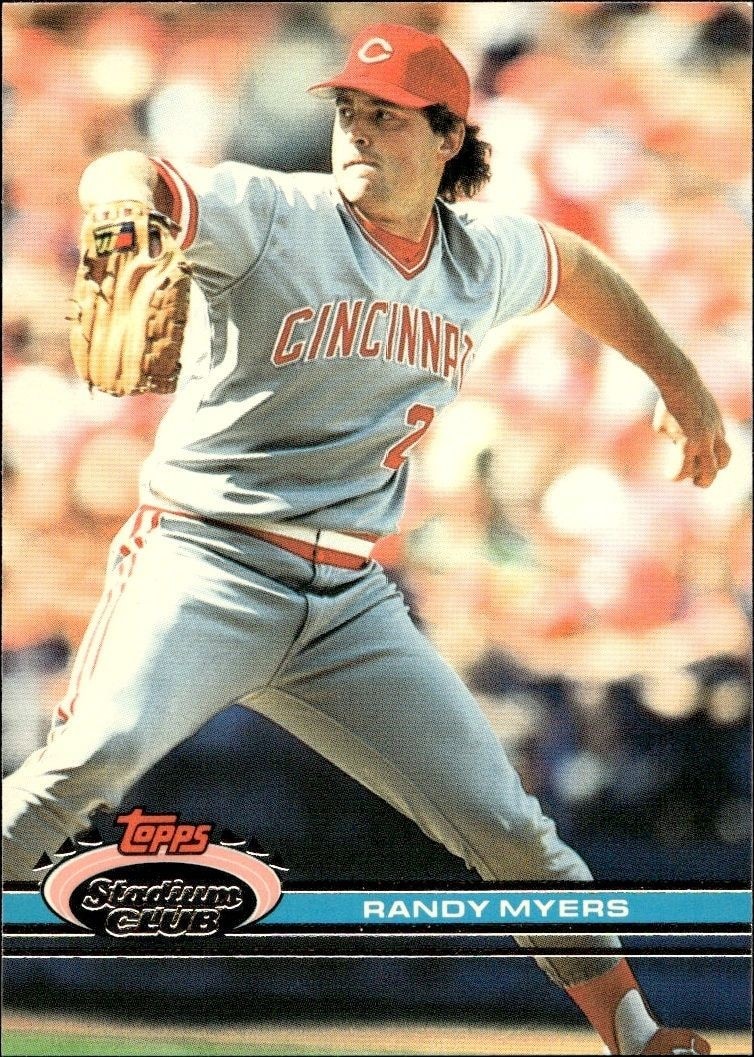




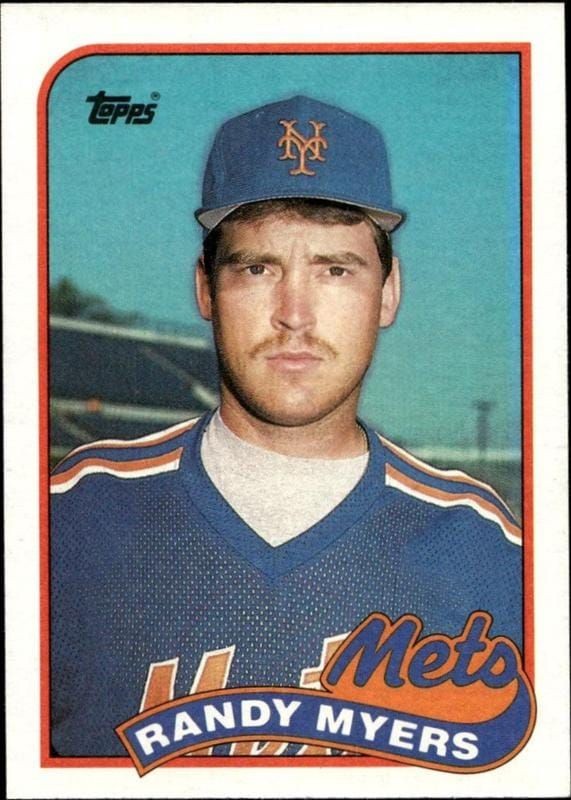



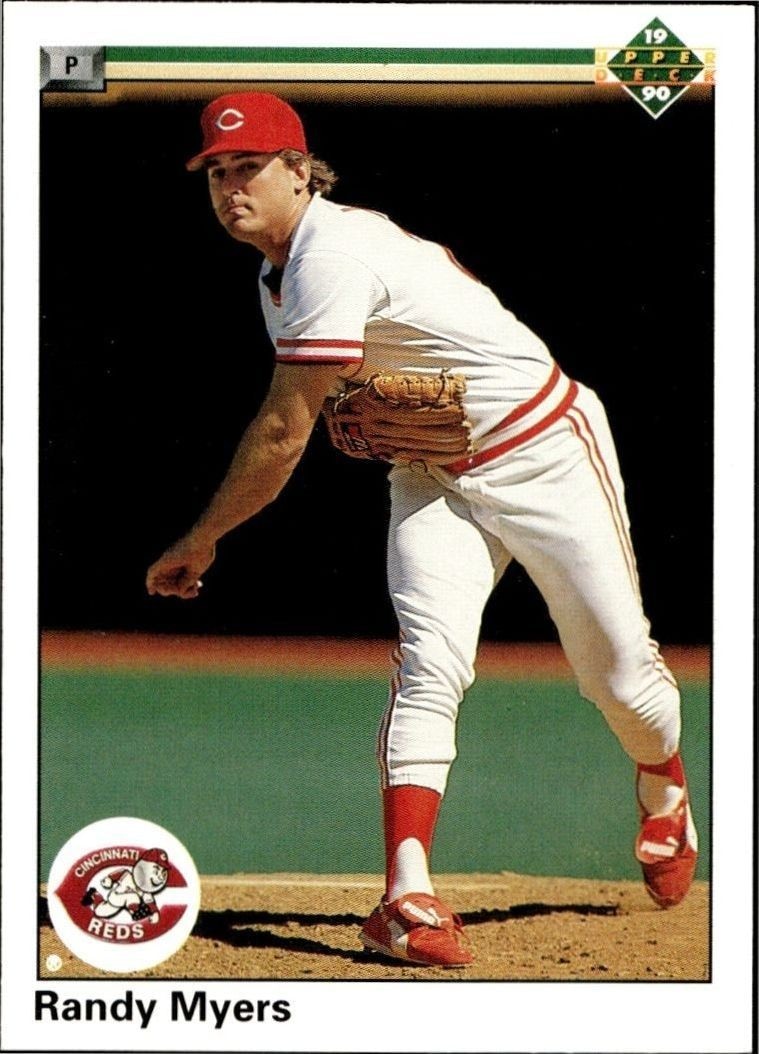
The 1992 Upper Deck Low Number series features Randy Myers on card #278, representing his tenure with the Cincinnati Reds during the 1992 MLB season.
1992 • Upper Deck • Low Number
Major League Baseball • Cincinnati Reds
Near Mint
278
New
Shipping Calculated at Checkout
Arrives in 4-6 daysEstimated delivery October 23, 2026 - October 25, 2026
30-day Returns| Condition | Value | Source | Trend | Price Details |
|---|---|---|---|---|
$1.69As of 10/4/2026 | Guide Estimate | |||
Raw / Ungraded
PriceCharting Price Guide · Guide Estimate evidence · captured Oct 4, 2026
History is building. At least two days of matching observations are needed to show a trend.
Each point is the last stored observation that day for this printing, condition, grader, autograph status and source. Gaps mean no observation; guide estimates and asking prices are not completed sales.The 1992 Upper Deck Low Number series distinguishes itself from the main set by assigning higher card numbers to specific players, creating a distinct collecting experience for enthusiasts of early 90s baseball. Randy Myers appears on card #278, capturing the pitcher during his time with the Cincinnati Reds. This release is a notable entry for collectors focused on the 1992 Upper Deck baseball product, offering a tangible connection to the team's roster during that specific era. Collectors often seek out the Low Number subset to complete specialized collections or to explore the depth of the 1992 Upper Deck brand. Randy Myers' presence on card #278 makes this a relevant piece for fans of the Cincinnati Reds or those tracking the careers of relief pitchers from the 1990s. As part of the broader Upper Deck catalog, this card holds a place in the history of sports trading cards produced during the early 90s boom. For investors and hobbyists alike, the 1992 Upper Deck Low Number series remains a significant chapter in baseball card collecting. It offers a unique alternative to the standard base set, appealing to those who appreciate the nuances of series variations within a single year. Whether you are looking to round out a specific team collection or explore the intricacies of the 1992 Upper Deck lineup, this card provides a solid foundation for building a meaningful inventory.
9 minutes ago
We'll pre-fill the product details from this catalog entry, so your listing lands on this exact page. Just add photos of your copy, pick its condition, and set your price.
The catalog profile below summarizes the card identity, featured subject, and notable collectible traits.
The core identity of the card within the set.
The subject, team, league, and sport context tied to this card.
Production details and format-specific attributes.
Material
Card Stock
Language
English
Compare prices, grades, photos, and shipping from approved sellers.
New
Near Mint
See how many public collections currently include this card.
0 collectors have this card
Randy Myers' 1992 Upper Deck offering represents a foundational piece from a pivotal era in his career with the Cincinnati Reds, sitting in an accessible entry-level price tier relative to his more sought-after rookie issues. The current market positioning suggests steady, modest demand typical of established veteran cards from this specific production year. While not commanding a significant condition premium due to the lack of noted high-grade status, it remains a viable acquisition for collectors focusing on 1990s National League bullpens.
This listing is identified as a standard base card within the Upper Deck set, lacking any special parallel, short-print, or serial-numbered attributes that would artificially constrain supply. As a mass-produced item from a major brand, its availability is determined by general preservation rates rather than intentional scarcity mechanics. The absence of unique identifiers means it trades in direct competition with the broader pool of ungraded or lightly graded examples from the same print run.
The investment potential for this card is primarily driven by nostalgia for the 1992 Upper Deck set and Myers' role as a key closer during his tenure with the Reds. Collectors seeking to complete base set runs or build themed collections of 1990s relief pitchers provide the primary demand driver for this specific issue. Long-term value appreciation is likely to remain stable and incremental, reflecting the card's status as a common but historically relevant piece of baseball history.