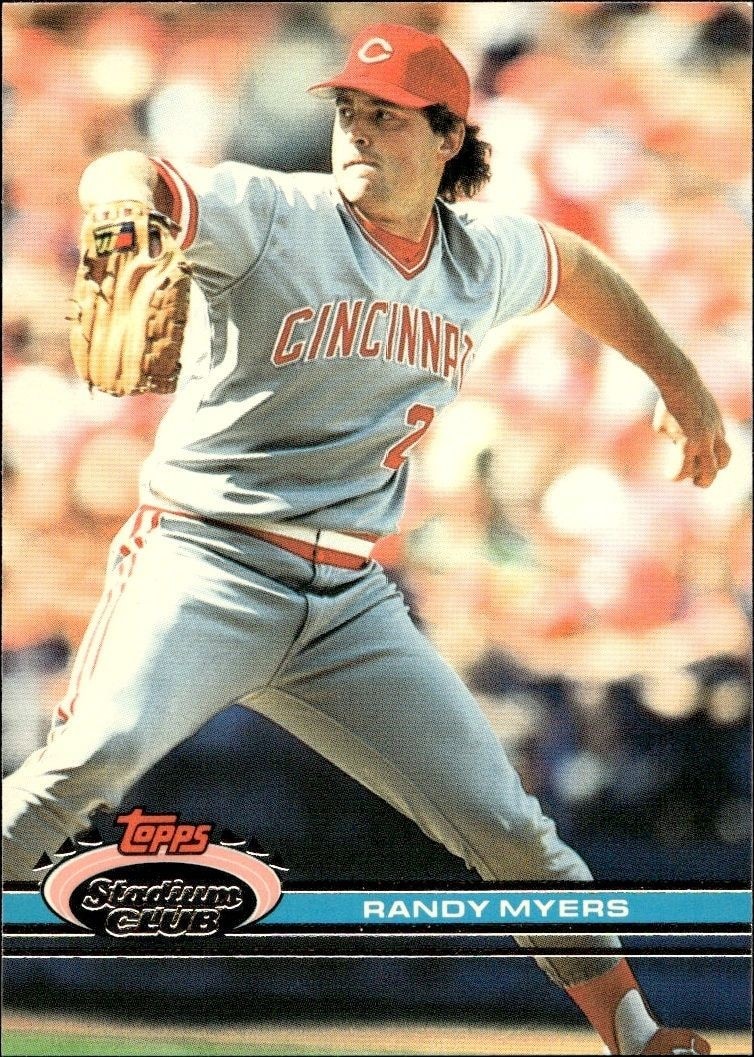





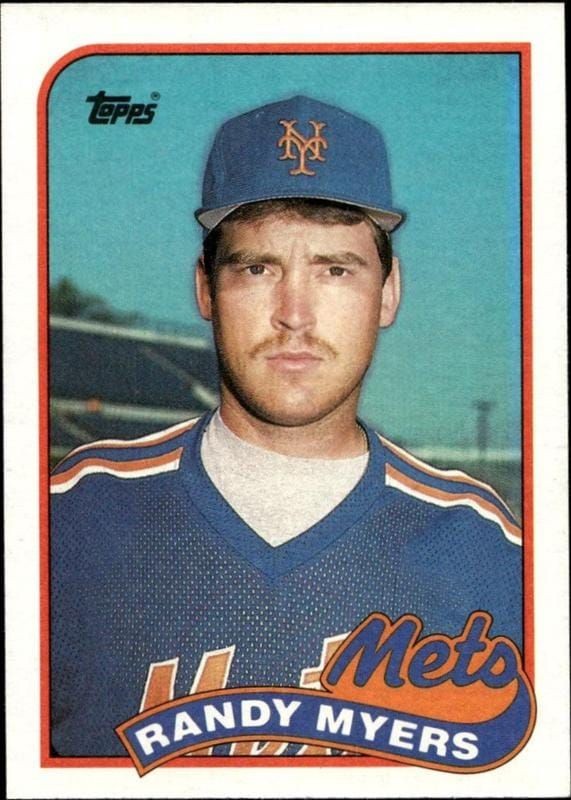

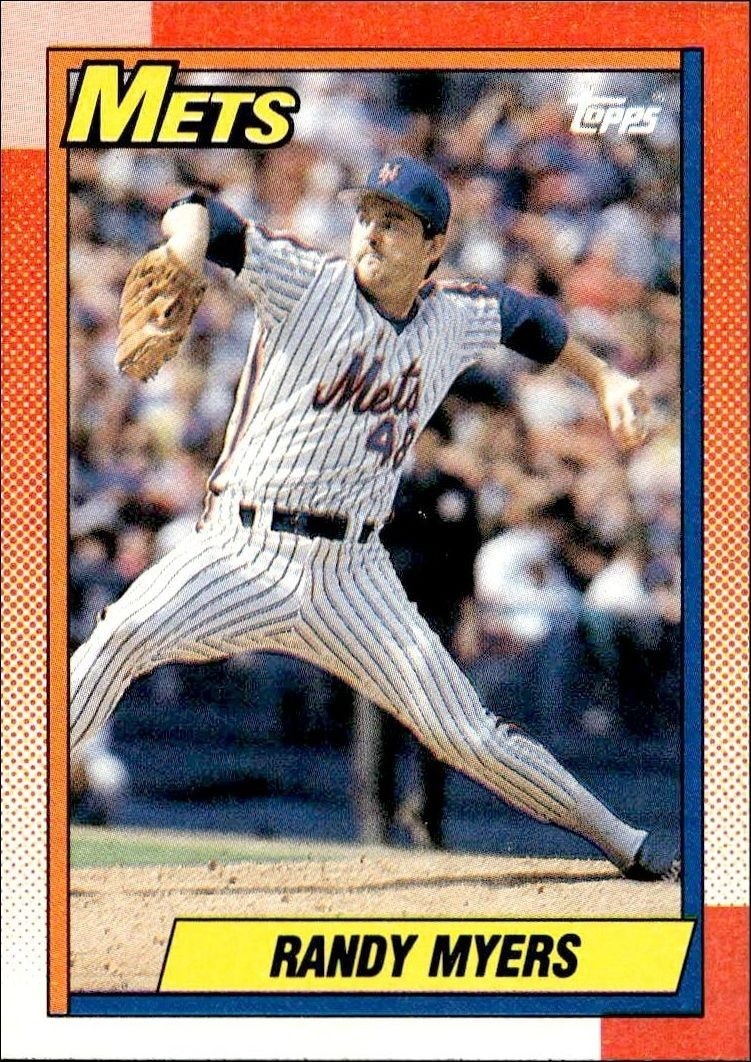

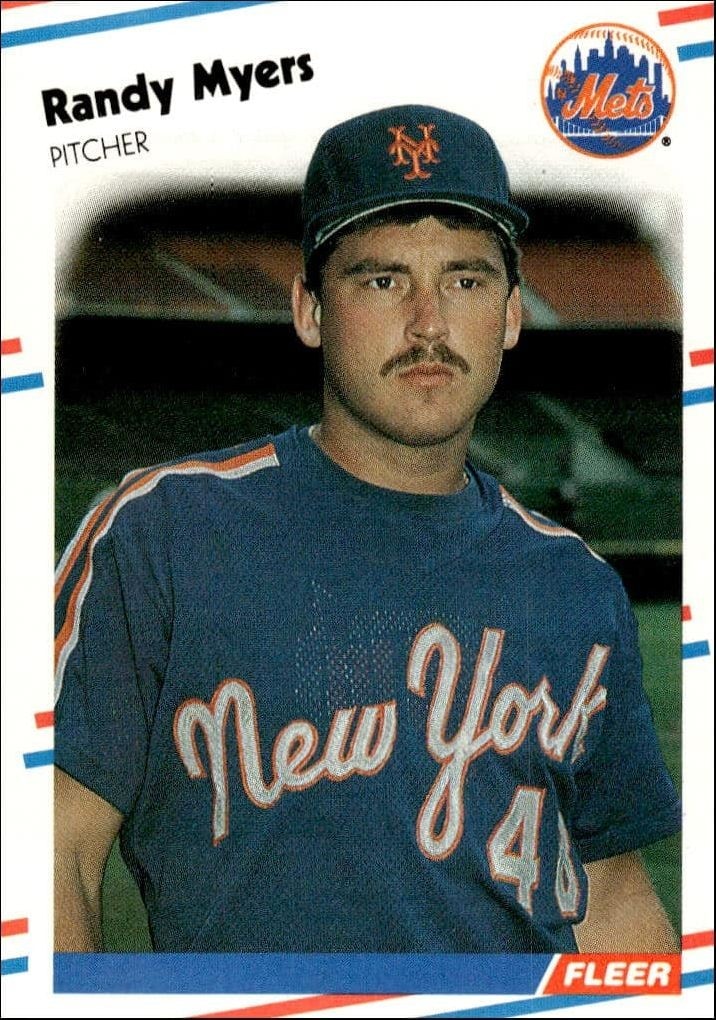
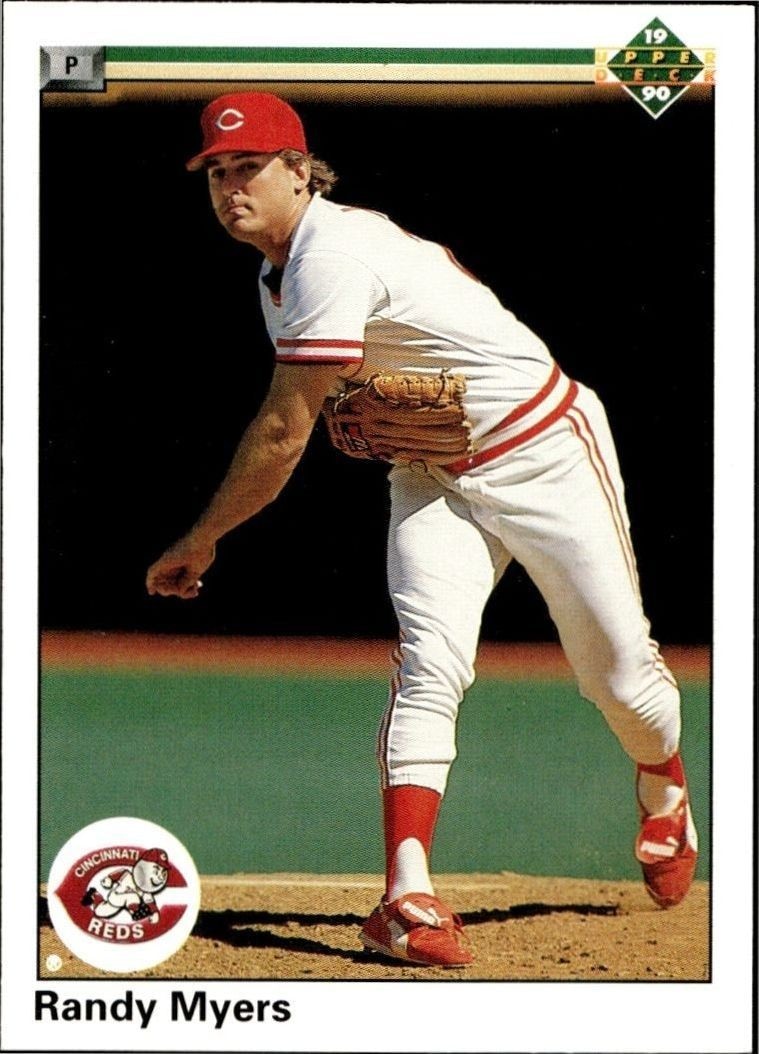
The 1987 Topps Randy Myers #213 is a classic baseball trading card featuring the New York Mets player. This catalog entry represents the specific card identity for collectors and investors.
1987 • Topps
Major League Baseball • New York Mets
Excellent
213
New
Shipping Calculated at Checkout
Arrives in 4-6 daysEstimated delivery October 23, 2026 - October 25, 2026
30-day Returns| Condition | Value | Source | Trend | Price Details |
|---|---|---|---|---|
$1.78 | Guide Estimate | |||
$12.00 | Guide Estimate | |||
$12.02 | Guide Estimate | |||
$13.00 | Guide Estimate | |||
$59.00 | Guide Estimate | |||
$27.00 | Guide Estimate | |||
$45.14 | Guide Estimate | |||
$27.00 | Guide Estimate | |||
Raw / Ungraded
PriceCharting Price Guide · Guide Estimate evidence · captured Oct 11, 2026
History is building. At least two days of matching observations are needed to show a trend.
Each point is the last stored observation that day for this printing, condition, grader, autograph status and source. Gaps mean no observation; guide estimates and asking prices are not completed sales.The 1987 Topps Randy Myers #213 baseball card stands as a definitive piece of vintage sports memorabilia. Released during a pivotal era for the New York Mets, this card captures the player during his tenure with the team. Collectors often seek this card number to complete their 1987 Topps sets or to build dedicated player collections. As a standard issue from the 1987 Topps brand, this product represents a widely recognized segment of baseball card history. The design reflects the aesthetic norms of the late 1980s, offering a nostalgic look at the sport's past. For those interested in the New York Mets franchise history, this card serves as a tangible connection to that period. Whether you are looking to add to your personal archive or explore the broader market for 1980s baseball cards, this product offers a focused entry point. The card's identity is rooted in its specific year, brand, and subject, making it a recognizable item for hobbyists familiar with the era. Collecting vintage sports cards requires attention to detail and an appreciation for the specific attributes of each release. This card, identified by its number 213 and association with the New York Mets, offers a clear target for set builders. By focusing on the core elements of the product, collectors can make informed decisions about their acquisitions. The enduring appeal of 1987 Topps products continues to drive interest in this category of collectibles.
1 day ago
We'll pre-fill the product details from this catalog entry, so your listing lands on this exact page. Just add photos of your copy, pick its condition, and set your price.
The catalog profile below summarizes the card identity, featured subject, and notable collectible traits.
The subject, team, league, and sport context tied to this card.
Production details and format-specific attributes.
Material
Card Stock
Language
English
Compare prices, grades, photos, and shipping from approved sellers.
New
Excellent
See how many public collections currently include this card.
0 collectors have this card
As a 1987 Topps rookie card, this item represents the foundational entry point for Randy Myers' collecting market, typically commanding a modest premium over his later base parallels due to its status as a first-year-of-issue. The current pricing reflects a stable, accessible tier within the broader Mets and relief pitcher segments, lacking the extreme volatility seen in elite superstar rookies. Its value is anchored by the enduring nostalgia of late-80s baseball culture rather than speculative hype.
This card is a standard base release with no noted serial numbering, short-print designations, or unique parallels, meaning it exists in high supply relative to specialized variants. The scarcity is driven purely by age and the natural attrition of ungraded copies from the 1987 production run. Without special attributes to constrain the population, it trades as a common example of its era rather than a rare artifact.
The investment potential is moderate, relying on the steady, long-term demand for vintage Mets memorabilia and the specific niche of 1980s relief pitcher collectibles. While it lacks the explosive growth mechanics of a highly serial-numbered parallel, it offers a low-risk entry for collectors focusing on complete set building or franchise-specific themes. Future appreciation will likely track general vintage baseball trends rather than individual player accolades.